Research Could Simplify Process for Calculating Soil Carbon Credits

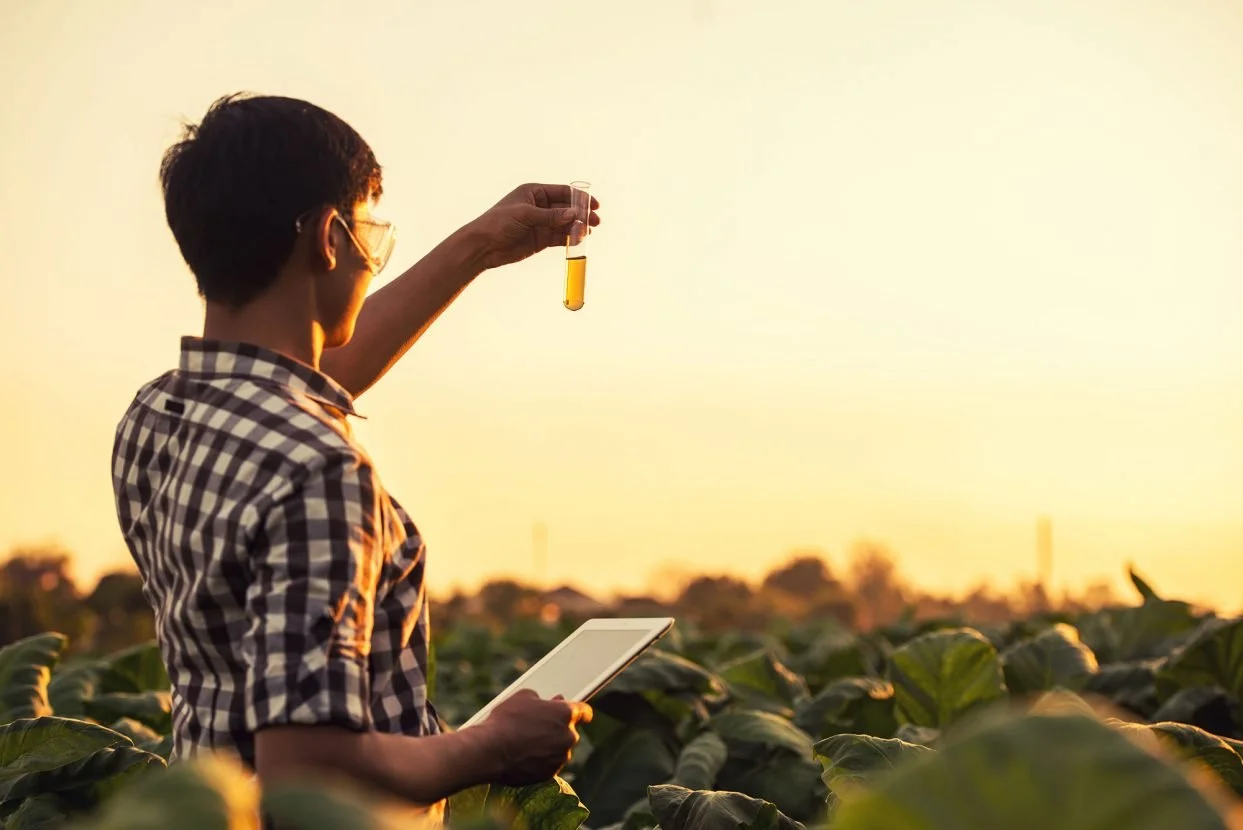
A study led by researchers at the Agroecosystem Sustainability Center at the University of Illinois Urbana-Champaign provides new insights for quantifying cropland carbon budgets and soil carbon credits, two important metrics for mitigating climate change.

The results, outlined in a paper published in the soil science journal Geoderma, could simplify the process for calculating soil carbon credits, which reward farmers for conserving soil carbon through crop rotation, no-tillage, cover crops, and other conservation practices that improve soil health. The project was funded by the U.S. Department of Energy’s Advanced Research Projects Agency-Energy.

Read More
kristen oaks
USDA Expands Eligibility, Enhances Benefits For Key Disaster Programs

The U.S. Department of Agriculture (USDA) made updates to several conservation, livestock and crop disaster assistance programs to give more farmers, ranchers, and tribes the opportunity to apply for and access programs that support recovery following natural disasters.  Specifically, USDA’s Farm Service Agency (FSA) expanded eligibility and enhanced available benefits for a suite of its programs. These updates will provide critical assistance to producers who need to rebuild and recover after suffering catastrophic losses of production and infrastructure due to natural disasters.

Read More
USDAdon molino
NMSDC Announces First Cohort of Black Farmers Equity Initiative

The National Minority Supplier Development Council (NMSDC) is excited to announce the first cohort of the Black Farmers Equity Initiative. The joint venture from NMSDC and Cargill is aimed at advancing agricultural supply chain access for Black farmers. This collaborative initiative aims to create a pathway for emerging Black farmers to achieve parity in the agriculture industry with learning solutions, certification, lending, networking, and new contracts.

Read More
kristen oaks
Agriculture Classroom on Wheels Visits Ascension Public Schools

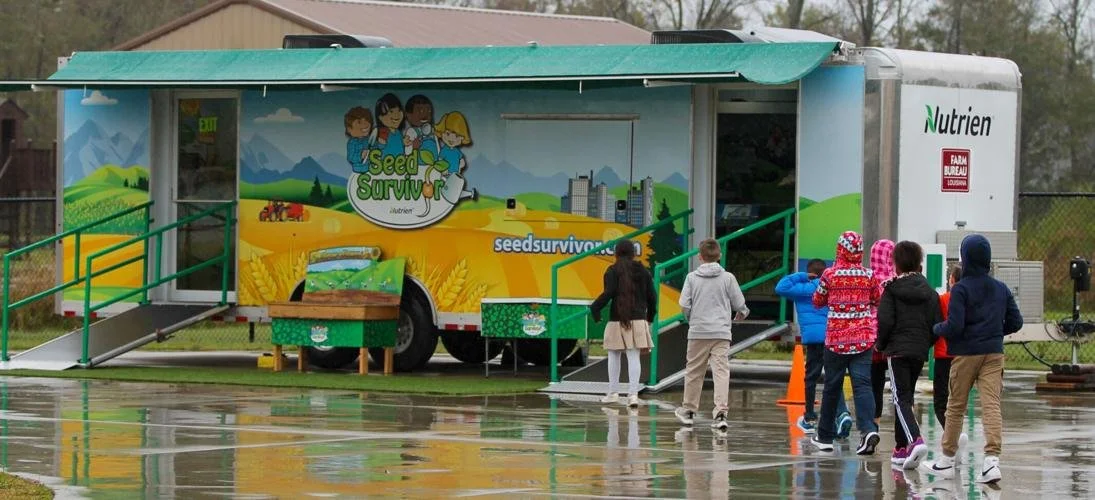
Over the past two months, students at five primary schools in Ascension Public Schools participated in the Seed Survivor Mobile Classroom, a program that educates students in grades 3-5 about the importance of agriculture.

In a partnership with the Louisiana Farm Bureau’s Agriculture in the Classroom program, Nutrien and Nutrien Ag Solutions sponsor the initiative called Seed Survivor, a “classroom on wheels” and free, curriculum-based learning experience that encourages children in elementary school to understand what makes plants grow.

Read More
NRCS Announces Conservation Stewardship Program Signup

Jackson, Miss., January 9, 2023 – The next deadline for Conservation Stewardship Program (CSP) applications to be considered for funding in Fiscal Year (FY) 2023 is February 9, 2023. Through CSP, the U.S. Department of Agriculture’s (USDA) Natural Resources Conservation Service (NRCS) helps farmers, ranchers, and forest landowners earn payments for expanding conservation activities while maintaining agricultural production on their land. CSP also encourages the adoption of new technologies and management techniques. 

"CSP continues to be a very effective tool for agricultural producers working to enhance their conservation and management goals," said Kurt Readus, NRCS State Conservationist in Mississippi. "It is the largest conservation program in the United States with more than 70 million acres of productive agricultural and forest land enrolled in CSP." 

While applications are accepted throughout the year, interested producers should submit applications to their local NRCS office by February 9, 2023, to ensure their applications are considered for FY 2023 funding.

Changes to the Program 

The 2018 Farm Bill authorizes the Natural Resources Conservation Services (NRCS) to accept new CSP enrollments from now until 2023, making some important improvements to the program. These updates include:

  • NRCS currently enrolls eligible, high-ranking applications based on dollars rather than acres.

  • Higher payment rates are now available for certain conservation activities, including cover crops and resource-conserving crop rotations. 

  • CSP now provides specific support for organic and transitioning to organic production activities and a special grassland conservation initiative for certain producers who have maintained cropland base acres.

  • NRCS recently made several updates to the program to help producers better evaluate their conservation options and the benefits to their operations and natural resources. New methods and software for evaluating applications help producers see up front why they are or are not meeting stewardship thresholds and allow them to pick practices and enhancements that match their conservation objectives. These tools also enable producers to see potential payment scenarios for conservation early in the process.

About the Program 

CSP is offered in Mississippi through continuous sign-ups. The program provides many benefits, including increased crop yields, decreased inputs, wildlife habitat improvements, and increased resilience to weather extremes. CSP is for working lands, including cropland, pastureland, rangeland, nonindustrial private forest land, and agricultural land, under the jurisdiction of a tribe.  

Online services are available to customers with an e-Authentication (e-Auth) account, which provides access to the farmers.gov portal where producers can view USDA farm loan information and payments and view and track certain USDA program applications and payments. An e-Auth account is a way for you to interact with USDA websites online. It gives you the ability to identify yourself to the USDA via your User ID and password. It also allows you to access many USDA applications across the many USDA agencies and their services. Customers who do not already have an e-Auth account can enroll at farmers.gov/account.

For additional information about CSP, landowners should contact their county's local NRCS office at the USDA Service Center. For more information, visit our website.

USDA is an equal opportunity provider, employer, and lender. To file a program discrimination complaint, complete the USDA Program Discrimination Complaint Form, AD-3027, found online at How to File a Program Discrimination Complaint and at any USDA office or write a letter addressed to USDA and provide in the letter all of the information requested in the form. To request a copy of the complaint form, call (866) 632-9992. Submit your completed form or letter to USDA by (1) mail: U.S. Department of Agriculture, Office of the Assistant Secretary for Civil Rights, 1400 Independence Avenue, SW, Washington, D.C. 20250-9410; (2) fax: (202) 690-7442; or (3) email: program.intake@usda.gov.


Read More

don molino
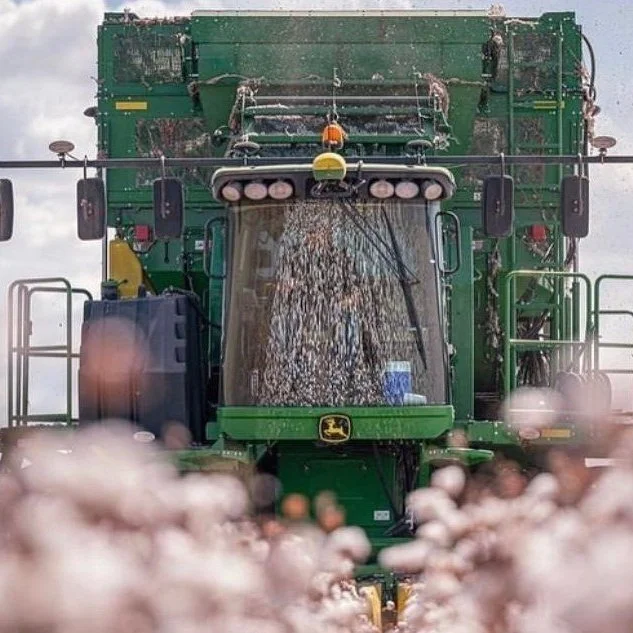
LA Producer Helps Tell The Story Of US Cotton To Brands & Retailers

The visionary cotton producers who formed the Cotton Research and Promotion Program in the 1960s knew that to stay relevant in our industry they had to come together to tell the story of U.S. cotton.

Over the years, the story of cotton’s advantages over synthetic fibers has evolved, expanded and become multi-faceted with different messages targeting different audiences. One of the most important messages recently has been that U.S. cotton farmers are committed to sustainability and continuous improvement on their farms.

Read More
Cottondon molino
3 Consumer Trends Farmers Can’t Afford to Ignore

Consumer preferences can totter between fads and trends (think emus versus plant-based meat). For farmers to capitalize on consumer demands, they must be able to sort out what is an of the moment fad or a significant shift, says Rob Dongoski, Ernst & Young food and agriculture leader.

Read More
kristen oaks
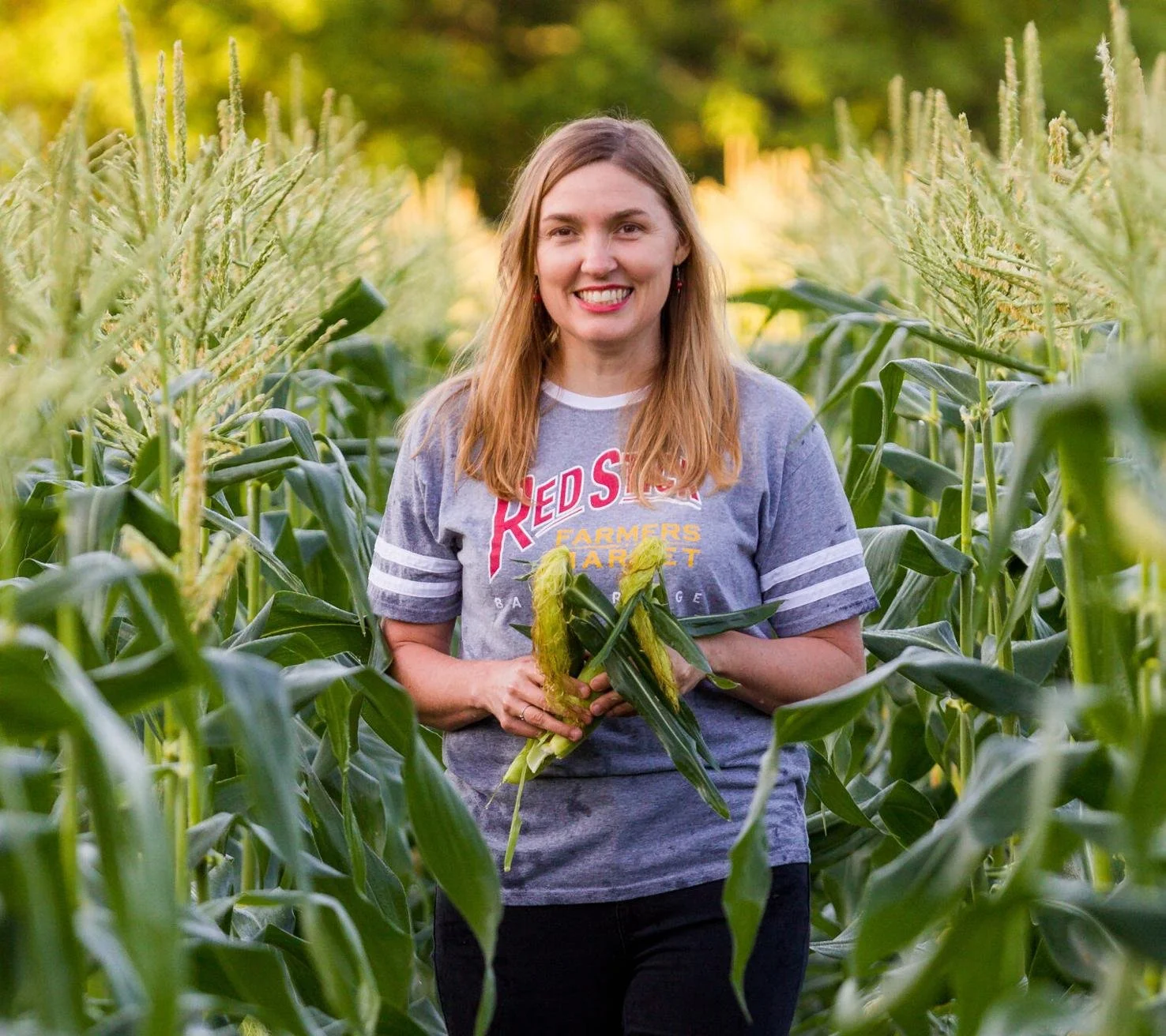
This Idea Formed from a Thesis Project at LSU. Now It's a Full-Fledged Farmers Market.

In her role as the executive director of Big River Economic and Agricultural Development Alliance, Darlene Adams Rowland oversees four locations of the Red Stick Farmers Market in Baton Rouge. Her background includes experience in marketing, fundraising, market management, farmer development, technical assistance and oversight of BREADA’s nutrition outreach programs.

Read More
LSU AgCenterkristen oaks
Emerging Disease Issues In Cotton

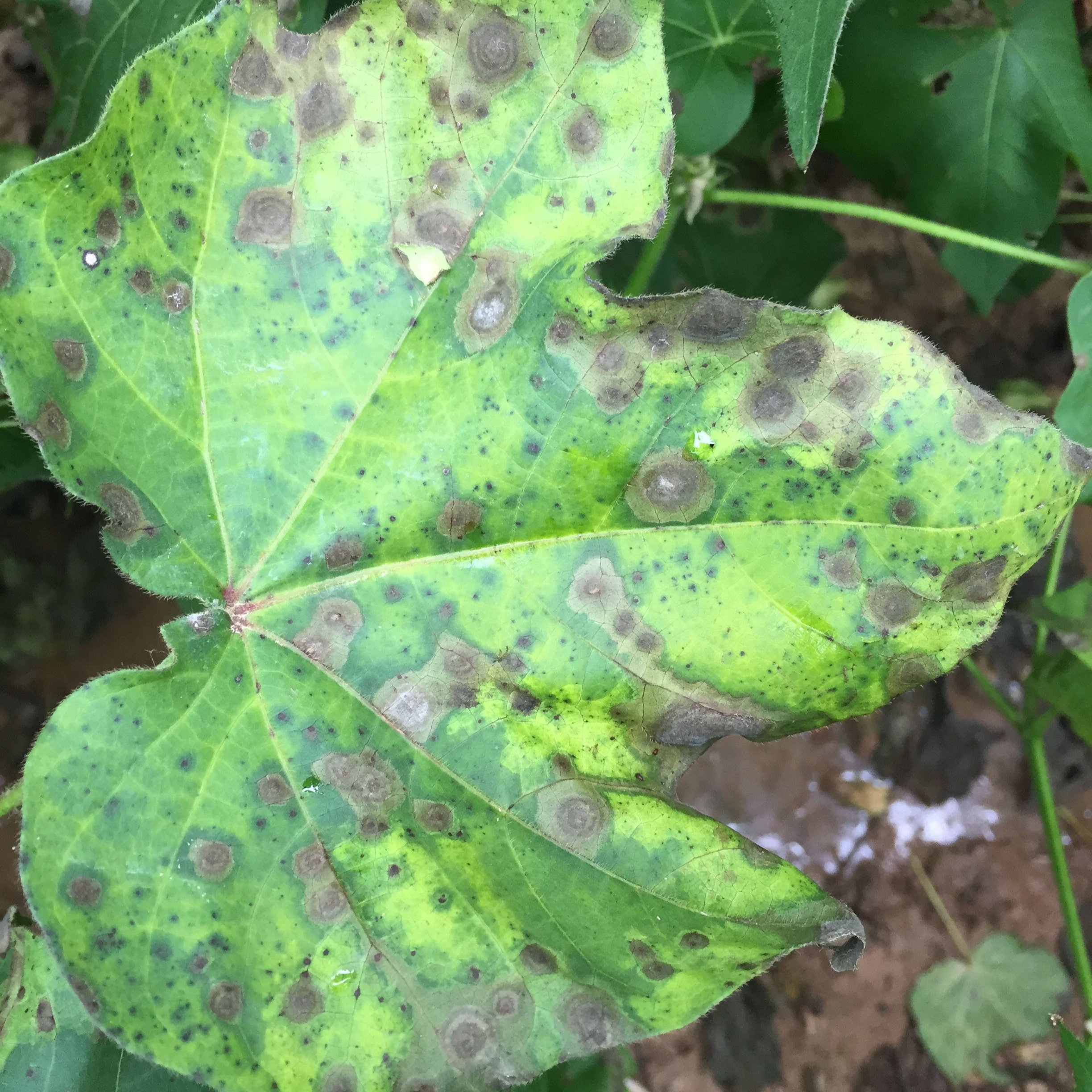
The cotton leafroll dwarf virus causes yellowing and distortion of leaves (Figure 1) and is believed to be vectored by the cotton aphid (Aphis gossypii) during feeding (Figure 2). A litany of other symptoms has been attributed to the virus including missing fruit and bolls, over-tall plants, reddening of veins, dwarfed plants and leaf cupping. In some situations in the southeast United States, significant yield losses have been attributed to the virus.

Read More
LSU AgCenterdon molino
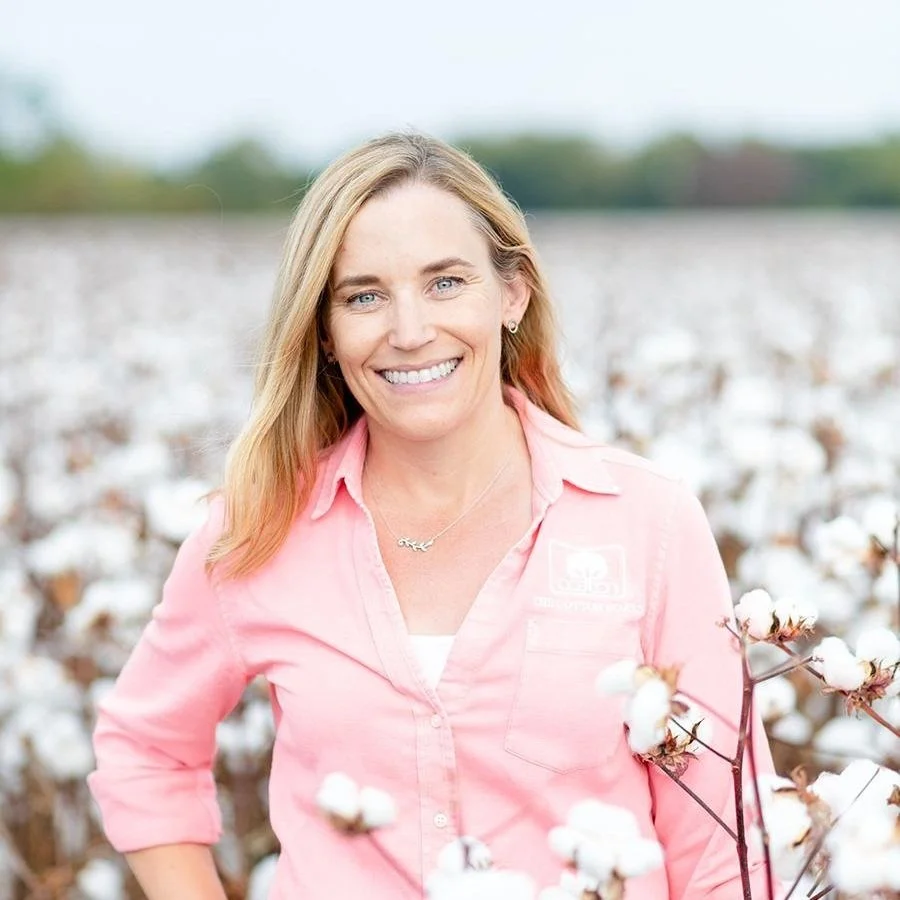
Cotton Board Promotes Wyonzek To Vice President Of Operations

The Cotton Board has promoted Emily Wyonzek to Vice President of Operations for the organization.

Bill Gillon, President and CEO of The Cotton Board, stated, “Emily has demonstrated the kind of dedication, management skills, and commitment to innovation that are the hallmarks of successful leaders. Among other things, she has directed the Human Resource operations of The Cotton Board, managed our four Regional Communications Managers, and helped guide the strategic priorities of the organization. Specifically, along with our Director of Communications, Emily and her team have used the Cotton & Coffee platform and strong Cotton Incorporated tour participation to ensure producer stakeholders in the Cotton Research and Promotion Program are more aware of the great work being done by Cotton Incorporated.”

Read More
Cottondon molino
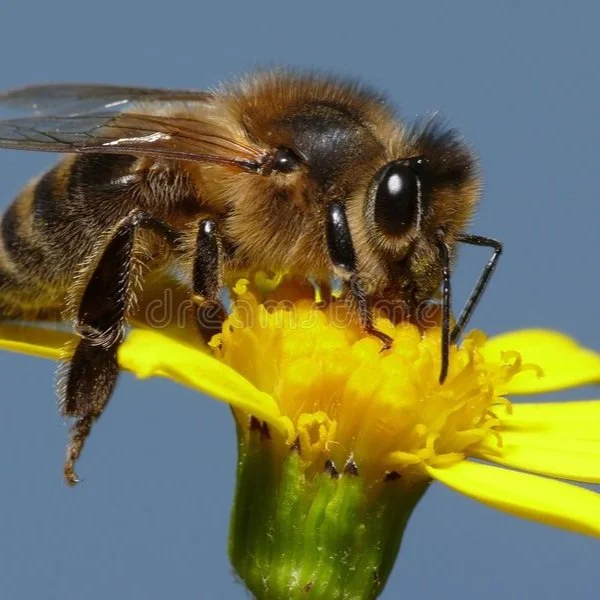
Heart Of Louisiana: Bossier Bees

A lot of us would probably call the mosquito the state insect, but it’s actually the honey bee.

“This all started out as a fourth project of mine when I was in fifth grade,” said Billy Hummer.

That was 30 years ago. Now Billy Hummer and his bees produce 50 thousand pounds of honey a year.

“Each box we would figure is about 3.5 gallons, and a gallon is twelve pounds, so we’re looking at about 40 pounds of honey,” Hummer said.

Read More
don molino