Farmers Frustrated at Disaster Assistance in the Aftermath of Hurricane Laura
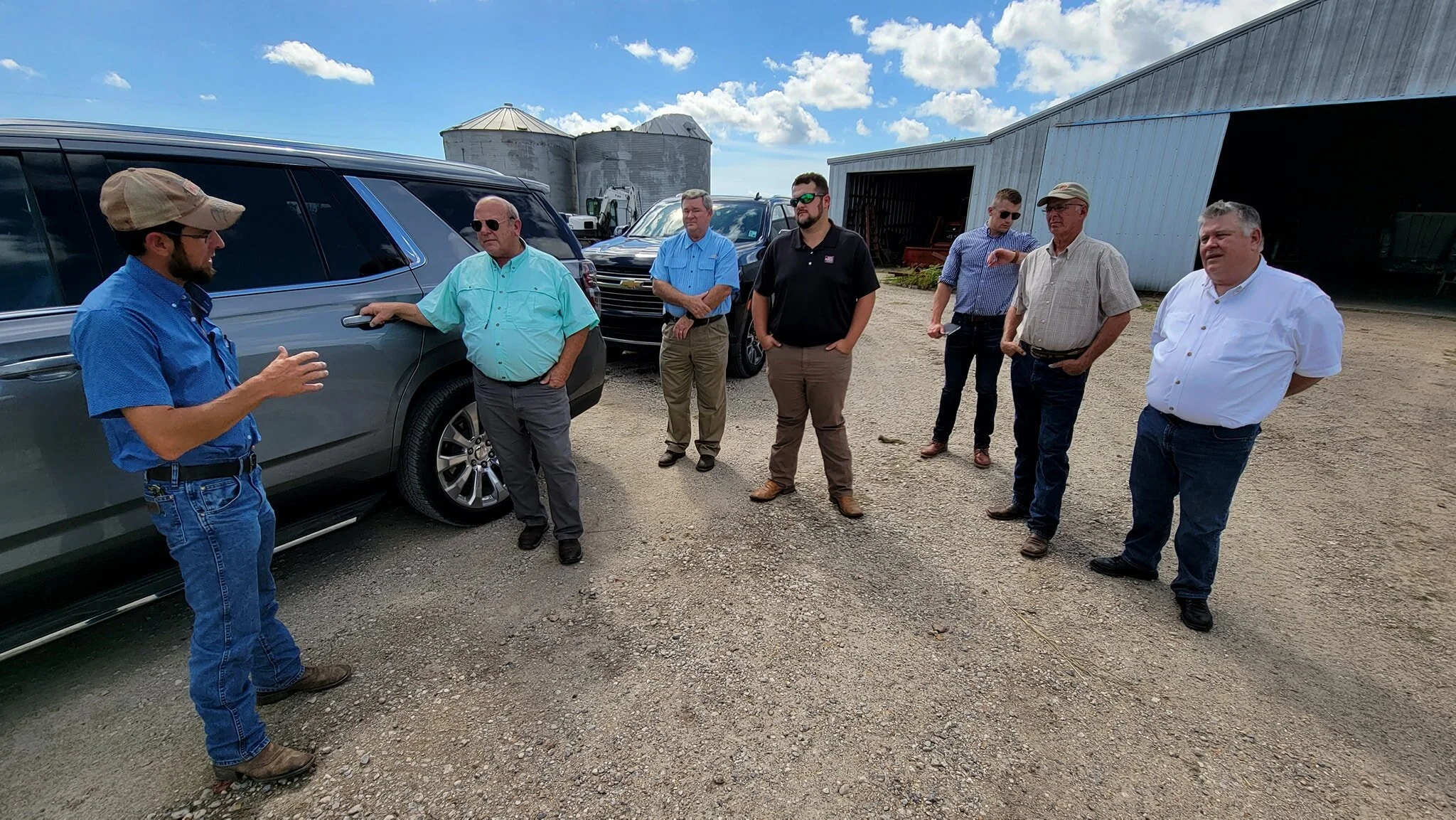
More than one year after Hurricane Laura caused more than $1.6-billion in damage to the state’s agriculture industry, some farmers say assistance has been inadequate.
“It’s very slow to get any type of aid in your pocket,” said farmer Brandon Vail. “It's not a cheap deal to rebuild and rebuilding is going to take several years.”
Read More
Army Corps Of Engineers Considers Nature-Based Flood Control
The U.S. Army Corps of Engineers is known for damming rivers and building levees to keep waterways at bay. But a new initiative seeks natural flood control solutions as climate change brings increasingly frequent and severe weather events that test the limits of concrete and steel.
Read More
How Hurricane Ida Hurt Farmers: Wrecked Barns, Ruined Crops, Thousands of Gallons of Lost Milk
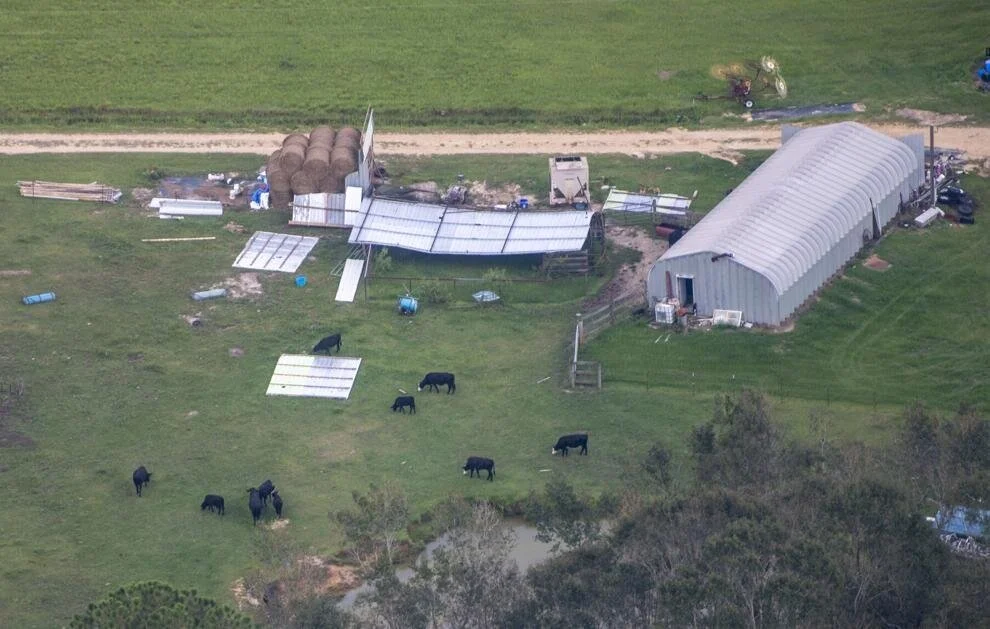
As Tangipahoa Parish residents sheltered in place as Hurricane Ida hit, Susie and Harrell Sharkey were fretting over their cows. The Sharkeys have been in the dairy farming business for more than 40 years — one of a dwindling number of milk providers in the state. Their 110 dairy cows need to be milked twice a day, and as the 2 a.m. feeding approached during the storm, a piece of their pump broke.
Read More
Report Says Hurricane Ida Damaged 118,000 Acres of Sugarcane Crops in Louisiana
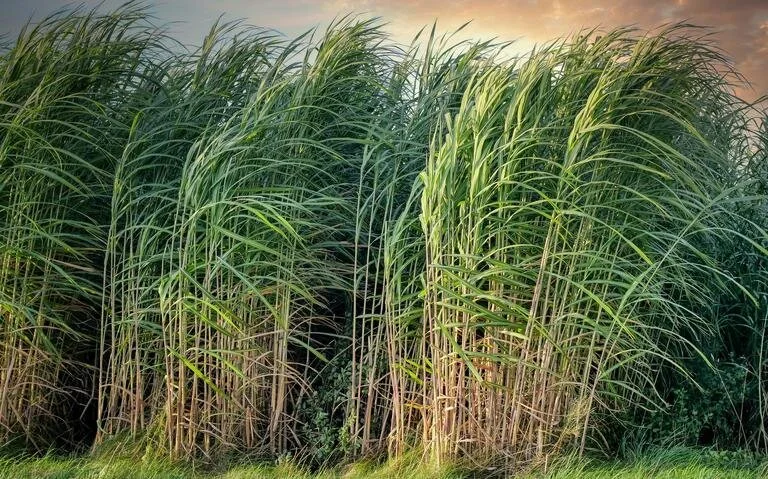
Hurricane Ida negatively impacted an estimated 118,000 acres of sugarcane crops in Louisiana, or about 26% of the crop that would be harvested for sugar production in the state, according to a preliminary report released on Tuesday, Sept. 14. The projection, produced by the Louisiana State University and the industry group Sugar League, says that the area hit by the storm will have agricultural yield losses ranging from 16% to as high as 29%. Louisiana is the second largest sugarcane producing state in the United States after Florida. Sugar produced from cane accounts for roughly 43% of the total sugar produced in the country, with the rest coming from sugar beet processing, according to the U.S. Department of Agriculture.
Read More
Hurricane Ida: Direct Agricultural Impacts and Larger Implications of Flooding
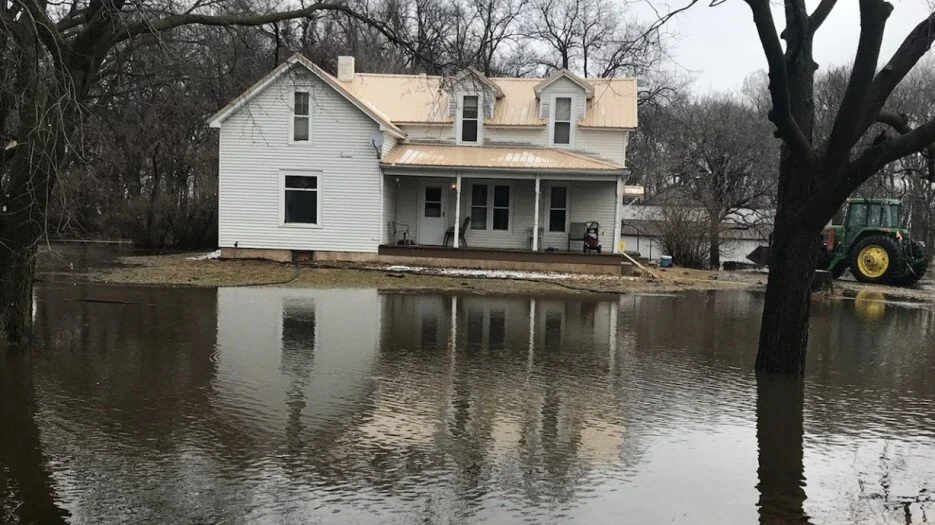
Hurricane Ida marked the fourth hurricane of the 2021 Atlantic season. Tied in Louisiana landfall intensity with the Last Island Hurricane of 1856 and 2020's Hurricane Laura , Ida touched down on Aug. 26 at 1 p.m. near Port Fourchon as a category 4 hurricane with sustained winds over 150 mph. The storm continued its trajectory on a northeast path toward New England, leaving behind a trail of flooding and severe wind damage. Ida not only threatened crop yields due to direct physical destruction and grain shipments due to port closures, the storm caused widespread infrastructure damage and power outages. Food crops exposed to but not destroyed by flood waters may face mandatory disposal or diversion per the Food and Drug Administration’s (FDA) flood-affected food crop guidance - reducing farm-level production and corresponding income opportunities.
Read More
Louisiana Grain Terminal Reopens After Hurricane Ida as Nicholas Rains Arrive
Another grain export terminal near Louisiana's Gulf Coast shuttered for two weeks by Hurricane Ida restarted operations this week even as heavy rains from Tropical Storm Nicholas battered the region on Tuesday.
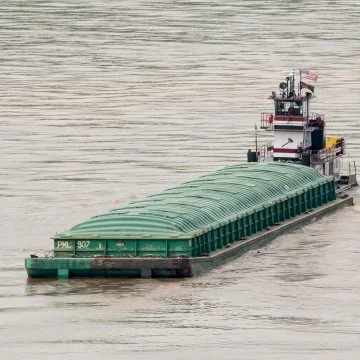
Global grain trader Cargill Inc said it had reopened its Westwego, Louisiana, grain export terminal and on Monday unloaded its first grain barge since Ida came ashore on Aug. 29 and crippled shipments from the busiest U.S. grain export hub.
Cargill is the latest major grain trader to revive export operations after Ida devastated the region's power grid and damaged some of the nearly dozen grain terminals dotted along the Mississippi River from Baton Rouge to the Gulf of Mexico.
Read More
‘A War Zone’: Louisiana Lieutenant Governor Discusses Post-Ida Recovery in Lower Plaquemines Parish
Louisiana's lieutenant governor looked out at the storm-rattled landscape outside his Plaquemines Parish home. He counted how many neighbors plan to leave after Hurricane Ida struck the region two weeks ago.
"I've had seven of my neighbors call and say that's it, and they're not coming back," Lt. Gov. Billy Nungesser told WDSU Sunday. "This looks like a war zone."
Read More
Tropical Storm Nicholas Threatens Gulf Coast With Heavy Rain
Tropical Storm Nicholas was moving up the Gulf Coast on Monday, threatening to bring heavy rain and floods to coastal areas of Texas, Mexico and storm-battered Louisiana.
Forecasters at the National Hurricane Center in Miami said Nicholas was strengthening, churning up top winds of 60 mph (95 kph). It was traveling north-northwest at 14 mph (22 kph) on a forecast track to pass near the South Texas coast later Monday, then move onshore along the coast of south or central Texas by Monday evening.
Read More
Asian Crop Importers Brace For Delays After Hurricane Ida Hits U.S. Export Hub
Asia's grain and oilseed buyers are set to face shipping delays of at least one month after Hurricane Ida damaged key export terminals around the U.S. Gulf Coast, two traders and one miller said. The slowdown in supplies is likely to stoke food inflation fears for price-sensitive consumers in Asia, where many importers have already drawn down crop inventories after having been forced to curb purchases amid volatile crop prices and COVID-related supply disruptions this year.
Read More
Hay on the Way to Cattle Stranded by Ida; Here’s How to Help
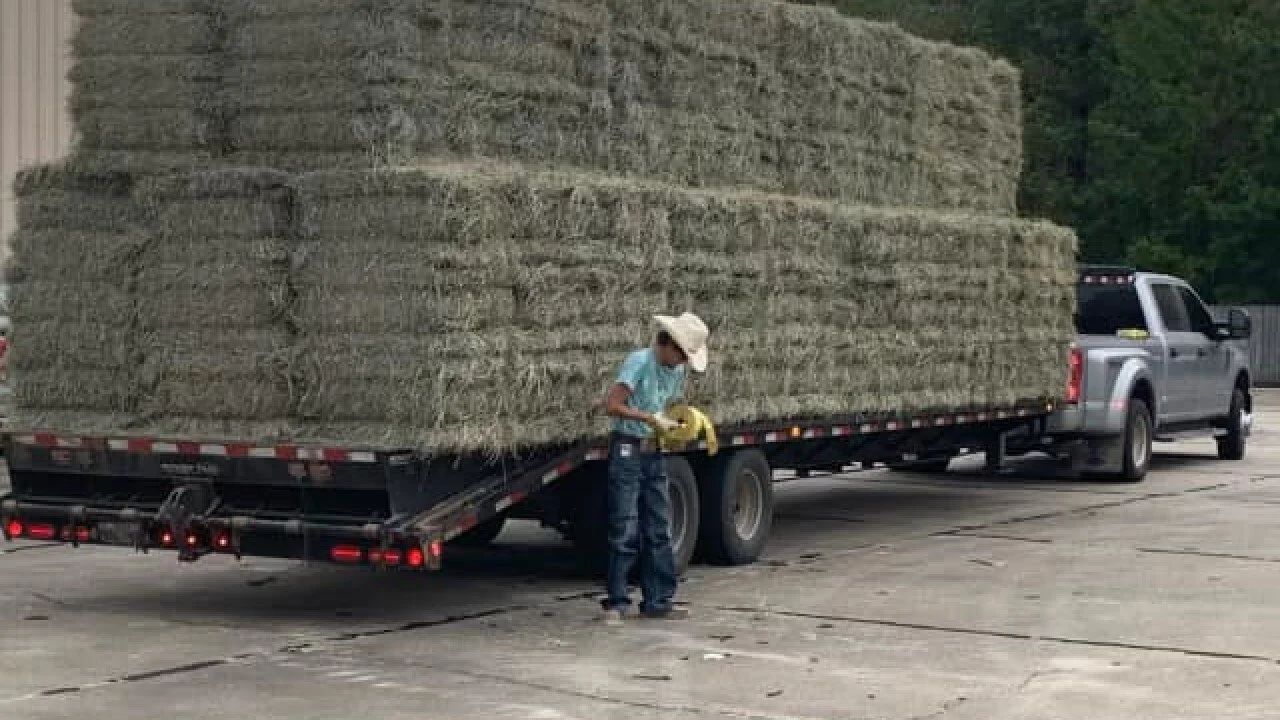
Bales of hay are headed to Plaquemines Parish to help cattle and horses impacted by Hurricane Ida.
The Louisiana Department of Agriculture and Forestry says that the hay will be used to feed cattle and horses stranded following the storm.
LDAF says the delivery was made possible thanks to their partners at the Louisiana Farm Bureau Federation, Louisiana Cattlemen's Association, the LSU AgCenter, Louisiana Veterinary Medical Association Equine Committee, Texas Equine Veterinary Association, Texas A&M Veterinary Association and The Foundation for the Horse.
Read More
White House Proposes Long-Sought Relief for Southwest Louisiana Over 2020 Disasters
The White House on Tuesday issued a long-sought request for relief for southwest Louisiana more than a year after Hurricane Laura, providing hope that funding will soon arrive for faltering rebuilding efforts in a region devastated by four natural disasters and which has grown desperate in its pleas for help.
The announcement was greeted with cautious joy by the region’s political leaders who have spent months trying to draw attention to southwest Louisiana’s needs following not only Laura, but also Hurricane Delta six weeks later, an unusually harsh winter storm in February and flooding in May. While the request was long overdue for the region, it nonetheless marks major progress in their campaign.
Read More
Maryland Farms Come Together to Help Families Affected by Hurricane Ida
Help is on the way for families affected by Hurricane Ida.
“When Hurricane Ida hit down in Louisiana, we wanted to help,” said Jenn Gillispie with First Fruit Farms.
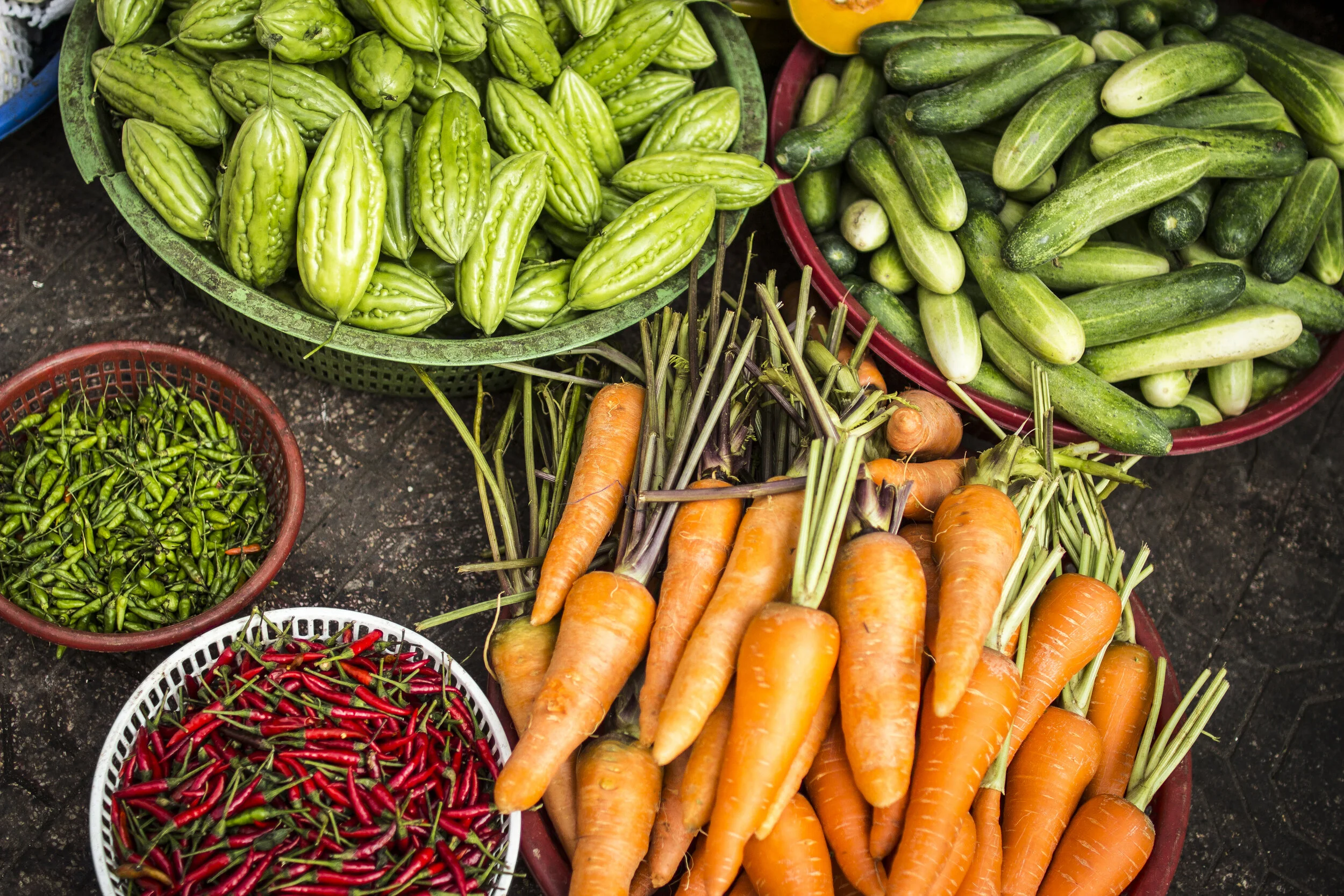
Over two dozen Maryland farms came together to donate more than 100,000 pounds of food.
“Everybody in farming, we always been about helping people in need,” Joe Barten-Felder, who is the Secretary of Agriculture and farmer.
First Fruit Farms in Freeland helped organize the effort. It’s a non-profit that donates all its food grown at the farm for disaster and hunger relief.
Read More
Gas Shortage Continues to Frustrate Louisiana Amid Heat Wave, but Bits of Progress Being Made
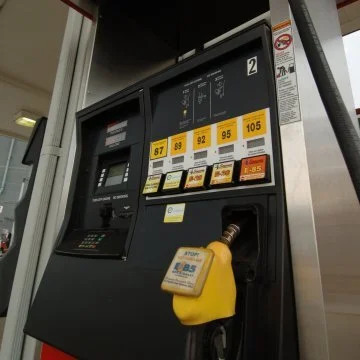
Though lines at the pumps remain stubbornly long amid a pitiless heatwave, Louisiana is finally taking baby steps toward alleviating the ongoing fuel shortage that arrived with Hurricane Ida.
Some of the state’s 16 refineries have in recent days resumed distributing fuel after gaining at least limited power. The state has sent fuel tankers across the hard-hit southeast part of the state to make sure government generators, cop cars and fire trucks remain full. Meanwhile, power companies on Friday continued to slowly but steadily turn on the lights, alleviating some of the pressure on the gas supply from generators powering homes.
Read More
Coast Guard Opens Lower Mississippi River to all Vessel Traffic
On Sept. 4, the U.S. Coast Guard (USCG) reported that Coast Guard captain-of-the-port, New Orleans, Capt. Will Watson has opened the Lower Mississippi River to all vessel traffic in New Orleans and key ports throughout Southeast Louisiana Friday following Hurricane Ida.
After the successful removal of several power lines obstructing the waterway due to a downed transmission tower near mile marker 106.5 and a survey of the ship channel in key areas of concern, the waterway has been deemed open for all marine traffic, noted the news release.
Read More
U.S. Offshore Oil Output Lags as Louisiana Refiners Restart After Ida
Damages to oil production facilities in the U.S. Gulf of Mexico on Sunday kept output largely halted a week after Hurricane Ida made landfall, according to offshore regulator the Bureau of Safety and Environmental Enforcement (BSEE).
Energy companies have been coping with damaged platforms and onshore power outages and logistical issues, slowing efforts to restart production. Some 88% of crude oil output and 83% of natural gas production remained suspended. Climate change is fueling deadly and disastrous weather across the globe, including stronger and more damaging hurricanes.
About 1.6 million barrels of crude oil remained offline, with only about 100,000 barrels added since Saturday. Another 1.8 billion cubic feet per day of natural gas output also was shut in, the regulator said.
Read More