USDA Extends Supplemental Disaster Relief Program Application Deadline
The U.S. Department of Agriculture (USDA) is extending the deadline for farmers to apply for Stages 1 and 2 of the Supplemental Disaster Relief Program (SDRP) to Sept. 30, 2026. Additionally, USDA’s Farm Service Agency (FSA) is providing greater flexibility for farmers who experienced quality losses on eligible crops.
Read More
USDA Reminds Producers of Fall Crop Insurance Deadlines
The U.S. Department of Agriculture is reminding farmers that deadlines to purchase or make changes to crop insurance coverage for fall-planted crops are approaching. The next major sales closing dates are September 1 and September 30, although deadlines vary by crop and location.
Read More
Food for Peace Ship Loaded with Rice in Louisiana
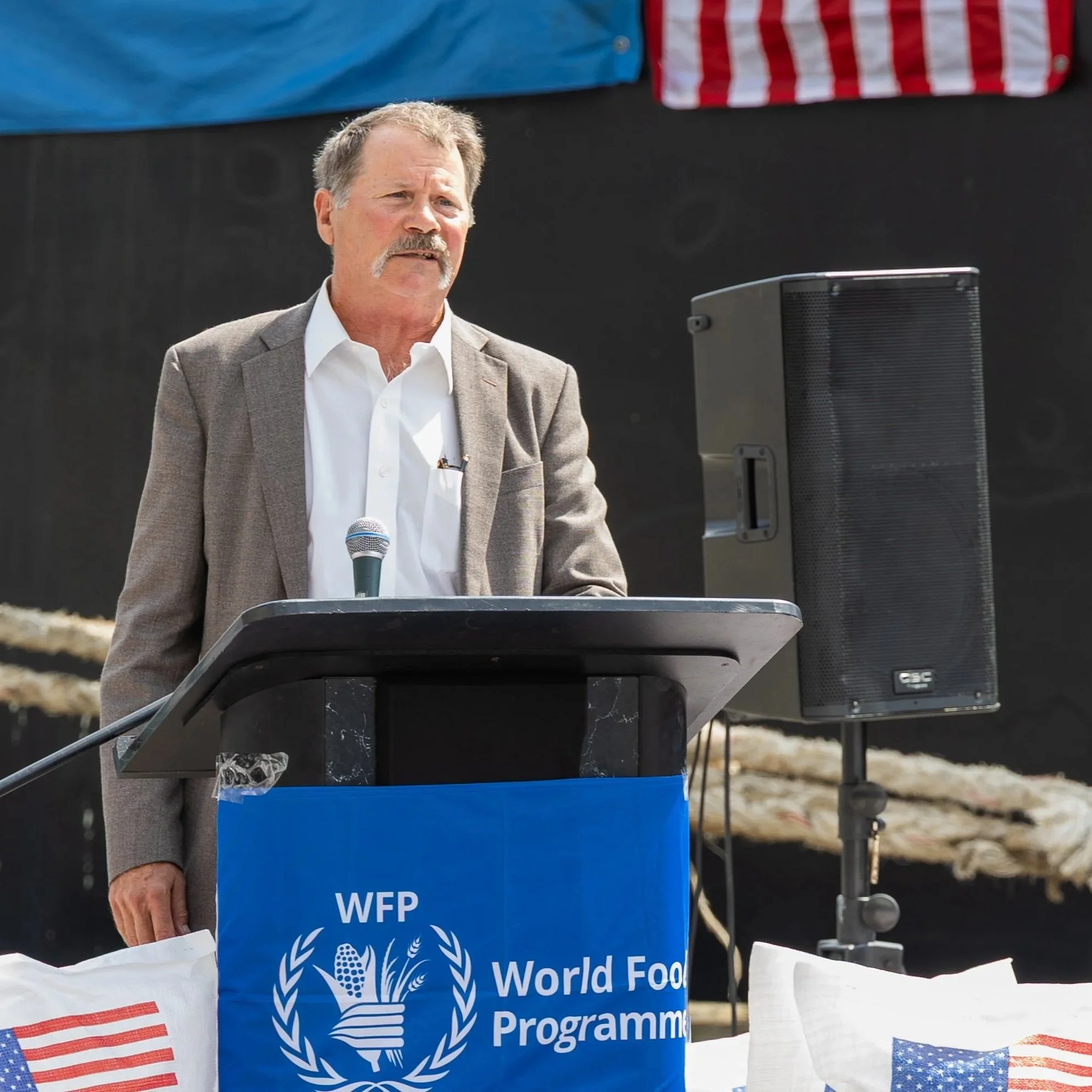
A broad cross-section of farm, labor, maritime, and government officials met at the Port of New Orleans to celebrate the latest U.S. donation of rice and wheat through the Food for Peace Program.
For more than 72 years, the Food for Peace program has delivered American-grown commodities like rice, wheat, and sorghum to people facing hunger across the globe for humanitarian reasons and as part of the United States’ exercising of soft power.
Read More
Secretary Rollins Announces New Steps to Put Farmers First While at Minnesota Farmfest
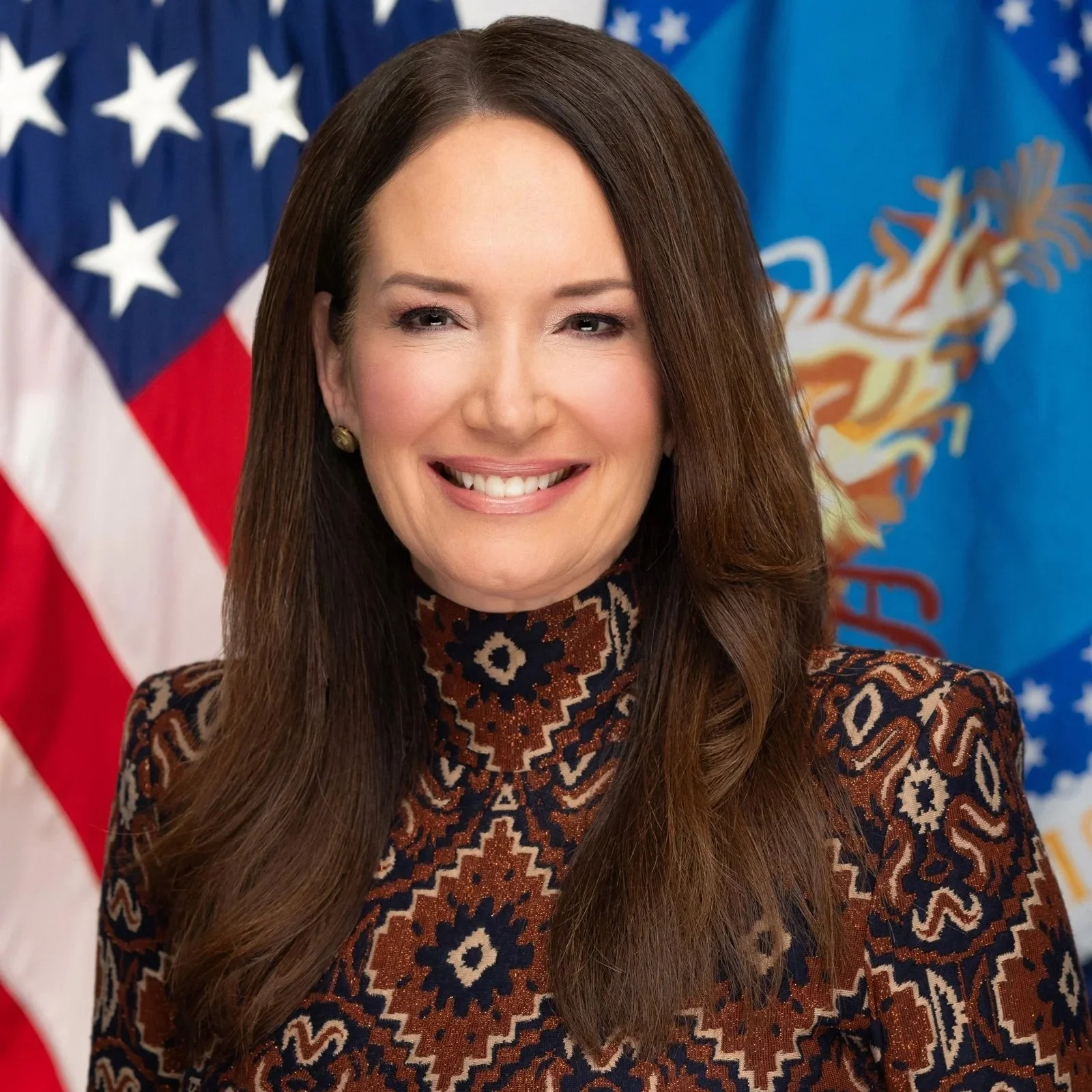
Today, at Minnesota Farmfest, U.S. Secretary of Agriculture Brooke L. Rollins announced several steps that the U.S. Department of Agriculture (USDA) is taking to support America’s farmers in response to ongoing challenges across the agricultural sector. These actions include a series of data modernization, payment flexibility, and enhanced crop insurance options to benefit farmers.
Read More
USDA Gives Farmers Until Aug. 31 to Review and Dispute New Base Acre Assignments
Farmers and landowners have until August 31 to review and, if necessary, dispute newly assigned base acres on their operations following the recent expansion of the farm safety net.
Read More
USDA Clarifies Wetland Determinations to Provide Certainty to Farmers
The U.S. Department of Agriculture (USDA) is putting farmers first and supporting government accountability by providing clear guidance around wetland determinations, which helps inform agricultural producers’ decisions for their operations. USDA’s Natural Resources Conservation Service (NRCS) published an interim final rule that ensures most determinations made since 1990 are considered certified, and producers can rely on the determinations to work farmland.
Read More
USDA Announces August 2026 Lending Rates For Agricultural Producers
The U.S. Department of Agriculture (USDA) announced loan interest rates for August 2026, which are effective August 1, 2026. USDA Farm Service Agency (FSA) loans provide important access to capital to help agricultural producers start or expand their farming operation, purchase equipment and storage structures or meet cash flow needs.
Read More
USDA Launches Initiative To Recruit Veterans, Transitioning Service Members, And Military Spouses
U.S. Secretary of Agriculture Brooke L. Rollins announced a new U.S. Department of Agriculture (USDA) initiative to recruit veterans, transitioning service members, and military spouses into mission-critical careers that protect America’s food supply, strengthen rural communities, and defend the nation’s agricultural security.
Read More
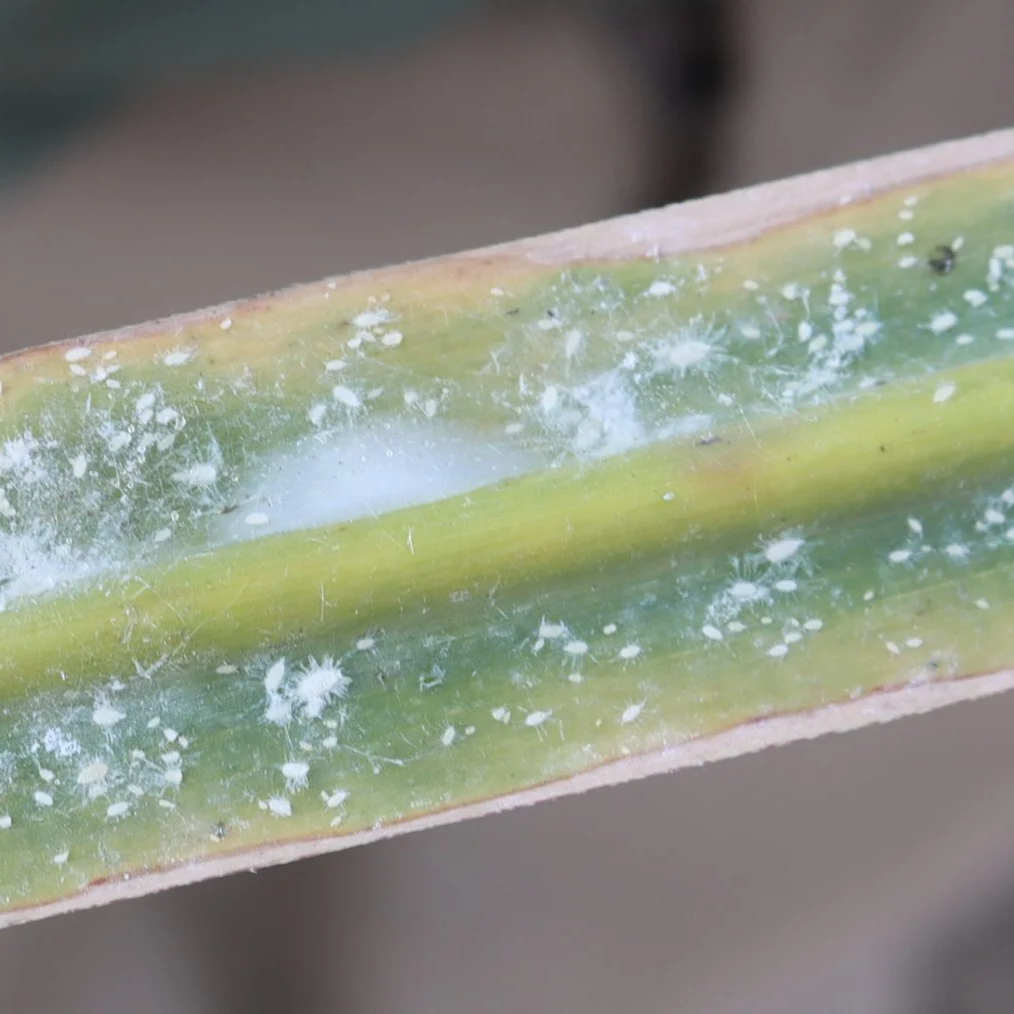
Pasture Mealybug Update: August 2, 2026
Almost across the board this past week, we were still seeing mostly (and many) young nymphs and few adults.
A new insecticide test just put out (7/31) on last year’s infested cane comparing imidacloprid impregnated potash, soil treatments, and foliar treatments. This field has previously been treated this year, but yellowing has increased dramatically in the past few weeks.
Read More
USDA Announces Phased Reopening of Southern Ports for Livestock Trade
The U.S. Department of Agriculture (USDA) is announcing a coordinated, phased reopening of southern cattle ports, contingent on Mexico’s adherence to the Joint Action Plan. Beginning August 24, 2026, USDA will open the Douglas, AZ port of entry to cattle trade, while simultaneously initiating the operational steps necessary for subsequent openings at the Santa Teresa, NM, and Columbus, NM, ports. Every animal entering the United States through these ports will undergo a full USDA inspection to ensure it is free of any signs of New World screwworm (NWS).
Read More
Tropical Storm Arthur Causes Estimated $112 Million in Losses for Louisiana Farmers
Louisiana farmers suffered an estimated $112 million loss as a result of Tropical Storm Arthur last month. Avoyelles, St. Landry and Rapides Parishes accounted for 90% of total losses. Agriculture Commissioner Mike Strain says Avoyelles received 29 inches of rain in less than 24 hours.
Read More
Higgins Works with Louisiana Farm Bureau to Modernize USDA Program
Congressman Clay Higgins (R-LA) introduced H.R. 9781, the Defend American Agriculture Act, legislation that raises the borrowing authority of the U.S. Department of Agriculture’s (USDA) Commodity Credit Corporation (CCC) from $30 billion to $45 billion through September 2031.
Read More
USDA Announces $35 Million To Combat Feral Swine On American Agricultural Lands
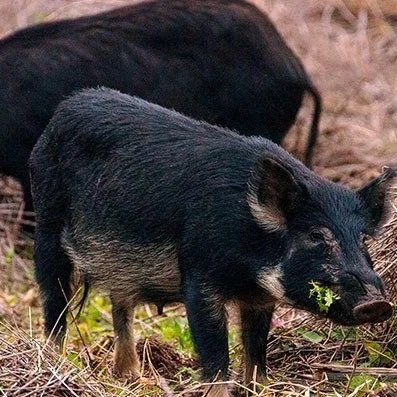
The U.S. Department of Agriculture (USDA) is making available $35 million for partnerships to respond to the threat feral swine pose to American agriculture, landscapes and human and livestock health. This partnership opportunity is part of a broader $105 million investment for the Feral Swine Eradication and Control Pilot Program, where USDA’s Natural Resources Conservation Service (NRCS) and USDA’s Animal and Plant Health Inspection Service (APHIS) are working together to target feral swine.
Read More
USDA Asks Partners to Develop AI Solutions to Accelerate Crop Innovation
The U.S. Department of Agriculture (USDA) is taking steps to speed up progress in plant science by calling on universities and stakeholders to help build new AI tools that can translate the huge amount of germplasm data the agency collects.
Through the Genesis Mission and the Agriculture Advanced Research and Development Authority (AgARDA), USDA is expected to launch an Agricultural National Science & Technology Challenge later this year.
Read More
Rollins Pushes for $11 Billion in Farm Aid as Congress Weighs Trade and Input Costs
Agriculture Secretary Brooke Rollins is urging Congress to approve more than $11 billion in additional farm assistance, telling lawmakers many producers continue to struggle with high input costs despite efforts to improve the farm economy.
Testifying before the Senate Appropriations Committee, Rollins says the Trump administration is pursuing both short-term financial relief and long-term strategies to reduce production costs, including expanding domestic fertilizer manufacturing.
Read More