USDA Wants to End Farm Labor Survey
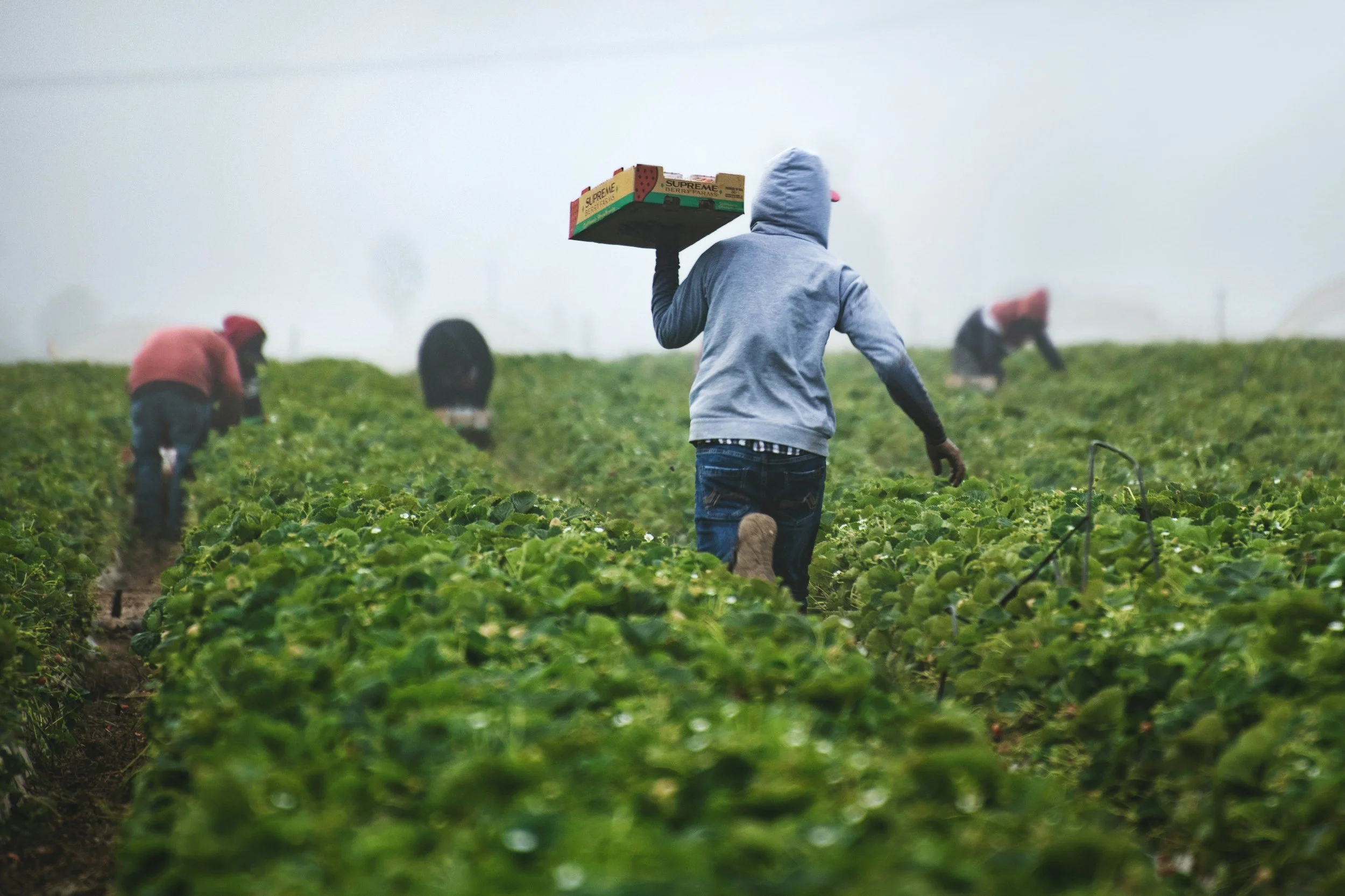
The Trump administration last week moved to disrupt how wages are set for temporary guest workers on farms.
Groups representing farm employers are praising the moves, which they say will provide labor relief to farmers, though groups representing farm workers will likely challenge the decisions in court.
Read More
USDA Announces September '25 Lending Rates For Ag Producers
The U.S. Department of Agriculture (USDA) announced loan interest rates for September 2025, which are effective Sept. 1, 2025. USDA Farm Service Agency (FSA) loans provide important access to capital to help agricultural producers start or expand their farming operation, purchase equipment and storage structures or meet cash flow needs.
Read More
12 States Report Soybeans Dropping Leaves
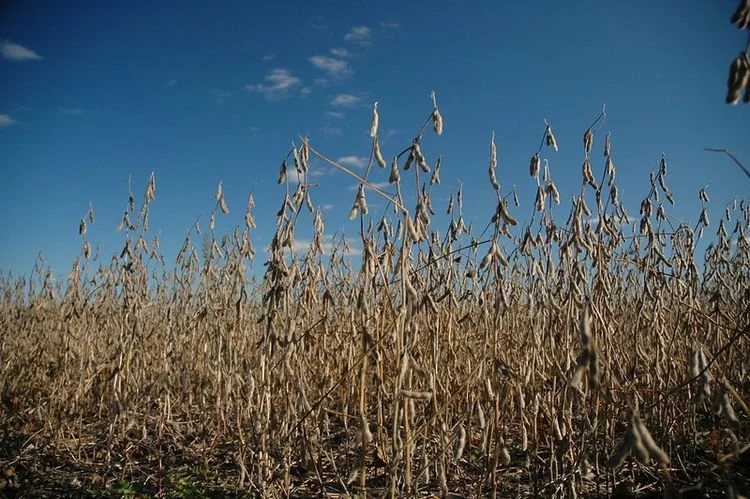
In the USDA Crop Progress report released on Aug. 25, 12 states reported soybeans dropping leaves. Here’s a closer look at the 12 states that reported for that crop growth stage.
Read More
USDA Youth Loans
FSA makes loans to individual young persons to start and operate income-producing projects of modest size in connection with their participation in 4-H clubs, FFA, a Tribal youth group, or similar agricultural youth organization. The project being financed with an FSA Youth Loan needs to provide an opportunity for the young person to acquire experience and education in agriculture-related skills.
Read More
Louisiana Crop Condition as of August 24
According to the latest information from USDA’s National Agricultural Statistics Service, 99 percent of the Louisiana soybean crop was setting pods as of last Sunday, compared to 97 percent this same time last week. Leaves were dropping on 58 percent of the beans. The crop reported at one percent poor, seven percent fair, 82 percent good and 10 percent excellent.
Read More
Federal Emergency Management Agency Designates 39 Counties in Arkansas as Natural Disaster Areas Due to Severe Storms, Tornadoes, and Flooding, Three La. Parishes Eligible
This Presidential disaster declaration allows the United States Department of Agriculture (USDA) Farm Service Agency (FSA) to extend much-needed emergency credit to producers recovering from natural disasters through emergency loans. Emergency loans can be used to meet various recovery needs including the replacement of essential items such as equipment or livestock, reorganization of a farming operation, or to refinance certain debts. FSA will review the loans based on the extent of losses, security available, and repayment ability.
Contiguous Louisiana Parishes: Bossier, Caddo, and Webster
Read More
USDA Forest Service Invests in Four Projects to Restore State and Private Forests Across the South
The U.S. Department of Agriculture’s Forest Service announced it is investing more than $2.1 million in four projects across nine states in the Southern Region to restore state and private forestlands. These investments directly support the agency’s efforts to reduce wildfire risk, increase timber production, and expand rural economies, while providing critical support to landowners across management jurisdictions as they work to promote healthy, productive forests that benefit rural communities.
The investments, totaling more than $7 million nationwide, are being delivered as competitive grants through the Landscape Scale Restoration program. Of the total funding, $600,000 will support two projects for federally recognized tribes.
Read More
USDA Delivers on President Trump’s Promise to Put American Farmers First with Enhanced Crop Insurance Benefits Following Passage of One Big Beautiful Bill Act
The U.S. Department of Agriculture’s Risk Management Agency (RMA) announced the rapid implementation of significant enhancements to federal crop insurance programs following the enactment of the One Big Beautiful Bill Act (OBBBA) on July 4, 2025. In record time, RMA has delivered these transformative changes, demonstrating the Trump Administration’s unwavering commitment to putting American farmers first by expanding benefits for beginning farmers and ranchers, increasing coverage options, and making crop insurance more affordable and accessible across multiple insurance programs.
Read More
Secretary Rollins Blocks Taxpayer Dollars For Solar Panels On Prime Farmland
U.S. Secretary of Agriculture Brooke L. Rollins alongside Tennessee Governor Bill Lee, Senator Marsha Blackburn, Senator Bill Hagerty, Representative John Rose, and U.S. Department of Agriculture (USDA) Deputy Secretary Stephen Vaden, announced USDA will no longer fund taxpayer dollars for solar panels on productive farmland or allow solar panels manufactured by foreign adversaries to be used in USDA projects. Subsidized solar farms have made it more difficult for farmers to access farmland by making it more expensive and less available. Within the last 30 years, Tennessee alone has lost over 1.2 million acres of farmland and is expected to lose 2 million acres by 2027. This problem is not just in Tennessee, since 2012, solar panels on farmland nationwide have increased by nearly 50%. That is why the Department is taking action.
Read More
Which States Won and Lost in the Latest USDA Crop Progress Report?
Based on the most recent condition ratings for corn and soybeans reported by USDA, there are clear “winners,” or states with the highest rated crops, and “losers,” or states with the lowest rated crops.
Three top soybean-growing states reported that more than 80% of their crop was in good or excellent shape, but one of them dominated. USDA reported that 92% of Louisiana’s soybean crop was in good/excellent condition.
Read More
Regular Maintenance Requirements for All CRP Contracts
The Conservation Reserve Program (CRP) is a program administered by the Farm Service Agency (FSA) to conserve farmland for future generations while providing habitat for wildlife, reducing soil erosion, and improving water quality. Regular maintenance on CRP acres is needed to ensure the acreage continues to provide conservation benefits and remains in compliance with the CRP contract.
Read More
Louisiana Crop Conditions As Of August 10
According to USDA’s National Agricultural Statistics Service, as of last Sunday all of the Louisiana soybean crop was blooming, which is also the five year average for this time of year. 94-percent was setting pods, same for the five year average. That crop was rated 8 percent fair, 90 percent good and two percent excellent.
Read More
Louisiana Conservation & Commodity Updates: July 2025
From 2018 – 2022, U.S. farms where most of the ownership lies outside the producer’s household or relatives (nonfamily farms) operate more land than family farms, across all production scales (small, medium, or large). Nonfamily farm operations accounted for 13.4% of total production value during that period even though they make up only 2% of farms in the US.
Read More
Myth Busting For Beginning Farmer & Rancher (BFR)
Myth: I am too old to be considered a beginning farmer or rancher. False—In fact, there is no age limit or age requirement to be considered a beginning farmer!
• According to the 2022 Census of Agriculture, 61% of beginning farmers and ranchers are between the ages of 35 – 64 with an average age of 47.
Read More
Supplemental Disaster Relief Program (SDRP)
The American Relief Act, 2025, provides disaster relief payments to producers who suffered revenue, quality or production losses to crops, trees, bushes, or vines due to qualifying disaster events in calendar years 2023 and 2024.
The Supplemental Disaster Relief Program (SDRP) will be administered in two stages. Producers can receive payments in both stages, if applicable, and for one or both years, depending on losses.
Read More