Increased Farm Costs Highlighted at USDA Forum
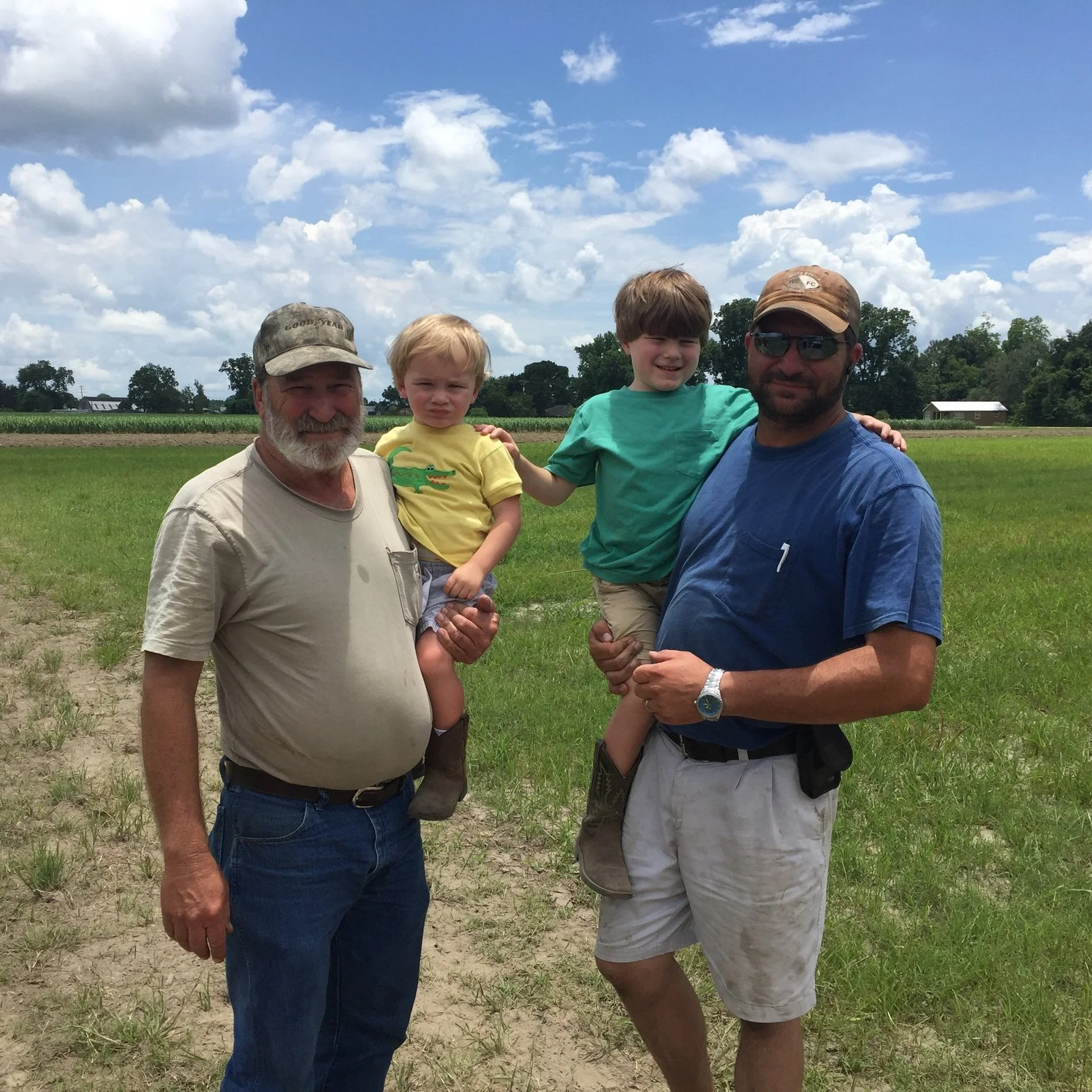
Minnesota sugarbeet farmer Neil Rockstad recalled a kitchen table conversation with his wife while speaking at the 101st annual Agricultural Outlook Forum.
Both Neil and Louisiana sugarcane grower Travis Medine presented as part of the sugar panel at the forum. They observed that labor and machinery were among the highest costs in their farm budgets.
Read More
A Tale Of Two Freezes: The Impact Of Snow And Frigid Temps On The '25 Sugarcane Crop
Louisiana’s sugarcane farmers are once again assessing the impact of extreme winter weather on their fields. The most recent freeze, which brought frigid temperatures but no snowfall, raised concerns about potential damage to the 2025 crop. Unlike the historic snowstorm in early January, which provided an insulating layer of protection, this latest cold snap arrived with only rain, leaving crops without nature’s protective blanket.
Read More
A Lifetime in Sugarcane: Kenneth Gravois Honored With Prestigious Chair
Kenneth Gravois grew up on a sugarcane farm and has spent most of his career working with this unique crop. His dedication to the sugarcane industry and years spent improving sugarcane varieties has led to the LSU AgCenter naming Gravois to the American Sugar Cane League Chair in Sugar Production.
Read More
Sugarcane Farmers Brace for Cold Snap in Critical Growing Season
As sugarcane enters its growing season, inconsistent temperatures pose potential risks for its development. Stuart Gauthier, a county agent with the LSU Ag Center, explains that this time of year is crucial for the crop's growth. "This is the time of year where we need the cane to start growing. Usually, when you get to the end of February, we start making our crop for the next year and getting some green shoots that are hopefully able to make those stalks," Gauthier said.
Read More
Honoring History: Fifth-generation Black Farmer Reflects on Family’s Legacy
The gentle hum of machinery and chirping of birds fill the air over a sprawling sugarcane field in Youngsville, Louisiana. For Eddie Lewis III, these sounds are a constant reminder of the long-standing legacy of his family’s farm, where generations have worked the land.
Read More
Sugar 101: Meet Your Made-In-America Sweetener
It’s a new year and there’s a new Congress in town! It’s time for a refresher on how sugar is made in America. This is the first in our new series of Sugar Beat newsletters covering the basics of sweet – so stay tuned for more Sugar 101.
Read More
America’s Sugar Crop Farmers, Workers Urge Swift Senate Confirmation of Brooke Rollins
Following the Senate Agriculture Committee’s bipartisan vote to advance the nomination of Brooke Rollins as the next Secretary of the U.S. Department of Agriculture (USDA), the American Sugar Alliance issued the following statement on behalf of America’s sugarbeet and sugarcane farmers and workers.
Read More
Nationally Renowned Economist To Speak At Annual Louisiana Sugarcane Meeting
The American Sugar Cane League’s annual meeting on Tuesday, February 4 will feature guest speaker Dr. Robert Johansson, the director of economics and policy analysis for the American Sugar Alliance (ASA). The meeting will be held at L'Auberge Casino and Hotel in Baton Rouge. Registration begins at 8 a.m. and the speaker's program will begin at 10:30 a.m.
Read More
A Blanket of Snow Might Have Saved Louisiana’s Sugar Cane Crops From Catastrophic Freeze
Hugh Andre walked a small portion of his 10,000 acres of sugar cane in Iberia Parish. He crouched down and began digging away at the dirt and pulling up the remnants of older canes.
Read More
Louisiana Sugarcane Sets New Milestones in 2024, Fueled by Innovation & Research
On a mild winter’s day in Raceland, Louisiana, a dedicated group of researchers, agronomists and staff from The American Sugar Cane League, LSU AgCenter and Sugarcane Research Unit in Houma gathered to hear preliminary reports about the 2024 harvest, research projects and a forecast for the 2025 crop. Despite significant challenges, the presentations struck a mostly positive tone.
Read More
Extreme Cold, Unprecedented Snowfall Could Impact Specialty Crops, Livestock
In the last seven days alone, another winter storm and an arctic burst have worked their way across the United States — adding to a very active January of winter weather.
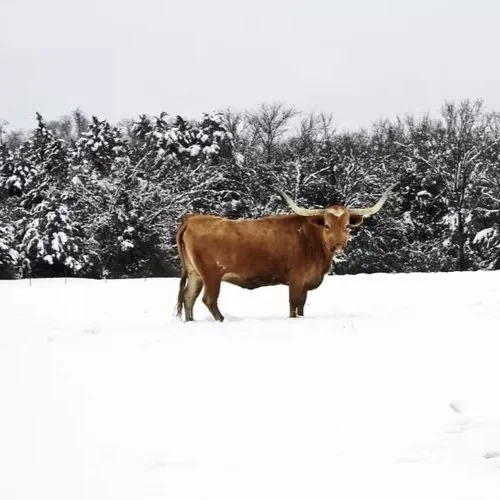
Parts of southeast Texas and Louisiana got over 6 inches of snow, while even Mississippi, Alabama, and northern Florida reported substantial snowfall on the ground.
Read More
Despite Falling Production Costs, Depressed Commodity Prices Likely to Keep Farm Margins Tight in 2025
As farmers begin making plans for the upcoming growing season, many are bracing for the likelihood of another year marked by tight margins.
“Production costs for 2025 are estimated to decrease for the second consecutive year, which is good news,” said LSU AgCenter economist Michael Deliberto.
Read More
Legacy of Leadership: Pete deGravelles′ Impact on Agriculture Lives On
Pete deGravelles’ legacy is deeply intertwined with agriculture, community service and leadership. Throughout his life, deGravelles had a strong commitment to nurturing future leaders, not only in the agricultural sector but for all organizations in which he was involved.
Two of his daughters, Renée DeMoss and Diane Trull, are honoring their late father by establishing the Pete deGravelles Ag Leadership Endowment to support the LSU AgCenter’s Ag Leadership Development Program.
Read More
Louisiana Crop Production: January 2025
Louisiana corn area harvested is 440,000, down 35 percent from 2023. The average yield is estimated at 185 bushels per acre, up 10 bushels from last year. Production totaled 81.4 million bushels, down 32 percent from 2023.
Upland cotton harvested acres is 148,000, up 29 percent from 2023. The yield is expected to average 1,070 pound.
Read More
USDA, USTR Announce Appointments to Seven Agricultural Trade Advisory Committees
U.S. Department of Agriculture Secretary Tom Vilsack and U.S. Trade Representative Katherine Tai announced the appointment or reappointment of 53 members to serve on seven agricultural trade advisory committees.
The advisory committee system was created by Congress in 1974 to ensure that U.S. agricultural stakeholders have input and insight into U.S. trade policy and negotiating objectives.
Read More