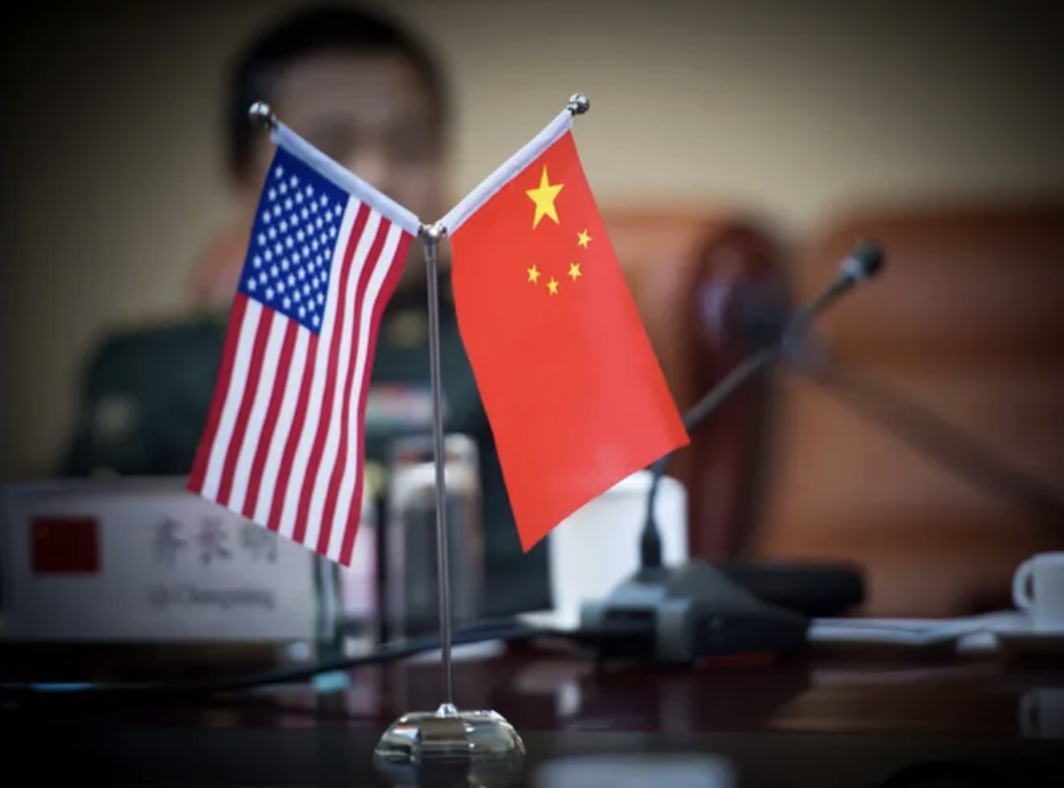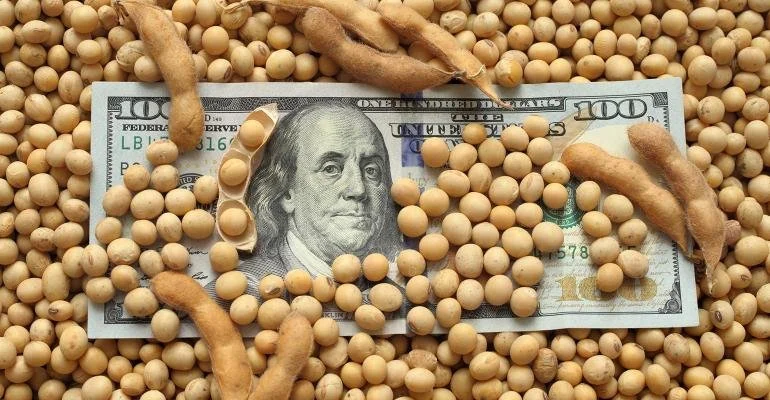
The soybean markets moved higher after President Trump posted on social media China might more buy more ag products, including 20 million tons of soybeans in the current marketing year.
Read More
The soybean markets moved higher after President Trump posted on social media China might more buy more ag products, including 20 million tons of soybeans in the current marketing year.
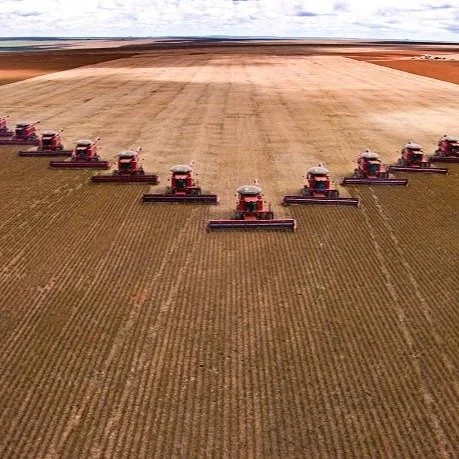
Read MorePrivate analysts raised forecasts for Brazil’s soybean crop as harvesting gained momentum and weather conditions remained largely favorable across major producing regions. Brazil is already the world’s largest soybean exporter. Reuters reported that consultancy StoneX increased its production estimate, citing strong yields in central and northern growing areas. Celeres also raised its outlook, pointing to improved field results despite isolated weather issues. According to Agriculture.com, the larger crop is expected to pressure global soybean prices and intensify competition with U.S. exports later this year. Traders say Brazil’s expanding supply could reshape trade flows, particularly to China, the world’s top soybean buyer.
Read MoreBloomberg's Hallie Gu reported that "China, the world's largest soybean importer, has ramped up orders for Brazilian cargoes of the oilseed after meeting an initial shipment volume from the US as part of a trade truce with Washington."
Read MoreChina has moved to diversify its sources of grains in recent years and has shifted to buying more Brazilian soybeans.
Read MoreChina has bought about 12 million metric tons of U.S. soybeans, fulfilling a U.S.-stated pledge to purchase that volume by the end of February, three traders told Reuters on Tuesday, after a late-October trade truce spurred buying.
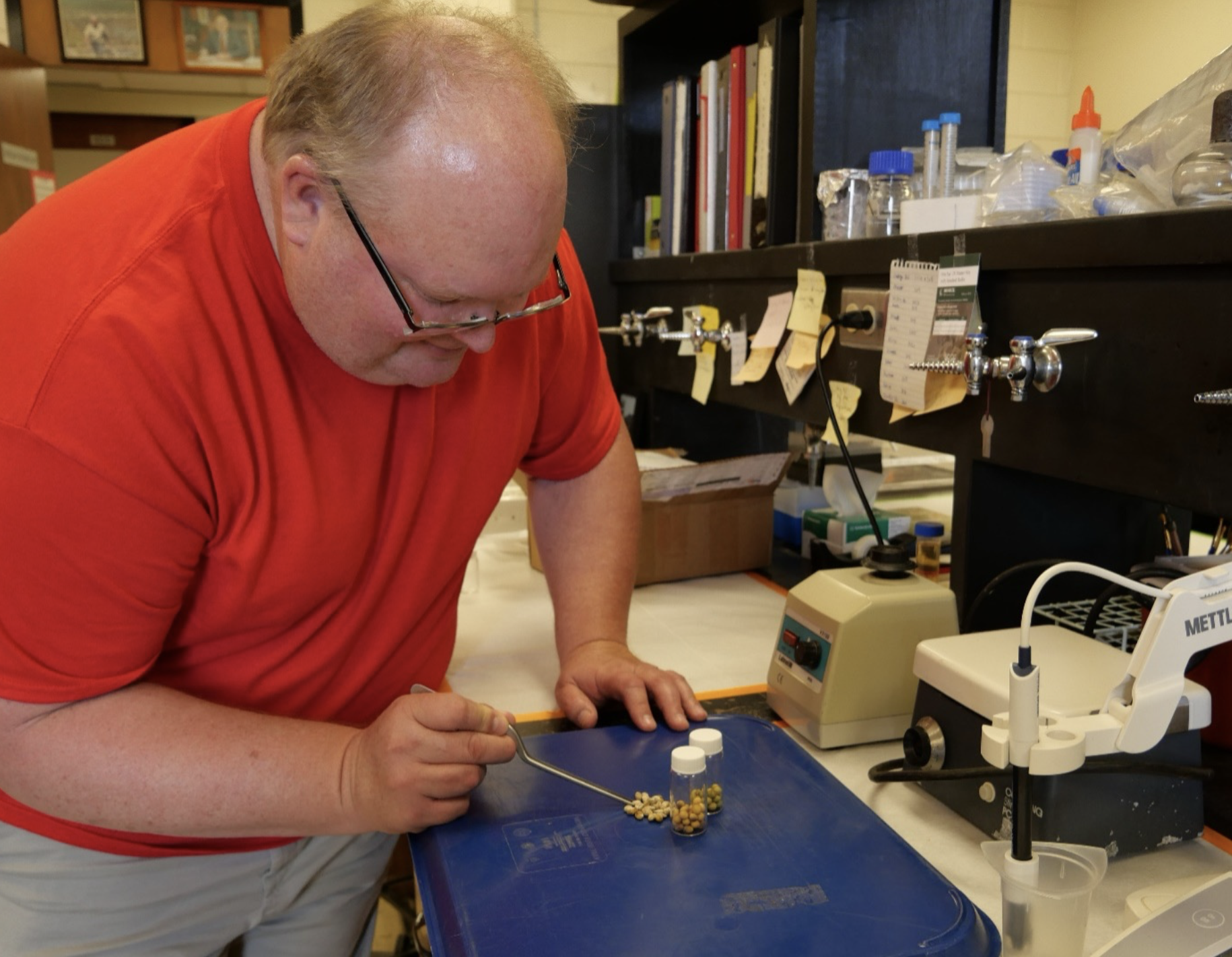
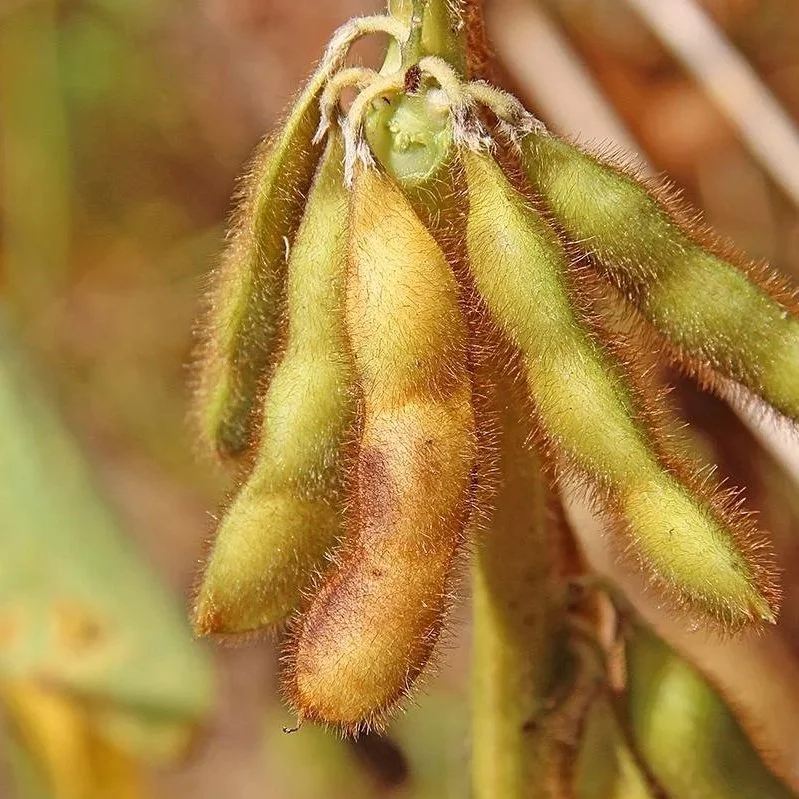
Read MoreLouisiana State University AgCenter entomologists are focusing on several fronts to protect soybean plants from insect pests, thanks to support from the Louisiana Soybean and Grain Research and Promotion Board.
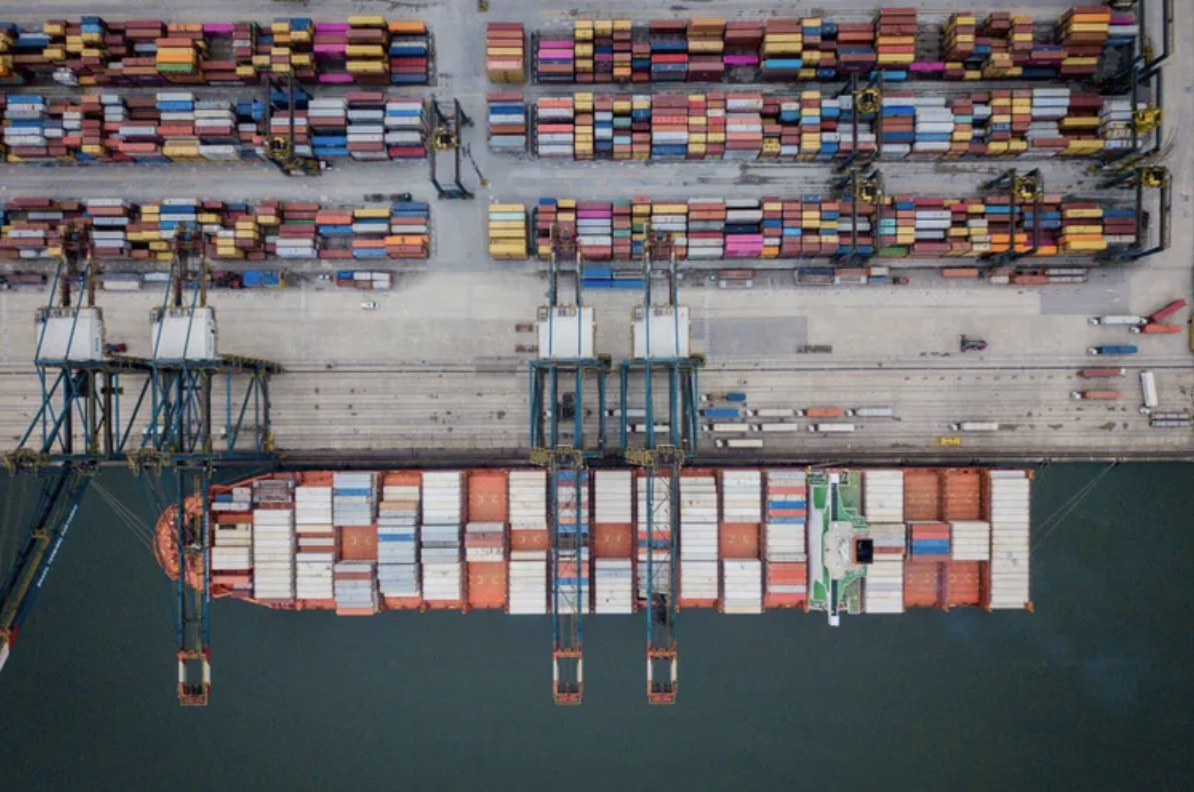
Read MoreFrom the docks of the Port of Santos, a 58-terminal complex covering an area the size of 1,500 American football fields, ships loaded with soybeans prepare to set sail for China.
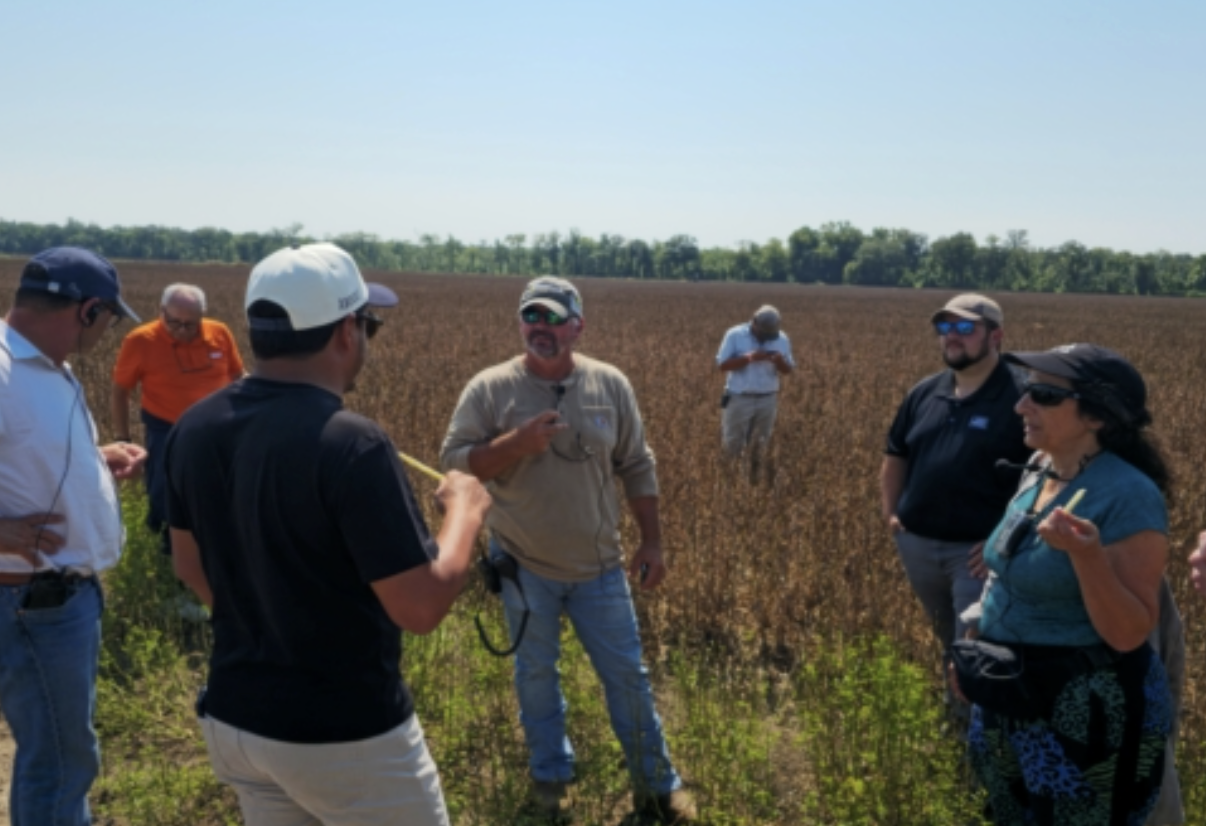
Read MoreThe U.S. Soybean Export Council (USSEC) constantly works towards building and strengthening relationships between U.S. Soy customers, value chain members and farmers. One of the most effective ways to do this is to literally make it possible for them to stand out in a U.S. soybean field together.
Read MoreEach year the LSU AgCenter tests both commercial and experimental soybean varieties entered in the state Official Variety Trials by private seed companies and university breeding programs. The LSU AgCenter also includes a reduced number of varieties in large-plot, on-farm demonstrations to increase the number of locations and environments in which varieties are evaluated. From these, a grower should choose several adapted to an individual farm. Information in the tables can help producers make these important decisions
Read MoreAn ag transportation specialist says low water conditions continue to impact the lower Mississippi River.
Read MoreA new analysis shows Louisiana farmers were among the hardest hit in the country as U.S. agricultural exports to China sharply declined in 2025.
Read MoreFarmer-leaders of the United Soybean Board (USB) elected Brent Gatton from Bremen, Ky., as the new chair during the organization’s December board meeting in St. Charles, Mo. He’s joined by nine newly elected farmer-leaders to serve alongside him on the Executive Committee for the upcoming year.
Read MoreTreasury Secretary Scott Bessent says China is making progress on its commitment to buy U.S. soybeans, hitting the “correct cadence,” with purchases expected to wrap by February 2026 — underscoring ongoing trade commitments and support for farmers.
Read MoreRow-crop producers across the South faced another difficult year in 2025. Weather challenges led to wide yield variability across much of the region. Even where yields were strong, low commodity prices and persistently high input costs kept margins tight, leaving many operations near or below breakeven for a third straight year. Shifts in acreage were common, with corn gaining ground at the expense of cotton and, in some areas, soybeans.
Read MoreAg Marketing IQ: Dry weather in Brazil threatens soybean yields and promotes U.S. export potential. If South American production falls, and China buys, the bulls will run the futures market—potentially to $17.
Read More