Managing Corn Earworm Infestations In Louisiana Soybean Fields
Recently, there have been increased reports of corn earworms infesting soybean fields across the state. Corn earworm (aka bollworm or soybean podworm) can cause occasional but severe damage to soybean. The primary damage caused by corn earworm occurs during the larval stages when the insect feeds on the soybean flowers and pods. This feeding activity leads to direct yield losses as pods abort, or the larvae consume or injure developing seeds.
Read More
Nematode Research Showing Progress In Finding Solutions
The reniform and Southern root-knot nematodes are the two most common nematodes found in Louisiana agricultural fields. These microscopic animals can cause big yield losses, and one scientist with the LSU AgCenter is working on solutions to this problem. AgCenter reporter Craig Gautreaux has the story.
Read More
Iowa, Minnesota, and Louisiana report 100% soybean emergence
USDA says 100% of the soybean crop in Iowa, Minnesota, and Louisiana is out of the ground. Emergence progress this season is ahead of the five-year average pace in every top soybean growing state. Monday’s Crop Progress report said 96% of the national soybean crop has emerged.
Read More
Soybean Field Investigation: Why Are My Soybeans Yellowing?
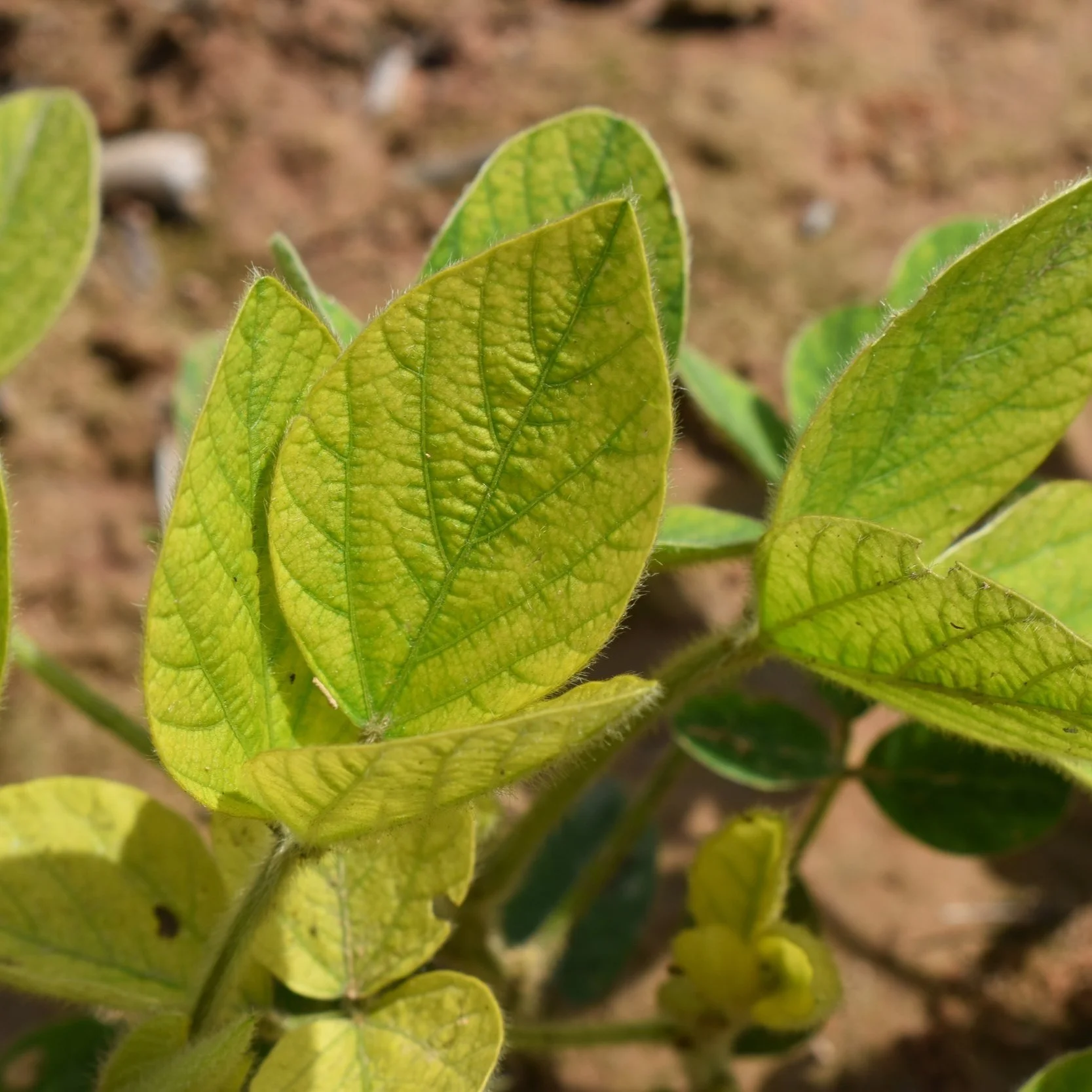
Yellowing leaves on soybeans? That has to be a potassium deficiency, right? Maybe not. While yellowing in the middle or upper canopy is usually a sign of potassium deficiency, it could mean something worse is lurking below the soil surface. Often, a superficial glance isn’t enough to get to the root of the problem.
Read More
Don't Forget About Nematodes When Diagnosing Irregular Patches Of Poor Soybean Growth
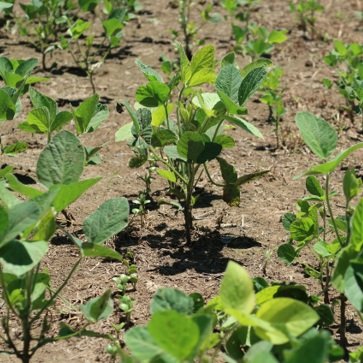
If you find irregular patches of soybean plants that look generally stunted, yellow, or dead, the cause could be nematodes. Generally, nematodes jeopardize the root system of the plant. Therefore, the plants will often have symptoms that mimic other maladies such as drought and nutrient deficiency. It is not uncommon to find nematodes throughout Louisiana. A recent survey (2019-2021) detected Southern root-knot nematodes in 22% of 164 fields.
Read More
USDA: Soybean Planted Acreage Has Outpaced Corn And Wheat Since 2000
Between 2002 and 2022, soybeans were the second-most planted crop in the United States, behind corn. The exception was in 2018 when acreage planted to soybeans surpassed corn. While the total acres planted to soybeans generally have been less than to corn, the rate of growth in soybean sowings has exceeded corn since the early 2000s.
Read More
Lower Mississippi River Updates Will Help Ag Exports
The chair of the United Soybean Board says progress is being made on a project to deepen the lower Mississippi River and improve the efficiency of ag exports.
The Army Corps of Engineers is deepening more than 250 miles of the Mississippi River from Baton Rouge, Louisiana to the Gulf of Mexico.
Read More
More Money Could Be Headed to Louisiana Soybean Farmers
The Mississippi River is a critical infrastructural waterway connecting U.S. products to export customers globally. Gov. John Bel Edwards will be meeting with U.S. farmers and other organizations to discuss its economic impact on the state of Louisiana.
Read More
Managing Nitrogen For Corn And Soybean Crops
Nitrogen (N) is one of the most essential nutrients required for crop growth, development and reproduction. It is the building block of proteins, amino acids, chlorophyll and DNA. Plants require more nitrogen than any other mineral nutrient. Generally, the aboveground portion of the plant contains 3% to 4% nitrogen. Therefore, fertilizing with nitrogen sources is often required for maximizing crop yield and profit.
Read More
Insects Hid From Killing Freezes in Louisiana & Mississippi
Freezing temperatures didn't reduce insect pressure in Mississippi and Louisiana row crops. Soybean farmers can expect waves of redbanded stinkbugs.
Read More
Iron Deficiency Chlorosis (IDC) In Soybeans
Iron is an important element for several plant functions such as chlorophyll synthesis, photosynthesis, and respiration. If plants are deficient in iron, the symptoms begin as interveinal chlorosis in the younger leaves .If the deficiency is severe, the symptoms can be white or necrotic leaves
Read More
Influence Of Harvest Aid On Soybean Seed Quality Affected By Delayed Harvest And Environment In Louisiana
Harvest aid application can expedite soybean (Glycine max) harvest and increase effi-ciency through both weed and crop desiccation and has become a common practicein Louisiana soybean production systems.
Read More
LSU AgCenter Scientist Receives Grant To Study Soybean Fungus
LSU AgCenter plant pathologist Sara Thomas-Sharma has been awarded a U.S. Department of Agriculture National Institute of Food and Agriculture grant to study a common disease of soybeans.
Cercospora leaf blight is a disease that continues to be a problem for soybean farmers in the mid-South, with cost to the industry at more than $250 million over the past five years
Read More
Weather Well: Variety Screening To Protect Soybean Harvest Quality
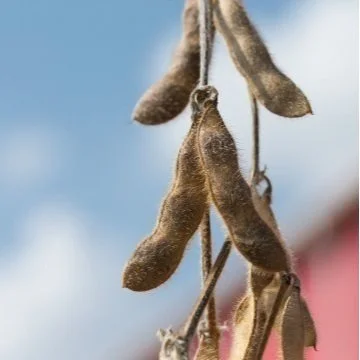
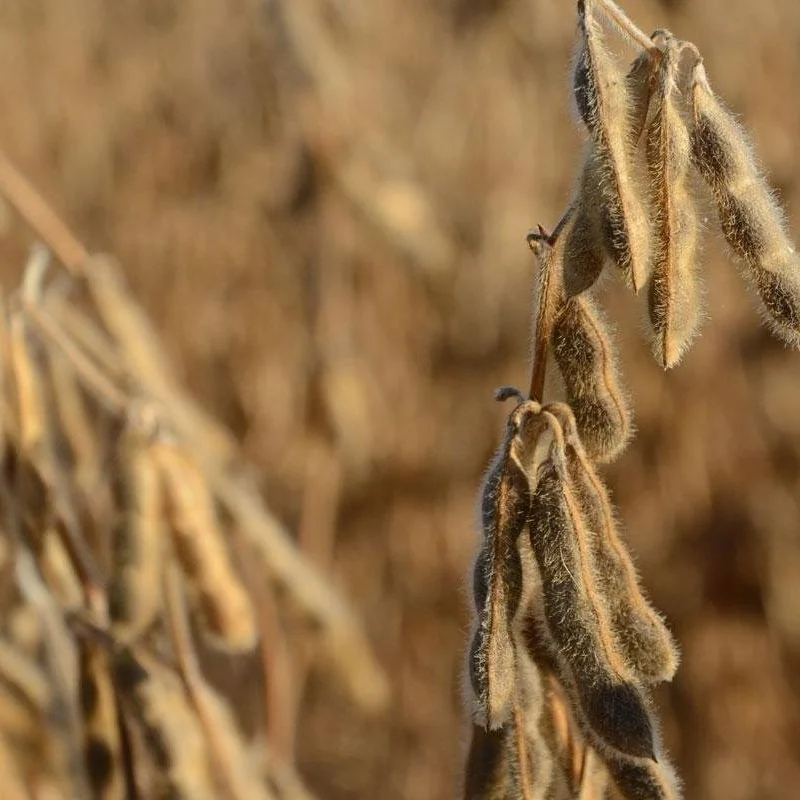
As soybean plants reach maturity, the membrane that connects each seed to the pod starts to detach, an early step in the plant dying and drying out for harvest. After this point, the soybean seeds no longer have access to the plant’s resources.
“The plants no longer protect the drying soybean seeds, making them vulnerable to weather events,” explains David Moseley, state soybean specialist for the Louisiana State University AgCenter. “Too much rain after soybeans start drying down can cause the seeds to turn brown, reducing quality.”
Read More
2023 Louisiana Soybean Production Update: An Early Start To Planting And A Freeze
The USDA-NASS survey reported that two percent of the Louisiana soybean crop was planted by March 19, 2023. The warm and dry weather during early March allowed producers to plant their corn crop early and then begin planting soybean. Unfortunately, on March 20th, the temperature dropped to approximately 28 degrees Fahrenheit in Northeast Louisiana. Soybean tissue death can occur if the temperature falls to 28 degrees Fahrenheit for more than four hours, especially if the unifoliate leaves are exposed (Vann and Stokes, 2020).
Read More