Cassidy to Introduce Bill to Protect Louisiana Seafood, Rice Producers from Unfair Imports
U.S. Senator Bill Cassidy, M.D. (R-LA) will introduce the Home Market Restoration Act of 2026 to protect Louisiana crawfish, shrimp, rice, catfish, and other American producers from unfair foreign competition. The legislation would establish tariff-rate quotas (TRQs) on import-sensitive food and agricultural products to stop import surges, restore fair prices, and keep American producers in business without shutting down lawful trade.
Read More
At Rice Field Day, AgCenter Debuts Two Promising New Varieties
New varieties are one of the best ways farmers can stay ahead of the many challenges that come with growing rice. Next year, they’ll be able to plant two fresh releases from the LSU AgCenter that address key disease and grain quality issues.
Read More
Louisiana Crops Newsletter--Volume 16, Issue 4 - June 2026
One of the most common observations during the early growing season is uneven crop growth within the same field. While some areas emerge quickly and develop vigorous canopies, others appear delayed or less uniform. These differences can be frustrating for producers, especially when planting conditions seemed favorable and management practices were applied uniformly across the field.
Read More
USA Rice Joins Louisiana Farm Bureau’s 104th Annual Convention
Last week, the Louisiana Farm Bureau (LAFB) held its 104th Annual Convention here, featuring a host of speakers and panels focused on the challenges and opportunities facing producers in Louisiana.
Delegates also convened for official business and LAFB elections, including that of Richard Fontenot, a fourth-generation rice farmer from Ville Platte, who was reelected to serve his third term as president, and, of course, to share in the celebration of the newest LAFB Queen, Jean Treas from Tangipahoa Parish.
Read More
Market Update for Corn, Soybeans, Rice, and Cotton: June 2026
The 2026/27 U.S. corn outlook remains virtually unchanged relative to last month. June’s WASDE report calls for fractionally higher beginning and ending stocks for 2026/27, reflective of mostly offsetting trade and domestic use changes for 2025/26 with adjustments to imports, corn used for ethanol, and exports based on data to date. The 2026/27 season-average farm price received by producers is unchanged at $4.40 per bushel.
Read More
As Texas Rice Acres Drop, Rice Delphacid Threat Looms
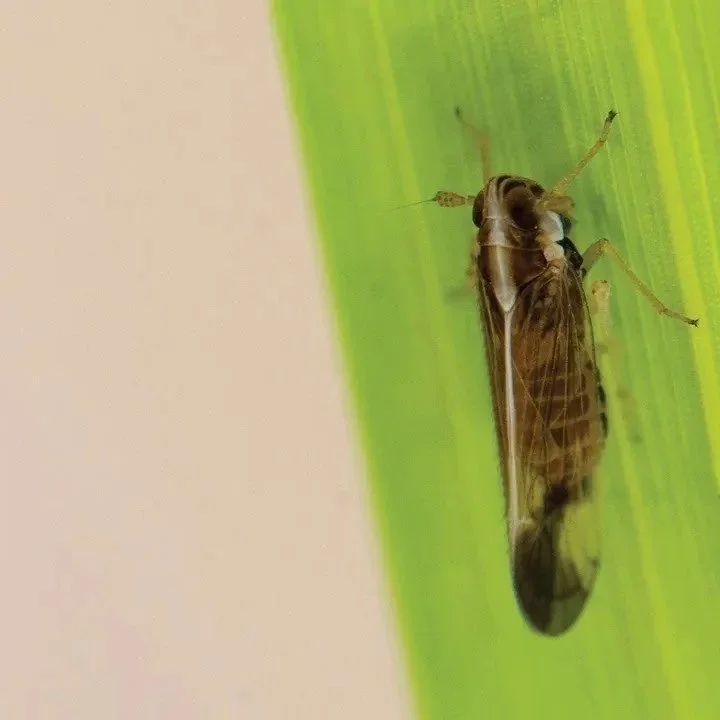
Texas rice producers enter a new crop year with a watchful eye on prices, yield potential and the threat of rice delphacid, an invasive planthopper that wreaked havoc on the 2025 crop, according to Texas A&M AgriLife experts.
Read More
3 Front Battle: The Stem Borer, Rice Weevil & Less Effective Treatments
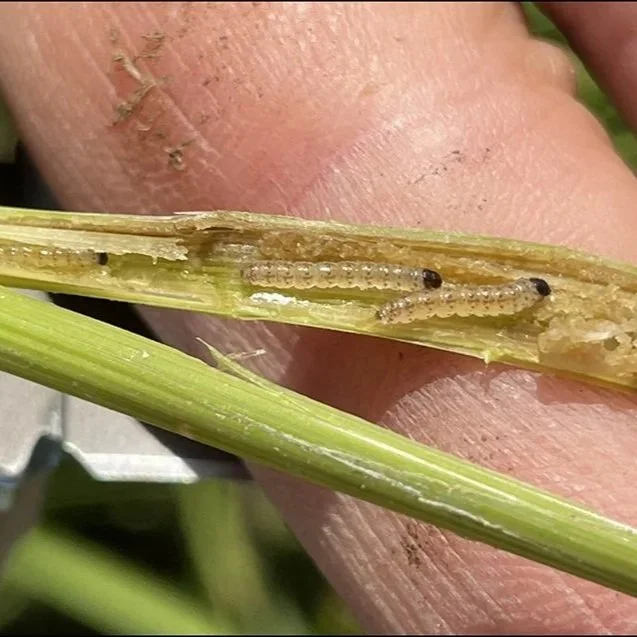
For nearly a decade, LSU AgCenter entomologist Blake Wilson has been facing an uphill battle over stem borer and rice weevil infestation in rice crops, particularly the most popular variety in the state, PVL03. For the last three years, a formerly effective insecticide has become decidedly less so in controlling the pest.
Read More
U.S. Rice Planting Near Completion As Crop Conditions Remain Strong
The latest crop progress update shows U.S. rice growers are wrapping up planting for the 2026 season. Crop development and condition ratings are providing encouraging signs as the industry moves into the summer growing months.
Read More
Section 301 Investigation, Tariffs Could Be Key To US Rice Survival
For the U.S. rice industry, traditional trade mechanisms have proven ineffective. Now, the industry prepares to charge ahead with an aggressive solution. The hopes are that a Section 301 investigation will result in tariffs.
Yes, you read that right. Tariffs.
Read More
China Expands Agricultural Support For Cuba Through Rice
China is increasing agricultural support for Cuba through rice aid and technical projects, adding a food-security tie in the region. Retired USDA economist Fred Gale reports Chinese rice shipments to Cuba rose sharply during the first four months of 2026
Read More
USA Rice Symposium To Address Growing Interest In Aromatic Varieties
USA Rice will conduct the inaugural Aromatic Rice Quality Symposium this summer, in conjunction with the organization’s annual July Business Meetings in Dallas. The symposium will be on Wednesday morning, July 8, in the National Ballroom I at the Thompson Hotel downtown.
Read More
LSU AgCenter Rice Field Day Set for June 24
The LSU AgCenter H. Rouse Caffey Rice Research Station will hold its annual field day June 24. The event will highlight variety development, pest management strategies and other research aimed at helping farmers successfully produce one of Louisiana’s most valuable crops.
Read More
Celebrate The Individuals Building The Future Of Rice
he RICE Awards recognize individuals who embrace the values of Resilience, Innovation, Contribution and Excellence (RICE) in their work throughout the rice industry. If you know someone who exemplifies these characteristics, help us honor their incredible achievements by nominating them for a 2026 RICE Award.
Read More
Scientists Observe Rice Plants Capturing And Eliminating Fall Armyworm Caterpillars
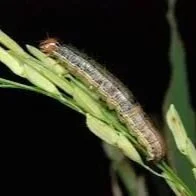
In a groundbreaking study emerging from the University of Arkansas, scientists have uncovered a startling natural defense mechanism in rice plants: they trap and kill caterpillars using tiny, spike-like hairs called trichomes located on rice spikelets.
Read More
Midsouth Farmers Shift To Soybeans As A Survival Strategy
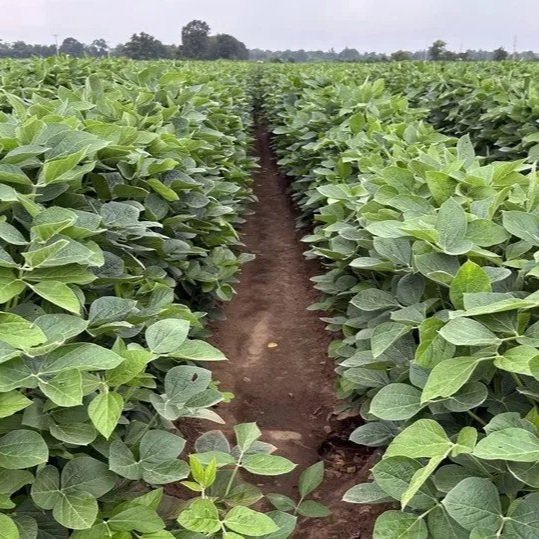
Many farmers across the Midsouth are shifting acres toward soybean production in 2026 and choosing to plant less corn and rice, which are more expensive to grow. Although the war in Iran has largely contributed to this move, some farmers made the decision well in advance in the face of already high input costs.
Read More