Corn Planting Gets Early Start as 2026 Growing Season Kicks Off
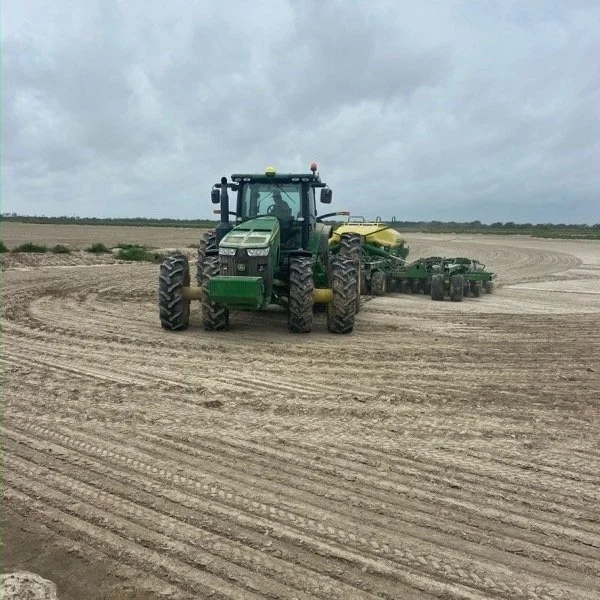
U.S. farmers are wasting little time getting the 2026 crop in the ground, with corn planting already underway in nine states and running slightly ahead of the typical pace, according to the U.S. Department of Agriculture’s first Crop Progress report of the season.
Read More
New EPA Exemption Offers Hope for Rice Delphacid Control in 2026
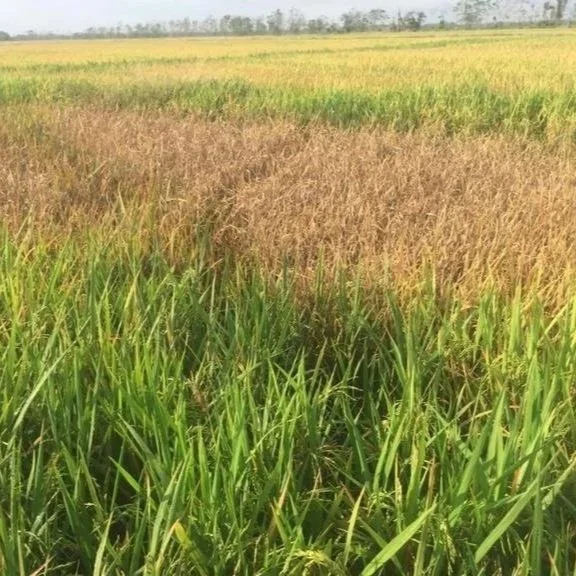
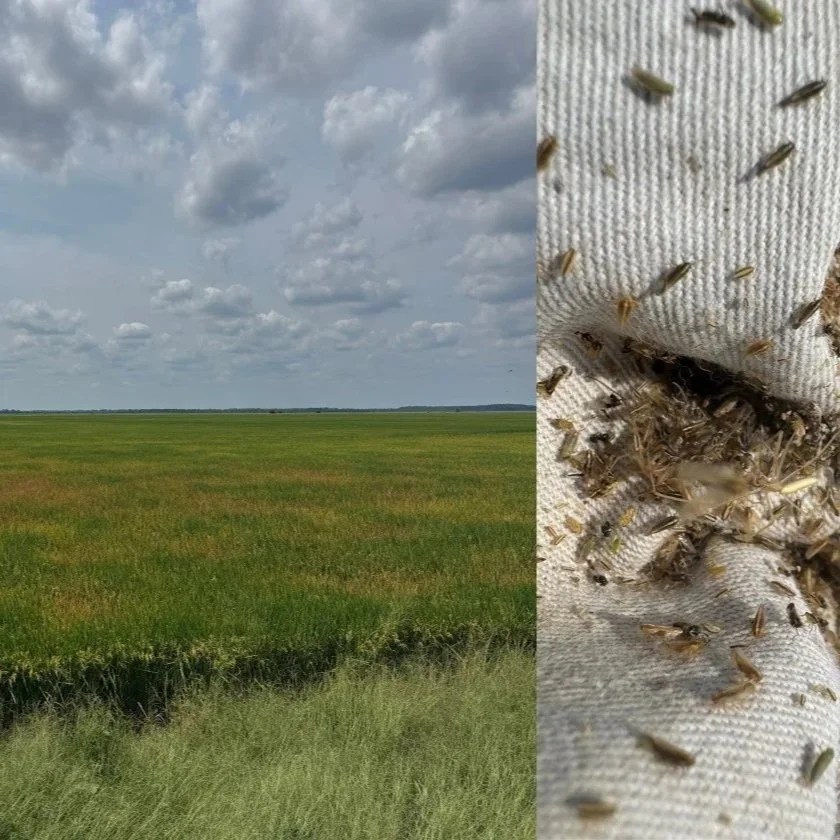
Rice delphacid struck hard and fast in 2025 amid an already challenging season. The tiny leafhoppers struck midseason, and farmers had no strategy for control, with delphacid being one of the few insects a pyrethroid application incites rather than ignites.
Read More
LSU Researchers Find Creative Ways to Use Natural Chemical, Helps Local Rice Farmers Stay Afloat
LSU researchers are finding creative uses for a chemical called Fucoxanithin, a naturally occurring pigment commonly found in plants and algae.
Read More
Rice Farmers Participate at White House Great American Agricultural Celebration
On Friday, President Donald Trump hosted hundreds of farmers for the Great American Agricultural Celebration, which has been dubbed “the single largest gathering of American farmers the White House has ever seen." The event hosted farmers and ranchers from across the country, including rice farmers from Arkansas, Louisiana, Texas, and Missouri, who witnessed the unveiling of several farm policy developments.
Read More
Courier Rice Delphacid Quarantine Exemption
The U.S. EPA has granted a Section 18 Quarantine Exemption allowing the use of Courier insecticide (buprofezin) from April 15, 2026 through March 19, 2029 to control rice delphacid (insecticide label below). Courier is registered at 9.0–13.6 fl oz/acre with up to two applications allow per year. Several studies have demonstrated effective control of delphacid nymphs with Courier applied at 13.6 fl oz/acre.
Read More
March 2026 Edition Of The H. Rouse Caffey Rice Station Newsletter
The LSU AgCenter Rice Research Station’s latest newsletter highlights current research, industry trends, and upcoming events in rice production. It covers topics like grain quality and market alignment, extension’s role in a changing industry, weed and perennial grass management, and nitrogen use, along with recognizing achievements such as a new “Champion of Rice Research” award. The edition also features graduate research, staff and employee highlights, and updates on station activities.
Read More
EPA Approves Emergency Exemption For Insecticide To Control Rice Delphacid Damage
The U.S. Environmental Protection Agency (EPA) has announced approval of Section 18 emergency exemptions for the use of Courier® SC (A.I. buprofezin) insect growth regulator for the control of the rice delphacid (Tagosodes orizicolus) in the rice production regions of Arkansas, Louisiana, Mississippi, and Texas.
Read More
Vermilion Parish Rice Farmers Explore Microalgae as “Weird but Promising” Crop
In the heart of Cajun country, Allen Mclain farms about 3,000 acres of rice together with his wife, father, and two younger brothers. Much of their crop, all south of LA-14, is under threat. Saltwater from the Gulf is slowly, and some days quickly, making its way up through marshes, bayous, and over levees.
Read More
Louisiana Crops Newsletter
The bacteria that is responsible for nitrogen fixation in soybean is Bradyrhizobium japonicum. If a field has never been planted to soybean, it is likely the seed will need to be inoculated. The bacteria can survive many years until the next soybean crop, but the common recommendation is to inoculate seed if soybean has not been planted for 3 to 5 years. However, research has indicated that an increase in yield is possible if seed is inoculated in a regular soybean rotation.
Read More
Vermilion Parish Rice Farmers Explore Microalgae As “Weird but Promising” Crop
In the heart of Cajun country, Allen Mclain farms about 3,000 acres of rice together with his wife, father, and two younger brothers. Much of their crop, all south of LA-14, is under threat. Saltwater from the Gulf is slowly, and some days quickly, making its way up through marshes, bayous, and over levees.
Read More
Kennedy to EPA: Approve Louisiana’s Efforts to Fight Infestation Plaguing Rice Crops
Sen. John Kennedy (R-La.), a member of the Senate Appropriations Committee, encouraged Environmental Protection Agency (EPA) Administrator Lee Zeldin to permit Louisiana to use a pesticide required to combat rice delphacid infestations.
Read More
The Rice Stuff Examines Rice Quality
Dr. Steve Linscombe knows a thing or two about rice, having spent more than 35 years as the rice breeder at Louisiana State University (LSU), and now serving as the director of The Rice Foundation and the staff liaison of the USA Rice Marketability and Competitiveness Committee. He also knows podcasting and in the latest episode of The Rice Stuff, he assembles a top-notch panel to talk about rice breeding and rice quality.
Read More
Low Prices Push Arkansas Rice Industry Toward Crisis..30% Planting Cut Expected
Leading agricultural lenders and cooperatives in Arkansas are warning that low crop prices may push farmers to plant roughly thirty percent less rice this year, and that could do permanent damage to the state's rice industry.
Read More
Share Your Input To Help Shape The Future Of Rice Farming
Rice farming is changing. To ensure that growers’ experiences and priorities are understood, researchers from the Louisiana State University (LSU) are talking with farmers across the southern U.S. rice-growing region to ensure grower perspectives guide future support for rice production.
Read More
Farmers Issue Warning as Strange Creatures Wreak Havoc in US Region: ‘It Was Like This Science Fiction Movie'
In Louisiana, farmers take advantage of flooded fields to raise two harvests together: rice and crawfish. Normally, this provides two income streams for landowners and two food sources for the country. However, invasive pests are now interfering with both, the Associated Press reported.
Read More