Livestock Risk Protection (LRP) for Feeder Cattle
The Livestock Risk Protection (LRP) program is a federally subsidized insurance policy designed to help cattle producers manage price risk. The policy guarantees a price level for cattle at a specific future date. If actual prices at that time fall below the guaranteed price, the policy pays an indemnity equal to the difference. In this way, LRP establishes a price floor for cattle, similar to purchasing a futures put option.
Read More
September Cow Country Reporter
Check out the September edition of the Cow Country Reporter for the latest news and updates affecting the U.S. cattle industry, including Mexican cattle imports, the U.S./Mexico border reopening, screwworm and more.
Read More
Secretary Rollins Announces Ranchers First Initiatives to Rebuild the Great American Beef Herd
Today, U.S. Secretary of Agriculture Brooke L. Rollins announced the Ranchers First Initiative, a sweeping package of actions to continue rebuilding the Great American Beef Herd and put America’s ranchers back at the center of our nation’s food supply. Building on USDA’s October 2025 Plan to Fortify the American Beef Industry, the Trump Administration is delivering again.
Read More
Farm Bureau: Understanding The Beef Cycle
The beef production cycle is a long-term process that takes several years to complete.
Cattle farmers' daily decisions affect the beef supply and prices for years to come.
America's beef cattle herd is at its lowest level since the 1970s, reflecting the years of depressed prices, high input costs and persistent drought conditions ranchers have faced.
Read More
NCBA Opposes Any Effort That Weakens Food Safety
NCBA strongly supports increasing competition in the cattle markets and creating more opportunities for small and regional beef processors. We also support eliminating unnecessary regulations that make it harder for those businesses to compete. However, weakening federal meat inspection and food safety standards, as President Trump has suggested, is not the answer.
Read More
Area Cattle Ranchers’ Beef with Trump’s Foreign Meat Import Plan
Amelia Kent, co-owner of Kent Farms, said high costs are squeezing her family cattle-ranching operation more than ever before. President Trump’s plan to import foreign beef to bring down prices has seen broad pushback from cattle ranchers nationwide.
Read More
AFBF Analyzes Potential Beef Import Impacts: Urges President Trump to Reconsider
The President’s plan to facilitate record imports of beef will have a significant impact on farmers and ranchers who are rebuilding their herds devastated by drought. American Farm Bureau Federation economists analyzed the potential consequences of increased imports in the latest Farm Bureau Intel. Also today, Farm Bureau President Zippy Duvall sent a letter to President Trump urging him to reconsider his plan to flood the market with foreign beef.
Read More
Salt Grass Fed Cows, Boat Fed Cowboys
Anyone who has seen an old Western movie knows that every cattle drive was accompanied by a chuck wagon driven by a crusty old cook who fixed the beans and coffee and dared anyone to criticize him. Those wagons also accompanied long overland drives when south Louisiana cattle were herded to market in New Orleans, but some of our drives were a little bit different. They used chuck boats instead of chuck wagons.
Read More
Mexico Resumes Limited Cattle Exports to US After Screwworm Pause, Relieving Ranchers
Mexico resumed live cattle exports to the United States on Monday after they were halted for nearly two years by restrictions imposed by the Trump administration following a screwworm outbreak.
Even under strict limitations, the reopening of the trade channel brought relief to Mexico’s ranching industry, which was dealt an economic blow by the controls. The flesh-eating worm is now present on both sides of the border.
Read More
Delta Rancher Newsletter: August 2026
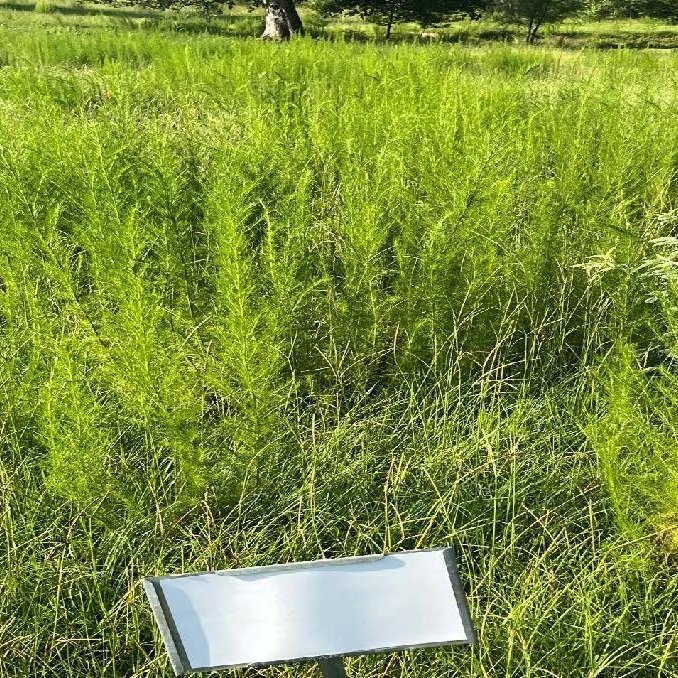
Dogfennel is a commonly occurring weed in the southeast that if left uncontrolled can negatively impact forage production. Dogfennel is an aggressively growing native perennial that reproduces by windborne seeds as well as large amounts of rootstocks. Identification of this weed is quite easy. Dogfennel has an upright growth pattern with thin wispy leaves that have a distinct odor if crushed. The main stem of the plant typically does not branch and can have a mature height of 8 feet. Dogfennel typically thrives in areas with poor soil fertility as well as areas that are not intensively managed.
Read More
AFBF President Duvall: "Increased Beef Imports Could Create Long-term Damage"
American Farm Bureau Federation President Zippy Duvall commented on President Trump’s plan to import an additional 300,000 metric tons of beef in addition to already record-high beef imports.
“Farmers and ranchers are extremely disappointed to learn that President Trump plans to flood the American market with hundreds of millions of pounds of foreign-raised beef. The U.S. is already importing beef at record levels. This decision would be an unprecedented move and would translate to nearly an additional 60% increase in imports over the next 90 days.”
Read More
USDA Programs, Processes Aim to Help Small Beef Processors
Cattle producers know everything there is to know about their cows: what they eat, where they lay, where the little white mark on their hip is and even who their grandmother was. But once an animal leaves the ranch and enters the beef supply chain, cattle producers are left in the dark.
Read More
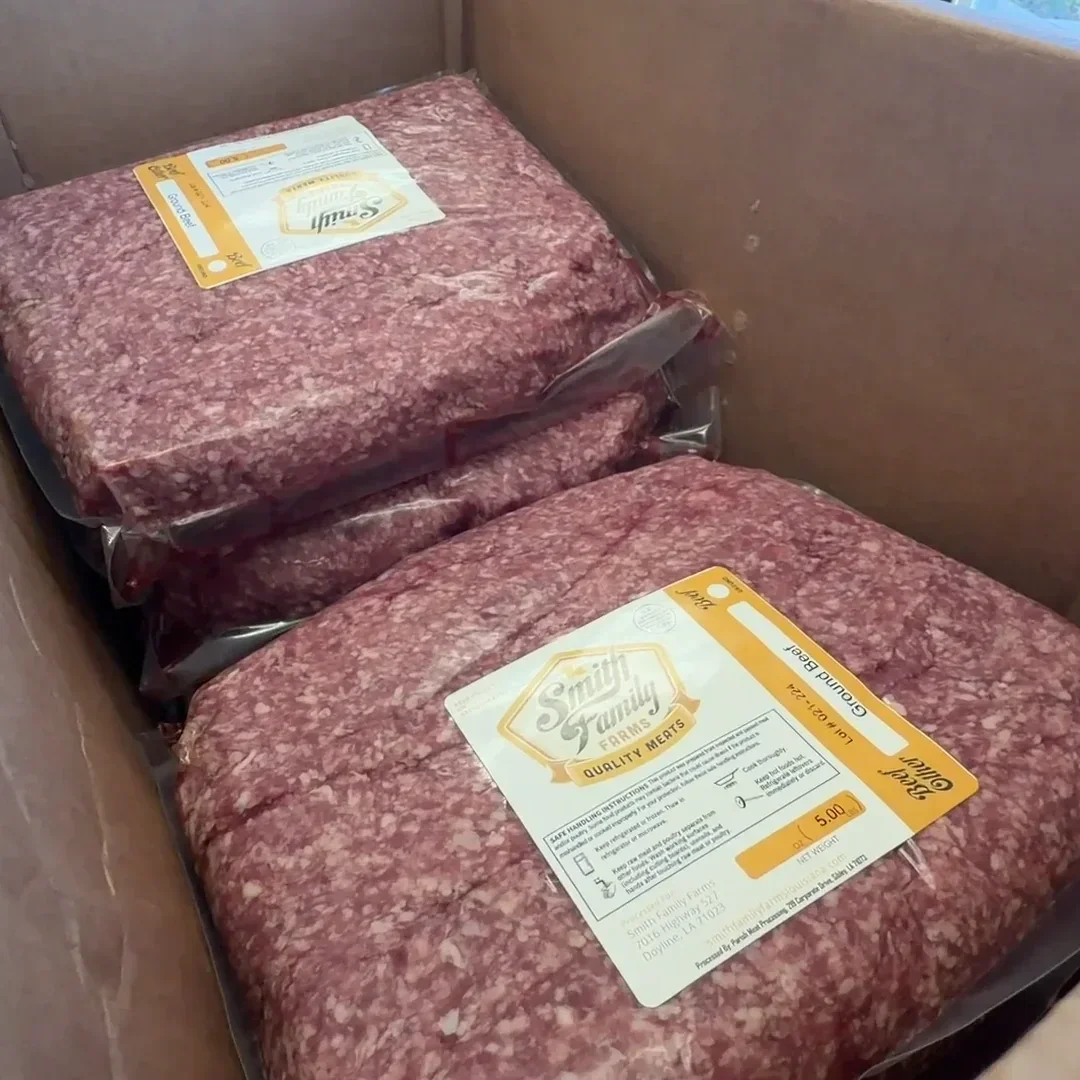
Smith Family Farms Donates 500 Pounds of Meat to Food Bank of Northwest Louisiana
Smith Family Farms is using rising beef prices and supply challenges as an opportunity to help local families in need.
The farm partnered with several local restaurants in July to support the Food Bank of Northwest Louisiana. For every burger purchased at Gullo's, Mae & Co. or Marilynn's Place during the promotion, Smith Family Farms donated hamburger meat to the food bank. The total came out to about 500 pounds of beef.
Read More
USDA Accelerates Screwworm Response Efforts
USDA says a Texas facility designed to produce sterile flies for New World Screwworm control will open in spring 2027, earlier than previously expected. The facility is expected to produce 100 million sterile flies per week by the end of 2027, increasing to as many as 300 million weekly by the end of 2028.
Read More
Record Beef Prices are Minting Fortunes for Ranchers—but Straining the American Farmers who Fatten their Cattle
Last week, Tyson Foods CEO Donnie King offered investors a sobering report on beef prices: "Beef hasn't performed the way we expected," King said during an earnings presentation, "and we're not pretending otherwise."
Read More