AFBF President Duvall: "Increased Beef Imports Could Create Long-term Damage"
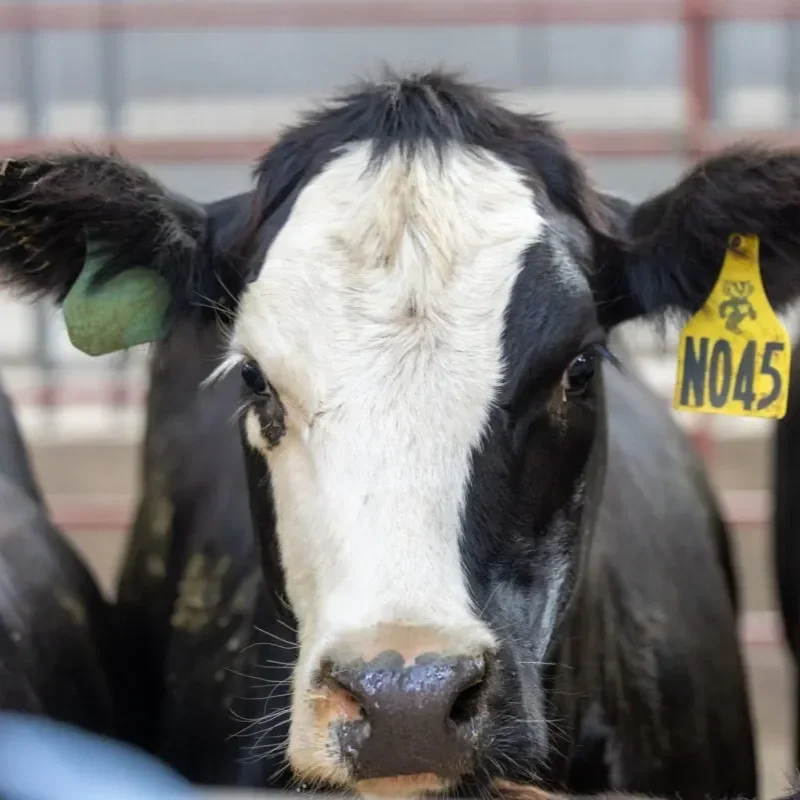
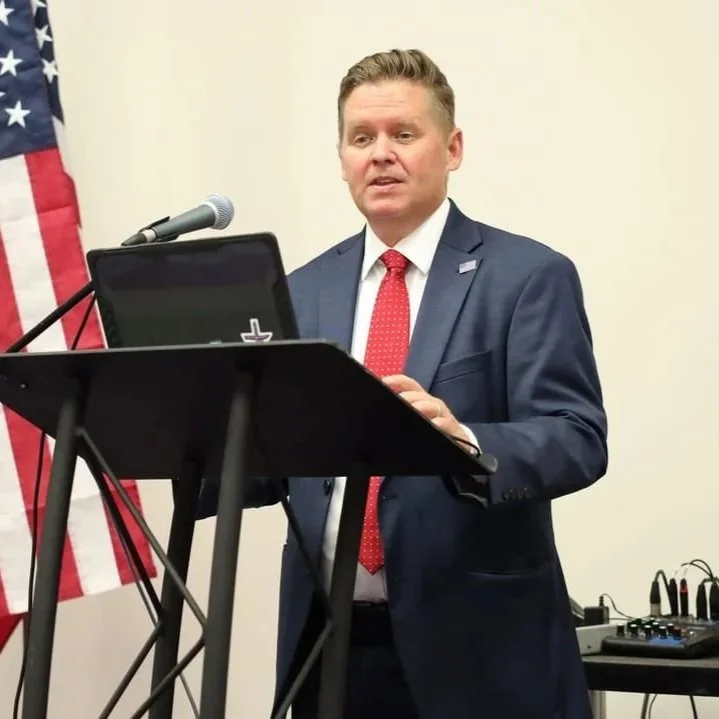
American Farm Bureau Federation President Zippy Duvall commented on President Trump’s plan to import an additional 300,000 metric tons of beef in addition to already record-high beef imports.
“Farmers and ranchers are extremely disappointed to learn that President Trump plans to flood the American market with hundreds of millions of pounds of foreign-raised beef. The U.S. is already importing beef at record levels. This decision would be an unprecedented move and would translate to nearly an additional 60% increase in imports over the next 90 days.”
Read More
USDA Programs, Processes Aim to Help Small Beef Processors
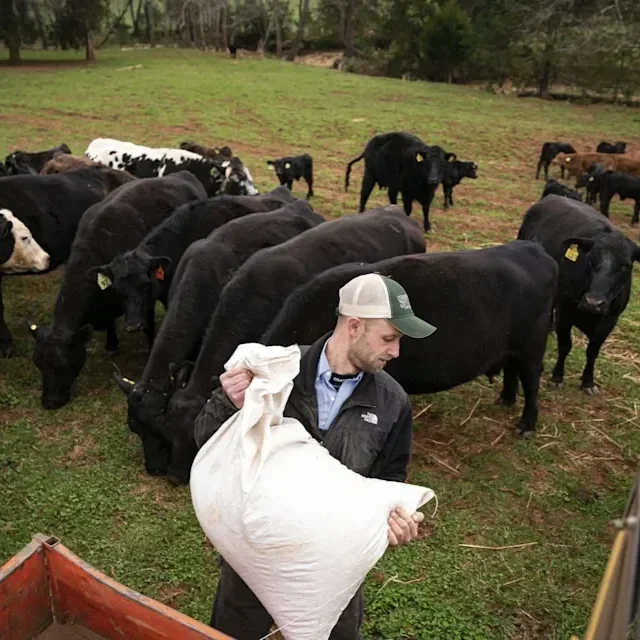
Cattle producers know everything there is to know about their cows: what they eat, where they lay, where the little white mark on their hip is and even who their grandmother was. But once an animal leaves the ranch and enters the beef supply chain, cattle producers are left in the dark.
Read More
Smith Family Farms Donates 500 Pounds of Meat to Food Bank of Northwest Louisiana
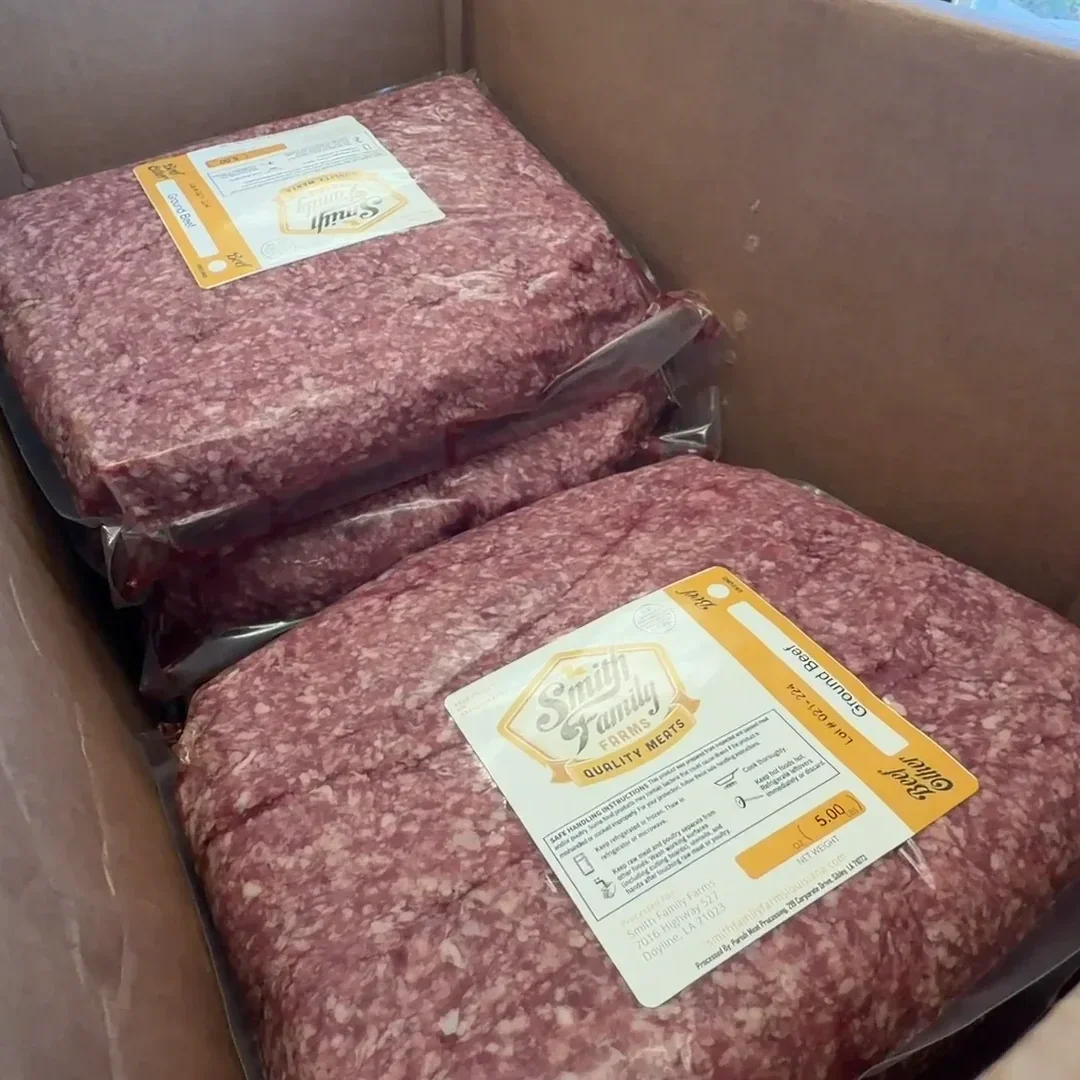
Smith Family Farms is using rising beef prices and supply challenges as an opportunity to help local families in need.
The farm partnered with several local restaurants in July to support the Food Bank of Northwest Louisiana. For every burger purchased at Gullo's, Mae & Co. or Marilynn's Place during the promotion, Smith Family Farms donated hamburger meat to the food bank. The total came out to about 500 pounds of beef.
Read More
USDA Accelerates Screwworm Response Efforts
USDA says a Texas facility designed to produce sterile flies for New World Screwworm control will open in spring 2027, earlier than previously expected. The facility is expected to produce 100 million sterile flies per week by the end of 2027, increasing to as many as 300 million weekly by the end of 2028.
Read More
Record Beef Prices are Minting Fortunes for Ranchers—but Straining the American Farmers who Fatten their Cattle
Last week, Tyson Foods CEO Donnie King offered investors a sobering report on beef prices: "Beef hasn't performed the way we expected," King said during an earnings presentation, "and we're not pretending otherwise."
Read More
The Cow Country Reporter: August 2026
August is a month that many Louisiana cow/calf producers sell their Spring-born calves. Everything looked good for our good Louisiana calves in the first week in July and then the markets started a downward spiral pricewise.
Read More
Slow Cattle Rebuilding Keeps Beef Prices Elevated Longer
High beef prices are likely to persist because rebuilding the U.S. cattle herd will take years, even if ranchers begin retaining more females now. UC Berkeley agricultural economics doctoral student Ilaria Dal Barco writes in Ag Data News that tight inventories, drought losses, and slow biological production continue limiting supplies.
Read More
USDA Reports Provide Insight into Cattle Markets
The USDA released the July Cattle Inventory and July Cattle on Feed Reports last week. Bernt Nelson, an economist with the American Farm Bureau Federation, said the two reports offer a good snapshot of the current U.S. cattle industry.
Read More
Livestock Owners Take Extra Precautions as Summer Heat Intensifies
With Louisiana’s heat index regularly climbing above 110 degrees, livestock owners are adjusting feeding schedules, increasing access to water and shade, and closely watching their animals for signs of heat stress.
Read More
Dry Pastures Continue Limiting U.S. Cattle Herd Expansion
Pasture conditions have improved in several regions, but forage stress remains worse than last year and continues limiting cattle herd expansion. Mississippi State University livestock economist Dr. Josh Maples says moisture shortages remain a major constraint.
Read More
USDA Announces Phased Reopening of Southern Ports for Livestock Trade
The U.S. Department of Agriculture (USDA) is announcing a coordinated, phased reopening of southern cattle ports, contingent on Mexico’s adherence to the Joint Action Plan. Beginning August 24, 2026, USDA will open the Douglas, AZ port of entry to cattle trade, while simultaneously initiating the operational steps necessary for subsequent openings at the Santa Teresa, NM, and Columbus, NM, ports. Every animal entering the United States through these ports will undergo a full USDA inspection to ensure it is free of any signs of New World screwworm (NWS).
Read More
USDA Raises Cattle Price Outlook as Tight Supplies and Drought Slow Herd Rebuild
The U.S. Department of Agriculture (USDA) is forecasting continued strength in cattle prices after lowering its beef production outlook and raising steer price projections through 2027.
Read More
What to Check First When Floodwaters Recede From Your Hayfields
Flood damage after Tropical Storm Arthur in Avoyelles and St. Landry parishes in Louisiana, as well as counties across the state line in Mississippi, left many farmers questioning how to carry on in a growing season that sorely needed success.
In Louisiana, more than 29 inches of rain fell in 24 hours, breaking a state record set in 1962. Both Louisiana Gov. Jeff Landry and Mississippi Gov. Tate Reeves declared states of emergency.
Read More
USDA Announces $35 Million To Combat Feral Swine On American Agricultural Lands
The U.S. Department of Agriculture (USDA) is making available $35 million for partnerships to respond to the threat feral swine pose to American agriculture, landscapes and human and livestock health. This partnership opportunity is part of a broader $105 million investment for the Feral Swine Eradication and Control Pilot Program, where USDA’s Natural Resources Conservation Service (NRCS) and USDA’s Animal and Plant Health Inspection Service (APHIS) are working together to target feral swine.
Read More
42nd Junior Beefmaster Breeders Show Returns To Ike Hamilton Expo Center
The Ike Hamilton Expo Center is preparing to host the 42nd annual Junior Beefmaster Breeders Show this week, bringing youth cattle exhibitors from multiple states to West Monroe.
Roughly 200 competitors from Louisiana, Arkansas and Texas will present their animals Wednesday and Thursday for evaluation by a panel of judges. Organizers say the event helps develop the next generation of agricultural leaders by emphasizing responsibility and sound breeding practices.
Read More