Cattle Producers Back Administation On Screwworm Fight
The National Cattlemen's Beef Association announced continued support for the U.S. Department of Agriculture's (USDA) aggressive plan to combat the spread of New World screwworm by ramping up construction of a sterile fly distribution facility alongside a production facility at Moore Air Base in south Texas.
Read More
USDA Announces Sweeping Plans to Protect the United States from New World Screwworm
U.S. Secretary of Agriculture Brooke L. Rollins at the Texas State Capitol alongside Governor Greg Abbott and stakeholders from across the country announced the largest initiative yet in the U.S. Department of Agriculture’s (USDA) plan to combat the New World Screwworm (NWS). This announcement builds upon USDA’s five-pronged plan issued in June to combat the northward spread of NWS from Mexico into the United States.
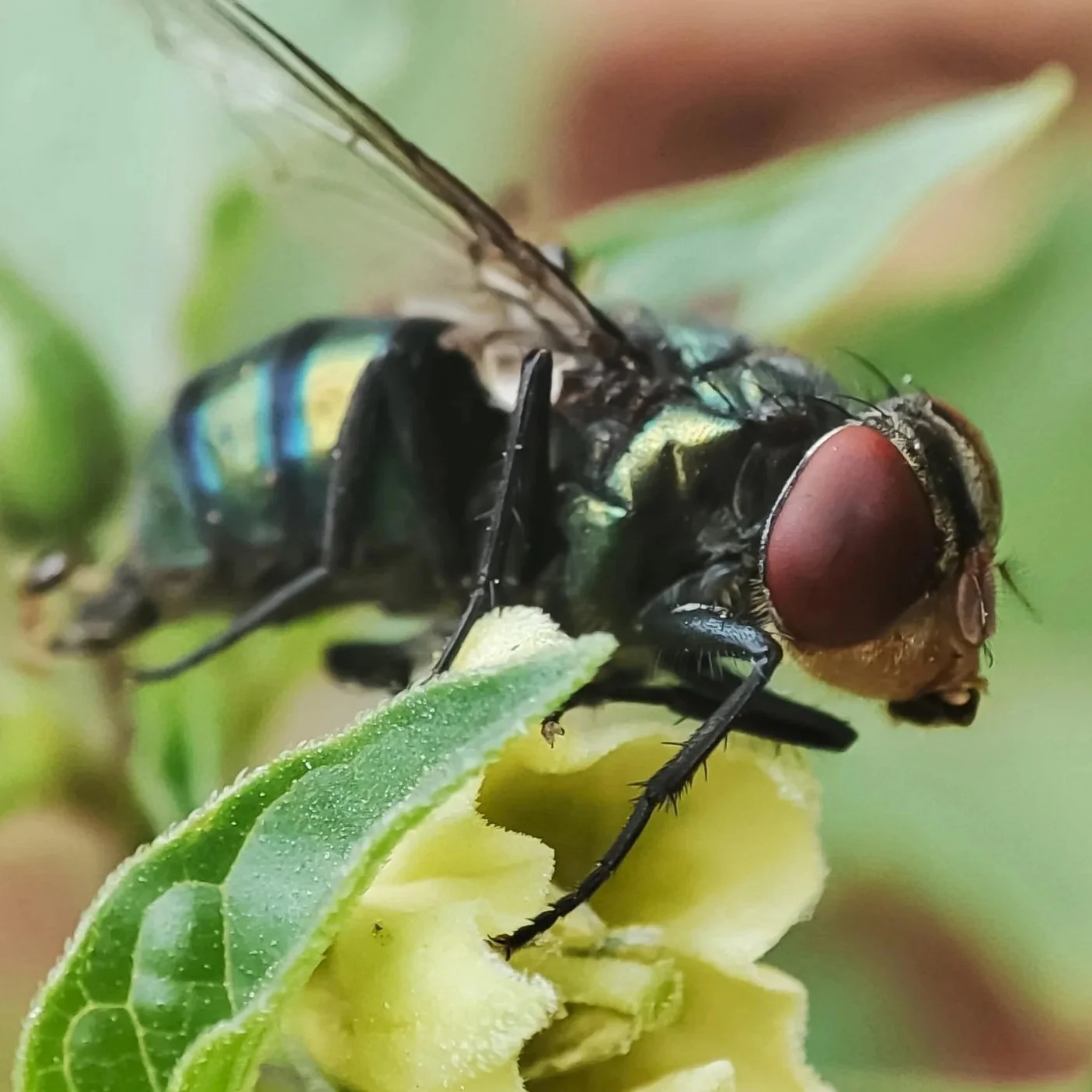
NWS is a devastating pest. When NWS fly larvae (maggots) burrow into the flesh of a living animal, they cause serious, often deadly damage to the animal.
Read More
Louisiana Farm Bureau Federation Applauds USDA Action to Fight New World Screwworm
The Louisiana Farm Bureau Federation applauds today’s announcement of a fully federally funded domestic production facility for sterile New World Screwworm (NWS) flies to be constructed at Moore Air Base in Texas. This critical investment represents a monumental step forward in protecting American agriculture, livestock health, and rural economies from one of the most devastating livestock pests in history.
Read More
LSU AgCenter Beef Cattle Extension Programs Receive National Recognition
On July 1, the National Association County Agricultural Agents presented LSU AgCenter extension specialist Ashley Edwards the award for Excellence in Livestock Production in 2025. Edwards received the award on behalf of a team of AgCenter beef cattle agents after a selection process that looked at extension agents from around the country.
Read More
Cow Country Reporter: August 2025
Thank you to our CPL members who have renewed their membership in July. For those who have not, please do so by the end of August. Let me know if you need a form. Again, THANK YOU!
The month of July saw new record prices for slaughter steers and heifers coming out of the feedlots and slaughter cow prices.
Read More
LSU AgCenter Opens Registration for Fall Grazing School
The LSU AgCenter will offer a Grazing School focused on forage production this fall in Jeanerette.
The school will take place over five sessions, providing information and hands-on experience related to a variety of topics associated with growing forages for livestock operations.
Read More
Mexican Ranchers Struggle to Adapt as a Parasite Ravages Cattle Exports to the U.S.
The United States' suspension of live cattle imports from Mexico hit at the worst possible time for rancher Martín Ibarra Vargas, who after two years of severe drought had hoped to put his family on better footing selling his calves across the northern border.
Like his father and grandfather before him, Ibarra Vargas has raised cattle on the parched soil of Sonora, the state in northwestern Mexico that shares a long border with the United States, particularly Arizona.
Read More
Ville Platte Woman Rebuilds Chicken Coop After Losing 26 Chickens To Roaming Dogs
Just a week ago, Sheri Bertrand’s chicken coop sat empty. A roaming pack of dogs had attacked, leaving 26 of her birds dead—replacing the usual clucks and fluttering feathers with silence and heartbreak.
Read More
Re-instated July Cattle Inventory Shows Continued Herd Contraction
Reinstated after its 2024 cancellation, USDA’s July Cattle Inventory report offers a critical midyear snapshot of the U.S. cattle herd, including an estimate of the year’s calf crop. Released alongside the monthly Cattle on Feed report, the two datasets together provide a more comprehensive view of supply trends and herd dynamics — key themes explored in this Market Intel.
Read More
LSU AgCenter, NRCS To Host Two Pasture Field Days
The LSU AgCenter and the U.S. Department of Agriculture Natural Resources Conservation Service are hosting two field days focusing on pasture monitoring and management.
The first field day will be held Aug. 14 in St. Francisville. The second will be held Aug. 19 in Iowa.
Read More
Ranchers in Southern Mexico Are Struggling Against a Flesh-Eating Parasite Infecting Livestock
With Mexican cattle again barred this month from entry to the United States over fears of spreading a flesh-eating parasite, ranchers and veterinarians in Mexico hundreds of miles from the border are fighting what has U.S. agricultural authorities so on edge.
Read More
Cattle Herd Hits Record Low, Prolonging High Beef Prices for Consumers
The latest U.S. cattle tally offered little relief for consumers paying record beef prices, even as the cycle of herd liquidation seems to be coming to an end.
There were about 94.2 million cattle and calves in the U.S. as of July 1, the lowest mid-year count on record in data going back to 1973, the Department of Agriculture said in a report. The number of animals placed in feedlots for weight gain before being sent to slaughter plunged to the lowest since 2017, the USDA said in a separate note.
Read More
United States Cattle Inventory Report
There were 94.2 million head of cattle and calves on U.S. farms as of July 1, 2025, according to the Cattle report published today by the U.S. Department of Agriculture’s National Agricultural Statistics Service (NASS). This is the first July cattle inventory report since July 2023.
Read More