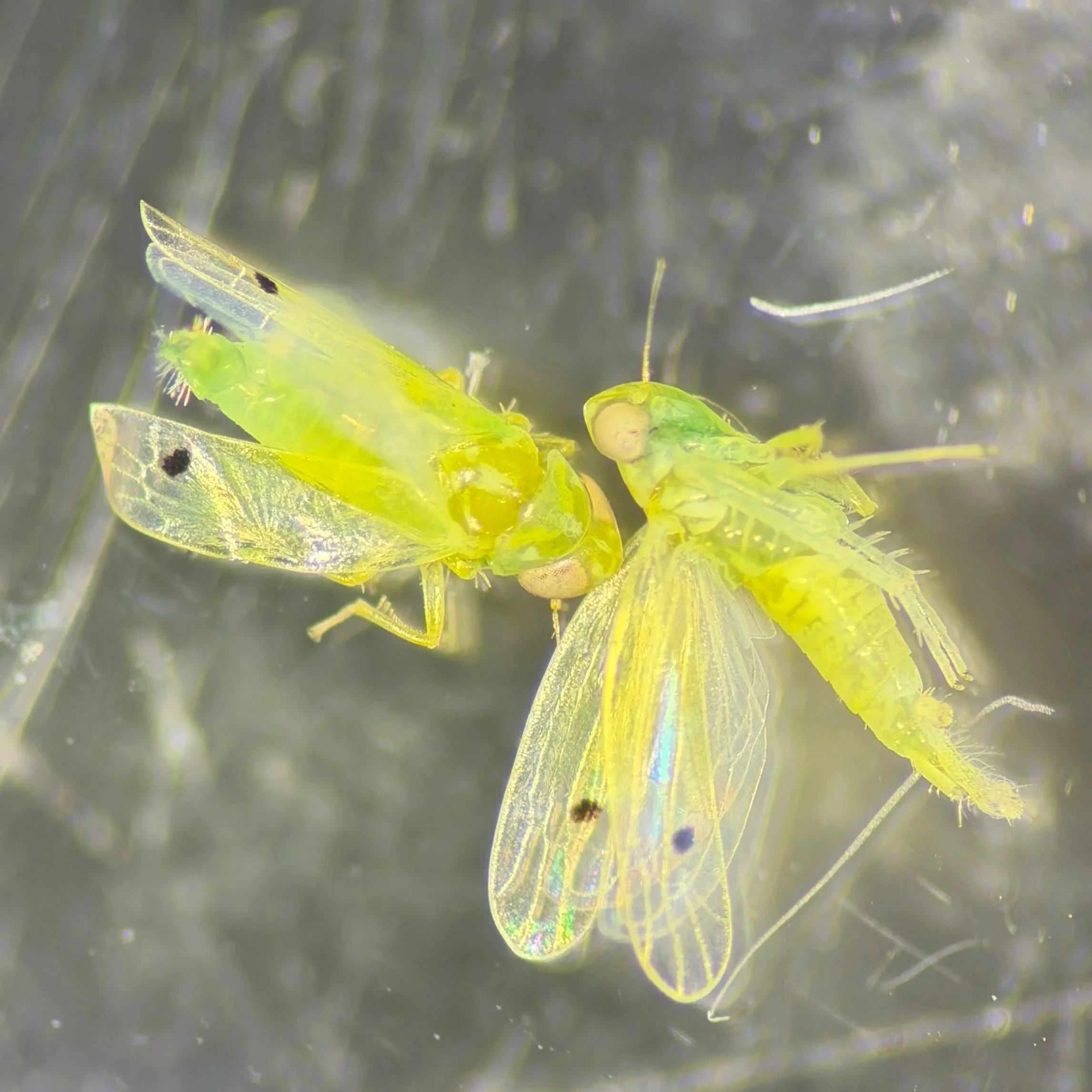
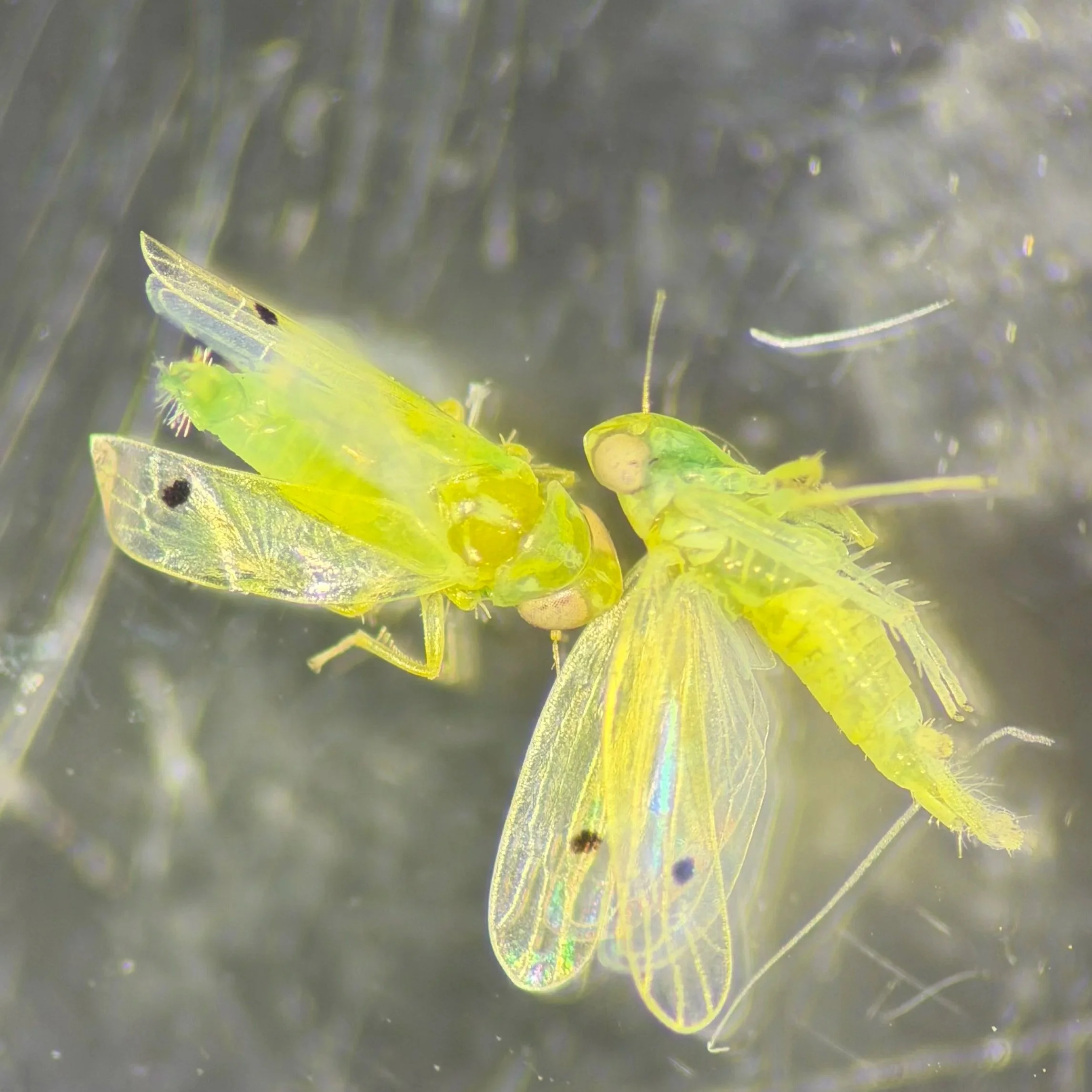
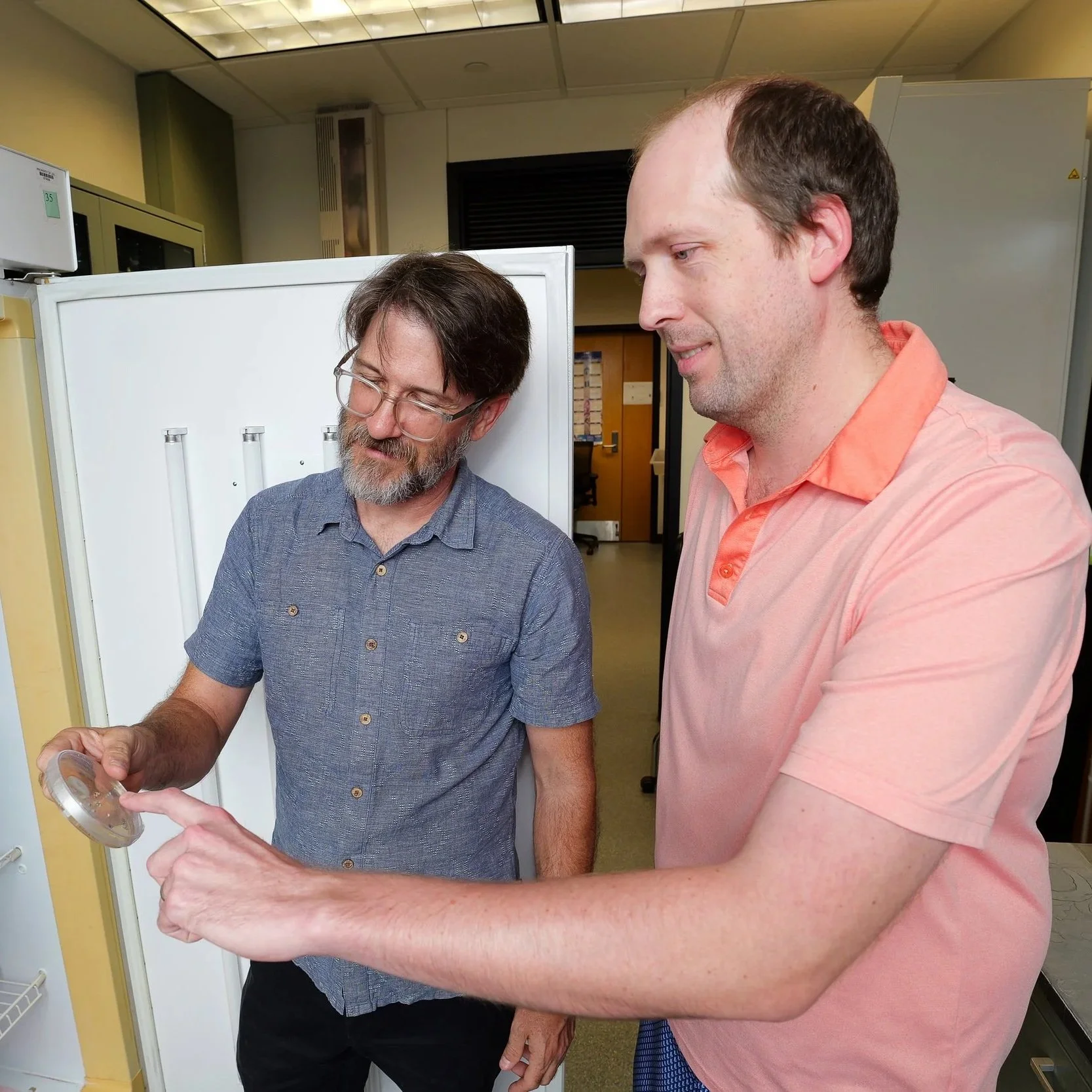
Try to Spot the Two-Spot Cotton Leafhopper: LSU AgCenter Researchers Receive USDA Grant to Raise Awareness
With fall upon us, many a Louisianan’s mind turns to that first piping hot pot of gumbo simmering on the stove. But if the cotton jassid (Amrasca biguttula) has its way, one favorite ingredient — okra — may have to be left off the ingredient list.
Read More
4-H Youth Spread Hope One Coffee Sleeve At A Time During Suicide Prevention Month
Sometimes a simple message can make a difference. That was the idea behind a 4-H suicide prevention project in Calcasieu Parish that started with markers, coffee sleeves and a group of 4-H’ers hoping to spread encouragement.
Read More
Louisiana Crops Newsletter--September, 2026
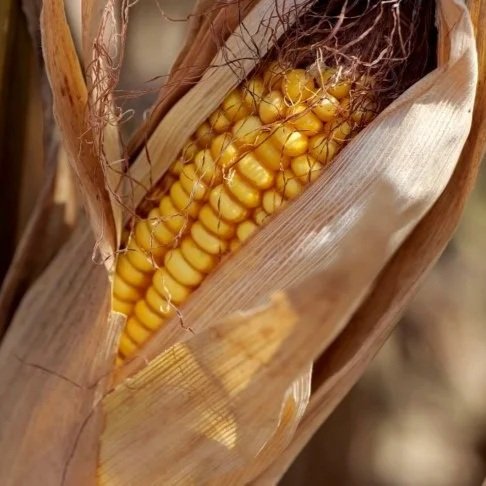
There has been an abundance of ear rots reported in Louisiana throughout this growing season. As the harvest window is winding down, and with many growers already finished with harvest, I have heard of one reoccurring issue in particular: aflatoxin. There have been reports of heavy docking and even loads being rejected at the elevators. In addition to this, there are now many growers who are planning to store their grain who have been inquiring about storage guidelines for infected grain.
Read More
Try to Spot the Two-spot Cotton Leafhopper: LSU AgCenter Researchers Receive USDA Grant to Raise Awareness
With fall upon us, many a Louisianan’s mind turns to that first piping hot pot of gumbo simmering on the stove. But if the cotton jassid (Amrasca biguttula) has its way, one favorite ingredient — okra — may have to be left off the ingredient list.
Fortunately, LSU AgCenter researchers, armed with U.S. Department of Agriculture funding, just might save your mamaw’s recipe.
Read More
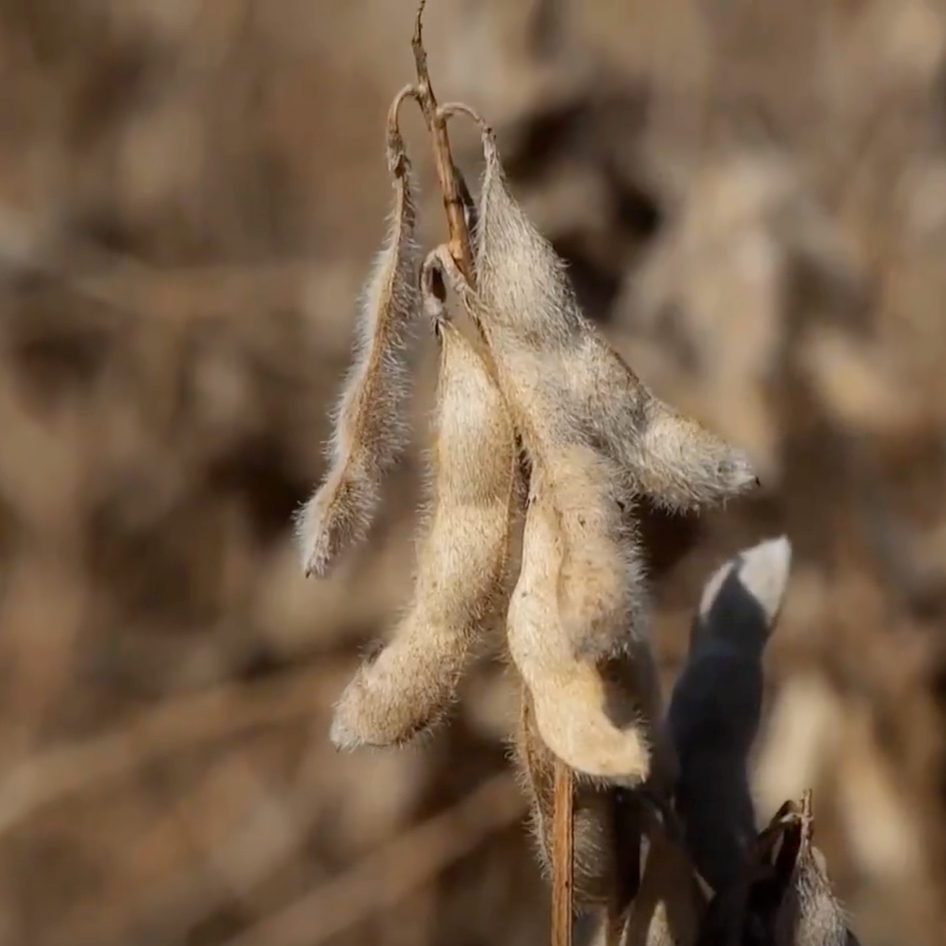
LSU AgCenter Soybean Trials Put Varieties to the Test
The LSU AgCenter is testing soybean varieties across Louisiana to help farmers make more informed planting decisions.
Soybean specialist David Moseley said about 10 varieties are being tested at roughly 10 locations across the state. The trials also give researchers a chance to see how different farming practices affect the crop.
Read More
Rising Prices Helping but Haven't Caught Up with Increasing Input Costs
A rally in commodity prices is helping Louisiana farmers absorb much of the higher input costs for fuel and fertilizer, but economists are not sure how long it will last. LSU AgCenter reporter Craig Gautreaux spoke with an ag economist about the current runup in farm products.
Read More
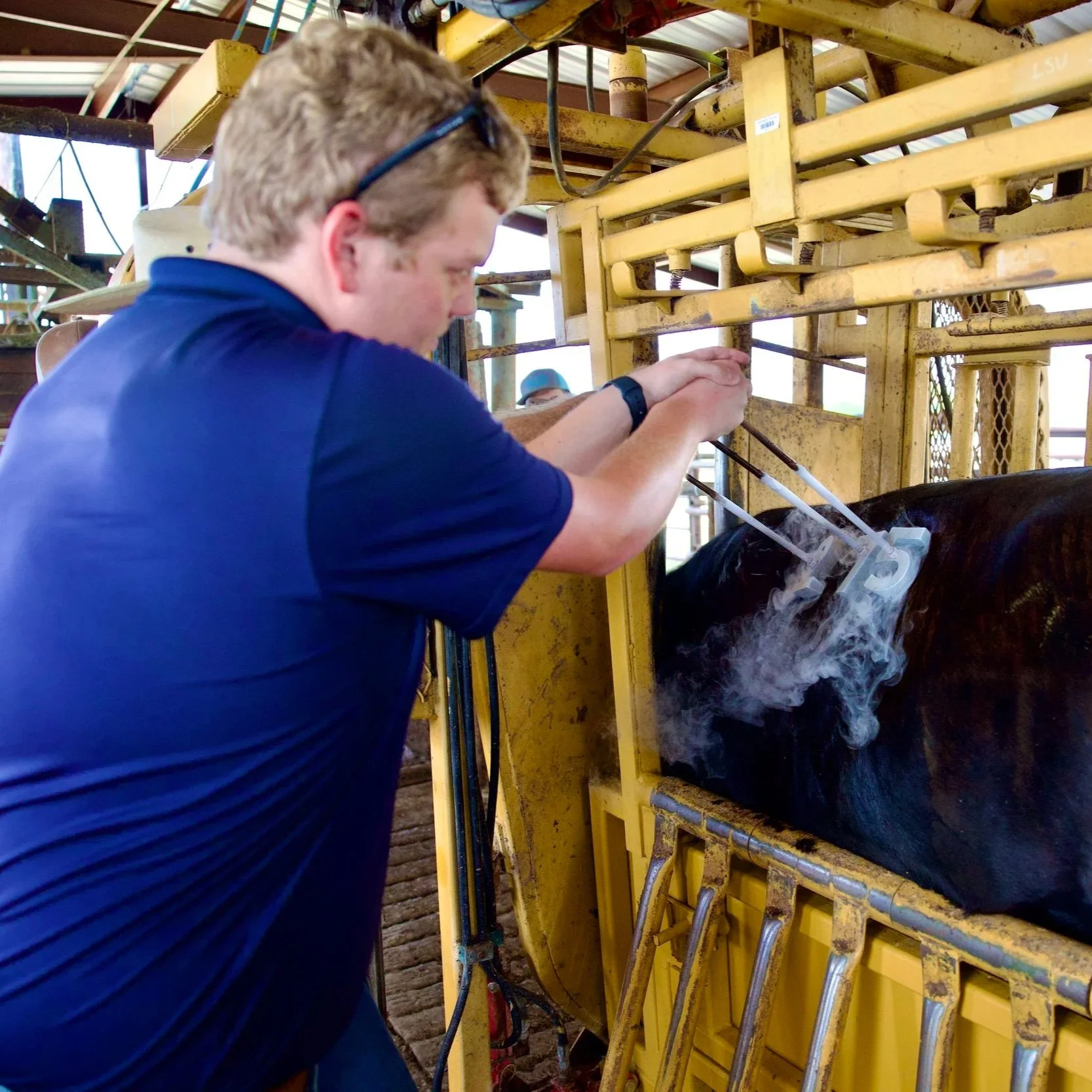
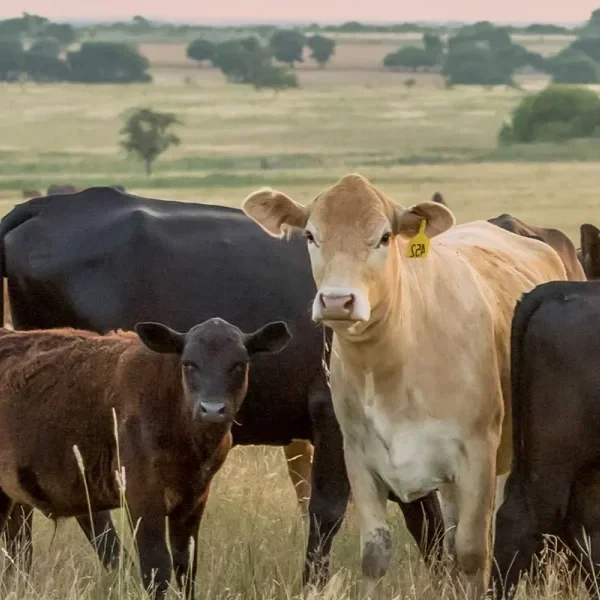
Beef, Forage Field Days Focus On Cattle ID Methods, Soil Drainage, More
The waning days of summer brought researchers and producers together in central and northeast Louisiana with the focus on improving multiple aspects of the cattle business at the LSU AgCenter’s annual beef and forage field days.
Read More
Get Lost in Fun at the Corn Maze at Burden This October
For another year, the LSU AgCenter Botanic Gardens at Burden will host the Corn Maze at Burden.
Read More
Crop Market Report - September 2026
This month’s 2026/27 U.S. corn outlook is for smaller supplies, lower domestic use, unchanged exports, and reduced ending stocks. Projected beginning stocks for 2026/27 are 23 million bushels lower based primarily on a larger export forecast for 2025/26. Corn production for 2026/27 is forecast at 15.8 billion bushels, 213 million down from last month on a 2.2-bushel reduction in yield to 178.5 bushels per acre and a fractional decrease in harvested area to 88.5 million.
Read More
Rice Field Day Showcases Conservation Techniques Studied in AgCenter Grant Project
Farmers, conservation partners and LSU AgCenter researchers gathered for a field day focused on soil health, nitrogen management and watershed protection in rice‑growing areas of southwest Louisiana.
Read More
Economics of Backgrounding Calves on Winter Forage in 2026
As fall approaches and spring-born calves are being weaned, many cattle producers are evaluating whether those calves should be sold at weaning or retained and backgrounded on winter forage before being marketed at heavier weights. Likewise, producers operating stocker enterprises are determining whether current market conditions justify purchasing lightweight calves for winter grazing programs. One factor complicating these decisions in 2026 is the continued drought affecting many areas of Louisiana. For some producers, the ability to successfully establish winter forage may ultimately determine whether backgrounding is even feasible.
Read More
Cattle Market Update
Over the past couple of months, cattle markets have been confronted with several developments that have increased both uncertainty and volatility. The typical seasonal downturn in beef demand during the hottest part of the summer appears to have been more pronounced and longer lasting than normal, as extreme temperatures contributed to a significant summer slowdown in beef movement. As a result, carcass cutout values declined, eventually placing pressure on both fed cattle and feeder cattle prices.
Read More
Livestock Risk Protection (LRP) for Feeder Cattle
The Livestock Risk Protection (LRP) program is a federally subsidized insurance policy designed to help cattle producers manage price risk. The policy guarantees a price level for cattle at a specific future date. If actual prices at that time fall below the guaranteed price, the policy pays an indemnity equal to the difference. In this way, LRP establishes a price floor for cattle, similar to purchasing a futures put option.
Read More
LSU AgCenter Researchers Receive $1.5 Million Grant to Study Hidden Links Among Crop Diseases
For many years, farmers have battled leaf spot diseases caused by fungi in the genus Cercospora. And for almost as many years, plant pathologists have studied the diseases, searching for fungicides, growing practices and other ways to limit their negative effects on crops.
Read More
Crafts, Sports, Weightlifting Explain Agricultural Topics at AgReimagined
Weightlifting, sports and crochet may not have much to do with agriculture by themselves, but at the AgReimagined Symposium, they were crucial to educating attendees on agricultural research and techniques.
On Aug. 10, three student workers and two assistant professors with the LSU AgCenter presented their ideas for new ways to explain and teach agricultural concepts in relatable ways. The event was hosted at the AgCenter Tom H. Scott Research, Extension and Education Center in Winnsboro.
Read More