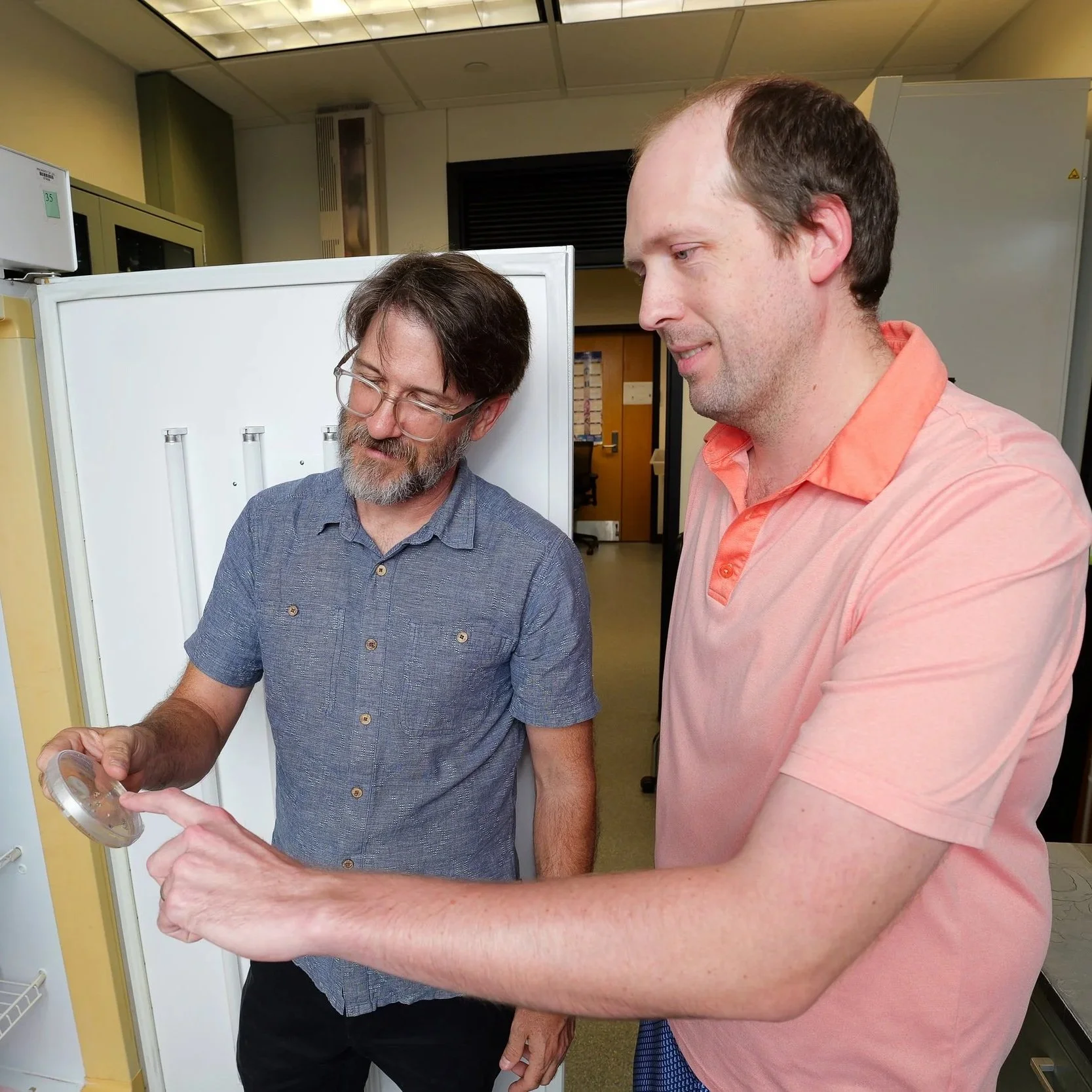
LSU AgCenter Researchers Receive $1.5 Million Grant to Study Hidden Links Among Crop Diseases
For many years, farmers have battled leaf spot diseases caused by fungi in the genus Cercospora. And for almost as many years, plant pathologists have studied the diseases, searching for fungicides, growing practices and other ways to limit their negative effects on crops.
Read More
Crafts, Sports, Weightlifting Explain Agricultural Topics at AgReimagined
Weightlifting, sports and crochet may not have much to do with agriculture by themselves, but at the AgReimagined Symposium, they were crucial to educating attendees on agricultural research and techniques.
On Aug. 10, three student workers and two assistant professors with the LSU AgCenter presented their ideas for new ways to explain and teach agricultural concepts in relatable ways. The event was hosted at the AgCenter Tom H. Scott Research, Extension and Education Center in Winnsboro.
Read More
Summer of growth: LSU AgCenter Interns Discover Careers Through Extension
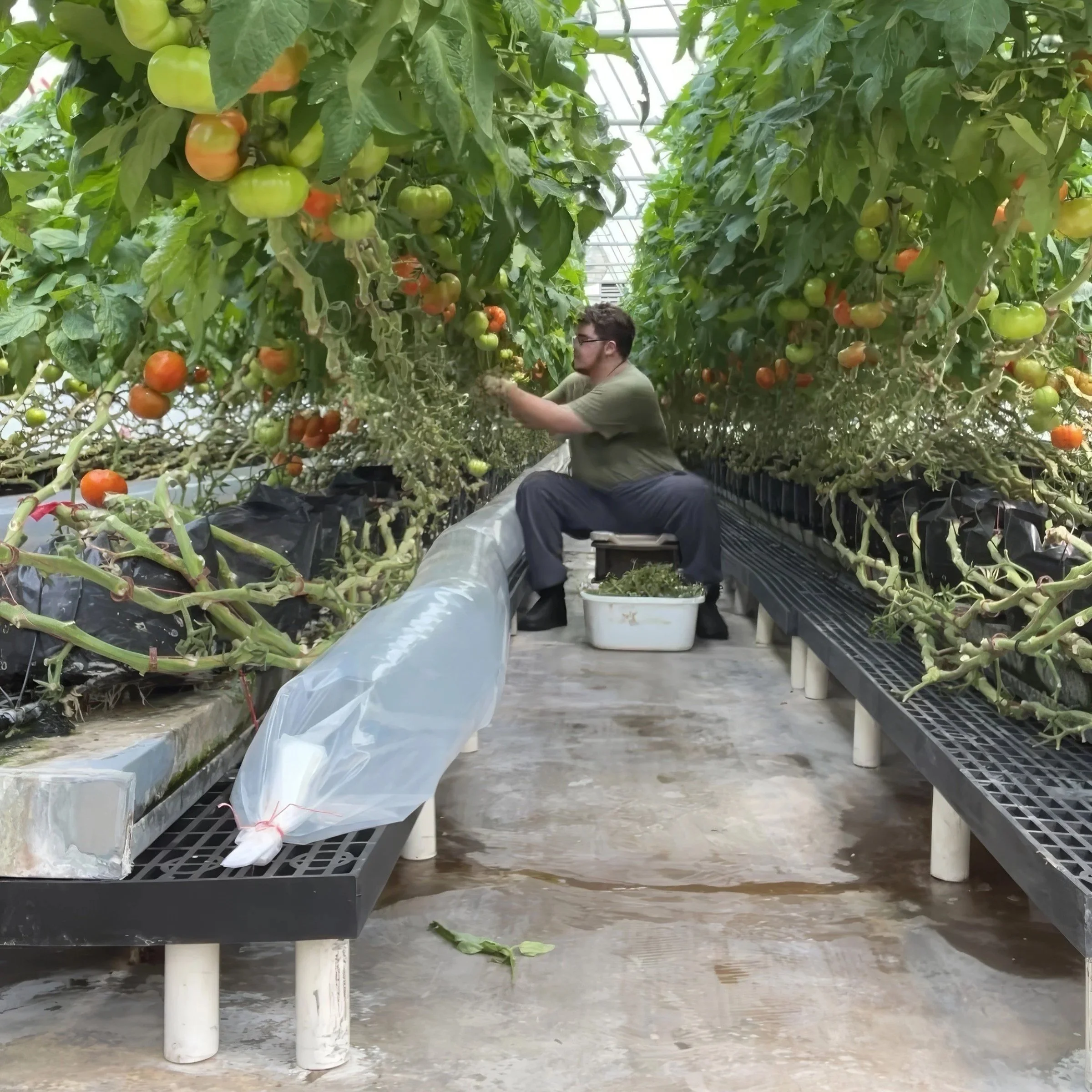
A greenhouse can be an uncomfortable place to spend a Louisiana summer, but for Lawrence Harrison it was an ideal spot to gain hands-on experience for his future career.
Harrison, a biology major at LSU Shreveport, worked as a horticulture intern at the LSU AgCenter Red River Research Station. His internship was part of the Louisiana Cooperative Extension Service (LCES) Internship Program.
Read More
With Interest Brewing Among Growers, AgCenter Teaches the Science and Art Behind Tea Production
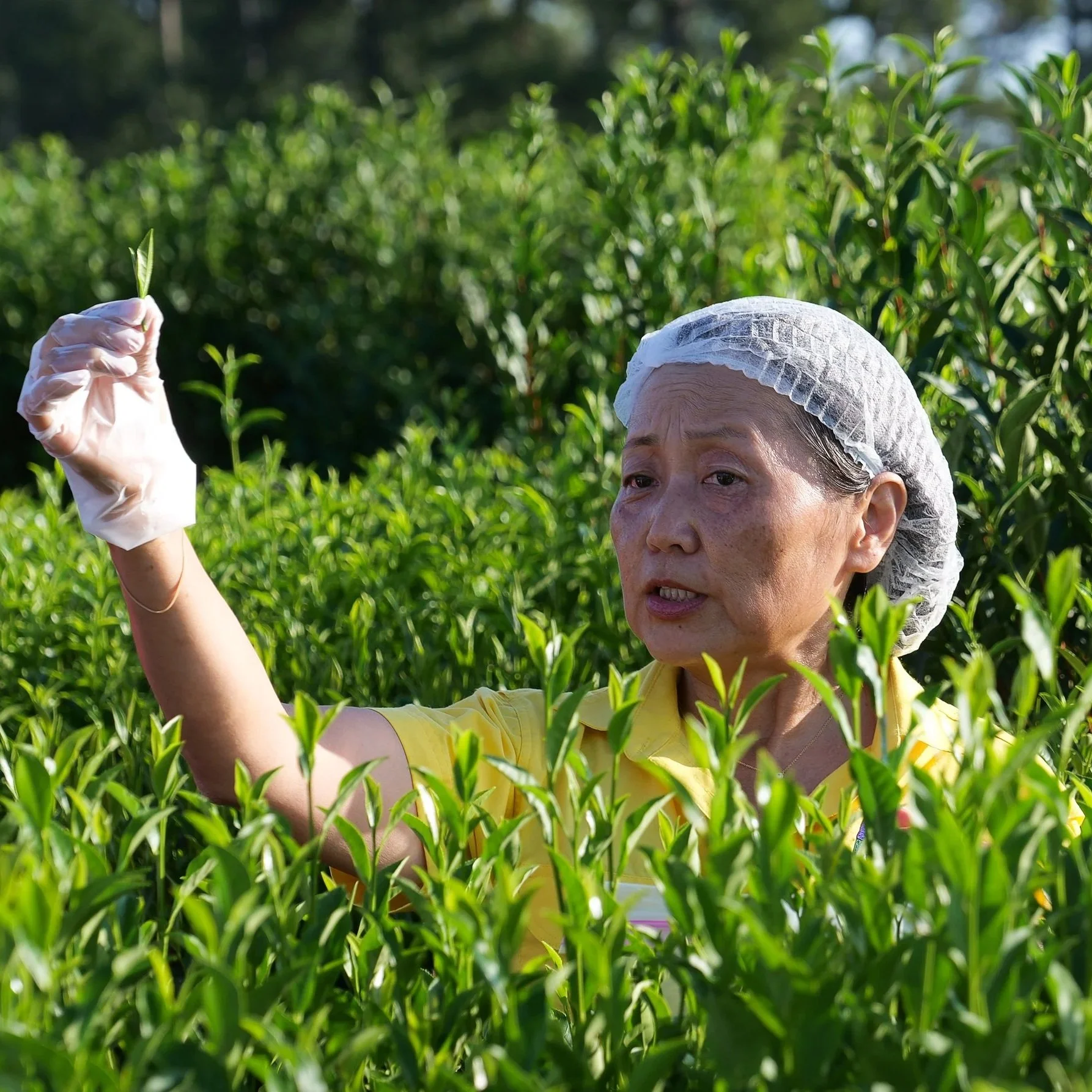
On a recent Friday at the LSU AgCenter Hammond Research Station, an aroma reminiscent of freshly cut grass filled a meeting room. Participants in a workshop on tea production had returned from a field outside where they’d plucked tender leaves earlier in the morning and were now learning the art of transforming them into tea.
Read More
Late-Season Soybean Management: Protecting Seed Size and Preparing for Harvest
Best management decisions during the final weeks of the season can have a significant impact on yield and profitability.
Read More
Delta Rancher Newsletter: August 2026
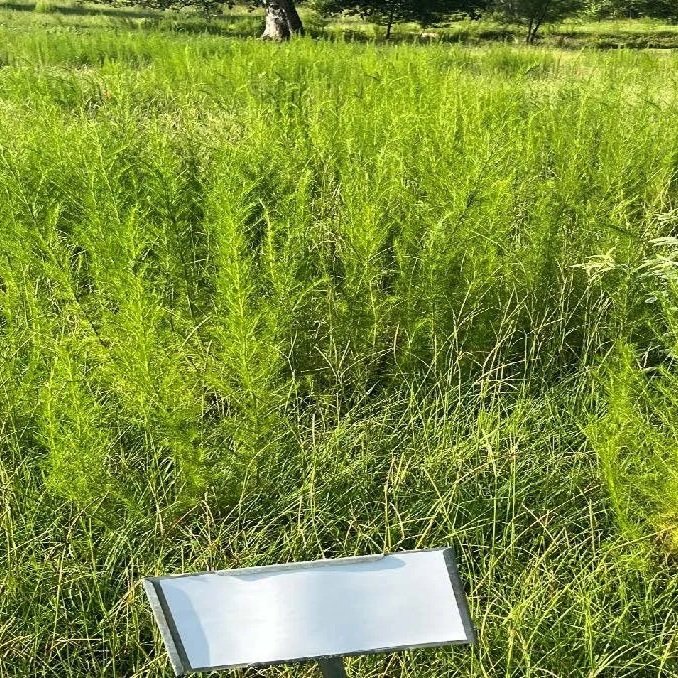
Dogfennel is a commonly occurring weed in the southeast that if left uncontrolled can negatively impact forage production. Dogfennel is an aggressively growing native perennial that reproduces by windborne seeds as well as large amounts of rootstocks. Identification of this weed is quite easy. Dogfennel has an upright growth pattern with thin wispy leaves that have a distinct odor if crushed. The main stem of the plant typically does not branch and can have a mature height of 8 feet. Dogfennel typically thrives in areas with poor soil fertility as well as areas that are not intensively managed.
Read More
Pasture Mealybug Update: August 19, 2026
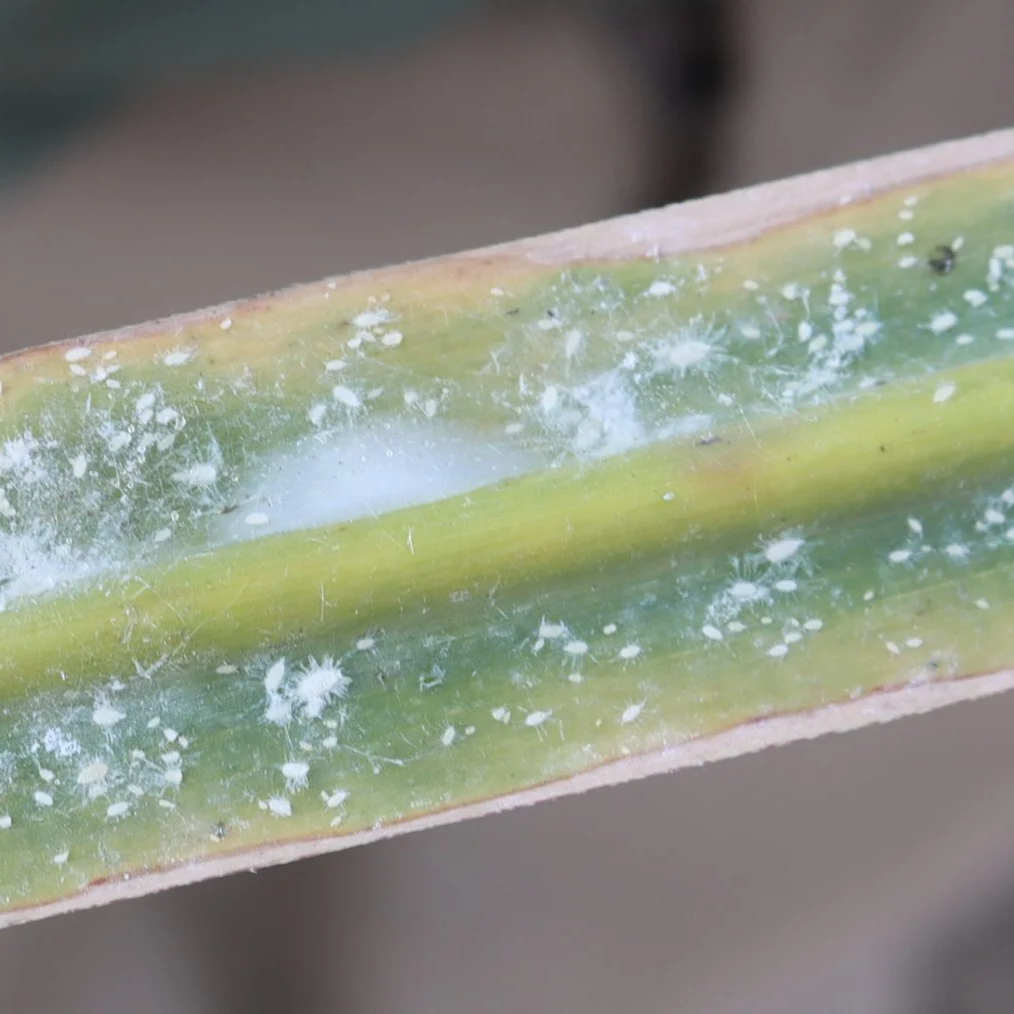
We finally got the data back from the LSU Ag Chemistry lab evaluated imidacloprid residue in/on leaves collected 2 and 6 days after application using drop tips from a hiboy, overhead with a CO2 backpack sprayer or untreated control plants (where the hiboy went through but did not actively spray in that area). We then collected leaves (n=5 per treatment) with no visible symptoms (green), those with partial symptoms (yellowing either at the tip or along half of the leaf), and those fully yellowed.
Read More
Sugarcane Disease Sampling and Testing
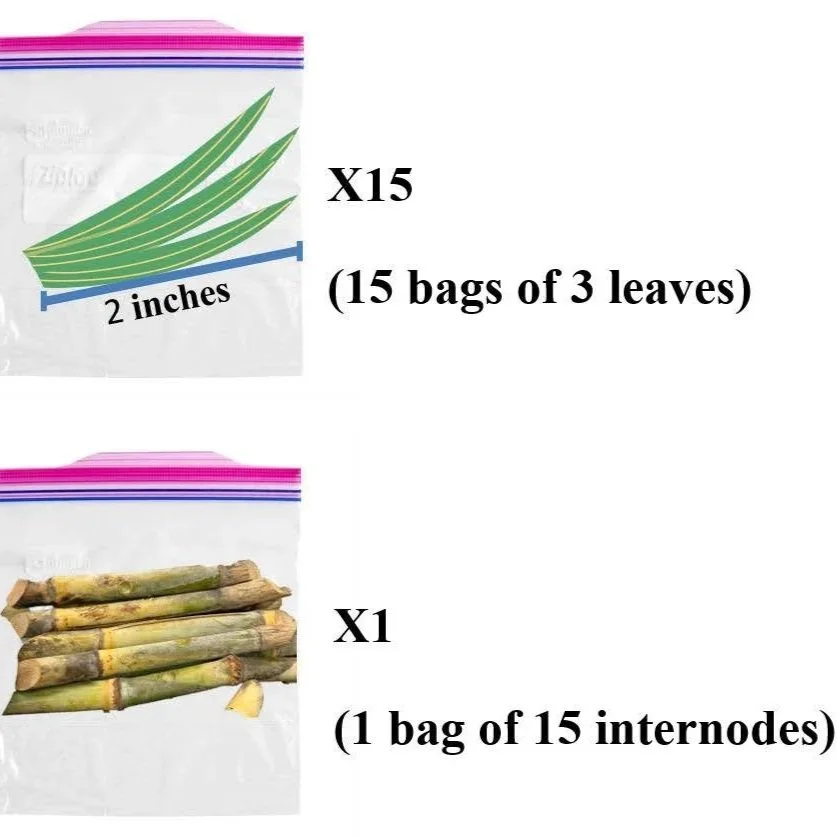
Sugarcane diseases are managed primarily through varietal resistance, which is an inherent trait that is selected by breeders with the help of plant pathologists. Resistance can be described as the ability that a variety has to fight diseases. Our sugarcane varieties in Louisiana were selected over the years to resist diseases, however, sometimes pathogens change and are able to overcome these resistant traits. Additionally, some of our varieties cannot completely resist diseases, therefore, we need to manage these diseases in an integrated way, by incorporating new management strategies in our farms.
Read More
Louisiana Youth Mentors Honored At 4-H Hall Of Farm Ceremony
Taking the lectern at the Louisiana 4-H Hall of Fame ceremony, state office honoree Robert F. Richard recalled a time from the late 1980s where he met a St. Martin Parish youth who wanted to show a lamb at a livestock show like her older brother had done.
Read More
Timber Tales Newsletter: Fall 2026
The stumpage prices below are the statewide averages and are intended to demonstrate the general trends in the market. The current value of timber can differ greatly across parishes, species, tree quality, market access, and other factors. Forest landowners considering a timber sale are encouraged to contact a consulting forester for assistance.
Read More
Crop Market Report - August 2026
This month’s 2026/27 U.S. corn outlook is for lower supplies, unchanged domestic use, larger exports, and smaller ending stocks. Corn production is forecast at 16.0 billion bushels, up just 13 million from last month with a 1.2-million acre increase in harvested area that was largely offset by a reduced yield forecast. This would be the second largest U.S. corn harvest on record.
Read More
LSU AgCenter Co-Hosts Louisiana Food Is Medicine Convening iIn Baton Rouge
The LSU AgCenter recently co-hosted the second Louisiana Food Is Medicine Convening in Baton Rouge in partnership with the Louisiana Department of Health’s Bureau of Chronic Disease Prevention and Healthcare Access, also known as Well-Ahead Louisiana.
Read More
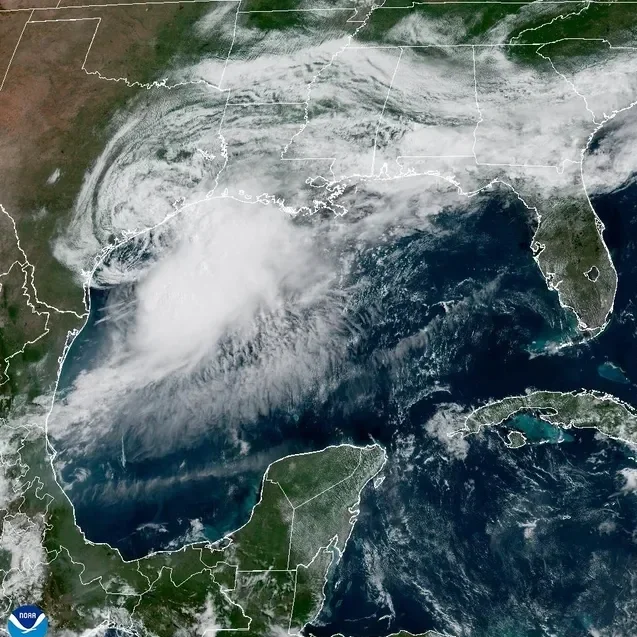
Economic Impact of Tropical Storm Arthur on Louisiana Agriculture Exceeds $112 Million
Although a mostly disorganized system while circulating in the Gulf, Tropical Storm Arthur produced historic rainfall and widespread flooding across portions of central Louisiana on June 18 and 19. That resulted in extensive damage to agricultural production and infrastructure to the tune of more than $112 million, according to a survey conducted by the LSU AgCenter.
Read More
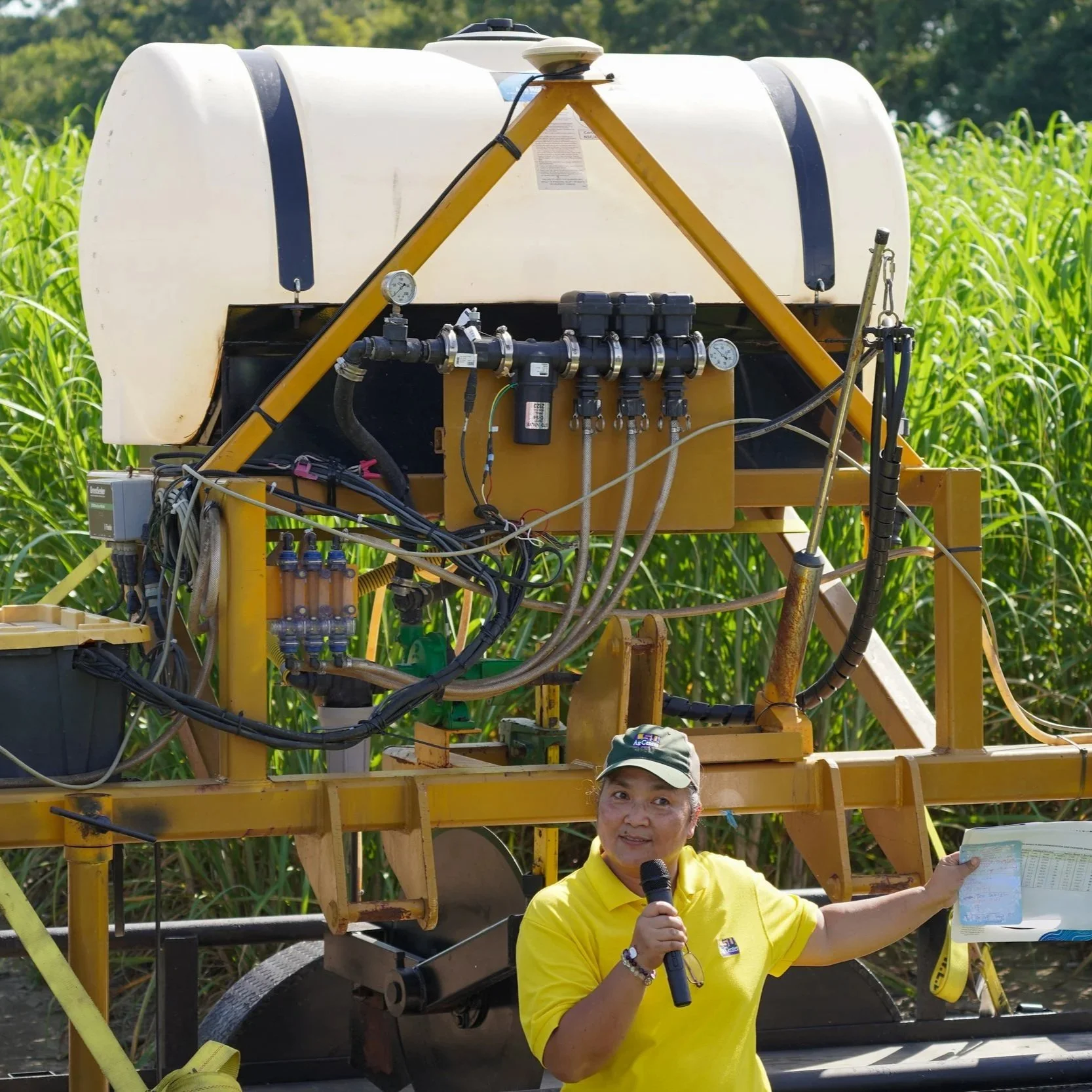
Variable Rate Technology for Fertilizer Highlighted at Jeanerette Field Day
Sugarcane growers learned about a fertilizer management tool designed to improve efficiency and reduce input costs during a field day July 22 at the LSU AgCenter Iberia Research Station.
Read More