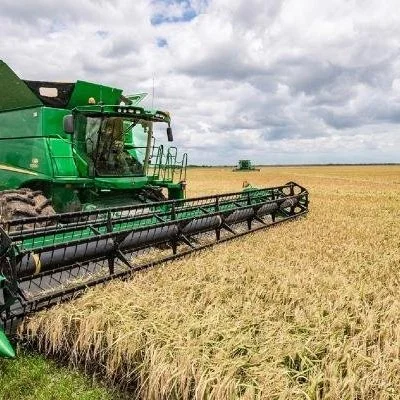
July Market Update for Corn, Soybeans, Rice, and Cotton
This month’s 2022/23 U.S. corn outlook is for larger supplies and higher ending stocks. Corn beginning stocks are raised 25 million bushels, based on reduced feed and residual use for 2021/22 as indicated in the June 30th Grain Stocks report.
Read More
Louisiana Farm Bureau Endowment to Fund Tow AgCenter Professorships
The Louisiana Farm Bureau Federation recently gave the LSU AgCenter a generous endowment to fund two professorships in agricultural policy.
Read More
New Varieties, New Faculty Highlight 113th LSU AgCenter Rice Field Day
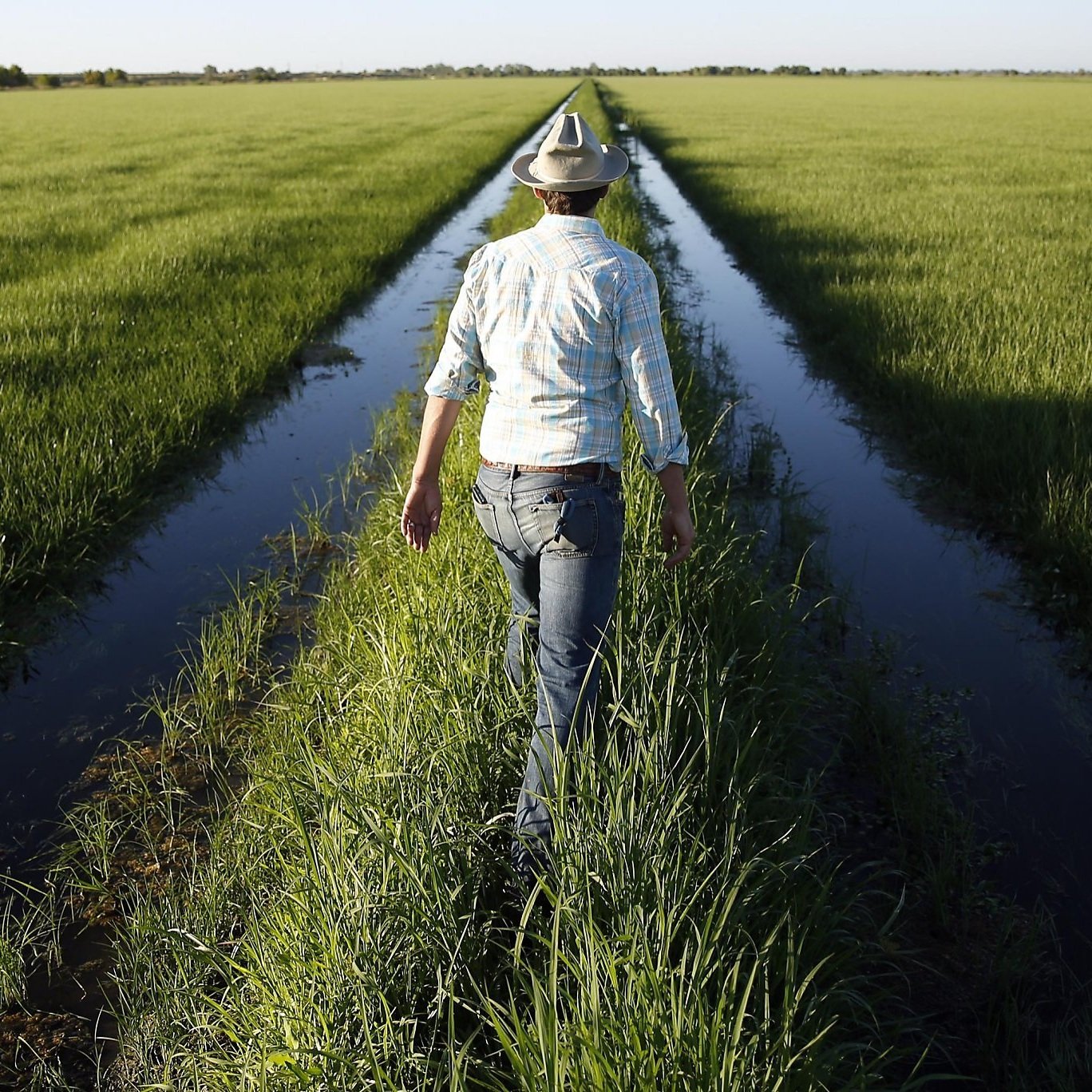
As the 2022 rice growing season rolls steadily along, rice growers and rice industry professionals gathered at the LSU AgCenter’s H. Rouse Caffey Rice Research Station for its 113th annual Rice Field Day.
Read More
LSU Researchers Moving Closer To Feral Hog Bait
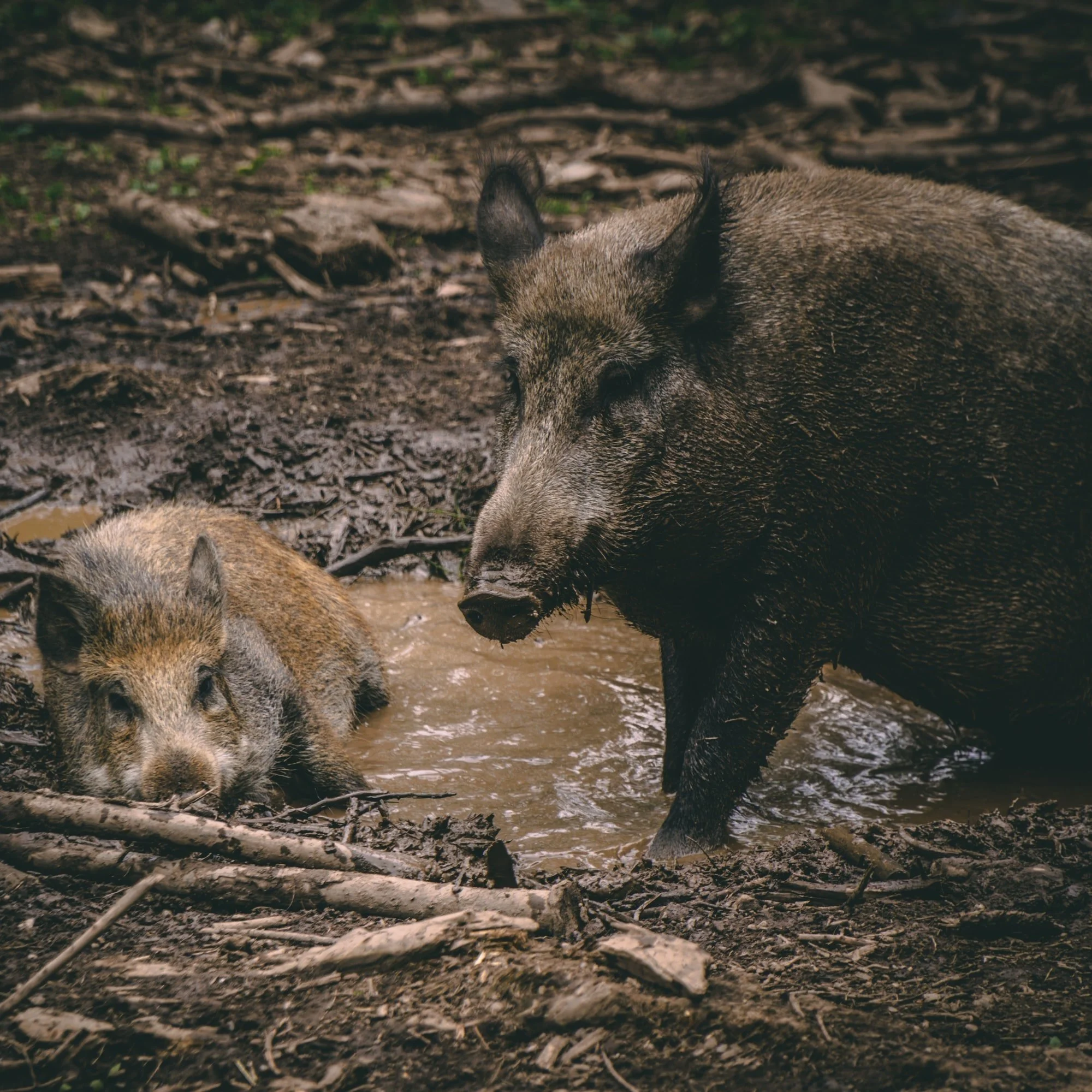
Dr. Glen Gentry, Feral Swine Specialist at the LSU AgCenters Idlewild Research Station in East Feliciana Parish, has been working almost twenty years on finding a way to control feral hogs, using sodium nitrite as a bait. Now, he says, they may be getting close.
Read More
$1.5 Million Federal Grant Assists Expansion Of AgCenter Food Innovation Institute
The LSU AgCenter Food Innovation Institute has received a five-year, $1.5 million U.S. Department of Commerce Economic Development Administration grant to update and expand its facility adjacent to the LSU campus in Baton Rouge.
Read More
Sugarcane Variety Recommendations for Louisiana in 2022
To date, 2022 has been a good year for sugarcane production in Louisiana. The dry grinding season of 2021 made for a good start for this year’s sugarcane crop. A dry spring and early summer helped farmers conduct timely field operations.
Read More
Field Day Highlights Best Management Practices
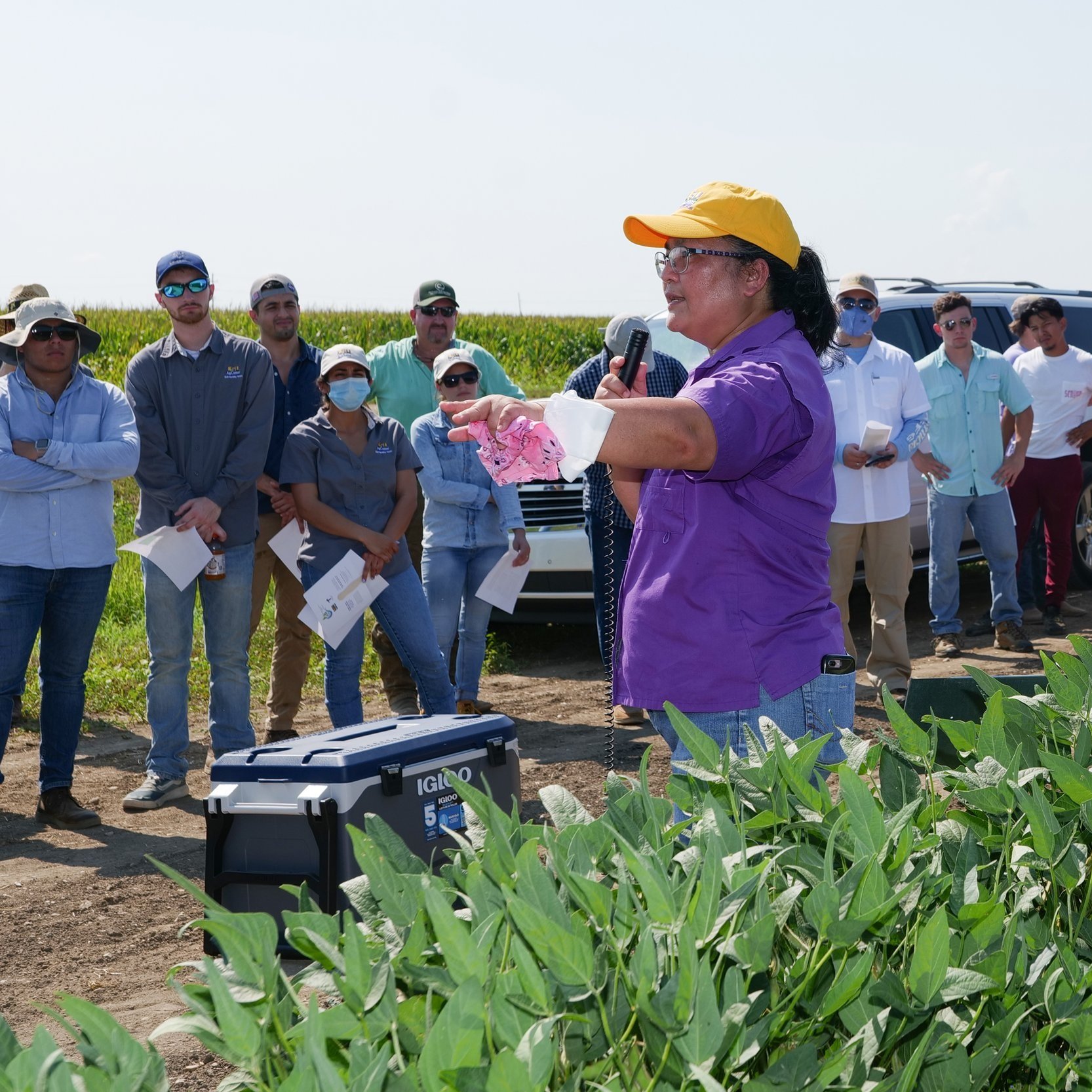
Standing in a soybean field, Lisa Fultz pulled six plastic bottles out of an ice chest and passed them around to dozens of farmers, students and others looking on with interest despite the blazing summer heat.
Each bottle was marked with a date and filled with dirty water — some that was relatively clear, some that looked more like chocolate milk.
Read More
Louisiana Rice Crop In Good Shape As Harvest Approaches
Hot, sunny weather was what rice farmers were hoping for after last year’s nearly 100 inches of rain across south Louisiana. The state’s rice crop is maturing quickly, and combines will be in the fields soon. LSU AgCenter reporter Craig Gautreaux has the story from southwest Louisiana.
Read More
4-H Students Learn The Importance Of Louisiana's Coastal Environment
A group of Louisiana 4-H students got to experience the wonders of Louisiana’s coast but learned that this area is disappearing. The week long camp showed how important the wetlands are to not only the state but to the country. LSU AgCenter correspondent Craig Gautreaux has the story from Louisiana’s coast.
Read More
Louisiana Crops Newsletter Volume 12, July '22
With much of the corn crop denting, kernels are filling weight and size. Since heat unit accumulation has been higher this year, the crop is moving along at a much faster pace. As the corn crop approaches maturity, one of the most important management decisions you will make is when to terminate irrigation.
Read More
Soybean Planting Dates: A Historic Review
The early soybean production system (ESPS) was proposed in the mid-1990s for the Southern United States. This practice consisted of growing varieties with a maturity group of III and IV and a planting date between mid-April to mid-May instead of the traditional recommendation of planting a maturity group V-VII variety between May and June, which was known as a full-season production system.
Read More
Largest Endowed Scholarship In Louisiana 4-H History Honors Louisiana Legend
A $100,000 scholarship has been given to support Louisiana 4-H, making it the largest endowed scholarship in the history of the organization.
The Dr. Joel Lafayette Fletcher, Jr. 4-H Scholarship is funded by Fletcher’s grandson, Paul D. Nevels, a class of 1972 LSU graduate, to honor the legacy of his grandfather — a legacy that includes a life-long dedication to student success and personal growth.
Read More
Sugarcane Field Day To Be Held July 20 In St. Gabriel
The LSU AgCenter will hold its sugarcane field day Wednesday, July 20, at the Sugar Research Station in St. Gabriel.
The field day will begin with a field tour covering multiple topics from AgCenter specialists.
Read More
4-H, FFA Members Put Skills On Display At AgCenter State Horse Show
Chip the horse has some interesting habits.
He loves peppermint candy, and his ears perk up whenever he hears the sound of a wrapper rattling. And he’s known to randomly stick his tongue out — something that always puts a smile on the face of his owner, Aliegh Pourciau.
Read More
Pasture to Market Newsletter: July 2022
Resistance to antimicrobial drugs (Abx) is a major threat to both human and animal health. The Abx we currently have are not working as well as in the past, and new Abx are unlikely to be discovered.
Read More