An Eye To The Future: Plant Breeders Work To Improve Crops
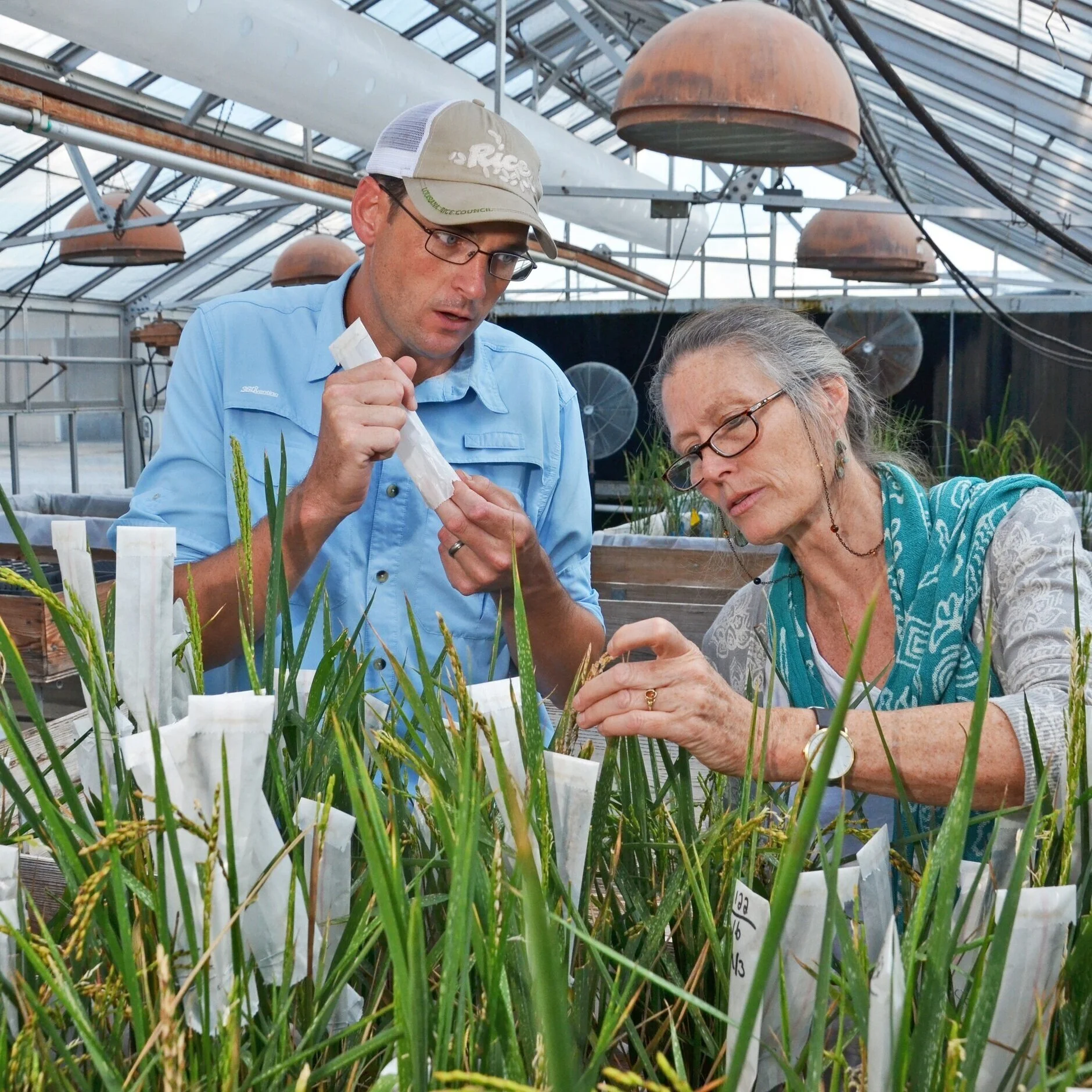
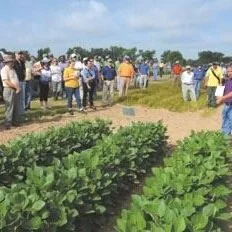
As long as people have farmed the earth, they have adapted plants to fit their needs.
Today, plant breeders improve crops to resist disease and pests, adapt to the environment and produce greater amounts of food, fiber and fuel.
The LSU AgCenter funds breeding programs for most of Louisiana’s major crops, with researchers constantly seeking improvements to help the state’s growers by developing improved varieties.
Read More
Soil Health Forum
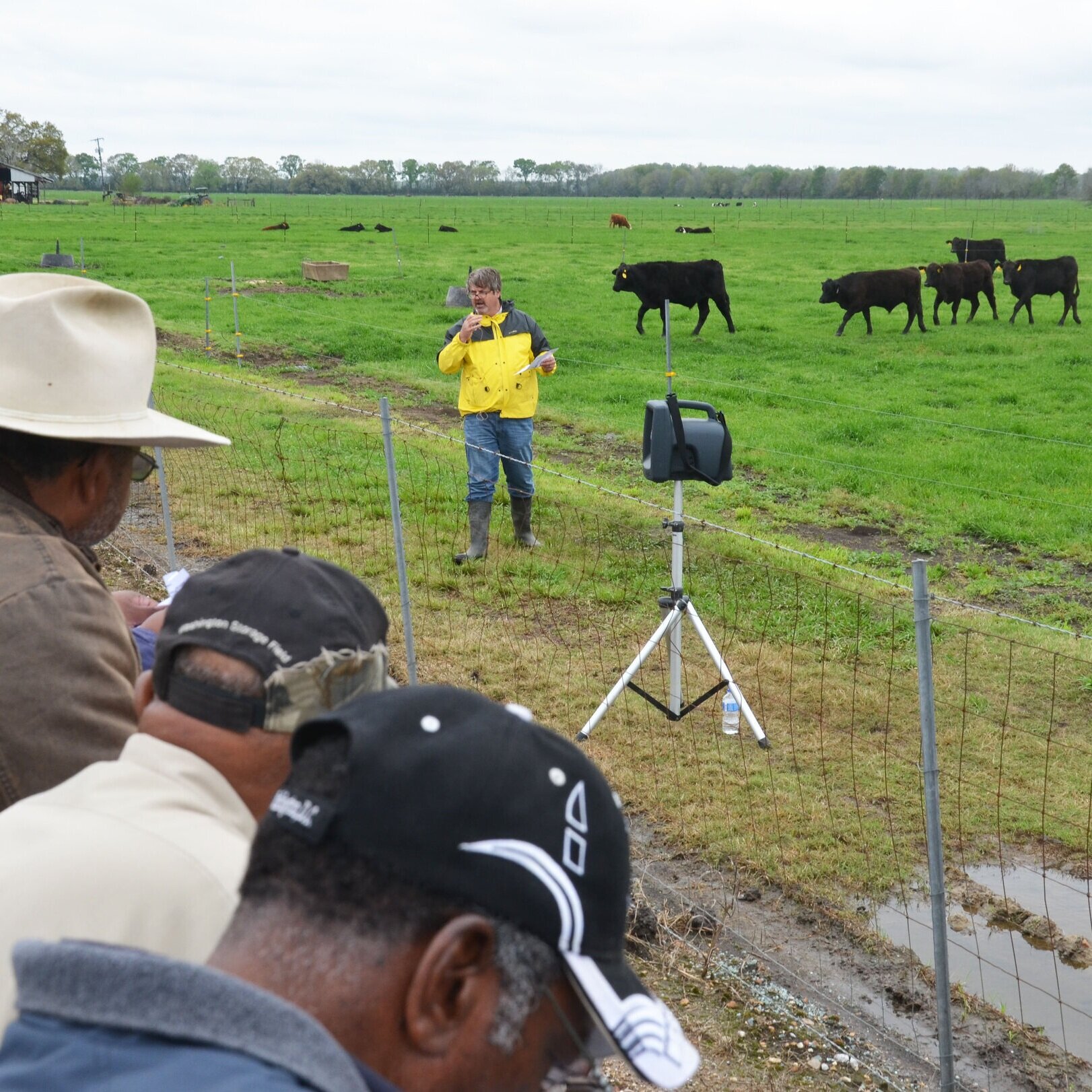
A Soil Health Forum for crops and livestock will be held July 15th at the Scott Civic Center in New Roads, 1200 Major Parkway, with registration starting at 8:30 AM. Topics covered during the forum include basics of soil health, research project overviews of Best Management Practices, improving soil fertility in sugarcane systems, managing cover crops and weeds in sugarcane, cover crop economics/decision making tools, impacts of cover crops in pastures, management strategies for improving pasture soil and carbon sequestration/carbon credit markets.
Read More
LA Cotton: Plant Bug Identification, Control
With Louisiana experiencing warm days and adequate moisture, much of the cotton has grown out of the thrips susceptibility stage (1-4 leaf cotton) and is beginning to put on squares. Square initiation results in an increased presence of a diverse cohort of plant bugs and below is an adult and immature guide to aid in the identification of plant bugs in cotton.
Read More
Packing A Week Into A Day: On the Road With Camp Grant Walker
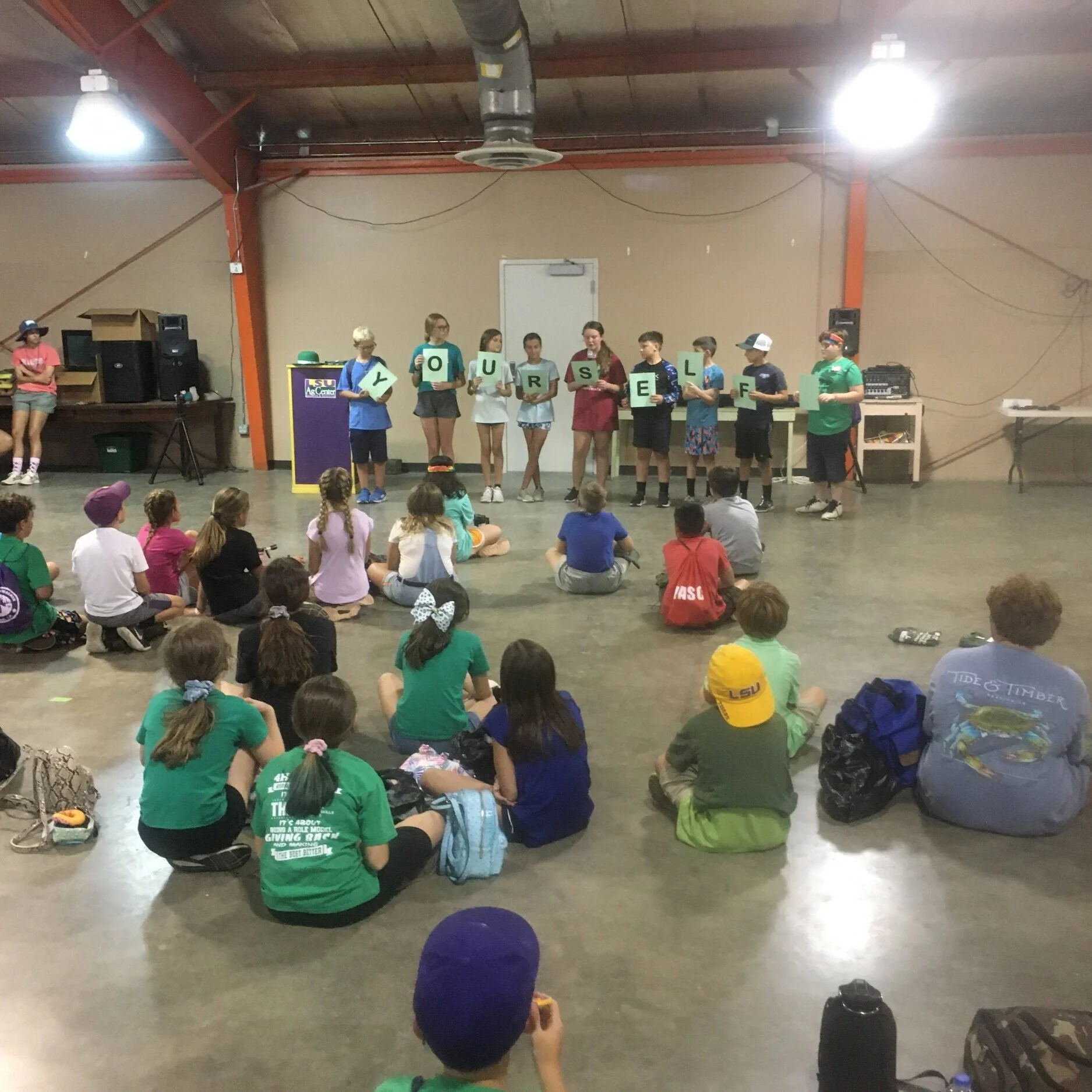
For decades, the highlight of many Louisiana 4-H participants’ summer has been their trip to the LSU AgCenter’s Camp Grant Walker, where they spend a fun-filled week learning new skills and making new friends.
The campgrounds in Pollock are empty this summer, though, as several buildings that were damaged during hurricanes in 2020 await repairs.
Read More
Northeast Research Station Plans 2 Field Days Next Month
The LSU AgCenter Northeast Research Station is planning two field days for July: one about row rice production on July 15, and another focused on cotton, corn and soybeans on July 27.
Read More
LSU AgCenter Breeding Programs: Foundation To Sustainability In Crop Production
It all begins with a seed! Louisiana agriculture is deeply rooted in the history and development of the signature plant commodities featured in this issue. Higher yielding varieties with superior performance and quality attributes are foundational to successful farming operations. Regardless of crop, there exists a continuous need to increase yield and quality. This goes back more than 225 years to the birth of Louisiana’s oldest commodity — sugarcane. LSU AgCenter scientists have worked in concert with producers and industry leaders to address production and pest management constraints, with an overarching goal of increasing profitability and sustainability.
Read More
2021 Farmer Training Program Online Workshop being held June 23
The online workshop will be held virtually June 23 at 4 pm.
These mini-workshops are designed to provide entrepreneurial farmers with the essential skills and training needed to manage a sustainable farming business.
Read More
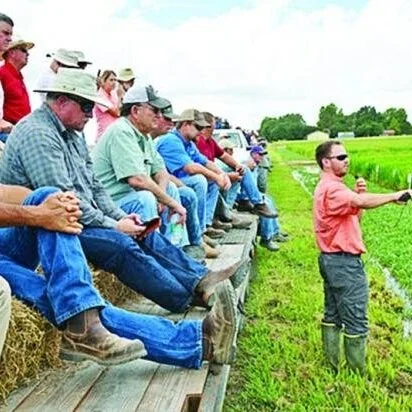
AgCenter Rice Field Day June 30
After only being allowed to meet virtually last year, rice farmers will be able to put boots on the ground at this year’s rice field day, which will be held at the LSU AgCenter H. Rouse Caffey Rice Research Station.
As in past years, the program will begin with field tours from 7:15 to 9 a.m., with a poster session and a trade show running concurrently.
Read More
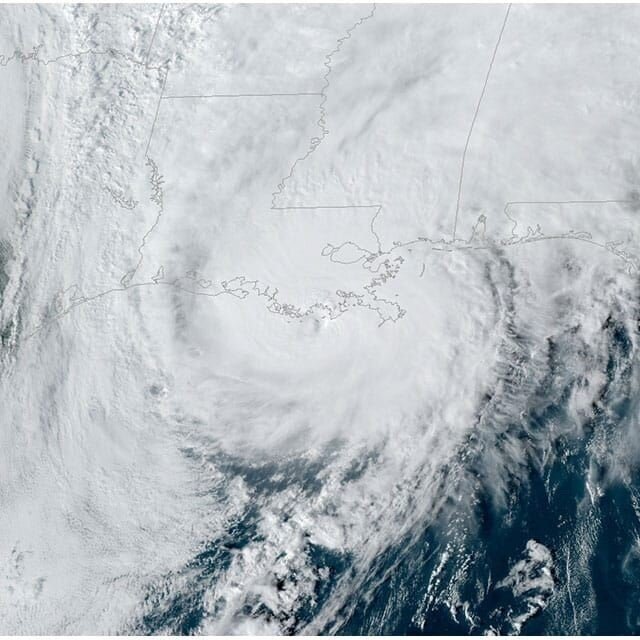
Make Your Home More Resilient For Hurricane Season
A resilient home is one that can be quickly restored at minimal expense to a safe, healthy and comfortable home after a natural disaster. The following hurricane and flood-resistant home improvements can ramp up your home’s resilience.
Roof and Attic
The most common type of storm damage to a home is roof damage, which often results in water damage. Hurricane-resistant shingle roofing is readily available and cost effective. Claudette Hanks Reichel, LSU AgCenter housing specialist and director of the LaHouse Home and Landscape Resource Center, said to check roofing for signs of wear, and when it is time to reroof, upgrade to a wind-resistant system.
Read More
Louisiana Rice: Start Scouting Fields For Diseases
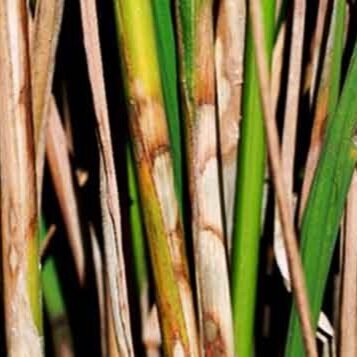
With rice fields finally growing and fields at permanent flood, rice farmers need to be on the lookout for diseases. There are many critical areas in rice production and disease management happens to be the one that farmers face at this point in the season.
Whether it is sheath blight, blast, smuts, or cercospora, scouting needs to start now to ensure that the rice fields stay healthy and yields can be maximized. It is also important to know what diseases the rice variety is susceptible to.
Read More
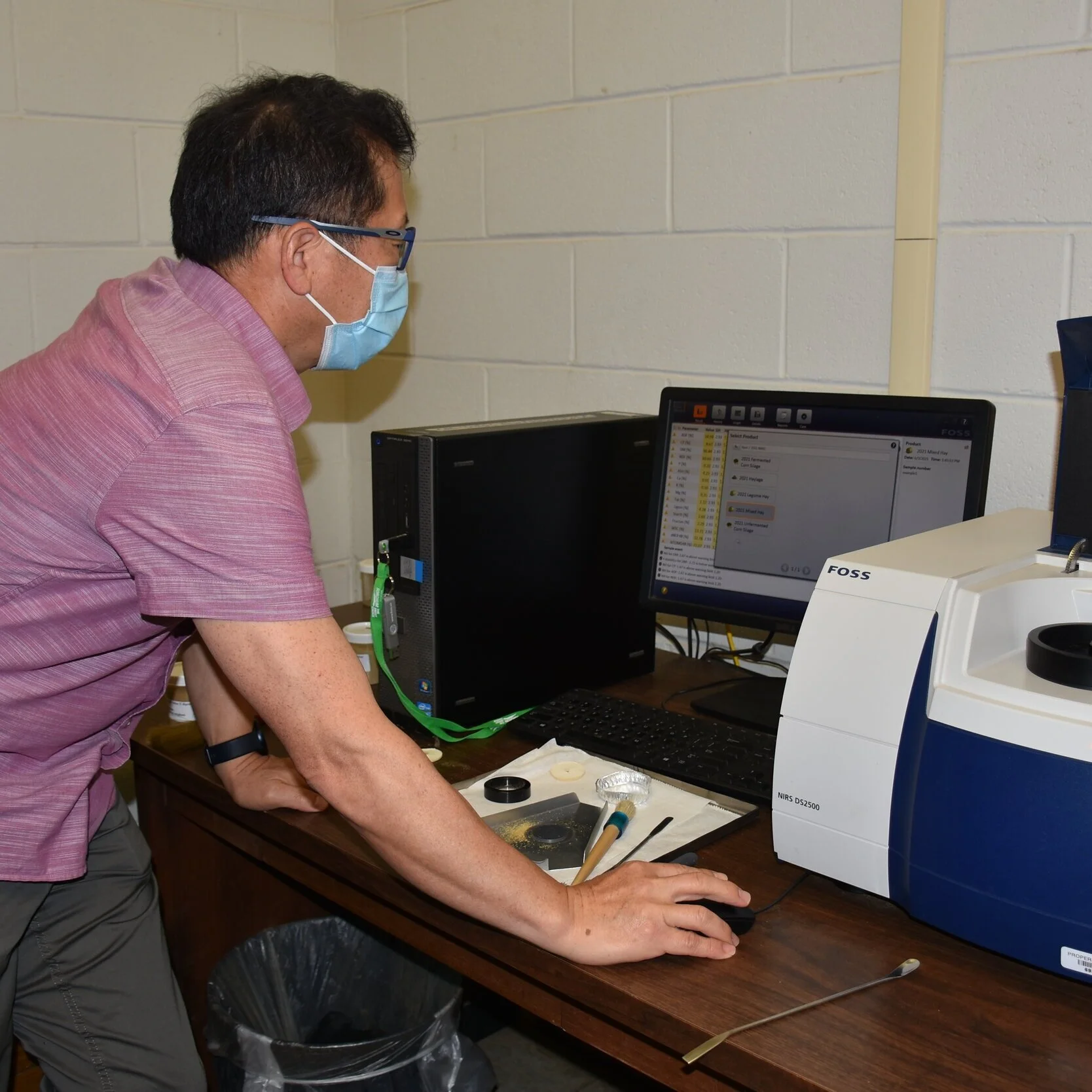
AgCenter To Reopen Forage Lab On LSU Campus
The LSU AgCenter will soon reopen a forage testing lab on the LSU campus in Baton Rouge.
The lab, located in 104 M.B. Sturgis Hall, will begin taking samples July 1.
“We will provide service to any grower, whether it’s a beef or dairy producer, and from any location,” said LSU AgCenter forage quality specialist Kun-Jun Han. “The lab is open to everyone.”
Read More
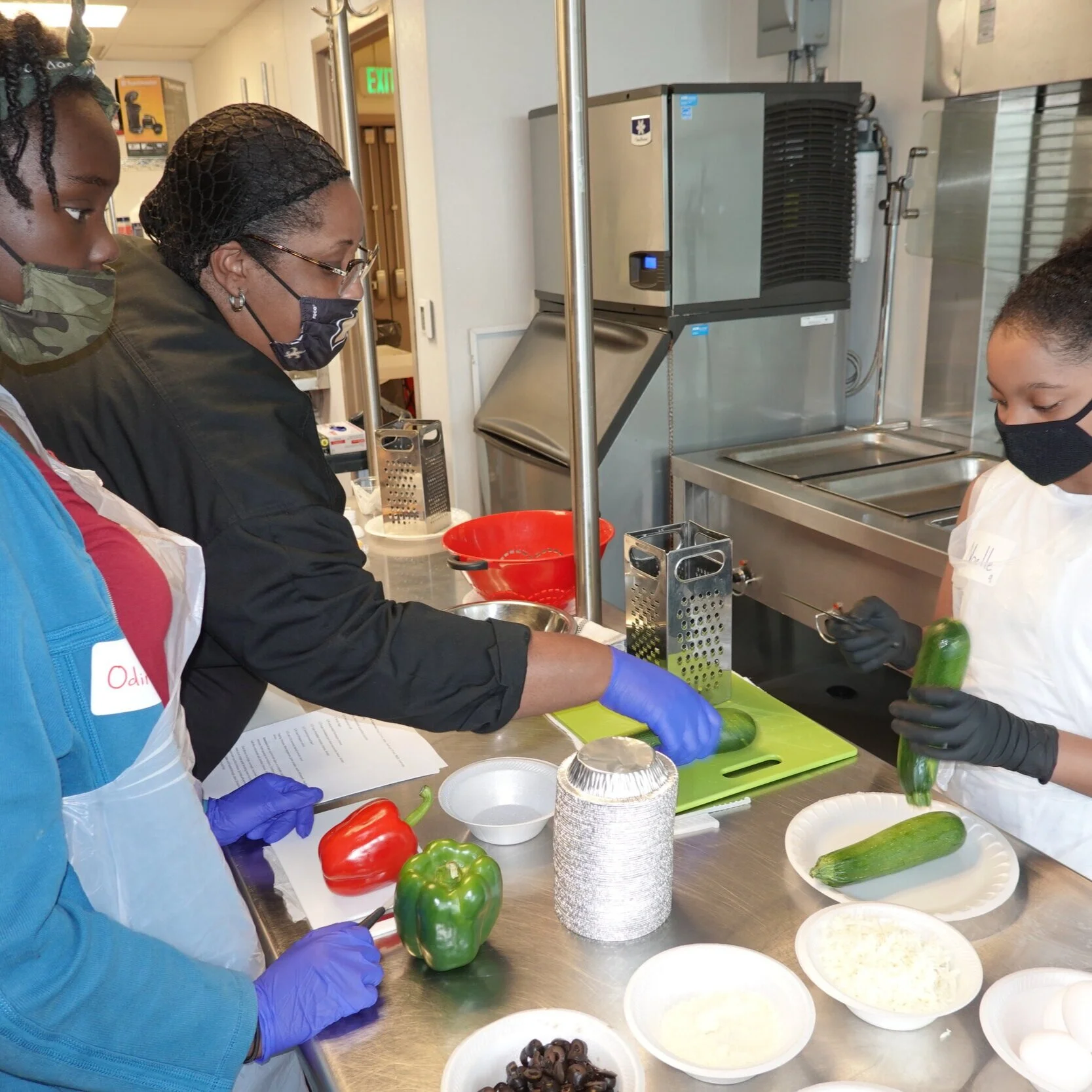
Preparing Students For Life Is Goal Of New Orleans Workshop
A group of 10 teenagers from throughout the city spent all day June 2 learning valuable life skills at the Orleans Parish 4-H Healthy Living Workshop.
LSU AgCenter 4-H youth development agent Alisha Okoro, who conducted the workshop, said the 13 to 18 age group is sometimes overlooked, and she wanted to do something about that.
Read More
LSU AgCenter Rice Research Station 'In Person' Field Day
The H. Rouse Caffey Rice Research Station invites everyone to their annual field day on Wednesday, June 30. Field tours will begin at 7:15 am with the last tour departing no later than 9:00 am. Tour stops will cover new rice varieties, weed, insect, and disease control, hybrid rice development, and agronomic practices. An extensive group of organizations and individuals will present information at the scientific poster session and trade show from 7:15 am to 10:15 am. The indoor program will begin at 10:30 am and update guests on an array of rice related topics. Lunch will be served after the program.
Read More
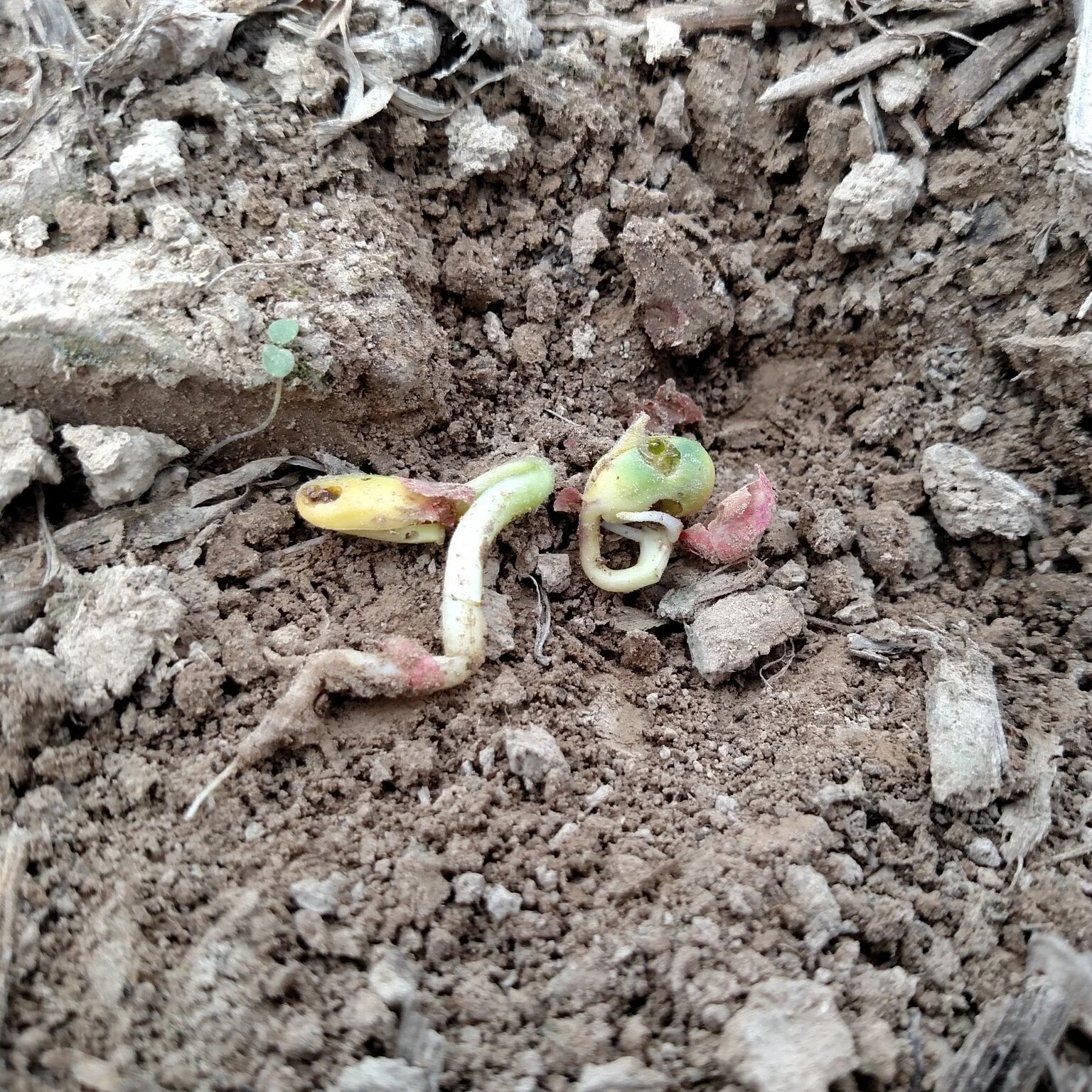
Protect Soybean Yield Potential After Slow And Rainy Planting Season
The progress of 2021 soybean planting season has been behind the five-year average from the beginning due to weekly heavy rains throughout the state. The optimum soybean planting window is suggested to be from mid-April to mid-May. According to the USDA-NASS report, 45% of the crop was planted by May 16, compared to the five-year average of 77%. During the three weeks from May 16 to June 6, soybean producers were able to plant an additional 41% of the projected acres, slightly past the optimum window. Soybean planting date research has indicated yield potential will decrease when planting late. However, the final yield from previous years with comparable slow planting progress indicate good soybean yield is still achievable this year. The planting progress in 2013 and 2019 was comparable to this year. The yields were 48.5 and 48 bushels per acre in 2013 and 2019, respectively: approximately 95% of the average yield from 2016-2020 (51 bushels per acre).
Read More