It Could Soon Be Tea Time In Louisiana
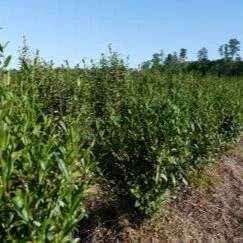
Tea is a popular drink across the United States, but very little is grown in the U.S. Researchers with the LSU AgCenter are working with area growers to see if growing tea on a commercial scale is viable. LSU AgCenter correspondent Craig Gautreaux has the story from Tangipahoa Parish.
Read More
Louisiana 4-H Completes State Shooting Sports Competition
Louisiana 4-H held its annual state shooting sports event, and more than 650 youth participated in events ranging from archery to skeet. With a shot at nationals on the line, the competition was fierce, but everyone enjoyed the opportunity to test their skills. LSU AgCenter correspondent Craig Gautreaux has the story from West Baton Rouge Parish.
Read More
LSU Eunice Steps Into National Spotlight With New Initiative Focused on Workforce Development in Rural Regions
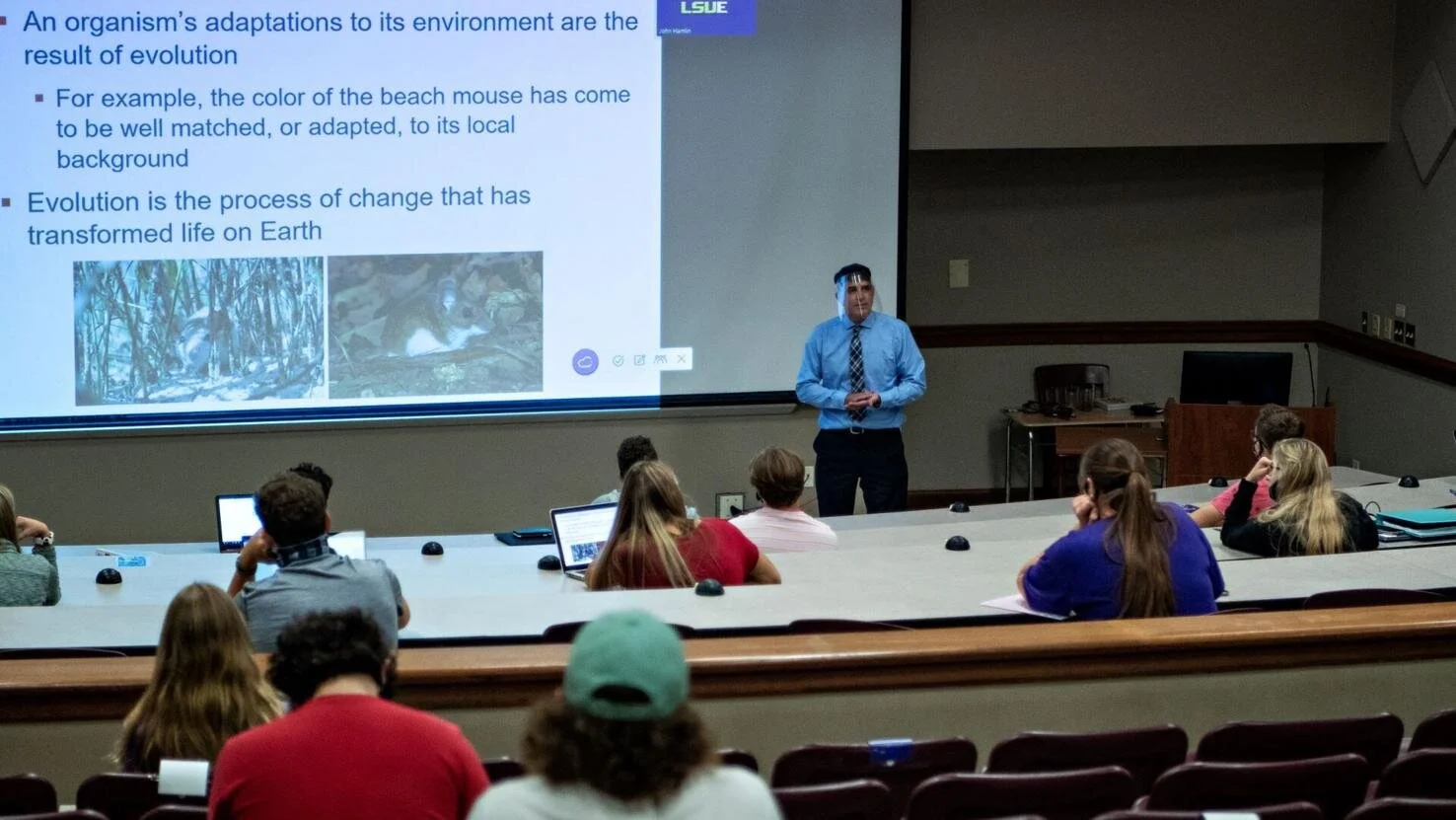
LSU Eunice is one of seven U.S. higher education institutions that have been selected to participate in a new Building Resiliency in Rural Communities for the Future of Work initiative.
The three-year initiative is led by Achieving The Dream, a nationwide network of more than 300 community colleges that works to help schools prepare students to be competitive in the workforce, with a particular focus on equity and institutional redesign.
Read More
Agriculture Unlocked Unknown Worlds For Tara Smith
Tara Smith describes her career in agriculture as serendipitous.
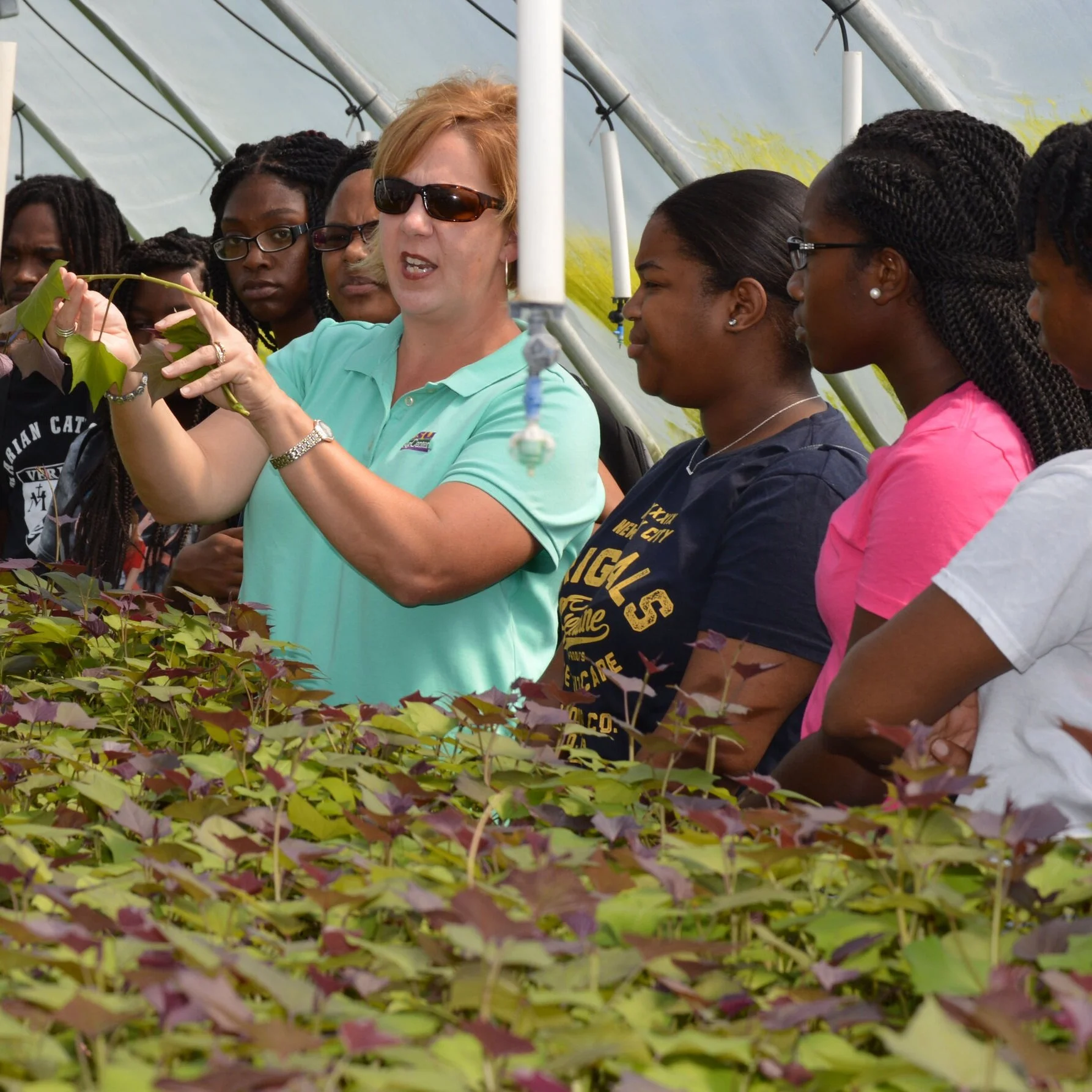
Director of the Central Region, Smith has been an integral part of the LSU AgCenter since she was hired as the state sweet potato specialist in 2006.
Growing up in Alexandria, Smith wasn’t involved in 4-H, and she thought little about farming. During her undergraduate and graduate school experiences, mentors and professors saw Smith’s knack for science and encouraged her to pursue a degree in entomology and, later, study sweet potatoes.
Read More
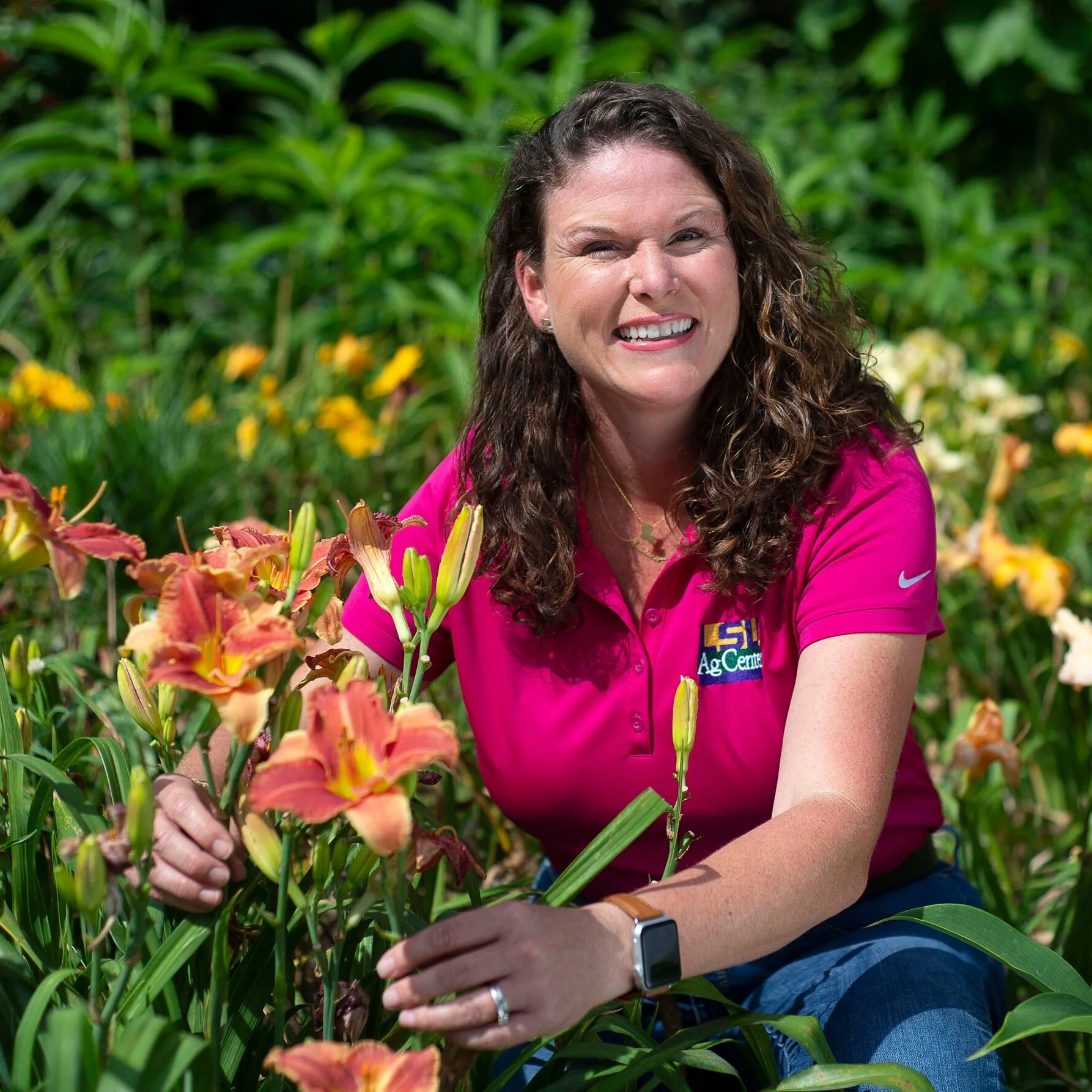
New East Baton Rouge Parish Agent Is No Stranger To AgCenter
The LSU AgCenter has a new agent for East Baton Rouge Parish, and his name is Russell Harris.
If the name sounds familiar, it could be because Harris was the horticulture agent in New Orleans before taking a position in the landscape industry.
Read More
Demolition Progress Being Made At Tornado-Damaged AgCenter Facility
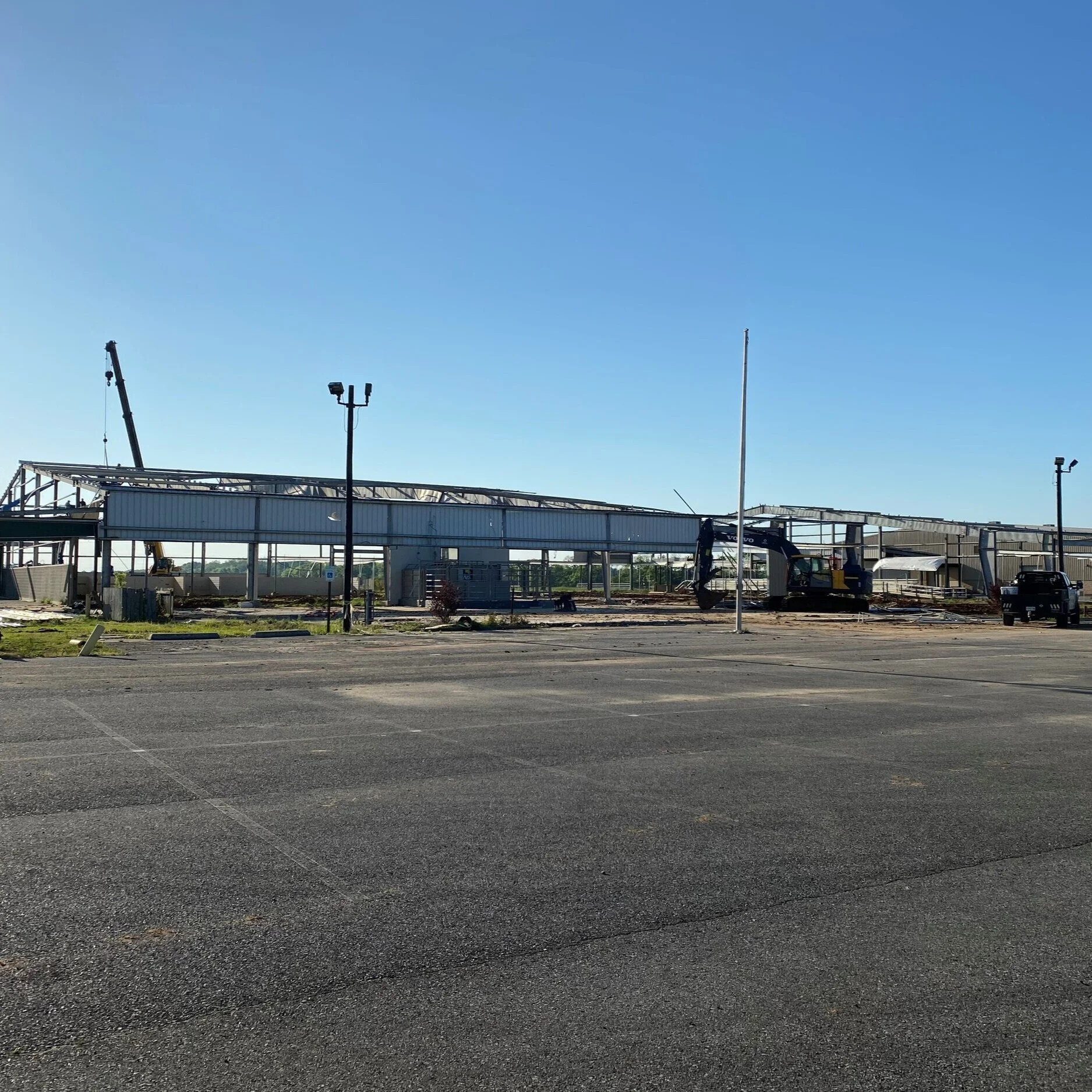
One year after a nighttime tornado destroyed several buildings at the LSU AgCenter Dean Lee Research and Extension Center near Alexandria, progress is being made to fully restore facilities.
AgCenter Central Region director Tara Smith said the storm heavily damaged the AgCenter DeWitt Livestock Show Facility and several other buildings on the research station.
Read More
Louisiana Champions Named At 86th Annual LSU AgCenter Livestock Show
Despite having to prepare their animals in the middle of a pandemic, hundreds of young people from across Louisiana were named state champions during the 86th annual LSU AgCenter Livestock Show held at the Lamar-Dixon Expo Center.
Read More
Gardening In Louisiana During The COVID-19 Pandemic
What do you do with time on your hands? Survey says: gardening. When the COVID-19 pandemic forced Louisiana and the rest of the nation into a quarantine scenario in the spring of 2020, many people found themselves with extra time on their hands.
In the 2018 National Garden Survey conducted by Garden Research, 12 million Americans said, “I’m too busy to have much time for gardening.” With gyms, entertainment venues and restaurants closed and people no longer having to commute to work, a surplus of time remained.
Read More
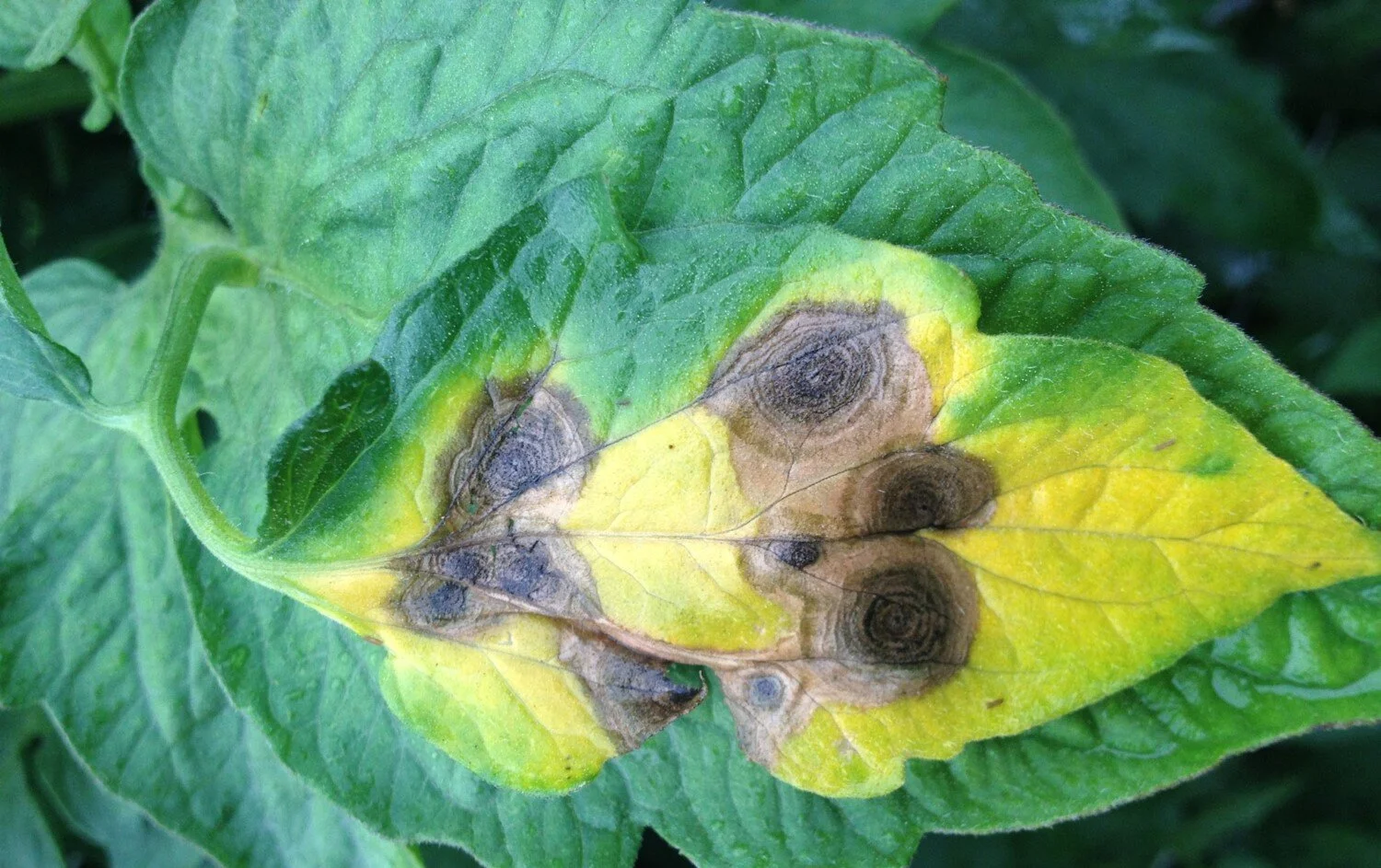
Warm, Rainy Weather Brings Vegetable Plant Diseases
Current weather conditions may present Louisiana vegetable growers with great challenges to combat plant diseases.
Raj Singh, director of the LSU AgCenter Plant Diagnostic Center, said vegetables are susceptible to a wide variety of plant pathogens, including, fungi, water molds, bacteria and viruses.
Read More
Agents Go Online With Beef Brunch Educational Series To Help Livestock Industry During The Pandemic
The capability to host workshops, seminars, field days and other in-person events has historically been fundamental in demonstrating hands-on management techniques and fostering communication with livestock producers. However, when faced with the inability to hold these events during the COVID-19 pandemic, LSU AgCenter livestock specialists and agents turned to alternative platforms to ensure continued interaction with producers and industry members. Onset of the pandemic created turmoil in many aspects of life, including the beef cattle industry and markets.
Read More
New Orleans Brewery Canning Rice Wine, Plans Expansion
A member of a New Orleans restaurant family is brewing the Japanese rice wine called sake from grain grown at Louisiana State University, the LSU AgCenter says.
Brennan family member Lindsay Beard and business partner Nan Wallis say they want to change the image of sake (SAH-kee) from that of an exotic drink paired with Asian food, they said in an LSU AgCenter news release.
Read More
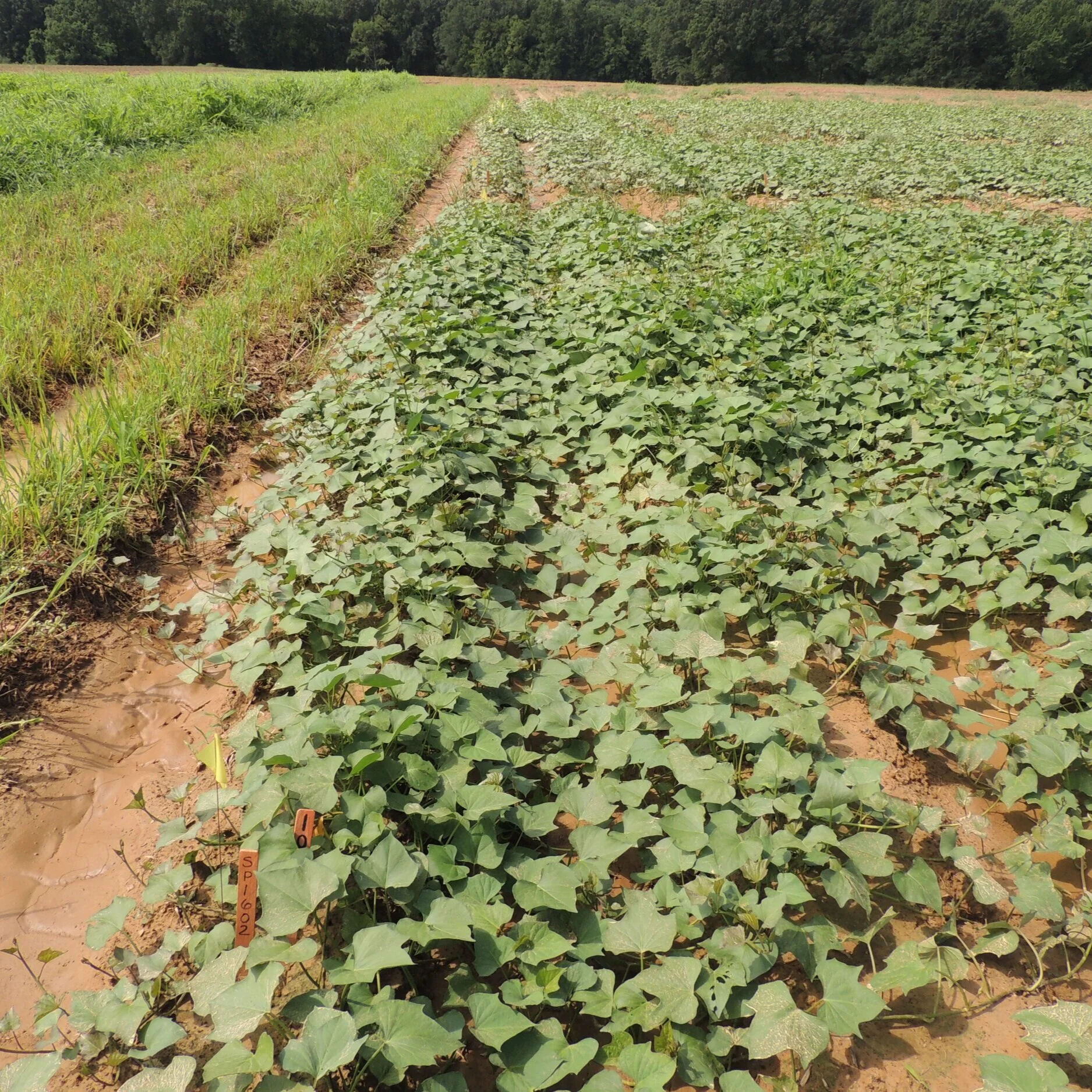
Off-Target 2,4-D Choline And Dicamba Impacts On Sweet Potatoes
In 2020, Louisiana producers harvested 6,557 acres of sweet potatoes with an estimated yield of 480 bushels per acre. Production and packing fresh market costs were approximately $4,000 per acre to $4,600 per acre, while production costs for the processing sector were approximately $2,300 per acre prior to storage. Given this high level of production costs, there is little margin for error from movement of herbicide intended for target weeds in tolerant crops to sweet potatoes grown in close proximity, which is known as off-target movement.
Read More
McNeese Student, Hunter Leprertre, Selected For Broussard Research Internship
Hunter Lepretre, a junior at McNeese State University, has been chosen as the first student selected for a research internship with the LSU AgCenter through an endowment established by the family of Charles and Rose Broussard.
Lepretre will begin the paid internship in May at the H. Rouse Caffey Rice Research Station, working in the agronomy research project under Dustin Harrell, LSU AgCenter agronomist and resident coordinator of the Rice Research Station.
Read More
Rain Puts the Brakes on Rice Planting
Rice planting is wrapping up in south Louisiana, but wet weather has kept farmers out of the fields in the north.
“It’s moving along pretty fast,” said Todd Fontenot, LSU AgCenter agent in Evangeline Parish. “A lot of rice has been planted in a short period of time.”
Read More
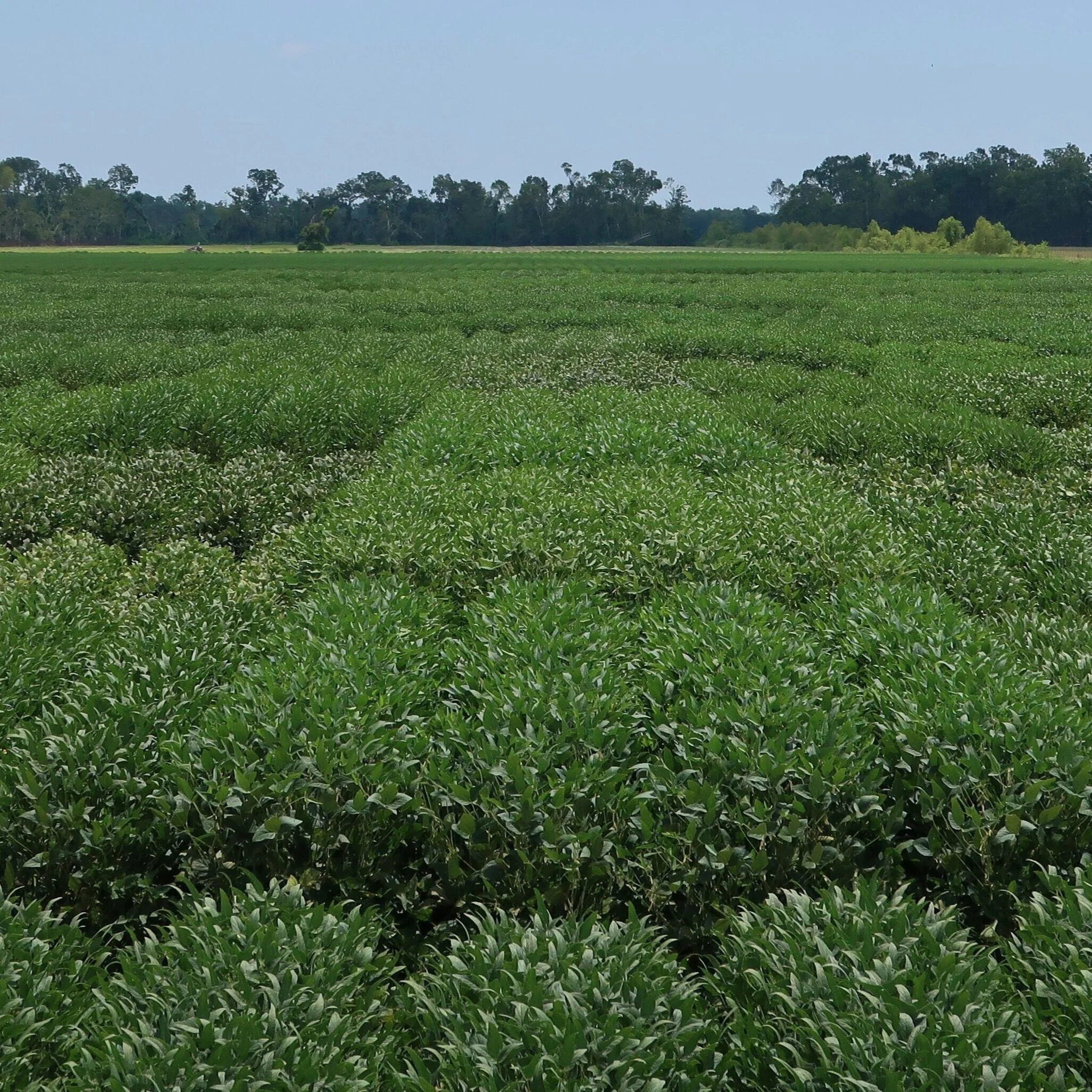
Variety Testing: A Critical Component For Sustainable Production Systems
New row crop varieties — soybeans, wheat, rice, corn, cotton, grain sorghum, sweet potatoes and sugarcane — are released annually by private companies and university breeding programs. Each variety can vary dramatically in yield potential, agronomic traits such as maturity, and resistance to insects, diseases and environmental stress factors. It is important to note a variety with high yield potential at one location may not be competitive in another location because of a lack of adaptability to different environments, including weather patterns, soil characteristics, disease pressure and cropping systems. Furthermore, a variety achieving a high yield or quality one year may not perform as well the next year at the same location because of yearly changes in the environment, such as rainfall or disease patterns.
Read More