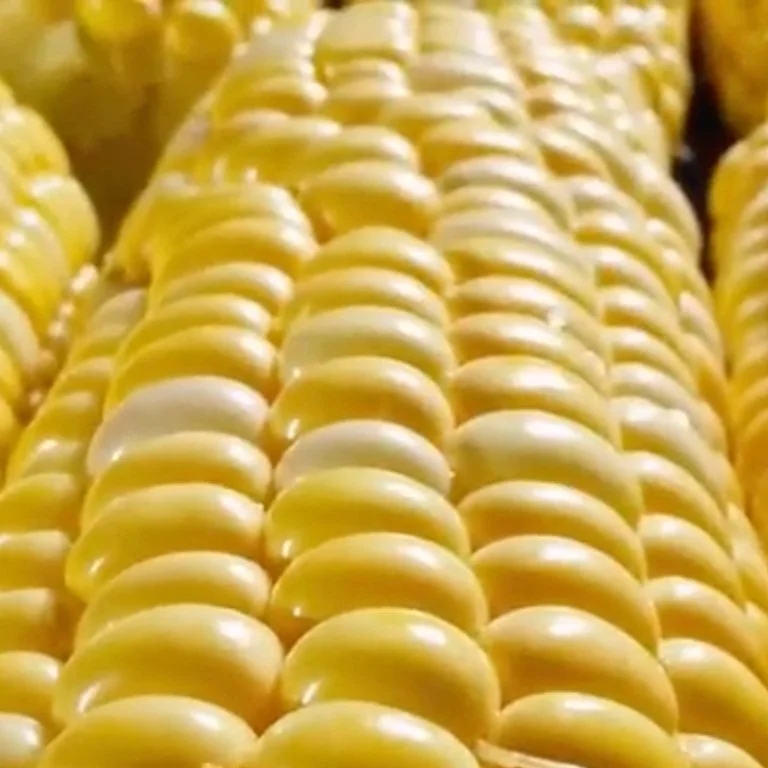
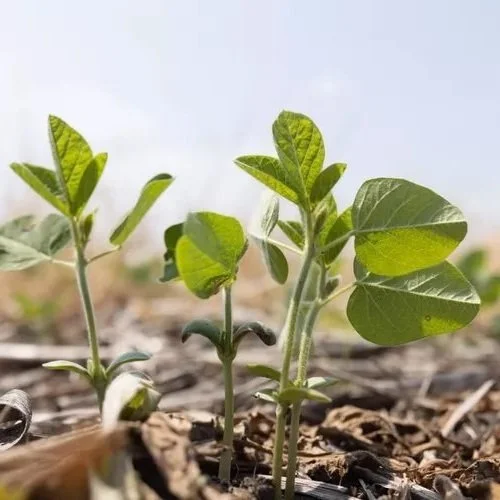
Louisiana corn producers are busy harvesting their crop, and it is a very large one. LSU AgCenter correspondent Craig Gautreaux has the story from northeast Louisiana.
Read More
Louisiana corn producers are busy harvesting their crop, and it is a very large one. LSU AgCenter correspondent Craig Gautreaux has the story from northeast Louisiana.
Read MoreAmerican Farm Bureau Federation President Zippy Duvall commented today on the Environmental Protection Agency’s announcement regarding small refinery exemptions, which impact renewable fuel production.
“Renewable fuels have been a tremendous success story for the country and the rural economy. The Renewable Fuel Standard has reduced our country’s dependence on foreign oil, reduced air pollution, increased farm income, and provided good-paying jobs in rural America.”
Read MoreEarlier this week, USDA released its estimate for the national average farm case price for corn in the 2025/26 marketing year to be $3.90. That update is down 30¢ from what USDA was saying just last month in July.
Farm CPA Paul Neiffer says in the short-term it means two things: a focus on government payments and tougher conversations with ag lenders.
Read MoreThis month’s 2025/26 U.S. corn outlook is for sharply higher supplies, greater domestic use and exports, and larger ending stocks. Projected beginning stocks for 2025/26 are 35 million bushels lower based on a slightly higher use forecast for 2024/25. For 2024/25, larger corn exports are partly offset by reductions in corn used for ethanol and glucose and dextrose. Corn production for 2025/26 is forecast at a record 16.7 billion bushels, up 1.0 billion from last month with a 1.9-million acre increase in harvested area and higher yield. If realized, this total would be 1.4 billion bushels more than the prior record set in 2023/24.
Read MoreBased on the most recent condition ratings for corn and soybeans reported by USDA, there are clear “winners,” or states with the highest rated crops, and “losers,” or states with the lowest rated crops.
Three top soybean-growing states reported that more than 80% of their crop was in good or excellent shape, but one of them dominated. USDA reported that 92% of Louisiana’s soybean crop was in good/excellent condition.
Read MoreFarmers were attempting to return to the fields Monday after weekend weather events dumped one- to two-inches of rain on some parts of Concordia Parish, according to Kylie Miller, LSU AgCenter extension associate.
Unusual amounts of summer rain have helped corn during its growing period, but the harvest has been “stop and go, stop and go” due to continued afternoon and evening showers, Miller said.
Read MoreFarmers are in their fields throughout Franklin Parish, busy harvesting their corn crop.
This year’s yields are expected to be good, barring any unforeseen weather events, according to LSU AgCenter Extension Agent Carol Pinnell-Alison.
“I think we are going to have a good year with both corn and soybeans,” she said.
Read MoreThe National Corn Growers Association (NCGA), along with 25 state-based corn grower groups, sent a letter to Trump administration officials today detailing the worsening economic situation caused by elevated prices for fertilizers and other inputs that are critical for growing corn.
The letter, sent to the U.S. trade representative, secretary of commerce and secretary of agriculture, painted a grim economic picture in the American countryside. Signatories pledged to work with the officials to help address concerns with input costs, implement new trade deals and remove trade barriers.
LSU AgCenter Corn Specialist Dr. Shelly Kerns says she has gotten a lot of questions lately about using sodium chlorate as a means of drying down corn plants faster. She emphasizes that is not a common practice. “Historically, the use of sodium chlorate in other crops is only as a desiccant to dry down weeds ahead of harvest,” says Kerns.
Read MoreEthan Zoerb doesn't mind suiting up to head to Washington, D.C., if he can talk about his favorite subject: corn.
Zoerb serves on a NCGA action team that addresses how to best use checkoff dollars in communication and educational efforts. On the Hill, he met with legislators from Maine, Louisiana and Florida and felt the interactions were interesting and productive.
Read MoreU.S. corn producers are sounding the alarm on President Donald Trump’s efforts to switch Coca-Cola products away from using corn syrup in favor of cane sugar, claiming the change will wreak havoc on the agricultural industry.
Changes in demand for corn syrup, such as that used in Coke, would increase demand for cane sugar in Louisiana and Florida, as well as from Central and South America, where the sweetener is heavily tariffed.
Read MoreThis month’s 2025/26 U.S. corn outlook calls for smaller supplies, domestic use, and ending stocks. USDA cut corn beginning stocks by 25 million bushels to 1.3 billion, reflecting an increase in exports that is partly offset by lower feed and residual use for 2024/25. Feed and residual use is down 75 million based on indicated disappearance in the June 30th Grain Stocks report. Exports are raised 100 million bushels to 2.8 billion based on current outstanding sales and shipments to date and, if realized, would be record high.
Read MoreFor decades cotton was king. But this year the Louisiana cotton crop is expected to be the smallest in history. State Agriculture Commissioner Mike Strain says input costs to produce cotton has gone up and the price farmers can get for cotton has gone down from two dollars a pound in the mid-1800s.
Read MoreJohnny Atkinson takes a look at the vital role that corn plays in the Pelican State, as well as the local Louisiana Corn Festival here in Cenla.
Read MoreThe USDA said that as of June 15, 93% of the soybean crop across the top soybean-growing states had been planted. The five-year average is 94%.
Louisiana and Minnesota both reached 100% by June 15. They are the first of the top states to wrap up soybean planting.
Read More