Louisiana Crops Newsletter
More stink bugs are starting to show up in soybean fields. The stink bug complex in Louisiana soybean includes several species such as the brown stink bug, green stink bug, southern green stink bug, and perhaps the most notorious, the redbanded stink bug. Each species is capable of causing damage.
Read More
Buckle Up: Dispute Panel Called to Action by US in Mexico’s GMO Corn Ban
USDA’s Economic Research Service (ERS) explained this week in its monthly Feed Outlook report that corn exports are reduced 25 million bushels this month to 1.625 billion.
“The weak pace of exports continues into the last quarter of the marketing year, with June exports totaling 150.4 million bushels, down approximately 66 million bushels from June 2022. Corn exports through the first 10 months of the marketing year sit at 1.466 billion bushels,” said ERS in its report.
Read More
Crop Market Report for Corn, Soybeans, Rice, and Cotton: August 2023
This month’s 2023/24 U.S. corn outlook is for reduced supplies, lower domestic use, smaller exports, and tighter ending stocks. Projected beginning stocks for 2023/24 this month have been raised 55 million bushels higher based on a lower use forecast for 2022/23, reflecting reductions in corn used for exports, glucose and dextrose, and starch.
Read More
USDA Forecasts US Corn UP And Soybean Production Down From 2022
The Crop Production report issued today by USDA’s National Agricultural Statistics Service (NASS) forecasted corn production up from 2022 and soybean production down from last year. Corn production is up 10% from last year, forecast at 15.1 billion bushels; soybean growers are expected to decrease their production 2% from 2022, forecast at 4.21 billion bushels.
Read More
Farmers Taking Loss As Extreme Heat Affects Crops & Could Affect Crawfish
Ray Schexnayder, with Schexnayder & Sons LLC, understands that as much as anyone. He says his farm will be short about 25 to 30 bushels of corn this year. Since corn can be used to help catch crawfish, it could affect how much are caught, and might affect the price next season.
Read More
Fall Armyworm Control on Turf And Grass Pastures
Fall armyworms, Spodoptera frugiperda, are chronic insect pests in the state, with more than 60 plants reported as hosts, including various pasture grasses (and lawns) and agronomic crops including corn, alfalfa, cotton, soybeans, grain sorghum, and rice. They migrate to Louisiana from neighboring regions like Florida, Texas, Caribbean islands, and Central-South America, with infestations most common from late July to early August.
Read More
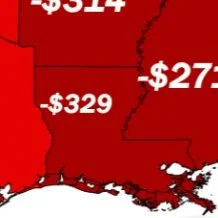
Farm Bill Base Acre Debate Heats Up, Mandated Update Would Mean Big Loss for Louisiana
For more than two decades, and over the course of the last four farm bills, farm program payments have been based on a farm’s historical planted acreage, i.e., base acres, and not on actual plantings each year. Decoupling Agriculture Risk Coverage and Price Loss Coverage farm program payments prevents farmers from making planting decisions based on expected program payments. Instead, the current system ensures farmers evaluate only market supply and demand signals and expected returns per acre when determining which crops to plant each year.
Read More
The Midwest is Set to Bake Under High Heat, Ag Meteorologists Now Worry About Severe Crop Damage
Portions of the Midwest could see the most challenging weather yet this year, and according to leading ag meteorologists, it's creating more concerns for crop conditions. With heat forecast to top 100 degrees, along with little rain in this week’s forecast, crop conditions could deteriorate and the biggest risk in the western Corn Belt.
Read More
Cotton, Corn & Soybean Field Tour
There will be a cotton/corn/soybean field tour at the Northeast Research Station in St. Joseph next Tuesday, July 25th, beginning at 5 pm. It will feature talks on row spacing, fertility, weed control, disease and insect control. It will also have one stop showing the difference between planting cotton into 2 different cover crops. There will be a meal after the tours are over.
Read More
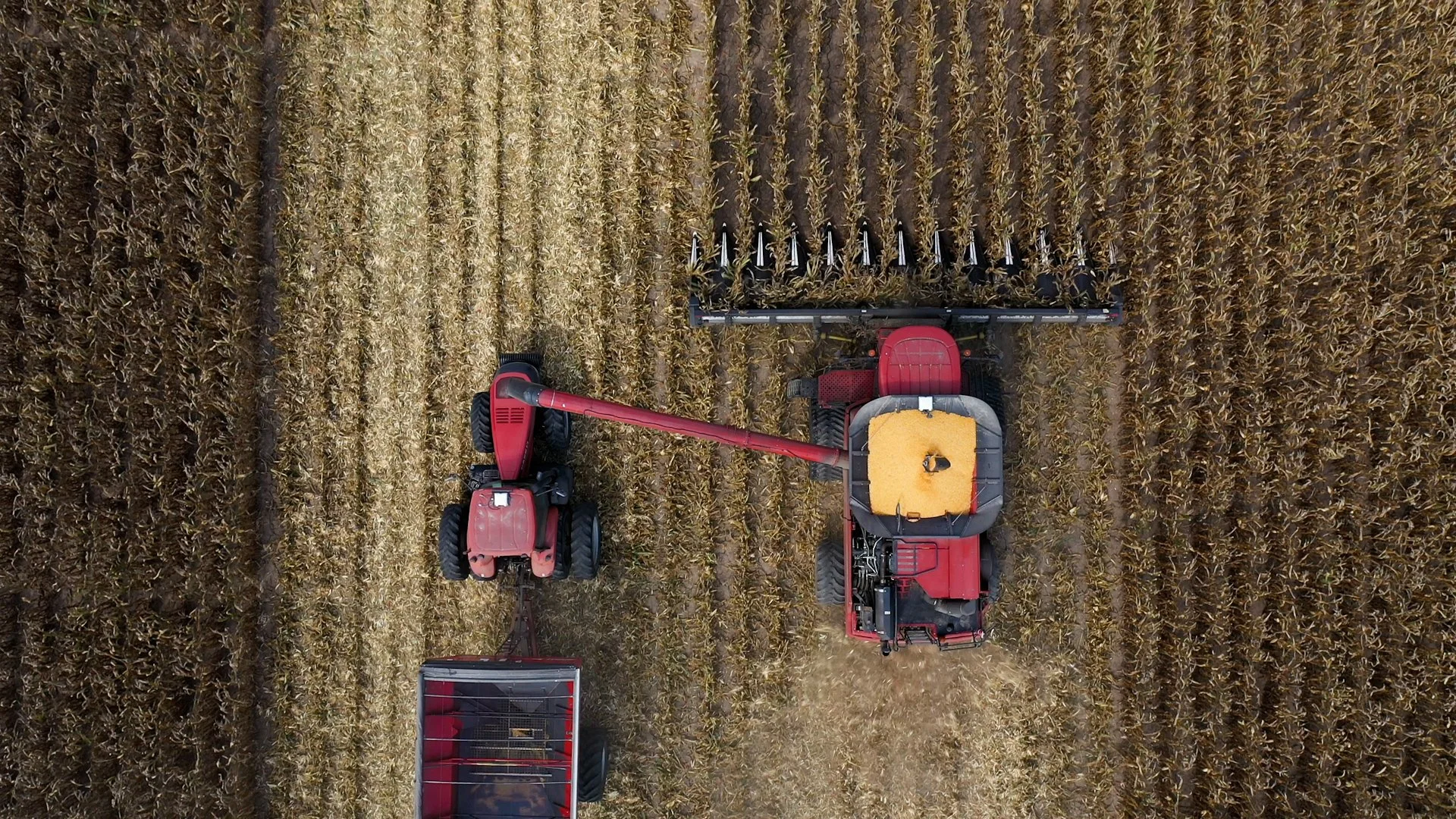
Early Harvest Brings Hope to Louisiana Corn Farmers Amidst Sweltering Summer
As the scorching sun continues to blaze across the state, Louisiana farmers are facing the challenges of a hot and mostly dry summer. However, amidst the heat and parched fields, there's a glimmer of hope for some as the corn harvest arrives earlier than expected. One such farmer, Kirk Stelly from St. Landry Parish, can't hide his excitement as he gears up to reap the rewards of his labor.
Read More
Crop Market Report: July, 2023
This month’s 2023/24 U.S. corn outlook calls for fractionally higher supplies and ending stocks. Corn beginning stocks were lowered by 50 million bushels, as greater feed and residual use for 2022/23 more than offsets reductions in corn used for ethanol and exports. Corn production for 2023/24 is forecast up 55 million bushels as greater planted and harvested area from the June 30th Acreage report is partially offset by a 4.0-bushel reduction in yield to 177.5 bushels per acre.
Read More
Syngenta’s New Corn Herbicide Storen Gets EPA Registration
Syngenta announced today that its residual corn herbicide Storen has been registered by the U.S. Environmental Protection Agency and will be available for use in 2024, subject to state approvals. Storen combines four residual active ingredients — bicyclopyrone, mesotrione, S-metolachlor and pyroxasulfone — for consistently clean rows.
Read More
Corn Condition Rebounds to 55% Good/Excellent
In Monday’s Crop Progress report, corn condition improved 4% while soybeans climbed 1%.
Read More
USDA: Soybean Planted Acreage Has Outpaced Corn And Wheat Since 2000
Between 2002 and 2022, soybeans were the second-most planted crop in the United States, behind corn. The exception was in 2018 when acreage planted to soybeans surpassed corn. While the total acres planted to soybeans generally have been less than to corn, the rate of growth in soybean sowings has exceeded corn since the early 2000s.
Read More
Managing Nitrogen For Corn And Soybean Crops
Nitrogen (N) is one of the most essential nutrients required for crop growth, development and reproduction. It is the building block of proteins, amino acids, chlorophyll and DNA. Plants require more nitrogen than any other mineral nutrient. Generally, the aboveground portion of the plant contains 3% to 4% nitrogen. Therefore, fertilizing with nitrogen sources is often required for maximizing crop yield and profit.
Read More