Stepping on Stepped-up Basis Has Big Consequences
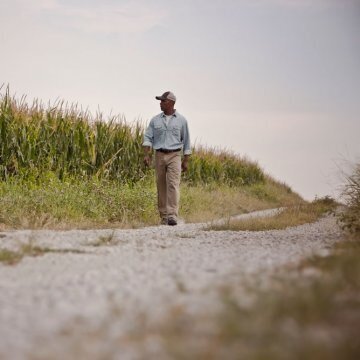
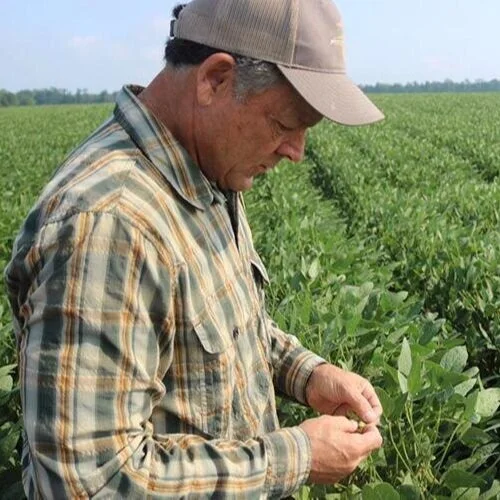
Any change in capital gains tax policy that eliminates or scales back stepped-up basis could result in a massive tax burden on the agricultural sector according to new analysis by the American Soybean Association and the American Farm Bureau Federation.
To minimize the impact of burdensome capital gains taxes, farmers and ranchers use stepped-up basis, which provides a reset for the asset value basis during intergenerational transfers. The magnitude of the tax burden that would be felt if basis is taken away or reduced would likely significantly exceed the annual income generated by the assets, something that has soy and other American farmers concerned.
Read More
Cotton, Rice Down, Corn, Soybeans Up In Latest NASS Report For Louisiana
Louisiana Prospective Plantings Report, March, 2021
Read More
Rebuilding The Grain Bin Destroyed by Hurricane Then Tornado
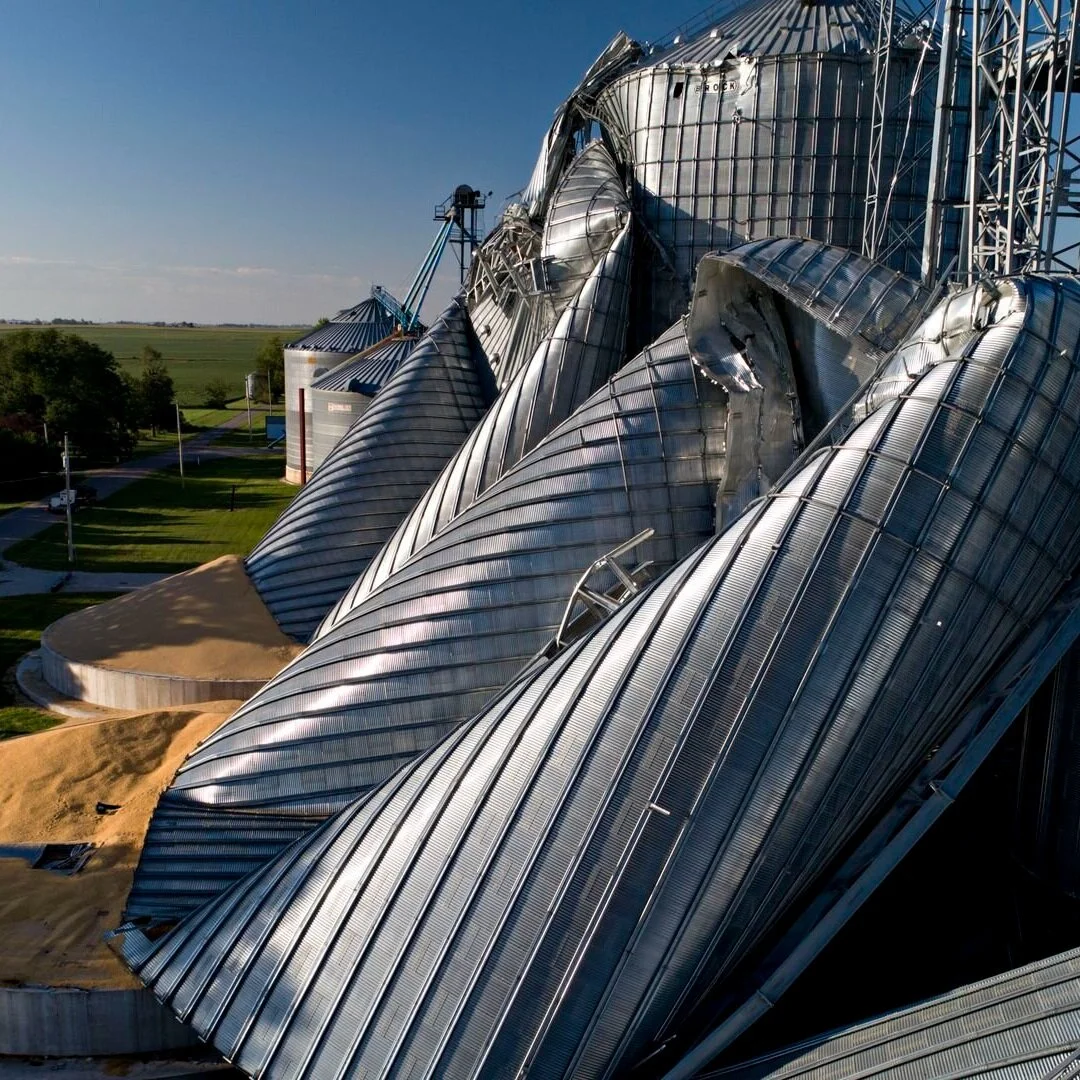
To understand the weather challenges of growing crops in the Blacklands of North Carolina, the story of both a hurricane and tornado that did in the grain facility of Green Valley Farms near Columbia in Tyrell County fits the bill perfectly.
Read More
LA Corn Planting Nearly Finished But Delayed By Rain
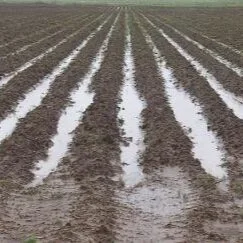
Wet weather has stopped Louisiana farmers from finishing this year’s corn planting, but not before they got the majority of the crop in the ground. LSU AgCenter reporter Craig Gautreaux has this report from northeast Louisiana.
Read More
Pro Farmer Survey Shows Farmers Plan To Plant Record Corn & Bean Acres In '21
As the acreage battle continues to play out, a Pro Farmer member survey shows better commodity prices are attracting more acres this year.
The Pro Farmer/Doane survey revealed farmers plan to plant more acres, with total area planted to crops in the U.S. expected to rise to 319.4 million acres. That would be up nearly 3%, or 8.9 million acres, from 2020. If the survey findings hold true, it also means U.S. acreage will hit the highest level since 2018.
Read More
Updates from the Field on Spring Planting: Louisiana
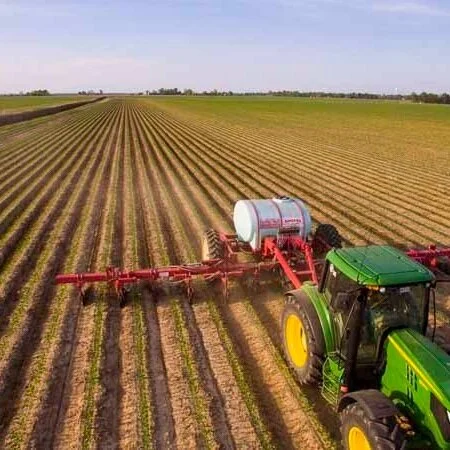
Spring planting is underway in parts of the country. As farmers gear up their planters, we are bringing you updates from the field.
Louisiana farmer Drew Keahey spoke with RFD-TV's own Janet Adkison on his operation, planting status and current conditions, and any possible hurdles that might await him.
Read More
China Buys $850 Million Worth Of US Corn
In a four-day shopping spree, importers bought 3.876 million tonnes of U.S. corn for delivery to China this marketing year, said the USDA. The corn was worth $850 million, based on futures prices in Chicago.
Read More
Louisiana Corn: Nitrogen Rate & Fertilization Timing
Nitrogen is the most yield limiting nutrient for corn production. Corn requires nitrogen for amino acids, protein, and chlorophyll production. Chlorophyll is the key component for photosynthesis. Insufficient chlorophyll content results in reduced yield potential.
Read More
Planting Begins in the South
Farmers in southern states are starting to plant their crops. Texas farmers have about a quarter of their 2021 corn crop planted while farmers in Louisiana have 14% of their corn in—both states showing about average progress. There are also reports that some of the spring wheat crop is being planted in North Dakota.
Read More
China Likely To Purchase More US Corn
China, the biggest corn consumer after the U.S., is still short of the feed grain, and more overseas purchases are likely.
Asia’s top economy has to nourish the world’s largest hog herds and supply a growing local refining industry, which produces everything from sweeteners to starches and alcohol. The increased demand this year and in future years comes as the country grapples with limited amounts of productive farmland.
Read More
Six Common Yield Limiting Factors In Corn
https://www.farmprogress.com/corn/6-common-yield-limiting-factors-corn
Read More
New Grain Grading Training Plan Will Increase Farmer Confidence at Harvest Time
All graders working at grain elevators in Louisiana will be tested and certified for the 2021 harvest season following an announcement from the Louisiana Department of Agriculture and Forestry (LDAF).
Those graders will be trained, tested and certified by LDAF to uphold the standards set through the U.S. Grain Standards Act. The goal is to provide consistent and professional grain inspection and weighing services for producers, handlers processors, exporters, importers and end-users.
Read More
Local Corn Grower Earns Top State Honors in National Corn Yield Contest
The National Corn Growers Association named Donald Schexnayder of Port Allen third in the state in the National Corn Yield Contest with more than 233 bushels produced per acre.
Read More
Effect of Cover Crop and Seed Treatment on Stand Establishment in Corn, Cotton & Soybeans
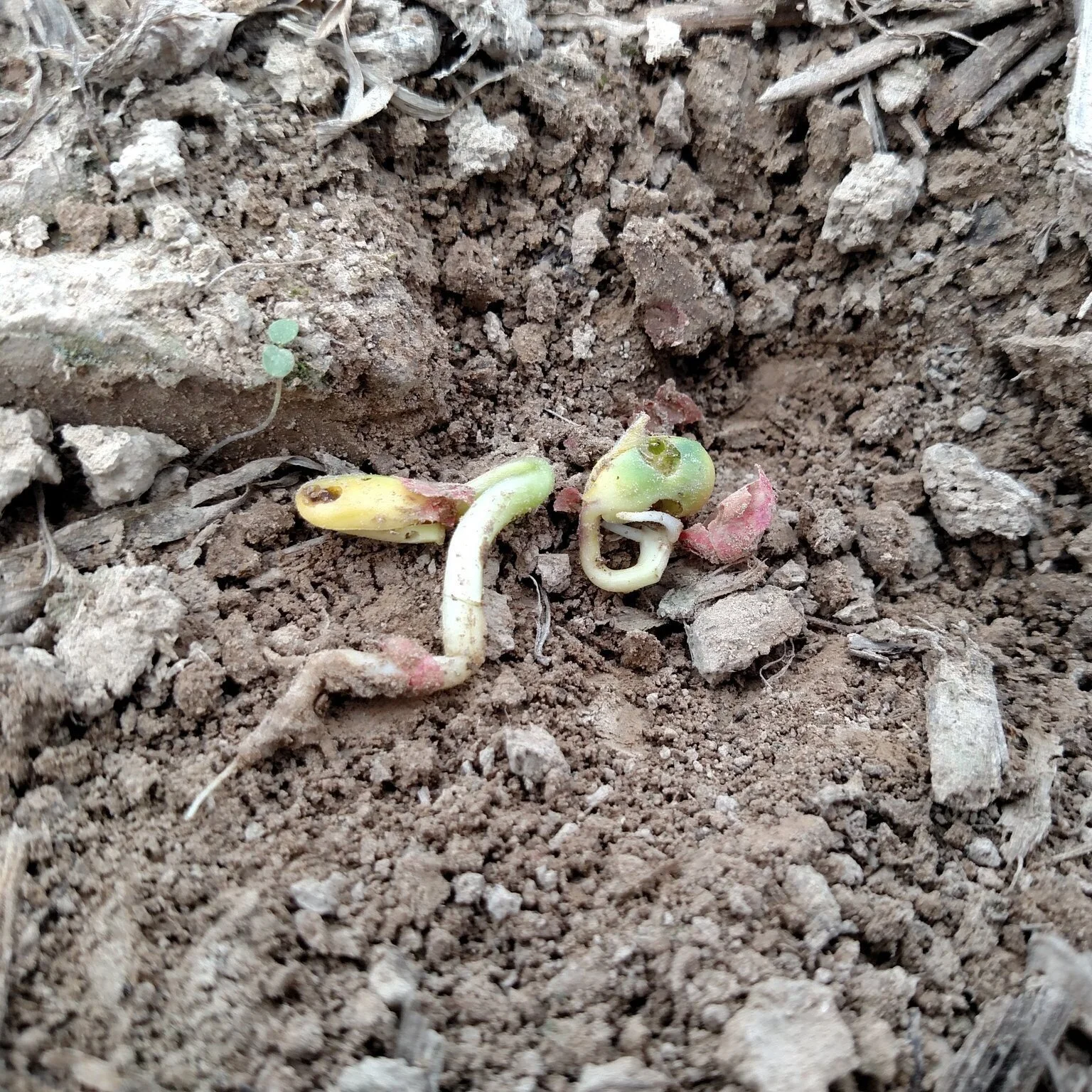
Cover crops can provide producers a variety of benefits including nutrient cycling , soil cover, nitrogen fixation and pollinator food sources. These cover crops come in many types, including grasses, legumes (mostly clovers) and brassicas (generally tillage radish and rapeseed). However, cover crops represent a “green bridge” throughout the fall and early spring that may facilitate the movement of insect pests and plant pathogens into above- and below-ground plant structures. Furthermore, cover crops may increase soil moisture and lower soil temperature compared with tilled fields at planting, resulting in more favorable conditions for seedling disease development.
Read More
March 15 Deadline Approaching for 2021 ARC and PLC Enrollment
March 15 is the deadline to enroll in the Price Loss Coverage (PLC) or Agriculture Risk Coverage (ARC) programs for 2021. Program enrollment, which farmers can do on a commodity-by-commodity basis, is required to participate in the programs this year. ARC and PLC are Title I commodity safety net programs established in the 2018 farm bill. For the 2021/22 crop year, farmers can change their coverage options from what they selected in 2019 for each of the commodities and base acres enrolled.
Read More