Lack of Migrant Workers Leaves Crawfish Industry Fishing for Help
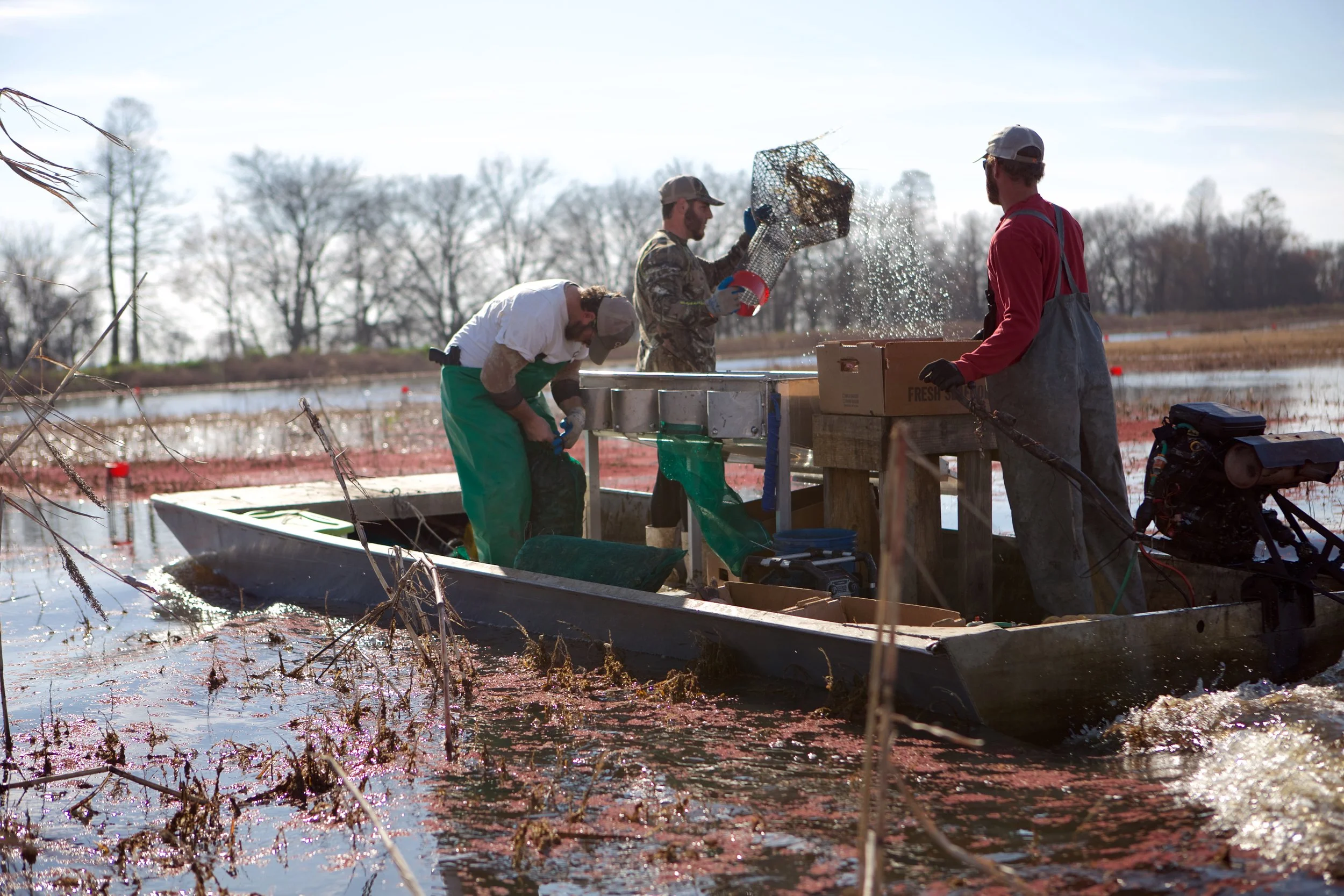
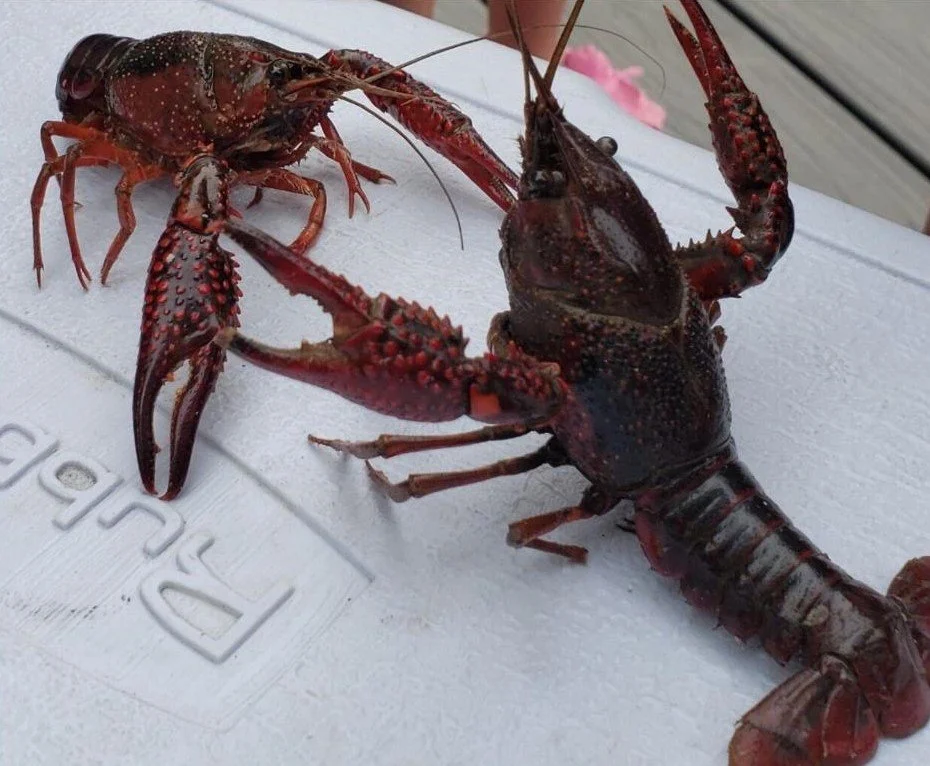
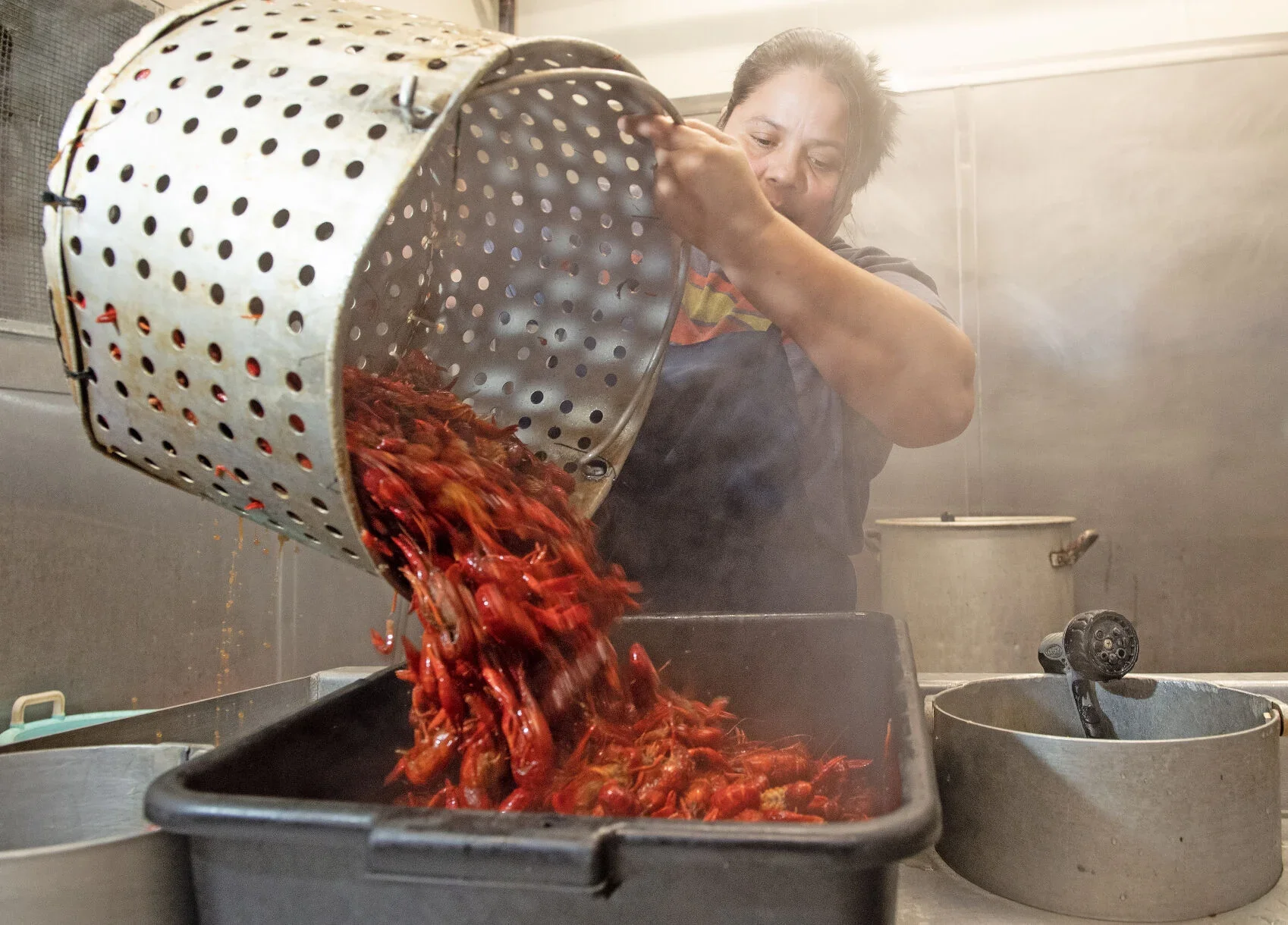
Louisiana’s ideal geography allows for the cultivation of all kinds of seafood, especially crawfish. While consumers can enjoy crawfish year-round, the official season runs from January through June. This year, however, a shortage of migrant workers in crawfish processing plants could mean a quick, more expensive season.
Read More
Where Do Crawfish Come From?: A Look at Crawfish Farming and the Research Done to Save the Species
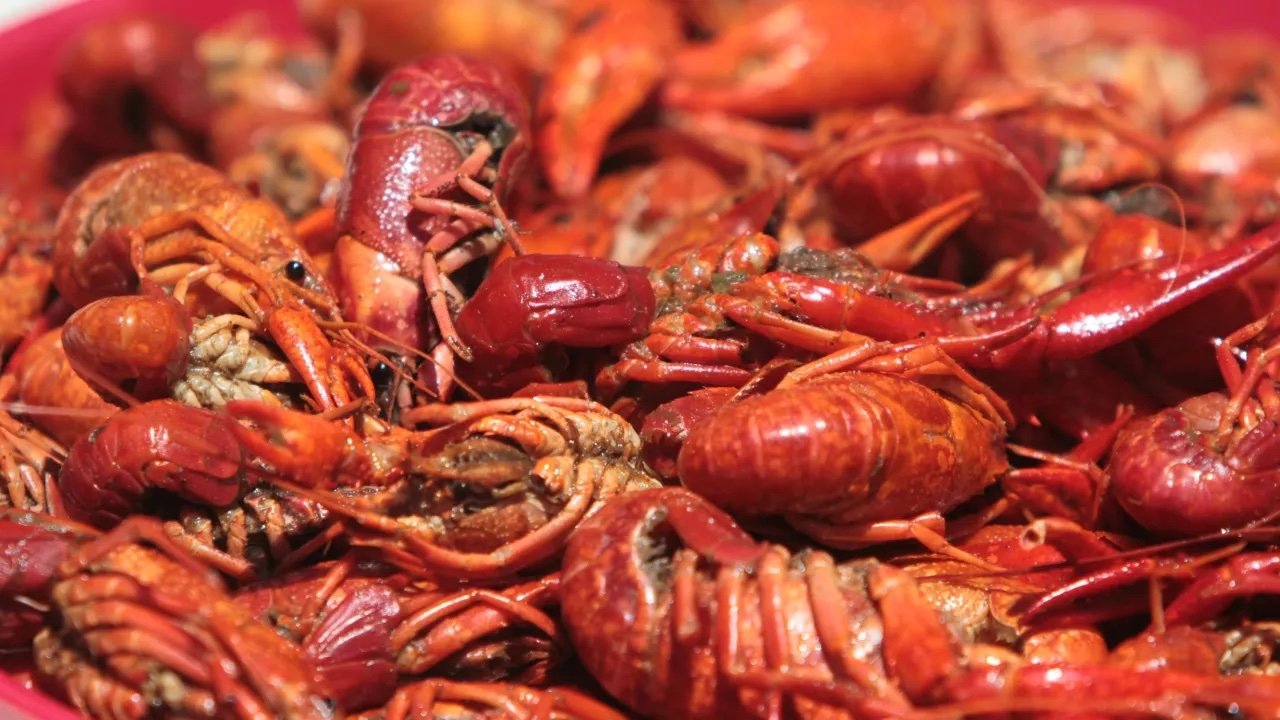
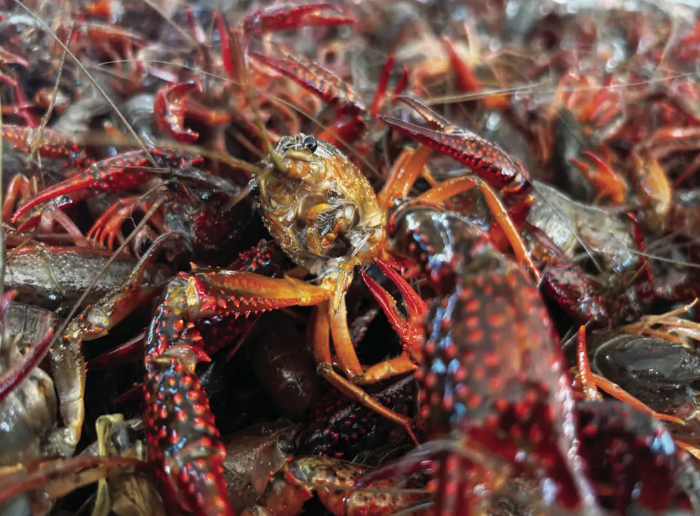
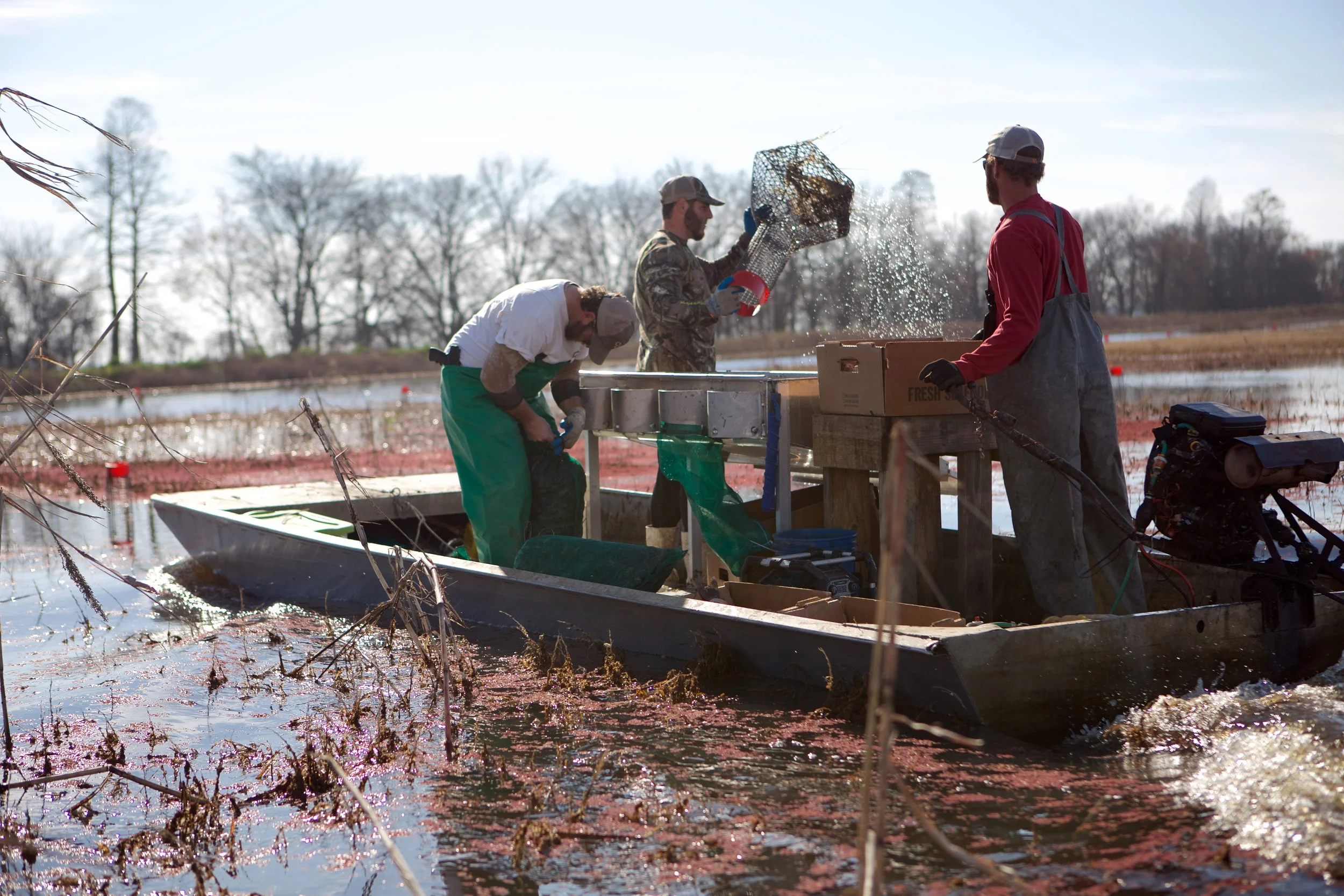
When we sit down to eat crawfish, we hardly ever think about the process of getting these crustaceans from wetlands onto our plates. By learning about this process, we can better appreciate the time and efforts crawfish farmers and catchers put in to ensure we can enjoy this Louisiana staple.
Read More
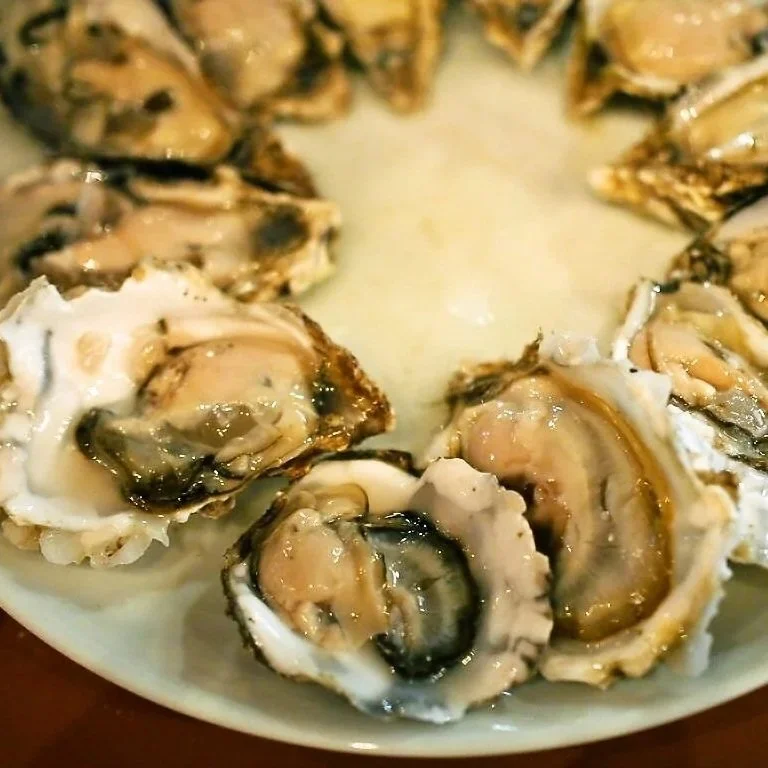
Oil Spill in Terrebonne Bay Could Negatively Affect Louisiana Oyster Harvests
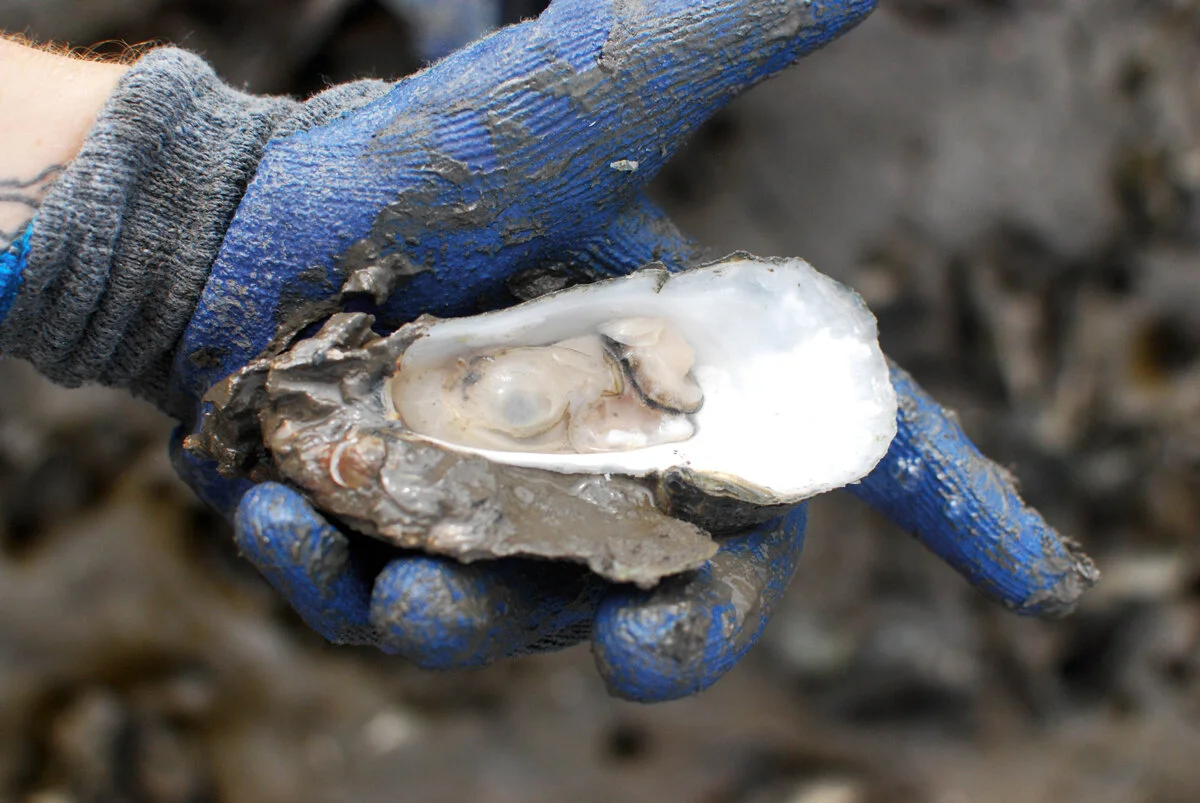
Last month’s oil spill from a terminal operated by the Louisiana Offshore Oil Port, or LOOP, is threatening the state’s oyster industry. Last month, a cargo transfer hose at the terminal located 18 miles offshore in Terrebonne Bay sprang a leak, spewing more than 31,000 gallons of Venezuelan crude into the bay. Mitch Jurisich, the chairman of the Louisiana Oyster Task Force, says the oil has now made contact with the coast, which can spell disaster.
Read More
Louisiana Shuts Down Some Oyster Harvesting Areas After Oil Spill Raises Contamination Fears
State health officials have closed multiple oyster harvesting areas in coastal Louisiana as concerns grow over the impact of an oil spill near Port Fourchon.
Read More
Why Can’t Louisiana Crawfish Plants Get Worker Visas? And What’s Being Done About It?
Last fall, Don Benoit had been making plans to hire 80 seasonal migrant laborers to work at his crawfish processing plant during the upcoming spring season, and he was applying for guest-worker visas just like he had for the last eight years. But the longest federal government shutdown in U.S. history would soon throw his plans — and his business — into disarray.
Read More
Oil Leak Near Port Fourchon Raises Concerns for Oyster Farmers
Strong winds are raising concerns that an oil leak about 20 miles from Port Fourchon could spread and impact the commercial seafood industry, according to oyster farmers in Terrebonne Parish.
Read More
Higgins Advocates for Crawfish Industry Amidst Workforce Challenges
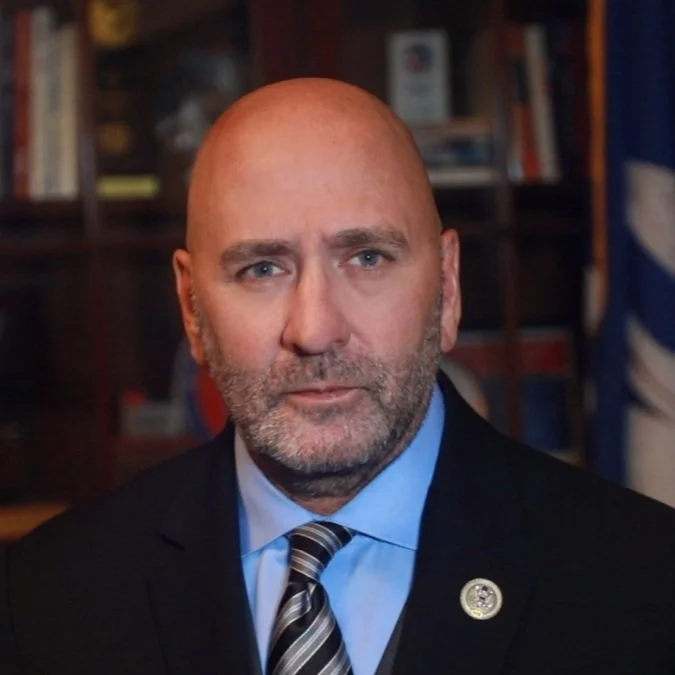
Congressman Clay Higgins (R-LA) released the following statement on efforts to address workforce challenges facing Louisiana’s crawfish industry.
“Many of Louisiana’s crawfish processors are facing significant workforce shortages due to complications involving legal immigrant temporary employee visas. Historically, seasonal workers and the visa system that allows them to be legally employed in America is fraught with controversy and bureaucratic uncertainty.”
Read More
It’s Peak Crawfish Season, but Louisiana Peeling Plants Are Empty: ‘I’ve Lost All Hope’
Crawfish processors across Louisiana say a shortage of temporary work visas has left them without the migrant labor they depend on, forcing plants to sit idle during the busiest part of the season, and threatening a key part of Louisiana’s $640 million crawfish industry.
Read More
Editorial: Immigration Policy Hits Louisiana Where It Hurts — Crawfish Industry
The trade and immigration policies of the Trump administration have rippled through the nation’s economy in myriad ways, and Louisiana has not been immune to their effects. In recent months, we’ve catalogued the ways tariffs have affected our ports, our retailers and even our coffee shops.
Read More
Louisiana Crawfish Processors Suffering as u.s. Department of Homeland Security Halts H-2B Applications for Skilled Guest Workers
The commissioner of agriculture and forestry is sounding the alarm over the lack of crawfish peelers in the state. Mike Strain says this is because the Department of Homeland Security has stopped processing H-2B applications for skilled guest workers, preventing them from coming back.
Read More
USDA Secretary Says Administration Working to Ease Farm Labor Restrictions for Louisiana Crawfish, Shrimp Industries
U.S. Secretary of Agriculture Brooke Rollins said the Trump administration is working to ease labor restrictions for Louisiana farmers, particularly those in the aquaculture industry, as planting season begins amid rising diesel prices and ongoing visa limitations.
Read More
Crawfish Farm Workers Could Owe $15K for Killing Whooping Crane, Officials Say
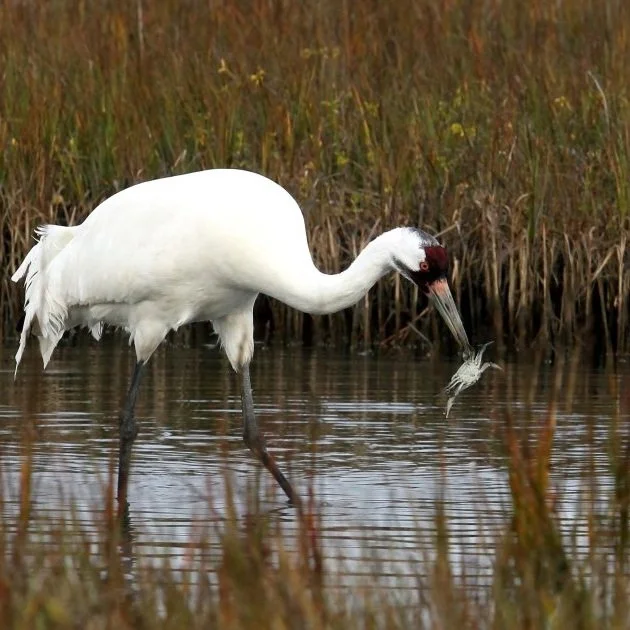
Two crawfish farm workers could have to pay $15,000 after authorities said they shot and killed an endangered whooping crane.
Read More
Crawfish Industry Facing Shortage of Labor
The crawfish industry is facing a labor shortage due to federal immigration caps as the state enters the start of the harvesting season, Commissioner of Agriculture Mike Strain said in a House committee meeting on Tuesday.
Read More
Louisiana’s LNG Exports Are Driving Out Fishermen and Driving Up Utility Bills Across the U.S.
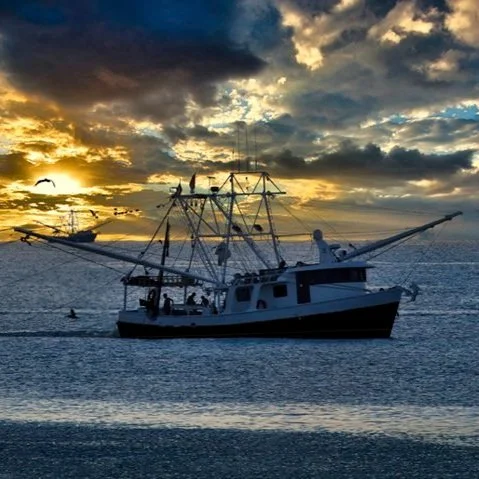
Phillip Dyson once tried working a job that wasn’t shrimping. He lasted three days on an oil rig before going right back to his boat.
Read More
Immigrant Labor Shortages Impacting Louisiana Crawfish Industry
Louisiana Agriculture Commissioner Mike Strain says that only a quarter of crawfish processors have been able to bring in the guest workers that they rely on.
Read More