
From One Calf to a Growing Farm: The Rushings Are Building Their Own Path in Agriculture
By: Karl Wiggers
Louisiana Farm Bureau News
There is a certain irony in the fact that one of the most recognizable pieces of equipment on the Rushing family's cattle farm may be a feed truck with a broken door.
For thousands of people who follow Macy Rushing on TikTok, that truck has become a familiar part of their day.
For Macy, it is simply the way she gets the job done.
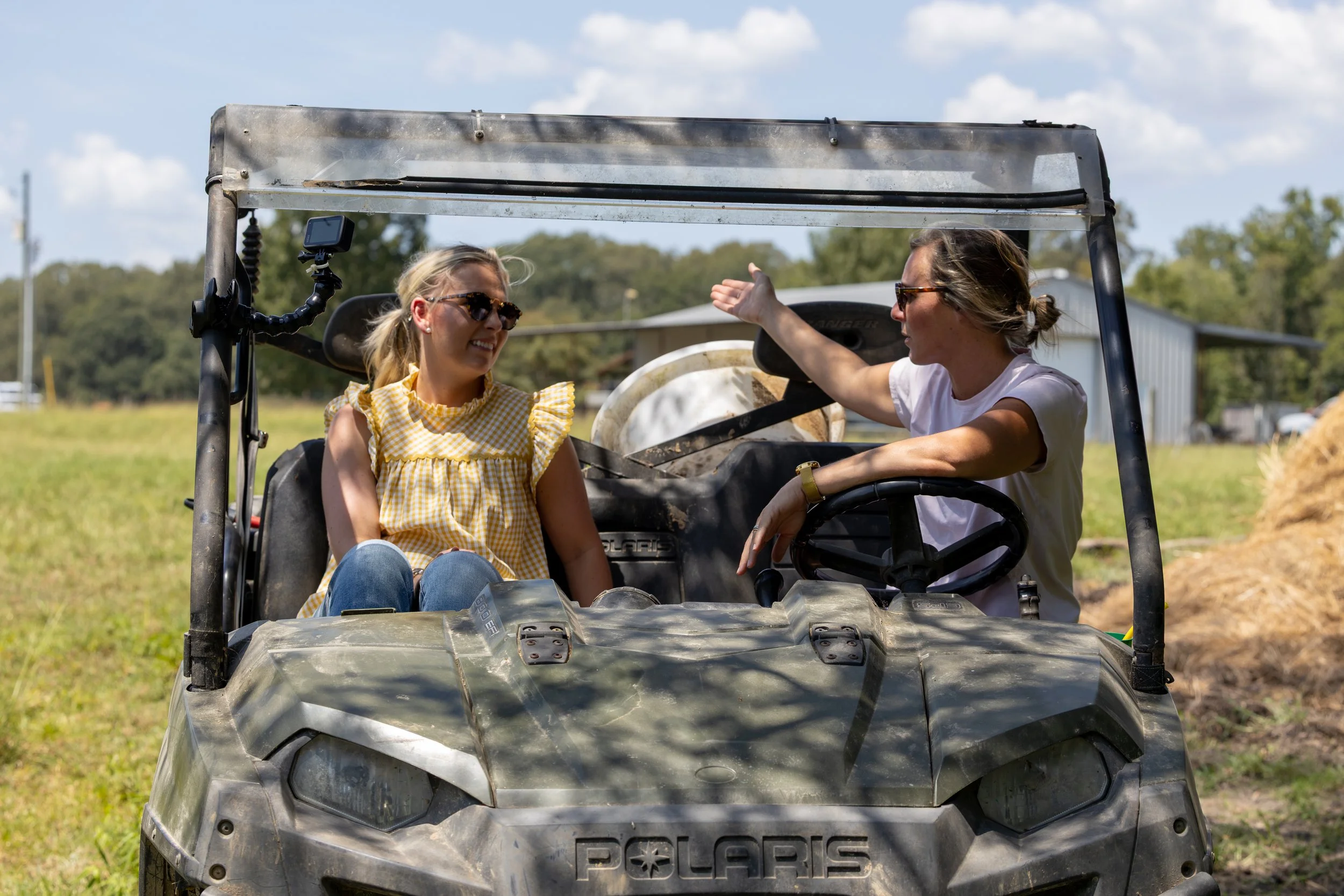
She'll prop her phone up on a block and a brick, hit record and go about feeding cattle, working calves and handling whatever else the day brings on the farm near Kentwood, Louisiana.
“I would see everybody share their day. And I thought that was so neat,” Macy said. “But then I was like, there's nothing interesting about my day. Like, ‘Why would I want to share that?’ And then my brother was like, ‘Hold on. What you do every day is not what people do every day. And people would love to see that.’”
Thousands of people apparently agreed.
But the story behind Macy's videos is bigger than social media.
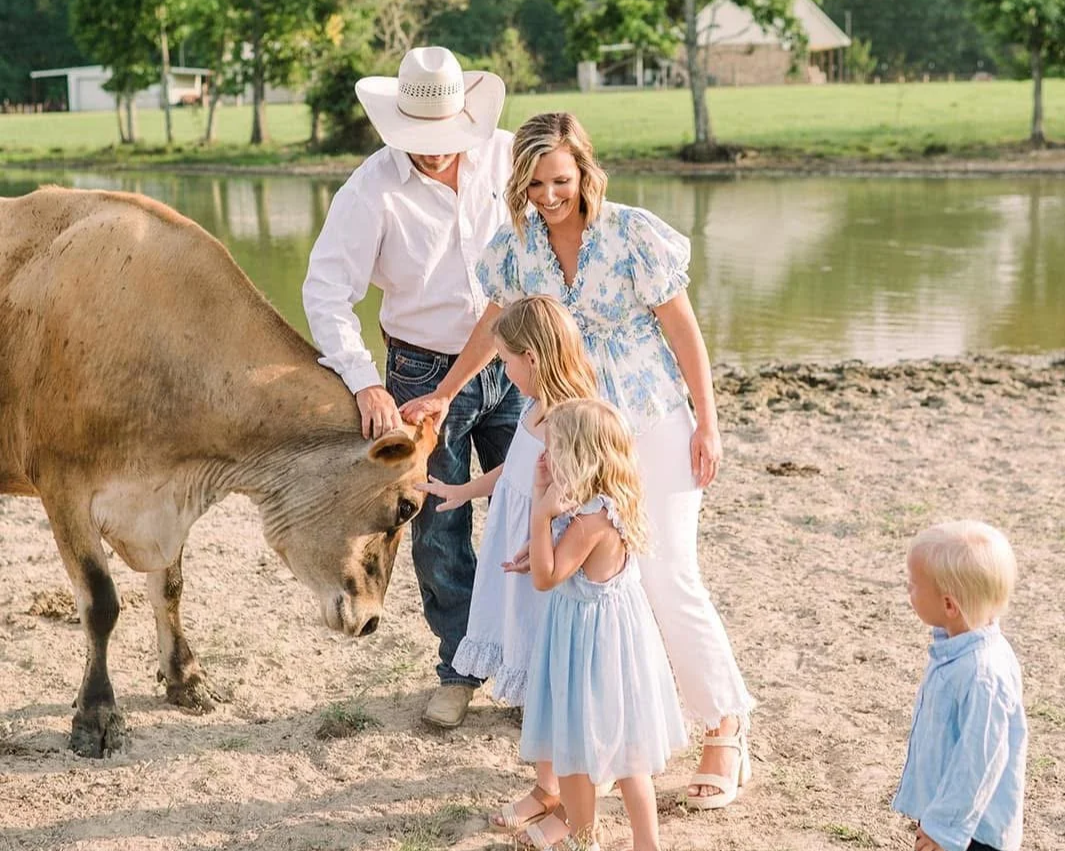
She and her husband, Matt, are first-generation farmers. Neither grew up with a family farm waiting for them. Their operation began more than a decade ago with a Jersey bottle calf named Lucky.
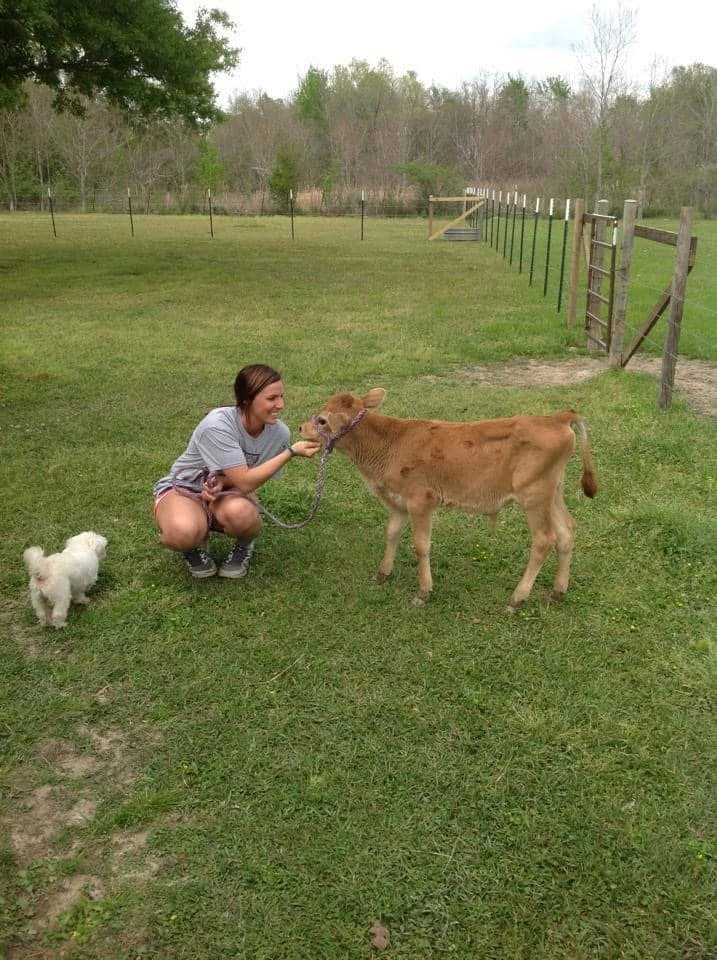
“Somebody gave us a Jersey bottle calf to get started,” Matt said. “He was dying and they were going to let him die. And my wife, she said she couldn't let him go.”
They brought Lucky home, doctored him and turned to whatever resources they could find.
“Google and YouTube, all kinds of videos,” Matt said. “And we got him better and watched him grow. And it was something that we enjoyed doing.”
For Macy, Lucky represented more than the beginning of a cattle operation.
“He was our first baby. He started it all,” she said. “He gave us a passion for this lifestyle. You know, and I always have a big heart for the underdog. And he was the underdog.”
That instinct to give something a chance has remained part of the Rushing operation.
Today, they often purchase calves at local sale barns that may not be the most desirable animals available. They bring those calves home, care for them and grow them from roughly 250 pounds to about 550 pounds before selling them to a buyer in Mississippi.
The calves eventually move on to the next stage of their lives before reaching the feed yard.
It is a relatively small part of the food system, but it is one the Rushings take pride in.
“We're in like the grocery store or something, you know, and you see people in there,” Macy said. “It's cool to think that we have a part in that. We have a hand in that.”
For Matt, the attraction to farming is difficult to explain to someone who hasn't experienced it.
A lot of people assume farming is something that is inherited. The Rushings are proof that isn't always the case.
“We're first-generation farmers,” Matt said. “We're the first people in our families to do this.”
Matt still has a job away from the farm, for now, but the farm has become the place where he finds satisfaction and relief.
“Something about being out here,” he said. “You know, some people like to run, some people like to play golf. We like to raise cattle. And this is just our stress relief.”
For Macy, the reward comes from watching an animal improve.
“It’s fun to wake up and to see what challenges we're going to face that day, but also when we do take a calf and we move them up and we watch them and then the next day we check on it to see that progress,” she said. “It just gives us that reassurance that we're doing something right.”
That same perspective has made her videos resonate far beyond the farm.
Macy films the unglamorous parts, too—the feed truck, the chores, the cattle and the little frustrations that come with farm life.
Her followers have even started identifying her by the truck.
“I've actually been noticed in New Orleans where they've said, ‘Are you the girl with the broken feed door?’” Macy said. “And I'm like, 'Yes! That's me!’”
The humor is part of the appeal, but Macy also sees her videos as an opportunity to show people a side of agriculture they may never otherwise encounter.
She especially hopes young girls see themselves in the work.
“I want to show my side of it, but also for my daughters and other daughters,” she said. “There's a couple little girls, their parents tell me they only let them watch my TikToks. And I think that's so cool to let all the little girls know that you can run a farm one day. You could doctor a calf.”
Her audience includes people who have never lived on a farm, as well as people who remember when they did.
Followers have told Macy her videos remind them of going to the farm with a grandparent.
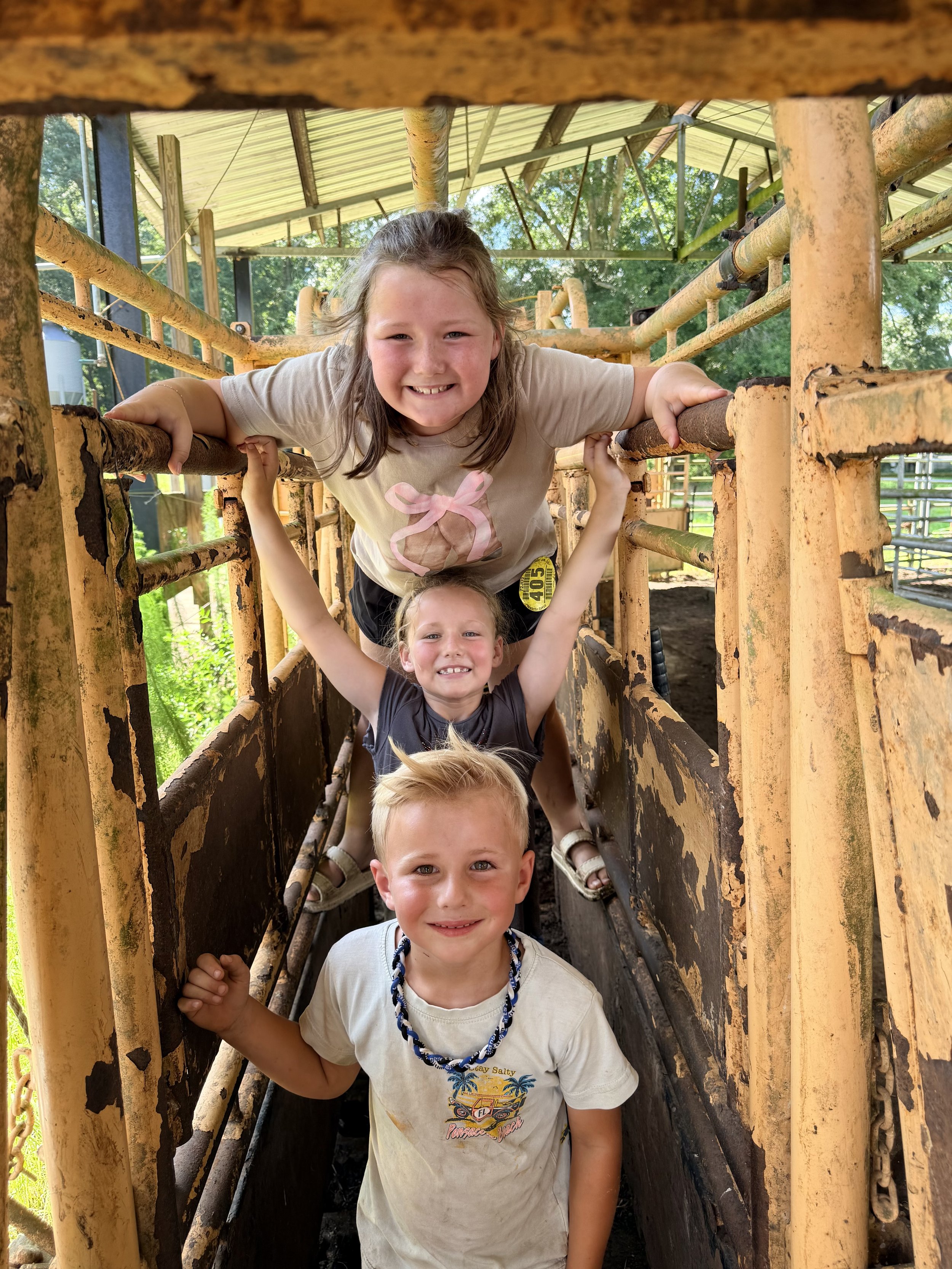
“I didn't grow up in agriculture and I didn't get to do that,” Macy said. “But I'm doing this for my kids and for them one day to be feeding.”
That may ultimately be the most important part of what the Rushings are building.
The farm isn't just an operation to grow. It is a place where their children can learn responsibility and experience the same connection to agriculture that Macy hopes her videos can give to people watching from hundreds of miles away.
Their original calf, Lucky, helped show them what was possible.
Now they are expanding the operation to match a much bigger dream.
The Rushings recently added land near Kentwood that will allow them to increase their capacity significantly. The property already had barns and pens suited for cattle, giving the family an opportunity to build on what they have started.
“We're looking to grow tenfold, basically,” Matt said. “We can buy cattle every week. Right now, we're kind of limited by space. So doing that, it's really going to help us expand our operation.”
It is a remarkable trajectory for a farm that started with one sick calf and two people willing to figure things out as they went.
And for Macy, the farm's future isn't just about the number of cattle they can raise.
It is about proving that someone doesn't have to be born into agriculture to find a place in it.
“This is achievable,” she said. “Becoming a first-generation farmer, starting from scratch. If I can do it, you can do it.”
For now, she will keep feeding cattle, raising her children, growing the farm—and occasionally balancing a phone on a block and a brick so thousands of people can see what an ordinary day on a Louisiana cattle farm looks like.
“That's why I do what I do.”