Cleveland: Declining Demand Spurs Market Closing Below 64-Cents
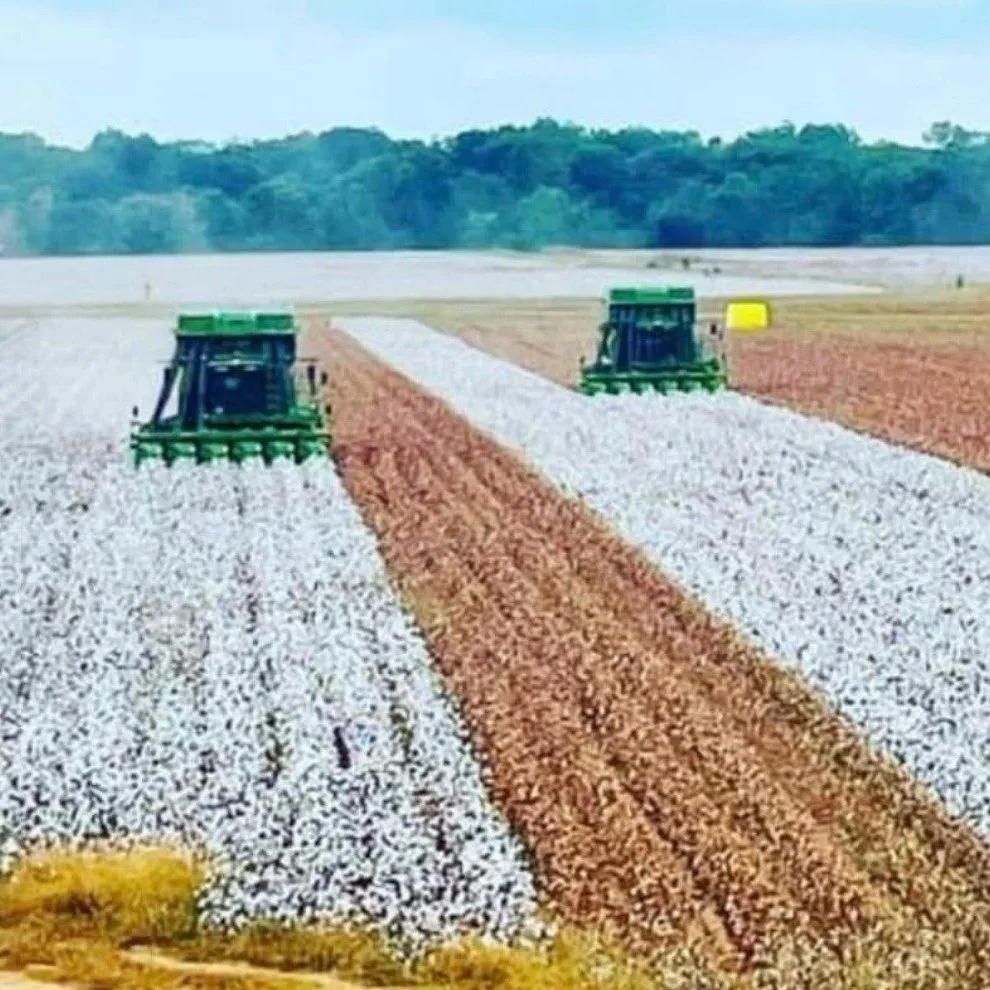
The nearby March contract, as expected, closed the week in search of the expiring December contract’s 62-64 cent level. The contract made its first weekly close below 64 cents, closing at 63.91 cents. It fell below the 10-day trading range, losing 78 points on the week.
Read More
Corn Hybrids For Grain 2026
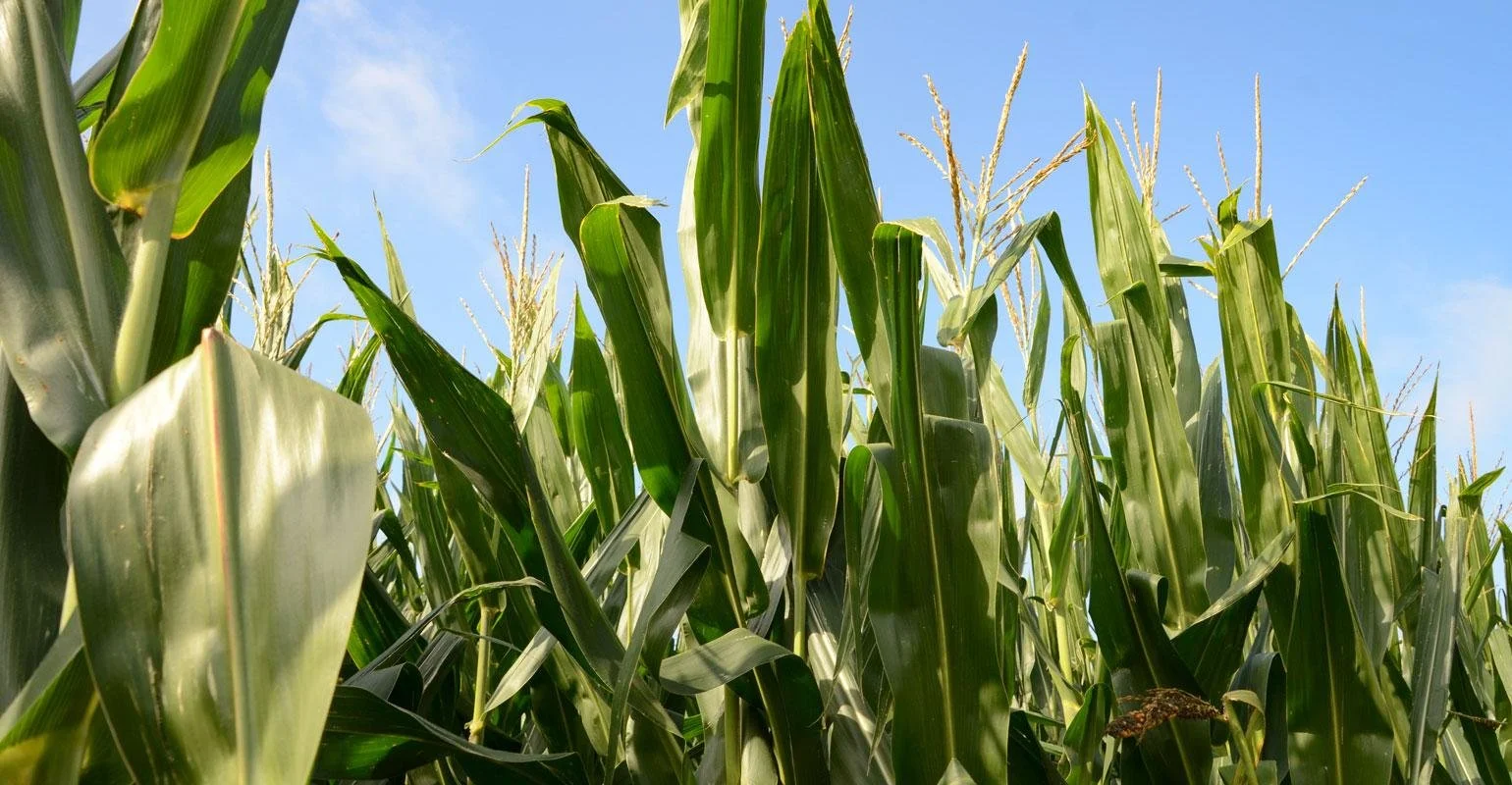
Corn hybrid performance is annually evaluated in official hybrid trials (OHTs) by LSU AgCenter researchers to provide Louisiana farmers, seedsmen, county agents and consultants with unbiased performance data for commercial corn hybrids submitted for evaluation by private companies. Selection of superior hybrids that are well adapted for a given region is essential for maximizing yield and profit.
Read More
Dr. Ronnie Levy Honored With Rice Industry Lifetime Achievement Award After Four Decades Of Service
For more than four decades, Ronnie Levy has been a steadfast presence in Louisiana agriculture, shaping its growth and guiding its future. Levy joined the LSU AgCenter in 1979, and throughout that time, he worked in various roles including county agent; soybean, corn and grain sorghum specialist; and interim regional director for the Central Region. But it is his work in rice that will crown his career.
Read More
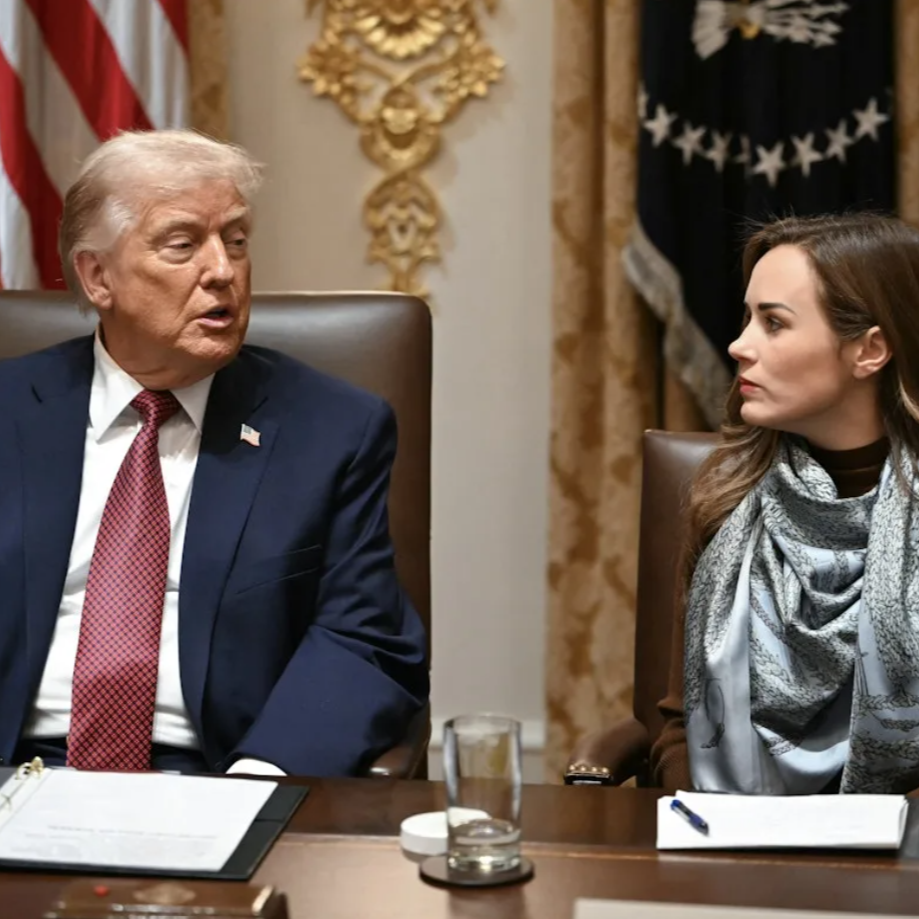
Rice Industry Leader Meryl Kennedy Farr Weighs In At Monday's Oval Office Visit
Monday afternoon, President Donald Trump and USDA Secretary Brooke Rollins announced the Farmer Bridge Assistance Program which will provide $11 billion to U.S. row crop farmers, including rice, as an economic bridge until next year’s One Big Beautiful Bill investments kick in through the Agricultural Risk Coverage and Price Loss Coverage Programs.
Former USA Rice Millers’ Association Chair and CEO of Louisiana-based Kennedy Rice Mill Meryl Kennedy Farr was selected to provide remarks as part of a Cabinet Room press conference.
Read More
2025 USA Rice Outlook Conference Gets Rolling in New Orleans
The 2025 USA Rice Outlook Conference, the largest rice conference in North America, returned to the Crescent City this week with a grand opening reception welcoming farmers, millers, merchants, end-users, exporters, academics, government officials, and special guests.
Read More
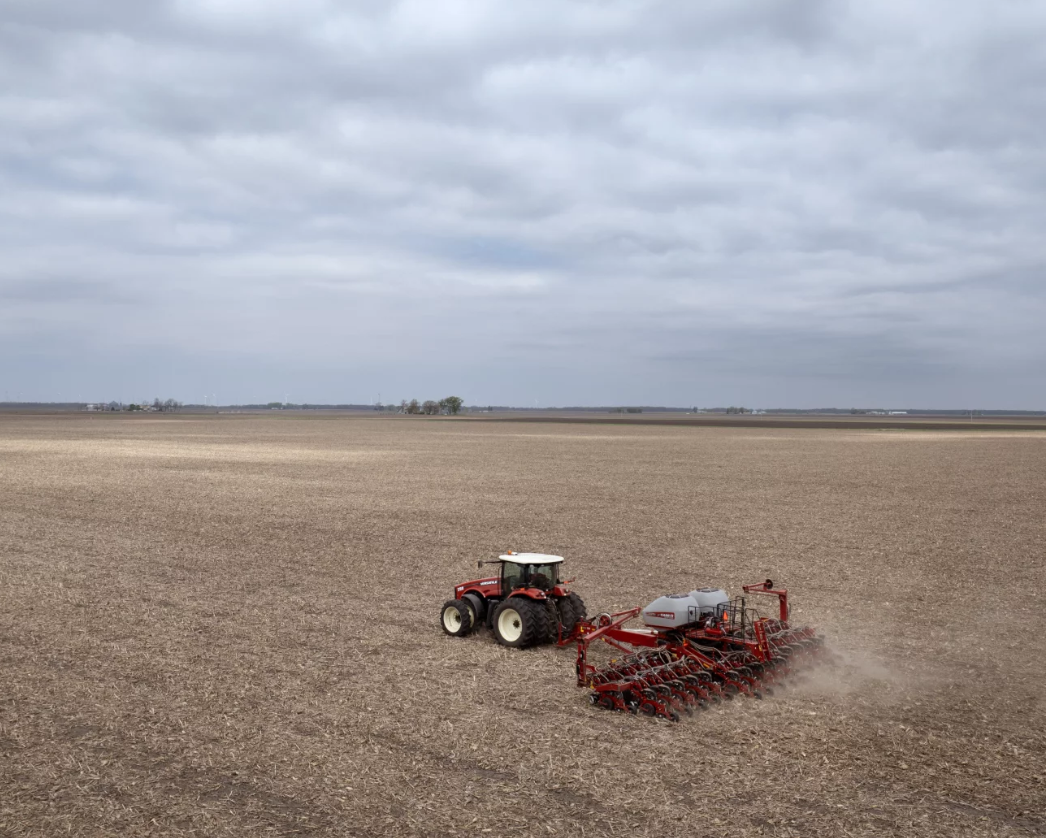
Corn Acres Increased Across Louisiana In '25
Corn acreage increased while cotton and soybean acres declined.
In Louisiana, corn acres increased by 330,000 acres (+75%) from 2024 to 2025. Most producers favored corn over cotton (and, to a lesser extent, soybeans) due to grain price competitiveness. Overall, yields were near the previous four-year average of 176 bushels per acre.
Read More
Trump Administration Announces $12 Billion Farmer Bridge Payments for American Farmers Impacted by Unfair Market Disruptions
President Donald J. Trump alongside U.S. Secretary of Agriculture Brooke L. Rollins, U.S. Secretary of the Treasury Scott Bessent, Senate Agriculture Committee Chairman John Boozman (AR), Senator Deb Fischer (NE), Senator John Hoeven (ND), Representative Austin Scott (GA), and farmers from Arkansas, Iowa, Indiana, Kansas, Louisiana, Pennsylvania, Ohio, and Texas today announced the U.S. Department of Agriculture (USDA) will make $12 billion available in one time bridge payments to American farmers in response to temporary trade market disruptions and increased production costs that are still impacting farmers following four years of disastrous Biden Administration policies that resulted in record high input prices and zero new trade deals. These bridge payments are intended in part to aid farmers until historic investments from the One Big Beautiful Bill Act (OBBBA), including reference prices which are set to increase between 10-21% for major covered commodities such as soybeans, corn, and wheat and will reach eligible farmers on October 1, 2026.
Read More
Trump Administration Announces $12 Billion in One-Time Payments to Farmers
The Trump administration announced $12 billion in one-time payments to farmers in the wake of this year's tariff hikes on Monday, primarily targeting farmers who grow crops such as soybeans and corn.
The move was outlined during a White House roundtable event, featuring farmers affected as well as Treasury Secretary Scott Bessent and Agriculture Secretary Brooke Rollins.
Read More
Farmers Grateful for Help Through Economic Storm
American Farm Bureau Federation President Zippy Duvall commented today on USDA’s announcement to provide financial relief and an economic bridge for America’s farmers and ranchers until benefits from the One Big Beautiful Bill Act reach the farm.
Read More
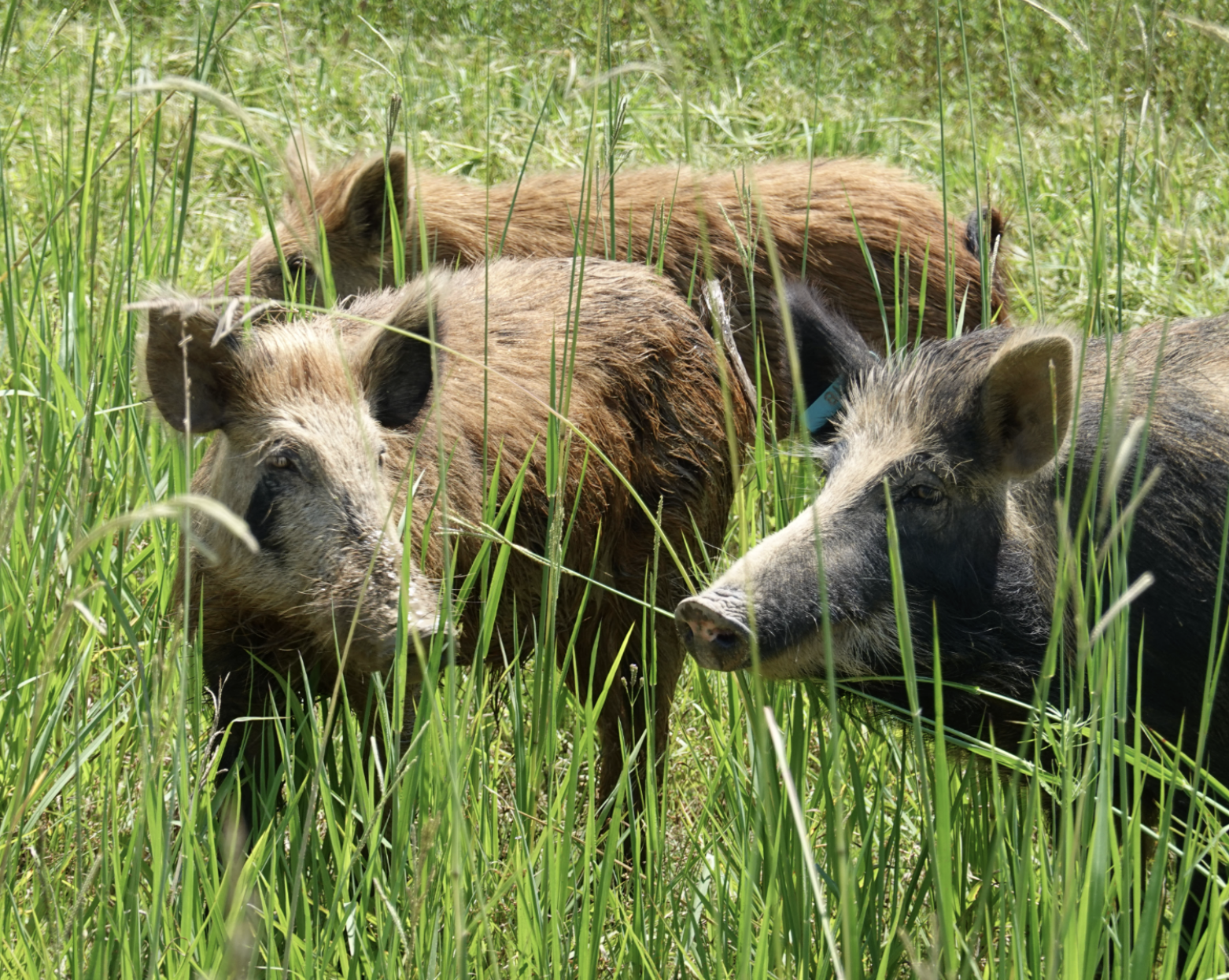
Gone to the Hogs: Caddo Plans to Hire Contractors to Help With Feral Hog Problem
Caddo Parish has gone to the hogs.
The feral hog problem in Caddo isn't exactly new, but it is getting worse, according to the parish administrator. The parish and state can't keep up with the hogs on their own, and Caddo now is planning on bringing in outside help to hunt down the wild pigs tearing up people's properties and causing a dangerous nuisance.
Read More
Sweet Potatoes: A $90M Crop That's Weathering The Storm In The Midsouth
Louisiana sweet potato growers celebrate a near-record harvest, while Mississippi farmers face challenges from extreme weather and low yields.
Read More
Applications Are Open For The Second Round of USDA's Supplemental Disaster Relief Program
The Undersecretary for Farm Production and Conservation says the USDA is delivering on its promise to help farmers impacted by natural disasters.
Read More
Trump to Unveil $12 Billion ‘Bridge’ Aid for Farmers
U.S. President Donald Trump will unveil a $12 billion aid package for American farmers affected by his trade policies on Monday, two White House officials said.
Farm groups and Republican farm-state lawmakers have sought the aid in part to support farmers with purchases of seeds, fertilizer and other expenses for next year's growing season. U.S. farmers have been saddled this year with record harvests and lost billions of dollars in soybean sales to China when the nation turned to South American suppliers this fall during stalled trade talks.
Read More
Cutting Through the Confusion: White House Confirms Trade Agreement With China on Soybeans
Treasury Secretary Scott Bessent says China is making progress on its commitment to buy U.S. soybeans, hitting the “correct cadence,” with purchases expected to wrap by February 2026 — underscoring ongoing trade commitments and support for farmers.
Read More
How Midsouth Row Crop Producers Fared in 2025
Row crop producers across the South faced another difficult year in 2025. Weather challenges led to wide yield variability across much of the region. Even where yields were strong, low commodity prices and persistently high input costs kept margins tight, leaving many operations near or below breakeven for a third straight year. Shifts in acreage were common, with corn gaining ground at the expense of cotton and, in some areas, soybeans.
Read More