USA Rice Rounds Out A Week Of Field Days At Louisiana Farm Bureau’s 103rd Annual Convention
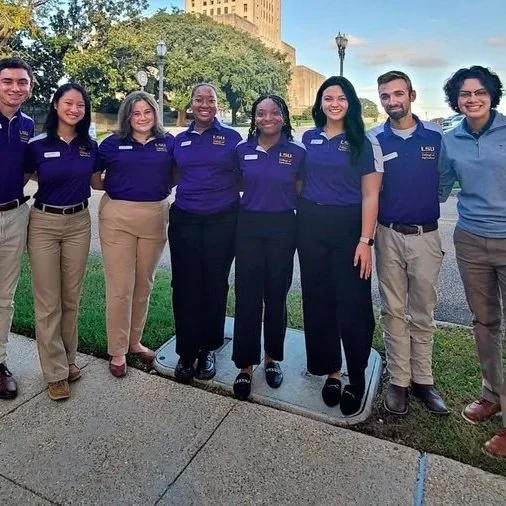
The Louisiana Farm Bureau Federation (LFBF) hosted its 103rd Annual Convention here this weekend with record breaking participation and key discussions around critical challenges and opportunities for Louisiana agriculture. A longtime rice farmer and agricultural leader from Evangeline Parish, Richard Fontenot, was re-elected as the LFBF president for 2025 and presided over the convention.
Read More
Taking To The Rice Fields In Louisiana
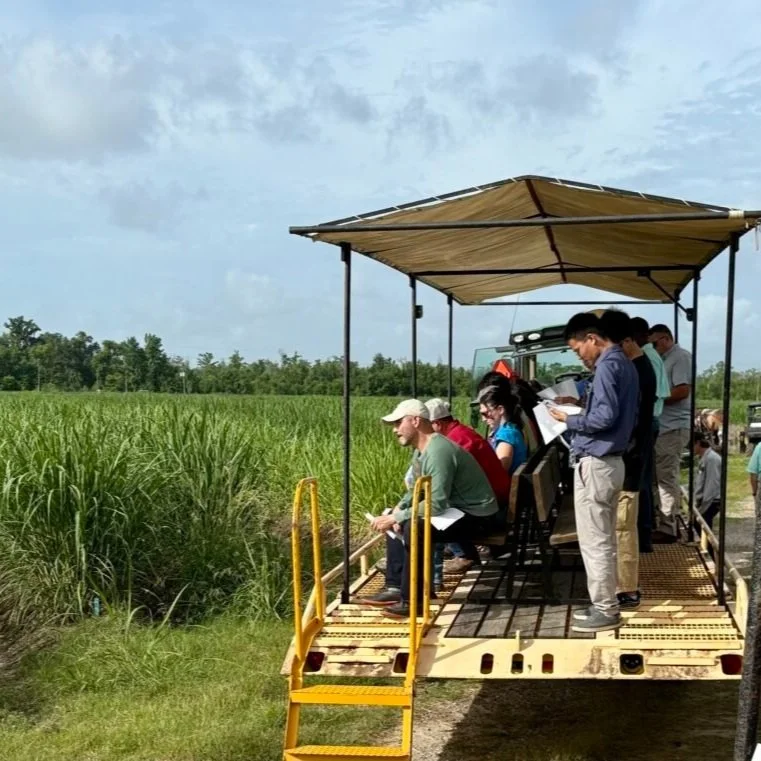
Hundreds of growers and industry representatives took to rice fields around southwest Louisiana this week to hear the latest in research, crop assessment, acreage estimates, the impacts of recent wild weather, and more.
At the HorizonAg Field Day at the Richard Family Farm in Kaplan, the theme was collaboration and partnership. As Director of Sales Jason Satterfield said in opening remarks, “our success as a company is your success as growers.”
Read More
Watermelon Field Day To Be Held July 2 In St. Gabriel
The LSU AgCenter will hold a watermelon field day on Wednesday, July 2, at the Sugar Research Station, 5755 LSU Ag Road in St. Gabriel.
AgCenter agriculture and natural resources, 4-H and nutrition and community health agents will be present at booths with garden, cooking and activity demonstrations. They will be available to answer any questions you may have about growing and preparing the delicious summertime treat.
Read More
Vermilion Parish Named Top Farm Bureau at 103rd Annual Louisiana Farm Bureau Convention
For the sixth straight year, the Vermilion Parish Farm Bureau captured the President’s Award, the highest honor given by the Louisiana Farm Bureau Federation during the organization’s Annual Awards night at the 103rd Annual Convention.
The President’s Award recognizes the parish Farm Bureau excelling in membership, advocacy and communications over the past year. Louisiana Farm Bureau President Richard Fontenot presented the award to Vermilion Parish Farm Bureau President Bryan Simon Thursday night at the New Orleans Marriott.
Read More
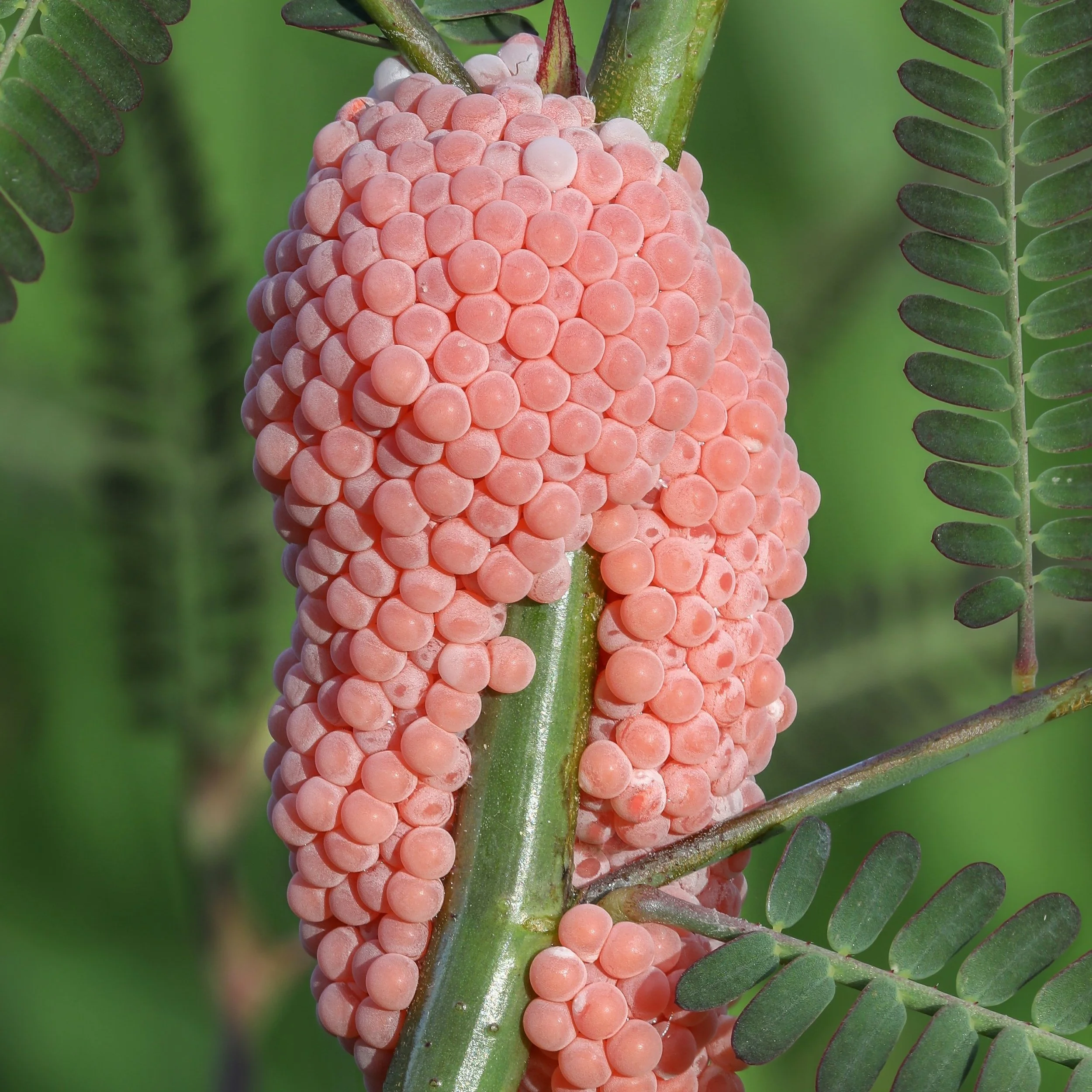
Invasive Species that Threaten Louisiana’s Ecosystems
Louisiana has among the most biodiverse ecosystems in the United States. From vast wetlands, swamps to coastal habitats, our ecosystems truly make Louisiana beautiful. One big problem our ecosystems are facing are invasive species that disrupt their balance and destroy what makes them beautiful.
Invasive species are plants, animals or other organisms that are not native to a specific area and cause harm to the environment, economy or human health when they spread.
Read More
LSU Les Voyageurs Named Top Club in 2024 by Animal Agriculture Alliance
For the third consecutive year, the Louisiana State University (LSU) Les Voyageurs club earned the top prize in the Animal Agriculture Alliance’s 2024 College Aggies Online (CAO) scholarship program. During the nine-week program, club members host 10 College Aggies events to inform students and community members about agriculture.
Read More
Bill Introduced to Help Farmers with Potential Tariff-related Losses
A new bill was introduced on Capitol Hill this week that would provide funding for farmers who experience losses as a result of the ongoing tariff negotiations.
“This bill would actually create a separate fund for the secretary of agriculture to have complete control to use, using the tariffs that are coming in,” said Rep. Julia Letlow, (R-LA), who crafted the legislation.
Read More
Louisiana Rice Crop Looks Promising, but Challenges Remain
As rice harvesting in south Louisiana gears up for mid-July, experts are weighing in on the outlook for Acadiana farmers. Despite challenges like excessive rain and political influences, there is optimism in the air.
Peter Bachmann from the USA Rice Federation believes Louisiana's rice industry remains healthy. Ronnie Levy, a Louisiana rice specialist with the LSU AgCenter, echoed this sentiment, stating, "The rice crop looks good."
Read More
A New Variety and a New Chapter for Louisiana Sugarcane
In Louisiana, sugarcane isn’t just a crop, it is part of who we are. And this summer, the people who grow it, grind it and study it will come together once again for a tradition that keeps this industry strong: field days.
Hosted by the United States Department of Agriculture, LSU AgCenter, and the American Sugar Cane League, these gatherings give growers a chance to visit research farms, hear the latest updates and talk directly with the scientists working on their behalf. It is where new ideas are shared, old ones are tested and the future of Louisiana sugarcane takes shape.
Read More
Mississippi River's 2022 Low Water Levels Reduced Soybean Crop Value By $293M
Effects from record low levels on the Mississippi River could’ve reduced the value of Arkansas’ 2022 soybean crop up to $293 million, according to research by two agricultural economists with the University of Arkansas System Division of Agriculture.
Read More
ASA Calls For Reauthorization Of Grain Standards Act In House Testimony
Dave Walton, secretary of the American Soybean Association and a farmer from Wilton, Iowa, testified today before the House Agriculture Committee’s Subcommittee on General Farm Commodities, Risk Management and Credit, emphasizing the importance of reauthorizing the U.S. Grain Standards Act. Under the Grain Standards Act, the federal government established official marketing standards (not health and safety standards) for grains and oilseeds, which are overseen by the Federal Grain Inspection Service (FGIS).
Read More
Sugar 101: Putting American Jobs First
Farm policy is about much more than just the farm – it affects countless jobs from the field to the factory. Sugar is the main engine of economic growth in dozens of communities across the country, and much of the sugar made in America is done so by a union workforce. Supporting a strong U.S. sugar policy means supporting good, American manufacturing jobs.
Read More
Crowley Hosts 116th Annual Rice Field Day; Experts say this Year's Crop Looks Really Good
Louisiana's rice crop is progressing well despite some early weather challenges. This update was shared at the 116th Annual Rice Field Day held at LSU's Rice Research Station in Crowley on Tuesday, June 24.
During the event, rice growers received insights from LSU AgCenter experts on improving rice production, including pest management strategies. The AgCenter reported that more than 461,000 acres of rice are cultivated in the state.
Read More
Sugarbeet and Sugarcane Production and Farm Trends
Like many other agricultural sectors, there has been consolidation in United States (US) farm-level sugar production. Sugar is a unique commodity because about 56 percent of the domestic production of sugar originates from sugarbeets and 44 percent originates from sugarcane. The US domestic production of sugar has increased from 8.02 million short tons raw value (STRV) in 1997 to 9.31 million STRV in 2024, an increase of 16% (USDA ERS, 2025a). However, there are now 50 percent fewer sugarbeet and sugarcane farms in the country.
Read More
Two New Varieties, More on the Way: Field Day Highlights Advancements at LSU AgCenter Rice Research Station
With harvest season rapidly approaching, rice farmers took a break from their own fields and converged on those at the LSU AgCenter H. Rouse Caffey Rice Research Station June 24 to hear from experts about the latest industry trends and to get updates on research aimed at helping them grow a better crop.
Although farmers are facing depressed commodity prices and are keeping their fingers crossed that recent rains won’t dampen their upcoming harvests, there was still plenty of good news to go around at the field day, which has been held annually at the station near Crowley for 116 years.
Read More