Fall Armyworm Control on Turf And Grass Pastures
Fall armyworms, Spodoptera frugiperda, are chronic insect pests in the state, with more than 60 plants reported as hosts, including various pasture grasses (and lawns) and agronomic crops including corn, alfalfa, cotton, soybeans, grain sorghum, and rice. They migrate to Louisiana from neighboring regions like Florida, Texas, Caribbean islands, and Central-South America, with infestations most common from late July to early August.
Read More
Tiger Lake Livestock Auction: August 2, 2023
Click below for the market report from the latest Tiger Lake Livestock Auction.
Read More
Dominique's Livestock Auctions: July 31 - August 1, 2023
Click below for the market report from the latest Dominique’s Livestock Auctions.
Read More
Red River Livestock Auction: August 2, 2023
Click below for the market report from the latest Red River Livestock Auction.
Read More
Louisiana Crawfish Farmer's Boat Attacked by Huge Gator
Crawfish and rice farming in Louisiana is a lucrative business and can be very rewarding depending on the season. But it come with some risks. In this case the "risk" took the form of a MONSTER alligator!
A video surfaced on Reddit some months ago titled "Farming in Louisiana is tough". In the video, you can see the cage wheel from a crawfish harvesting boat churning through the shallow waters of a crawfish farm.
Read More
Burden to Host Youth AgBash on Sept. 22
The East Baton Rouge Parish offices of the LSU AgCenter and Southern Ag Center are sponsoring a back-to-school Youth AgBash at Burden Museum & Gardens on Sept. 22.
This urban extension event is designed to expose inner city students to programs and careers in agriculture.
Read More
Pro Bass Fisher Sets State Record for Largest Longnose Gar
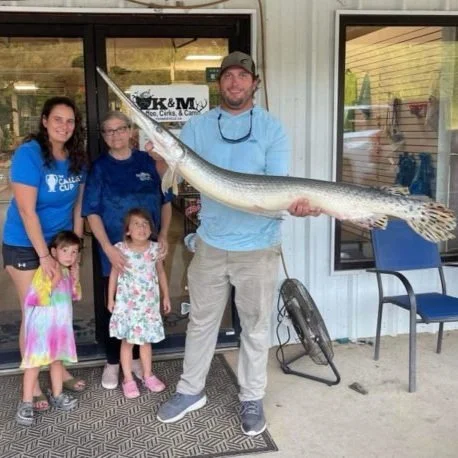
Bass pro Jake Ormond set a state record for the largest longnose gar which he caught on Bayou Bartholomew while giving a bass fishing lesson. The Sterlington native was giving his young student a lesson on crankbaiting when he spotted the big gar on the surface of the water. After switching rods and spotting him on the bottom, it took Ormond three casts to hook the monster and start to tire it out.
Read More
Nutrien to Pause Potash Production Ramp Up, Louisiana Ammonia Project
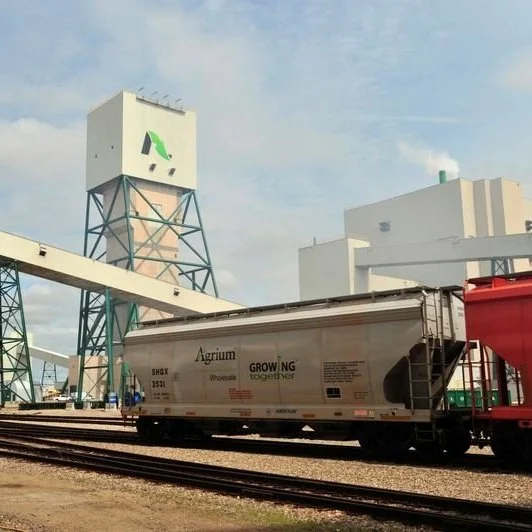
Nutrien, the world’s biggest fertilizer producer, said on Wednesday it would pause its potash production ramp-up plans indefinitely and halt work on its clean ammonia project at Geismar, Louisiana.
U.S.-listed shares fell 2.6% in extended trading as the company cited market conditions for stopping efforts to bolster potash output to 18 million tonnes.
Read More
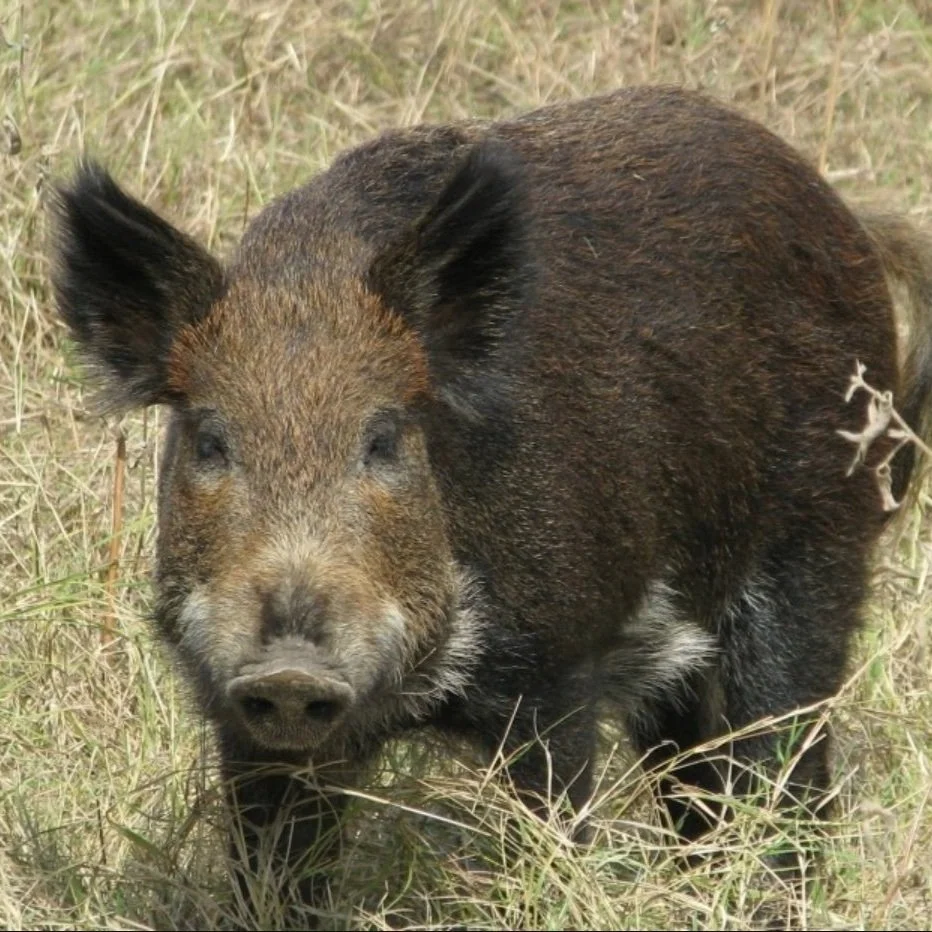
Tasty but Deadly, This New Bait for Feral Hogs Could Help Curb Their Rapid Spread
It tastes like fish oil, has the mouthfeel of rubber and looks like a ball of earwax, but wild pigs are literally dying to eat it.
Louisiana scientists have patented a tasty but deadly bait that could help curb the rapid spread of feral hogs, an invasive species that causes widespread damage to croplands and coastal wetlands.
Read More
Sugarcane Ripener Recommendations for 2023
Chemical ripeners for sugarcane in Louisiana provide an important benefit. When properly applied, ripeners can maximize recoverable sugar and minimize cane yield (tonnage) losses.
In 2023, the following glyphosate formulation is recommended as a chemical ripener: Roundup PowerMAX 3. Roundup PowerMax 3 contains 4.8 pounds of glyphosate acid per gallon and is formulated as a potassium salt.
Read More
Richards Named Louisiana Rice Festival Farmers Of The Year
The 86th International Rice Festival has selected Christian and Julie Richard as the 2023 Farmers of the Year.
The Richards will join the Presidential Party for the 2023 festivities. The annual event is the oldest and largest agricultural festival in Louisiana.
This year’s festival will be held Oct. 19 to 22 in downtown Crowley.
Read More
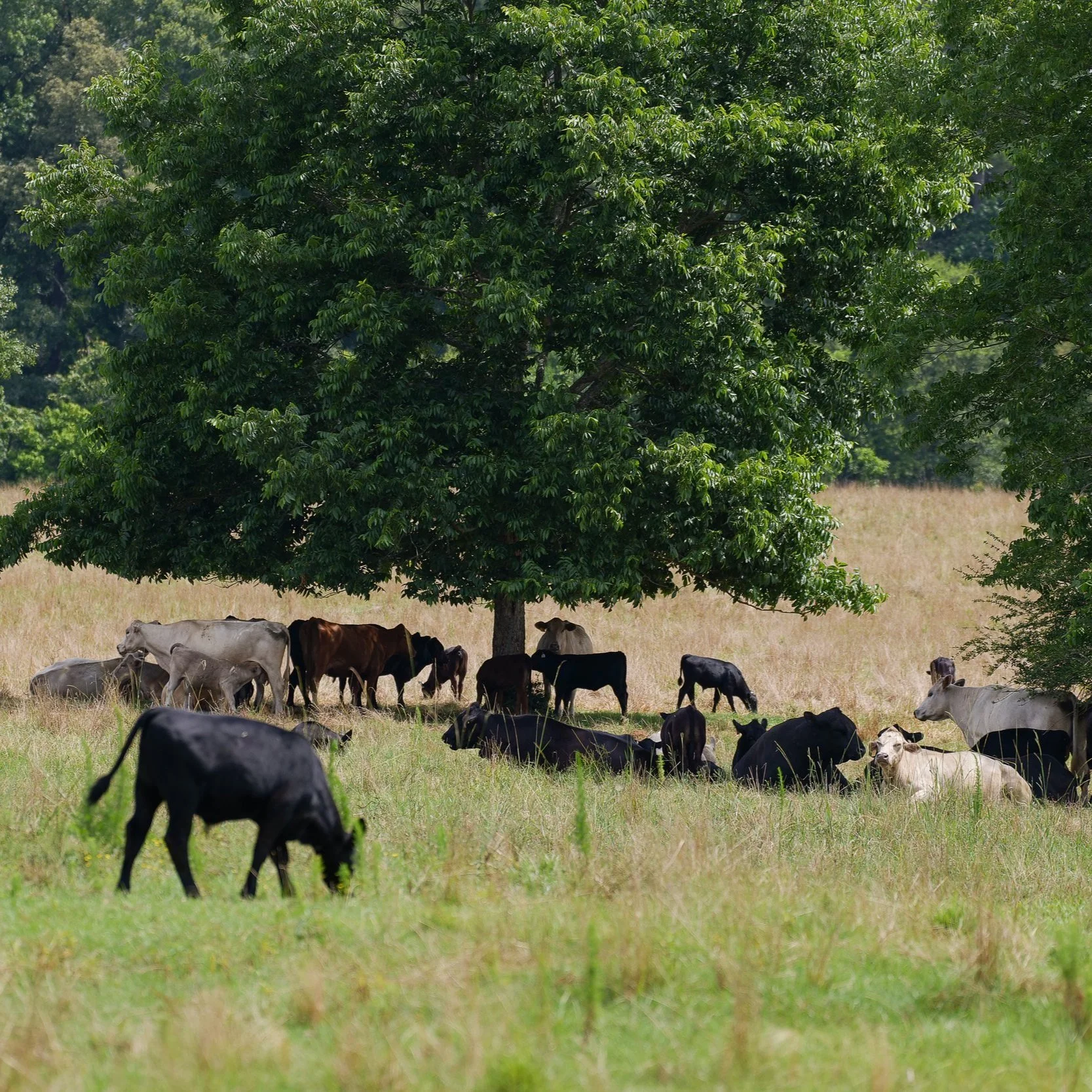
Cattle Plus Extreme Heat Equals A Bad Combination
This summer’s extreme heat has been and continues to be brutal on Louisiana cattle.
When the temperature at night remains above 80 degrees, it’s really hard for cattle to cool down.
During an average year, August is the worst month for heat stress in cattle. But this year, high temperatures arrived early in June.
Read More
Kinder Livestock Auction: July 31, 2023
Click below for the market report from the latest Kinder Livestock Auction.
Read More
Dr. Katara Williams Nominated into Academic Leadership Institute (ALI) Residential Program
Katara Williams, Ph.D., Vice Chancellor for Institutional Advancement and External Relations at the Southern University Ag Center, was nominated into the annual Academic Leadership Institute (ALI) residential program.
The residential program offers an intensive, on-site learning and networking opportunity for rising leaders committed to issues of diversity, equity, and inclusion (DEI), including faculty of color, as they advance their careers within higher education.
Read More
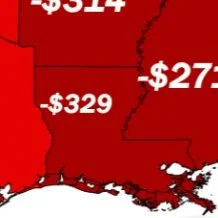
Farm Bill Base Acre Debate Heats Up, Mandated Update Would Mean Big Loss for Louisiana
For more than two decades, and over the course of the last four farm bills, farm program payments have been based on a farm’s historical planted acreage, i.e., base acres, and not on actual plantings each year. Decoupling Agriculture Risk Coverage and Price Loss Coverage farm program payments prevents farmers from making planting decisions based on expected program payments. Instead, the current system ensures farmers evaluate only market supply and demand signals and expected returns per acre when determining which crops to plant each year.
Read More