EPA Mulls Tougher Regulation Of Livestock Farm Pollution

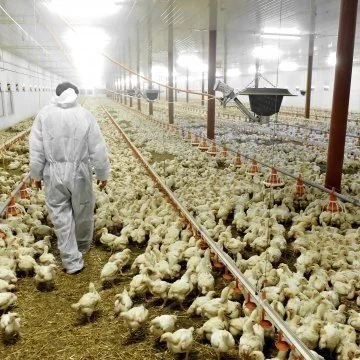
TRAVERSE CITY, Mich.- The U.S. Environmental Protection Agency says it will study whether to toughen regulation of large livestock farms that release manure and other pollutants into waterways.

EPA has not revised its rules dealing with the nation's largest animal operations - which hold thousands of hogs, chickens and cattle - since 2008. The agency said in 2021 it planned no changes but announced Friday it had reconsidered in response to an environmental group's lawsuit.

While not committing to stronger requirements, EPA acknowledged needing more recent data about the extent of the problem -and affordable methods to limit it.

''EPA has decided to gather additional information and conduct a detailed study on these issues in order to be able to make an informed decision as to whether to undertake rulemaking,'' the agency said.

Food & Water Watch, whose lawsuit prompted the agency's reversal, said a new approach was long overdue.

''For decades EPA's lax rules have allowed for devastating and widespread public health and environmental impacts on vulnerable communities across the country,'' Tarah Heinzen, the group's legal director, said Monday.

Beef, poultry and pork have become more affordable staples in the American diet thanks to industry consolidation and the rise of giant farms. Yet federal and state environmental agencies often lack basic information such as where they're located, how many animals they're raising and how they deal with manure.

Runoff of waste and fertilizers from the operations - and from croplands where manure is spread - fouls streams, rivers and lakes. It's a leading cause of algae blooms that create hazards in many waterways.

and dead zones in the Gulf of Mexico and Lake Erie.

Under the Clean Water Act, EPA regulates large farms - known as Concentrated Animal Feeding Operations, or CAFOs - covered by federal pollution permits. Federal law requires only those known to discharge waste to obtain permits, although some states make others do so.

EPA's most recent tally shows 6,266 of the nation's 21,237 CAFOs have permits.

In its plan, the agency said its rules impose ''substantial and detailed requirements'' on production areas - barns and feedlots where animals are held, plus manure storage facilities - as well as land where manure and wastewater are spread.

While prohibiting releases to waterways, the rules make exceptions for production area discharges caused by severe rainfall and for stormwater-related runoff from croplands where waste was applied in keeping with plans that manage factors such as timing and amounts.

Read More
don molino
Kellogg Helping Rice Farmers Reduce Greenhouse Gas Emissions

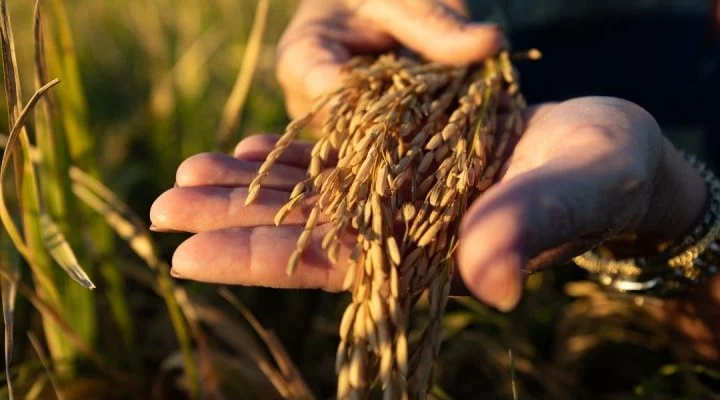
Kellogg ‘s InGrained™, a five-year partnership with Lower Mississippi River Basin rice farmers to help reduce their climate impact, is reporting early positive results. During the pilot year of the program, InGrained helped farmers implement climate-smart irrigation practices that achieved a reduction of more than 1,600 metric tons of greenhouse gases1 – the equivalent of taking more than 345 gasoline-powered cars off the road for one year.2

Read More
Ricekristen oaks
Extension Program Improves Reproductive Efficiency Inn Beef Herds

For many beef cattle producers, evaluating breeding soundness of their herd bulls is often an overlooked practice. Selection of bulls based on genetic potential is one of the most progressive ways to improve the beef herd. However, bulls that do not properly settle cows contribute to reproductive inefficiency and lost income — no matter how genetically superior they may be.

Read More
LSU AgCenterdon molino
Farm Futures' Grower Survey: Planted Acreage Of Major Crops To Increase

The 2023 acreage battle is already underway, but this year a surprise player could upend corn and soybean acres. A surge in projected wheat acres and pricey inputs will likely keep a lid on corn and soybean acreage in 2023 according to 560 farmer respondents who participated in the January 2023 Farm Futures survey, conducted from November 28 to December 30, 2022.

The survey also found that most growers finalized 2023 acreage decisions before the end of 2022. About 70% of farmers reported being locked in on 2023 acres by late December 2022. Barring any major market upheaval in the coming weeks, growers have much less incentive to deviate from rotations than last year.

Read More
don molino
USDA Announces Additional Assistance For Dairy Farmers

The U.S. Department of Agriculture (USDA) today announced the details of additional assistance for dairy producers, including a second round of payments through the Pandemic Market Volatility Assistance Program (PMVAP) and a new Organic Dairy Marketing Assistance Program (ODMAP). The update to PMVAP and the new ODMAP will enable USDA to better support small- and medium-sized dairy operations who weathered the pandemic and now face other challenges.

Read More
Dairy, USDAdon molino
Louisiana Department of Agriculture: Inflation, Lingering Avian Flu Continues to Keep Egg Prices High

Louisiana Department of Agriculture and Forestry Commissioner Strain says egg prices rose sharply over the holidays as demand increased. Since then, it has lowered slightly, but not by much.

He says due to inflation, the cost of feed, fertilizer, diesel fuel needed for transporting products, and the cost of keeping chicken coups heated have all driven up the price of eggs, and they will remain high unless conditions improve.

Read More
LDAF, Poultrykristen oaks
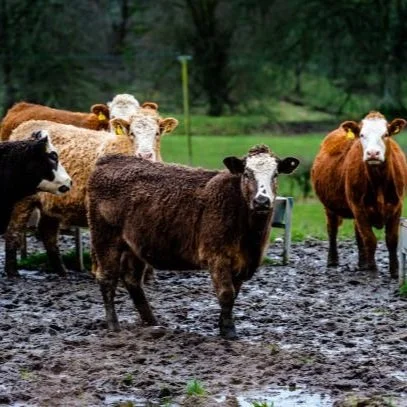
Don't Let Cattle Get Stuck In Mud

As temperatures sway between cool and warm this winter, many beef and dairy producers may be dealing with mud on their farms. This is especially true in parts of the U.S. that receive greater levels of precipitation in the form of rain or snowmelt.

Read More
don molino
USDA Announces Signup For '23 Assistance For Specialty Crop Growers

The U.S. Department of Agriculture (USDA) reminds specialty crop producers of available assistance to help cover certain costs of complying with regulatory and market-driven food safety certification requirements. Applications for the Food Safety Certification for Specialty Crops (FSCSC) program for eligible 2022 costs are due by Jan. 31, 2023. USDA’s Farm Service Agency (FSA) will accept applications for 2023 costs from Feb. 1, 2023, to Jan. 31, 2024. 

Read More
USDAdon molino