USDA Confirms Presence of New World Screwworm in the United States
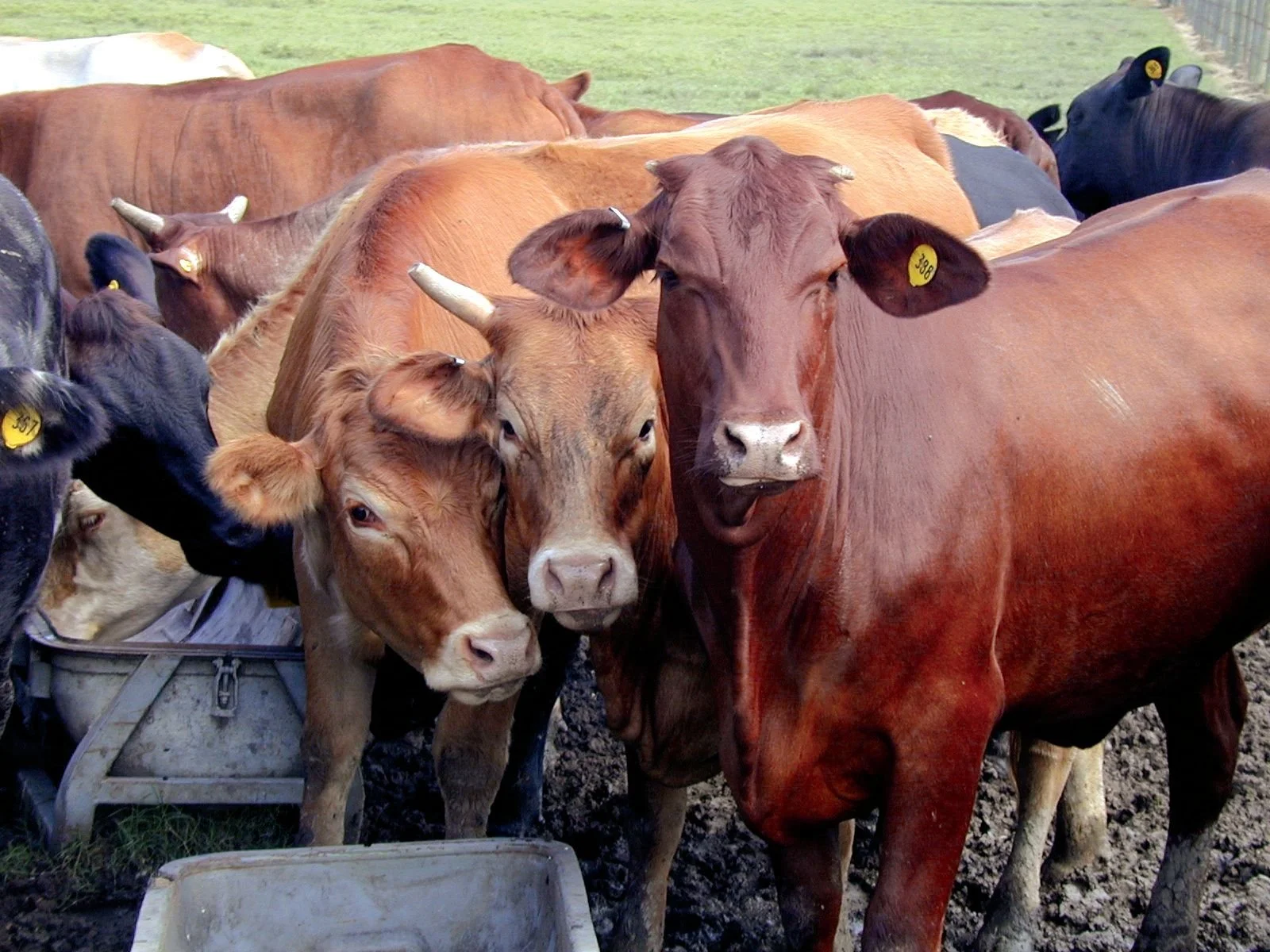
The U.S. Department of Agriculture’s (USDA) Animal and Plant Health Inspection Service (APHIS) confirmed the detection of a New World screwworm (NWS) in a bovine in Zavala County, Texas. NWS is a serious pest that affects livestock, pets, wildlife, and less commonly, people and birds. NWS larvae (maggots) burrow into the flesh of living animals, causing serious damage to livestock and economic losses.
Read More
USDA Expands Payment Limitation and Payment Eligibility Provisions for Farmers
The U.S. Department of Agriculture’s Farm Service Agency (FSA) is expanding payment limitation and payment eligibility provisions that affect program payments including allowing for the equitable treatment of business entities. Additionally, producers will benefit from an increased payment limitation for certain programs, and a broader definition of farming income that will result in more exceptions to income limitations.
Read More
USDA Announces Improved Support, Reduced Burdens, And $60 million In Investments To Support Small Meat And Poultry Plants
Today, U.S. Secretary of Agriculture Brooke L. Rollins launched the Small Processors Action Plan (PDF, 2.3 MB), a new set of actions to better support small and very small meat and poultry processing plants, improve customer service, and reduce unnecessary regulatory burdens while maintaining strong food safety protections for consumers.
Read More
June 1 Louisiana Crop Progress And Condition Report
The June 1, 2026 USDA NASS national crop progress database shows that while Louisiana's corn and cotton crops are steadily progressing, they have experienced different impacts from recent weather.
Read More
USDA Announces Cotton Plan to Bolster Demand
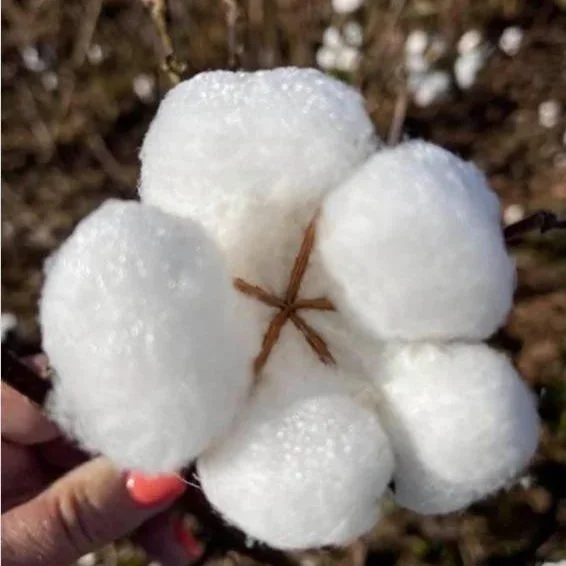
The Agriculture Department announced a new Great American Cotton Plan on Thursday, saying it aims to strengthen cotton farm income, expand trade and increase demand for U.S.-grown cotton.
Read More
USDA Announces Enrollment Period And Payment Rates For Specialty Crop Farmers
U.S. Secretary of Agriculture Brooke L. Rollins today announced payment rates and the enrollment period for the Assistance for Specialty Crops Farmers (ASCF) program.
Read More
USDA Announces June 2026 Lending Rates For Agricultural Producers
The U.S. Department of Agriculture (USDA) announced loan interest rates for June 2026, which are effective June 1, 2026. USDA Farm Service Agency (FSA) loans provide important access to capital to help agricultural producers start or expand their farming operation, purchase equipment and storage structures or meet cash flow needs.
Read More
USDA Opens State-of-the-Art Livestock Insects Research Laboratory to Combat Livestock Pests
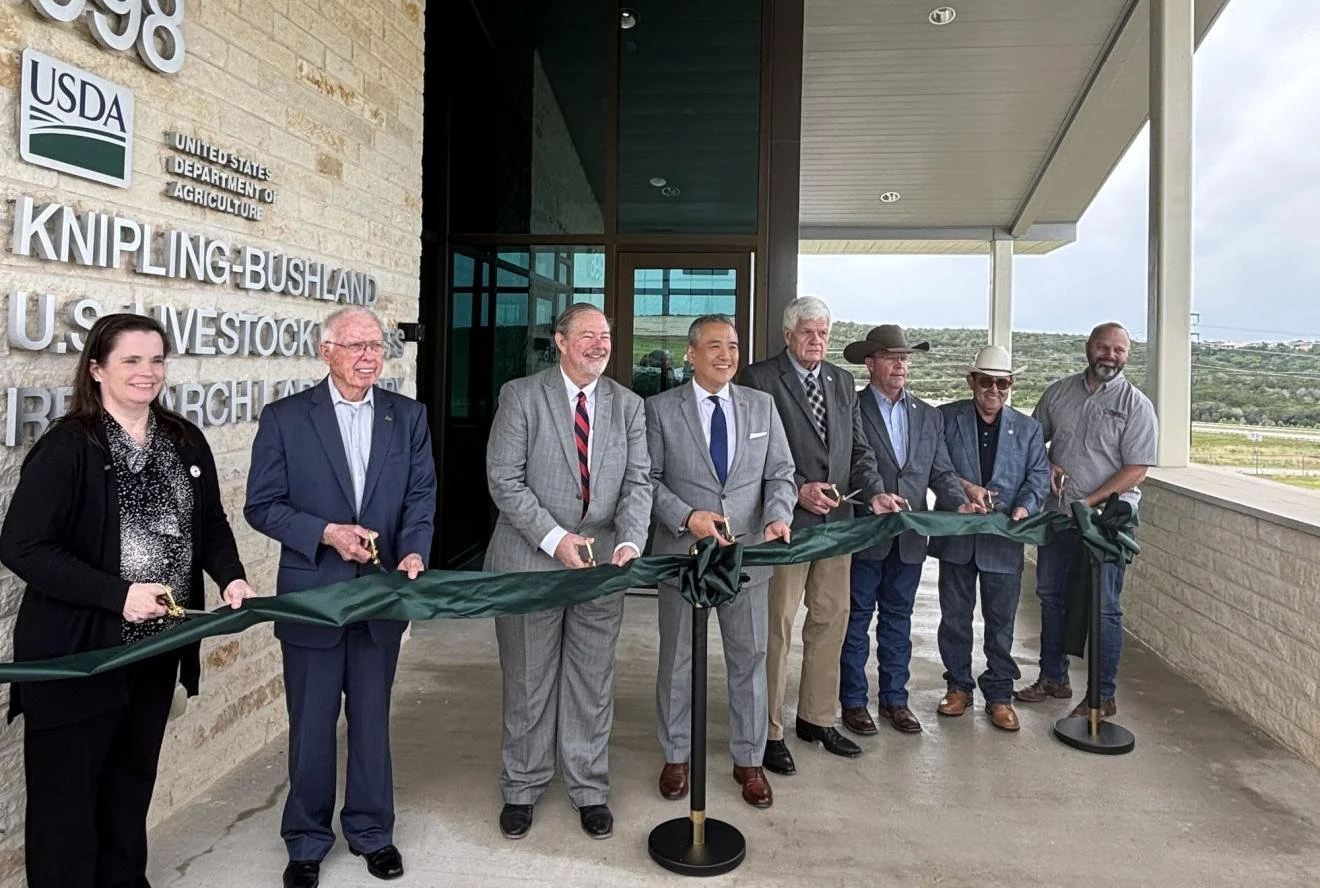
The United States Department of Agriculture’s (USDA) Agricultural Research Service (ARS) opened the Knipling-Bushland U.S. Livestock Insects Research Laboratory, a state-of-the-art laboratory facility today that will provide the U.S. cattle industry with innovative tools and advanced technologies to manage and eliminate the invasive fly and tick pests that threaten the U.S. cattle industry.
Read More
Farmer Training Program 2026- Louisiana Small Scale Agriculture Coalition
A hybrid online and in-person program designed to help increase the number of people growing fruits and vegetables for distribution (sale and/or mutual aid models) in communities across the state of Louisiana.
Read More
USDA Updates Livestock Insurance Programs for 2027
The U.S. Department of Agriculture is rolling out several updates to livestock insurance programs beginning with the 2027 crop year, expanding coverage options and adjusting rules for cattle and dairy producers.
Read More
USDA Designates Three Parishes In Louisiana As Natural Disaster Areas Due To The Recent Drought
This Secretarial Natural Disaster Designation allows the United States Department of Agriculture (USDA) Farm Service Agency (FSA) to extend much-needed emergency credit to producers recovering from natural disasters through emergency loans.
Read More
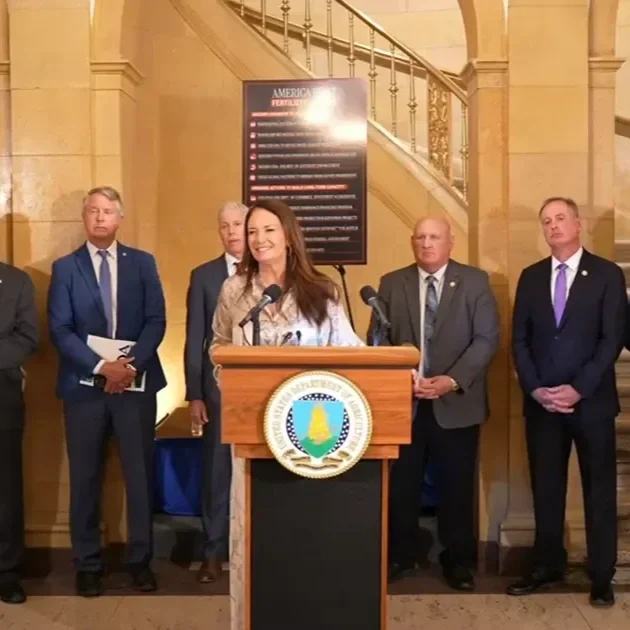
USDA Fast-Tracks Fertilizer Projects as Farmers Face Mounting Pressure
At the center of the announcement is the Blue Point Project in Louisiana, a $3.7 billion ammonia facility, USDA says, that will become the world’s largest ammonia plant once completed.
Read More
USDA Natural Resources Conservation Service Announces Sarah Trichel Selected As Louisiana State Conservationist
The USDA’s Natural Resources Conservation Service (NRCS) has announced the selection of Sarah Trichel as the new Louisiana State Conservationist. Trichel, a native of Natchitoches, Louisiana, has been acting in the role since July 2025. She will officially assume the position on May 17, 2026, and brings more than 16 years of dedicated service and leadership in conservation.
Read More
Rural Business And Community Development.
The Rural Business Development Grant Program has $27.7 million available to support projects that help rural communities grow their local economies and create jobs.
Read More
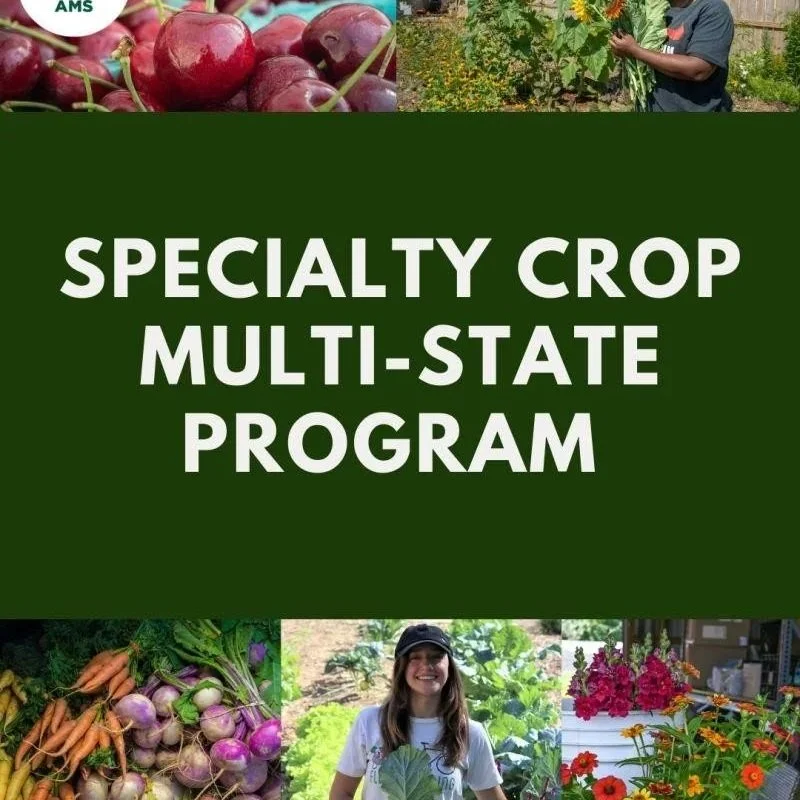
Specialty Crop Multi-State Program (SCMP)
$14.3 million available through the Specialty Crop Multi-State Program (SCMP) to fund collaborative multi-state partnerships to enhance the competitiveness of specialty crops.
Read More