The U.S. Department of Agriculture (USDA) today announced acceptance of 1.78 million acres into the Conservation Reserve Program (CRP) through 2025 General, Continuous, Grassland, and Conservation Reserve Enhancement Program enrollments.
Read More
The U.S. Department of Agriculture (USDA) today announced acceptance of 1.78 million acres into the Conservation Reserve Program (CRP) through 2025 General, Continuous, Grassland, and Conservation Reserve Enhancement Program enrollments.
Read MoreU.S. Secretary of Agriculture Brooke L. Rollins issued a new memorandum to modernize and strengthen America's wildfire prevention and response system. This policy direction enacts common-sense reforms that modernize and streamline federal wildfire system. Concurrently, U.S. Secretary of the Interior Doug Burgum issued his own memorandum to streamline capabilities and strengthen federal, state, and local partnerships.
Read MoreCorn production is up, while soybean and cotton production is down from 2024, according to the Crop Production report issued by USDA’s National Agricultural Statistics Service (NASS). Corn production is up 13% from last year, forecast at 16.8 billion bushels; soybean growers are expected to decrease their production 2% from 2024, forecast at 4.30 billion bushels; cotton production is down 8% from 2024 at 13.2 million 480-pound bales.
Read MoreU.S. Secretary of Agriculture Brooke L. Rollins today announced eligible livestock producers will receive disaster recovery assistance through the Emergency Livestock Relief Program for 2023 and 2024 Flood and Wildfire (ELRP 2023 and 2024 FW) to help offset increased supplemental feed costs due to a qualifying flood or qualifying wildfire in calendar years 2023 and 2024. The program is expected to provide approximately $1 billion in recovery benefits. Sign-up begins on Monday, September 15. Livestock producers have until October 31, 2025, to apply for assistance.
Read MoreUSDA awards competitive Farm to School grants that support planning, developing, and implementing farm to school programs. USDA's Farm to School grants are an important way to help state, regional, and local organizations as they initiate, expand, and institutionalize farm to school efforts.
Read MoreThe USDA reported the most recent condition ratings for corn and soybeans earlier this week. There are clear “winners” — states with the highest rated crops — and “losers” — states with the lowest rated crops.
Read more about which states came out on top, and which are trending the wrong way just before harvest.
Read MoreUSDA’s September 2025 net farm income forecast, released Sept. 3, projects net farm income will rise sharply from 2024. While stronger performance in some sectors is a factor in the increase, much of it is tied to continued support from government disaster assistance.
Read MoreThe purpose of the RCDG program is to enable nonprofit institutions to establish and operate centers for rural cooperative development (Center). The primary objective of the program is to improve the economic condition of rural areas by helping nonprofit organizations who in turn provide technical assistance to start, expand, or improve cooperatives and mutually owned businesses in rural areas.
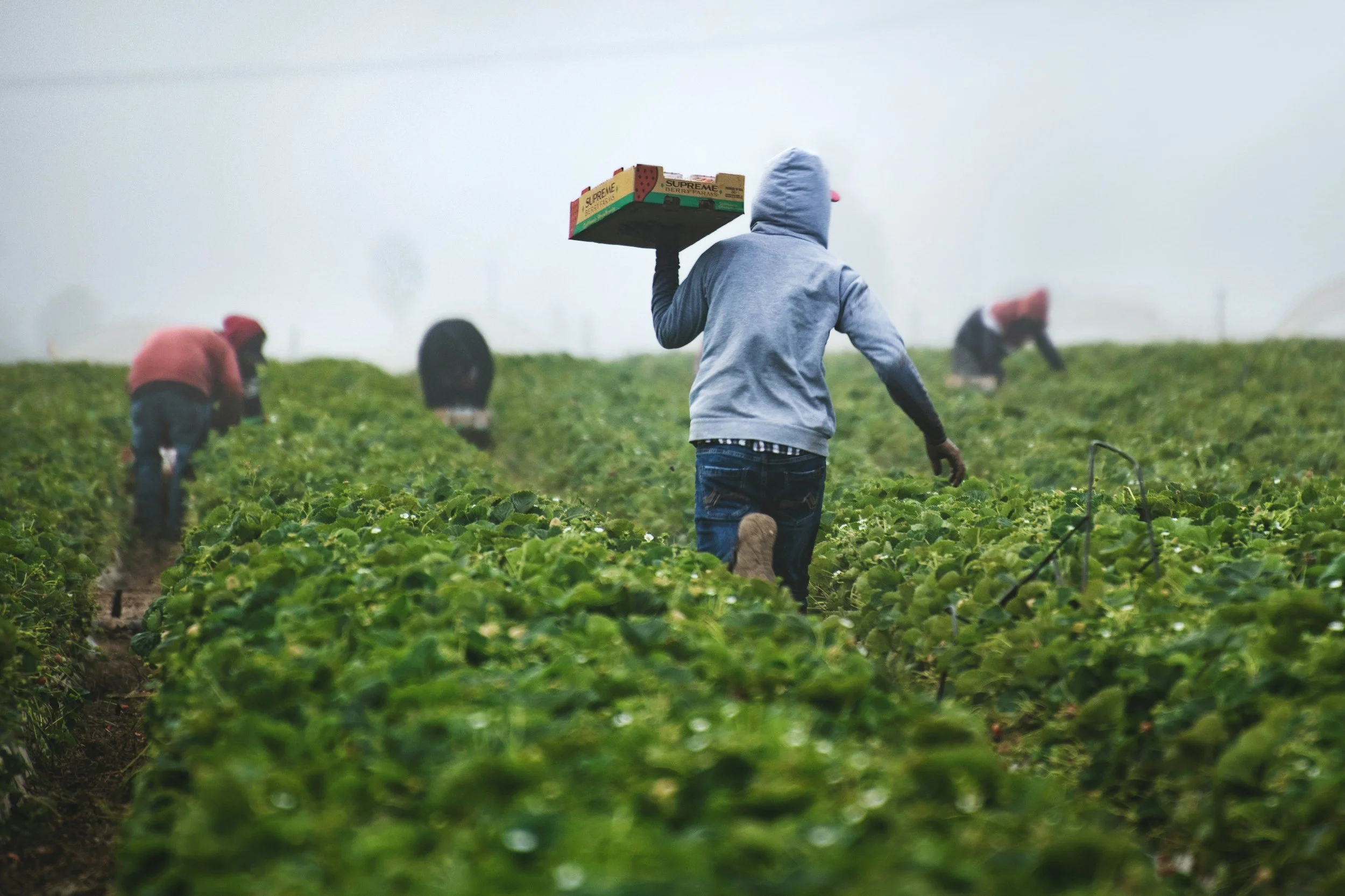
Read MoreThe Trump administration last week moved to disrupt how wages are set for temporary guest workers on farms.
Groups representing farm employers are praising the moves, which they say will provide labor relief to farmers, though groups representing farm workers will likely challenge the decisions in court.
Read MoreThe U.S. Department of Agriculture (USDA) announced loan interest rates for September 2025, which are effective Sept. 1, 2025. USDA Farm Service Agency (FSA) loans provide important access to capital to help agricultural producers start or expand their farming operation, purchase equipment and storage structures or meet cash flow needs.
Read MoreIn the USDA Crop Progress report released on Aug. 25, 12 states reported soybeans dropping leaves. Here’s a closer look at the 12 states that reported for that crop growth stage.
Read MoreFSA makes loans to individual young persons to start and operate income-producing projects of modest size in connection with their participation in 4-H clubs, FFA, a Tribal youth group, or similar agricultural youth organization. The project being financed with an FSA Youth Loan needs to provide an opportunity for the young person to acquire experience and education in agriculture-related skills.
Read MoreAccording to the latest information from USDA’s National Agricultural Statistics Service, 99 percent of the Louisiana soybean crop was setting pods as of last Sunday, compared to 97 percent this same time last week. Leaves were dropping on 58 percent of the beans. The crop reported at one percent poor, seven percent fair, 82 percent good and 10 percent excellent.
Read MoreThis Presidential disaster declaration allows the United States Department of Agriculture (USDA) Farm Service Agency (FSA) to extend much-needed emergency credit to producers recovering from natural disasters through emergency loans. Emergency loans can be used to meet various recovery needs including the replacement of essential items such as equipment or livestock, reorganization of a farming operation, or to refinance certain debts. FSA will review the loans based on the extent of losses, security available, and repayment ability.
Contiguous Louisiana Parishes: Bossier, Caddo, and Webster
Read More