Louisiana Wheat Stocks Report
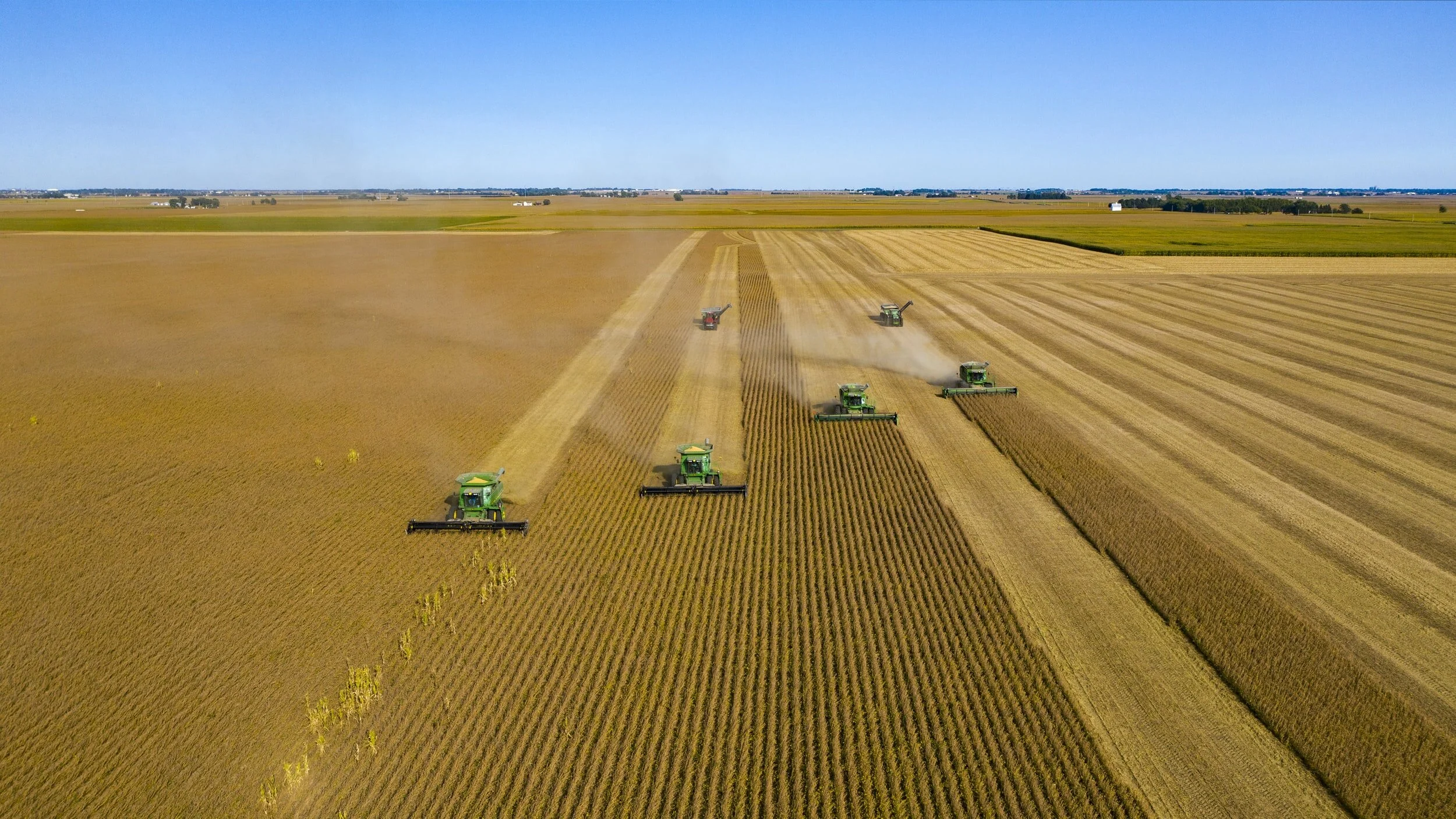
Louisiana all wheat stored in off farm storage facilities on September 1, 2021 totaled 3.43 million. United States all wheat stored in all positions on September 1, 2021 totaled 1.78 billion bushels, down 18 percent from a year ago. On farm stocks are estimated at 419 million bushels, down 41 percent from last September. Off farm stocks, at 1.36 billion bushels, are down 6 percent from a year ago.
Read More
USDA Offers Disaster Assistance To Farmers & Livestock Producers Impacted By Ida
Louisiana agricultural operations have been significantly impacted by Hurricane Ida and related weather events. The U.S. Department of Agriculture (USDA) has technical and financial assistance available to help farmers and livestock producers recover. Additionally, agricultural producers in certain Louisiana parishes will have an additional time after the Sept. 30 sales closing date for producers to make coverage adjustments in hardest hit parishes.
Read More
USDA Vaccine Candidate Successful In Blocking ASF
The U.S. Department of Agriculture's (USDA) Agricultural Research Service (ARS) announced Sept. 30 that one of its African Swine Fever Virus (ASF) vaccine candidates has been shown to prevent and effectively protect both European and Asian bred swine against the current circulating Asian strain of the virus.
Read More
USDA Announces October '21 Lending Rates & '22 Upland Cotton MA Loan Rates
The U.S. Department of Agriculture (USDA) announced loan interest rates for October 2021, which are effective Oct. 1, as well as marketing assistance loan rates for upland cotton in 2022. USDA’s Farm Service Agency (FSA) loans provide important access to capital to help agricultural producers start or expand their farming operation, purchase equipment and storage structures or meet cash flow needs.
Read More
La. Farm Bureau President Harper: "Grassroots Advocacy Finally Coming to Fruition"
The continuing resolution passed by Congress September 20, 2021 to fund the federal government included $10 billion to fund the Wildfire and Hurricane Indemnity Program Plus, better known as WHIP+. This funding is important for Louisiana’s farmers and ranchers affected by the 2020 hurricanes Laura, Delta and Zeta, as well as the 2021 ice storm.
Read More
U.S. Farmers Produced More Soybeans, Hold More Stocks, USDA Reports
On Thursday, the USDA pegged the U.S. soybean ending stocks, as of Sept. 1, higher than the trade estimates.
As a result of today's USDA Quarterly Grain Stocks Report, the CME Group’s soybean complex traded lower, following the report.
Read More
USDA Announces $3 Billion Investment in Agriculture, Animal Health, and Nutrition
Agriculture Secretary Tom Vilsack today announced a comprehensive set of investments to address challenges facing America’s agricultural producers. These include assistance to address challenges and costs associated with drought, animal health, market disruptions for agricultural commodities, and school food supply chain issues. Secretary Vilsack also outlined and requested public comments on a new climate partnership initiative designed to create new revenue streams for producers via market opportunities for commodities produced using climate-smart practices.
Read More
Emergency Flexibilities for Producers Impacted by Hurricane Ida
USDA’s Risk Management Agency is extending the crop insurance deadline for fall planted crops in the Hurricane Ida impacted parishes to October 29th.
Hurricane Ida, a Category 4 hurricane, damaged infrastructure in parts of Louisiana, impacting transportation, electricity and other utilities, and communications. Additionally, some producers are required to make changes to their existing crop insurance policies to meet the linkage requirements for the Farm Service Agency (FSA) Quality Loss Adjustment (QLA) program and Wildfire and Hurricane Indemnity Program-Plus (WHIP+). The limited mobility and communication issues due to Hurricane Ida, coupled with ongoing pandemic restrictions, has hindered the ability for producers to meet with their crop insurance agent to make changes to crop insurance policies by the September 30, 2021, sales closing date (SCD).
Read More
Moving Grain: DOT Requests Information On US Transportation Supply Chains
On September 16, the Department of Transportation (DOT) published a notice requesting information from the public to prepare a report required by President Biden’s recent executive order (EO) on “America’s Supply Chains.” Per the EO, the Secretary of Transportation must submit to the President, within 1 year, a report on transportation-sector supply chains.
Read More
USDA Assists Farmers, Ranchers, and Communities Affected by Hurricane Ida
Agriculture Secretary Tom Vilsack has directed the U.S. Department of Agriculture (USDA) to aid recovery efforts for farmers, ranchers and residents affected by Hurricane Ida. USDA staff in offices across the country are ready to respond with a variety of program flexibilities and other assistance to producers and communities in need.
Read More
Requirement to Purchase Buy-up Sugarcane Crop Insurance by Sept. 30, 2021
In February 2021, after sugarcane was made eligible for the USDA- Quality Loss Adjustment (QLA) program, many Louisiana sugarcane farmers applied for Quality Loss Adjustment (QLA) payments for the 2018 and/or the 2019 crop year(s) with many Louisiana sugarcane producers receiving Quality Loss Adjustment (QLA) payments for one or both crop year(s).
Read More
US Agriculture Chief Urges Farm Co-Ops to Toughen Cyber Defenses
Agriculture Secretary Tom Vilsack urged U.S. agricultural cooperatives to “harden” defenses against cyber attacks after Iowa’s New Cooperative Inc. was targeted in a ransomware attack last week.
“We want to make sure during this harvest that we don’t have any additional disruptions as a result of systems being hacked,” Vilsack said Wednesday in a speech to the National Association of State Departments of Agriculture’s annual meeting.
Read More
USDA To Survey Farm Chemical Use And Production Costs
The U.S. Department of Agriculture’s National Agricultural Statistics Service will gather information about production practices from producers across the U.S. as part of the 2021 Agricultural Resource Management Survey.
“ARMS is a vital survey that tracks how U.S. farms use technology to manage production of their major field crops,” said USDA National Agricultural Statistics Service Heartland Region Director Brad Summa. “The results of this survey also help policymakers and farm groups understand the factors driving the costs and returns of crop production.”
Read More
China's Wheat Imports Reach Highest Level In Moe Than Twenty Years
China is the world's largest consumer of wheat, accounting for 19 percent of global wheat consumption in marketing year 2020/21 (July-June), more than four times the U.S. share. China also became a leading importer during 2020/21, with purchases estimated at 10.6 million metric tons, China's highest import total since the 1990s.
USDA forecasts China's 2021/22 imports at 10 million metric tons. Before the 2010/11 marketing year, China's wheat imports typically totaled 1 million metric tons or less. More recently, wheat imports totaled 3 to 5 million metric tons most years between marketing years 2011/12 to 2019/20.
Read More
Vilsack Defends US Farm Practices On World Stage
As nations around the world grapple over what defines sustainable agriculture and how to achieve net zero agricultural emissions by 2050, Secretary of Agriculture Tom Vilsack continues to advocate for a voluntary, incentive-based approach that does not result in less food or limit farmers’ ability to make the right decisions for their own operations.
Read More