U.S. Agricultural Exports in Fiscal Year 2022 Forecast Up $4.0 Billion to Record $177.5 Billion; Imports at $159.5 Billion.
Read More
U.S. Agricultural Exports in Fiscal Year 2022 Forecast Up $4.0 Billion to Record $177.5 Billion; Imports at $159.5 Billion.
Read MoreCorn prices in Chicago sank to a seven-week low as broken grain elevators and power outages in the U.S.’s busiest agricultural port raised concerns about grain supplies with nowhere to go.
Hurricane Ida left more than 1 million homes and businesses without electricity in southern Louisiana and also shuttered export terminals in New Orleans. Food supply chains were already under severe pressure amid the pandemic, with shortages of everything from packaging to truck drivers.
Read MoreChicago soybean futures edged higher in hesitant trade on Tuesday after reports that Hurricane Ida damaged U.S. grain export facilities, stoking supply concerns in the world's largest exporter.
Corn fell slightly, still pressured by better than expected U.S. crop conditions that sent prices to a one-week low in the previous session, while wheat was slightly lower.
"Hurricane Ida has done considerable damage in the area around New Orleans and Baton Rouge," said Tobin Gorey, director of agricultural strategy at Commonwealth Bank of Australia. "What specific damage has been to U.S. crop export facilities is unclear for now. As is the period of shipping delays."
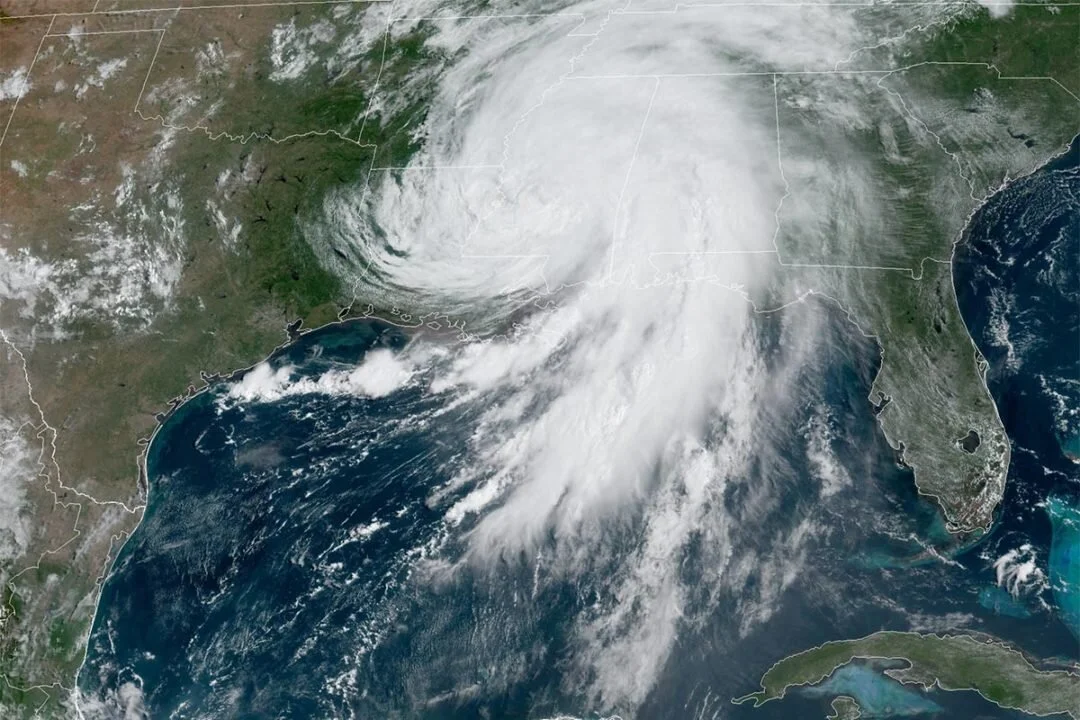
Read MorePacking 150 mph winds and punishing rains, Hurricane Ida made landfall Sunday, the 16th anniversary of the deadly Hurricane Katrina, leaving all of New Orleans without power.
After crossing the warmest, deepest portion of the Gulf of Mexico, Hurricane Ida hit the continental United States at Port Fourchon, La., south of New Orleans, at mid-day Sunday as a Category 4 hurricane, the second-highest designation. The storm then moved north into southwestern Mississippi. By Monday morning, Ida was downgraded to a tropical storm as it continued a northward path with winds of about 45 miles per hour.
Read MoreMike Strain, Louisiana's commissioner of agriculture, told DTN agriculture in his state is "working the problem," in the aftermath of Hurricane Ida, but he spent most of Monday working without communications until those came online in the mid-afternoon.
"We probably have a million people without power in southeast Louisiana right now," Strain said. "There's a lot of destruction to the transmission lines."
Farmers far outside the direct path of Hurricane Ida could face higher diesel prices as they move into harvest, as well as early shipping challenges, depending on the extent of time oil production and Gulf Coast ports are down.
Read MoreChicago Board of Trade grain and soybean futures fell on Monday after favorable weekend rains in the U.S. Farm Belt and on expectations that approaching autumn harvests will boost supplies.
Rains across Iowa and Minnesota benefited crops, brokers said, after dryness threatened fields in parts of the Midwest earlier this summer.
Read MoreExporters sold $15.2 billion worth of American farm products to China in the first six months of 2021, raising the possibility of record sales this year, wrote economist David Widmar on Monday on the Agricultural Economic Insights blog. Sales are on pace to hit $33.7 billion, with some of the most active months for sales — during and after the fall harvest — still to come.
Read MoreAs the courts continue to uphold the state of California from imposing its production standards on livestock producers not only in the state, but nationwide, a handful of senators are stepping up in hopes of limiting taking their own actions to prevent individual states’ reign over others.
Senators Roger Marshall, M.D., R-Kan., Chuck Grassley, R-Iowa, Joni Ernst, R-Iowa, John Cornyn, R-Texas, and Cindy Hyde-Smith, R-Miss., introduced the Exposing Agricultural Trade Suppression (EATS) Act to prohibit state and local government from interfering with the production or manufacture of agricultural products in other states.
Read MoreAfter celebrating a year in force of the U.S.-Mexico-Canada Agreement, it is no secret that relations between the U.S., Mexico and Canada continue to experience turmoil in dealing with trade tensions. Mexico’s ban on genetically modified crops is a major point of concern and continues to be discussed by trade and ag leaders.
Read MoreThe 12-state Hypoxia Task Force is asking Congress to continue supporting local efforts to reduce the hypoxic zone in the Gulf of Mexico.
Iowa Secretary of Agriculture Mike Naig co-chairs the task force and says they recently sent letters to relevant committees that provide funding for water quality improvements along the Mississippi River Basin.
“And that’s an important thing to do at the beginning of a new administration, when you’ve got new members of Congress, or new leadership within Congress. We’re here as states actively working, each state in the Basin has a nutrient reduction strategy of their own tailor-made for their state.”
Read MoreConcerns that the international shipping crisis will get worse for U.S. agricultural exports before it gets better are being raised again. Shipping container costs continue to rise and incentives to "dead-head" empty containers to Asia for quicker turnaround are at the root of these concerns.
Read MoreLate last week, the USDA’s Foreign Agricultural Service (FAS) released a report titled, “Early Months Suggest a Bright 2021 for United States Agricultural Exports.”
The FAS report stated that, “U.S. agricultural exports in the first four months (January – April) of 2021 were a record $59 billion, exceeding the previous record set in 2014 by nearly $5 billion.
Read MoreCongressman Clay Higgins (R-LA) delivered an official letter today to the U.S. State Department’s Acting Assistant Secretary of the Bureau of Democracy, Human Rights, and Labor calling for increased assistance in securing U.S. rice and other food shipments in Haiti. The request follows growing gang-related violence, unrest, and the assassination of Haitian President Jovenel Moïse.
Read MoreLate last week, Reuters writer Karl Plume reported that, “Chinese state-owned importers bought at least eight cargo shipments of U.S. soybeans on Friday, or at least 480,000 tonnes, the country’s largest U.S. soybean purchases in 4-1/2 months, two U.S. traders familiar with the deals said.
Read MoreChina’s demand for meat and grain will continue, helping to fuel higher U.S. commodity prices, says Gregg Doud, chief agricultural trade negotiator during the Trump administration and current chief economist and vice president of global situational awareness at Aimpoint Research.
Read More