Sugarcane Farmers Thank Governor Landry for Diesel Relief During Harvest
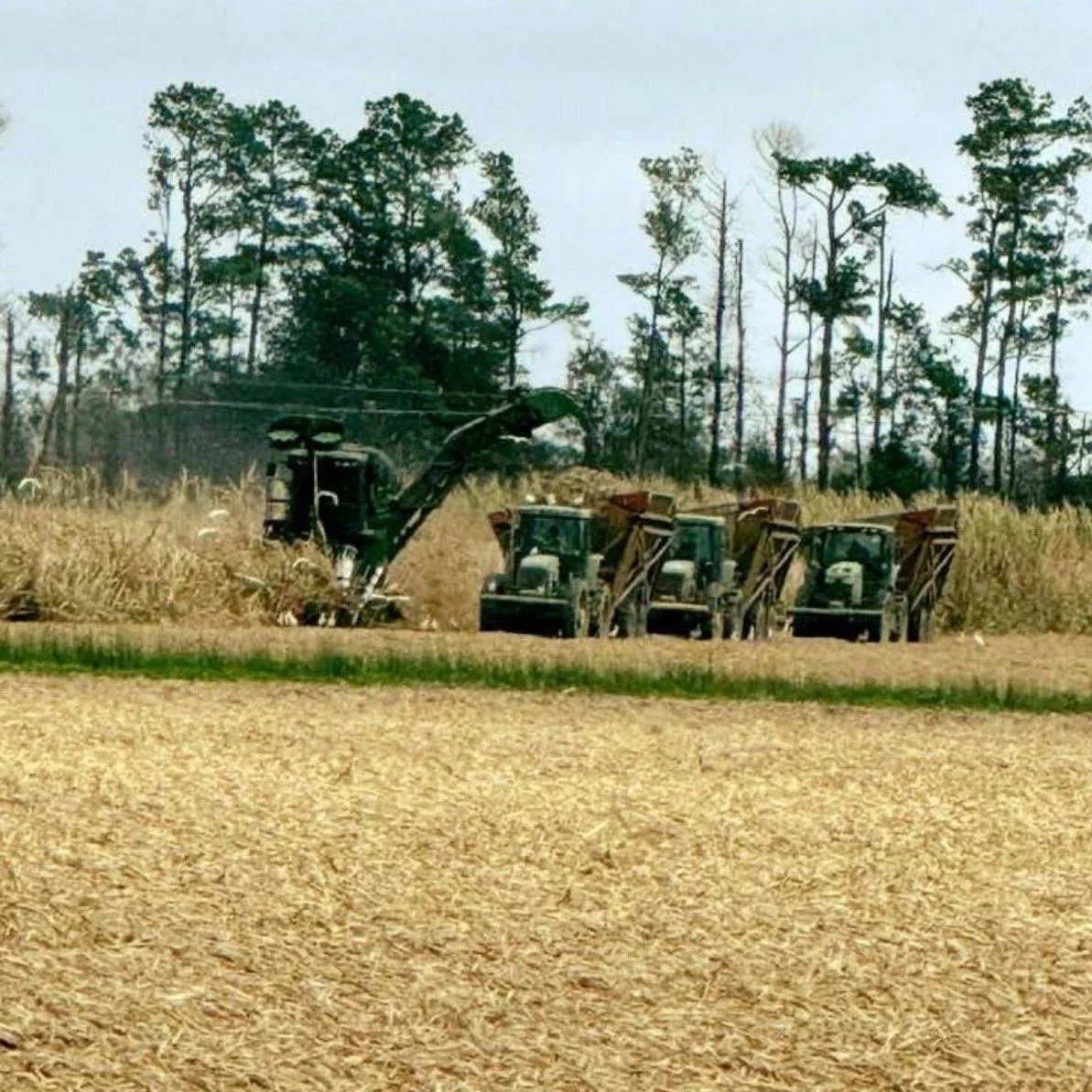
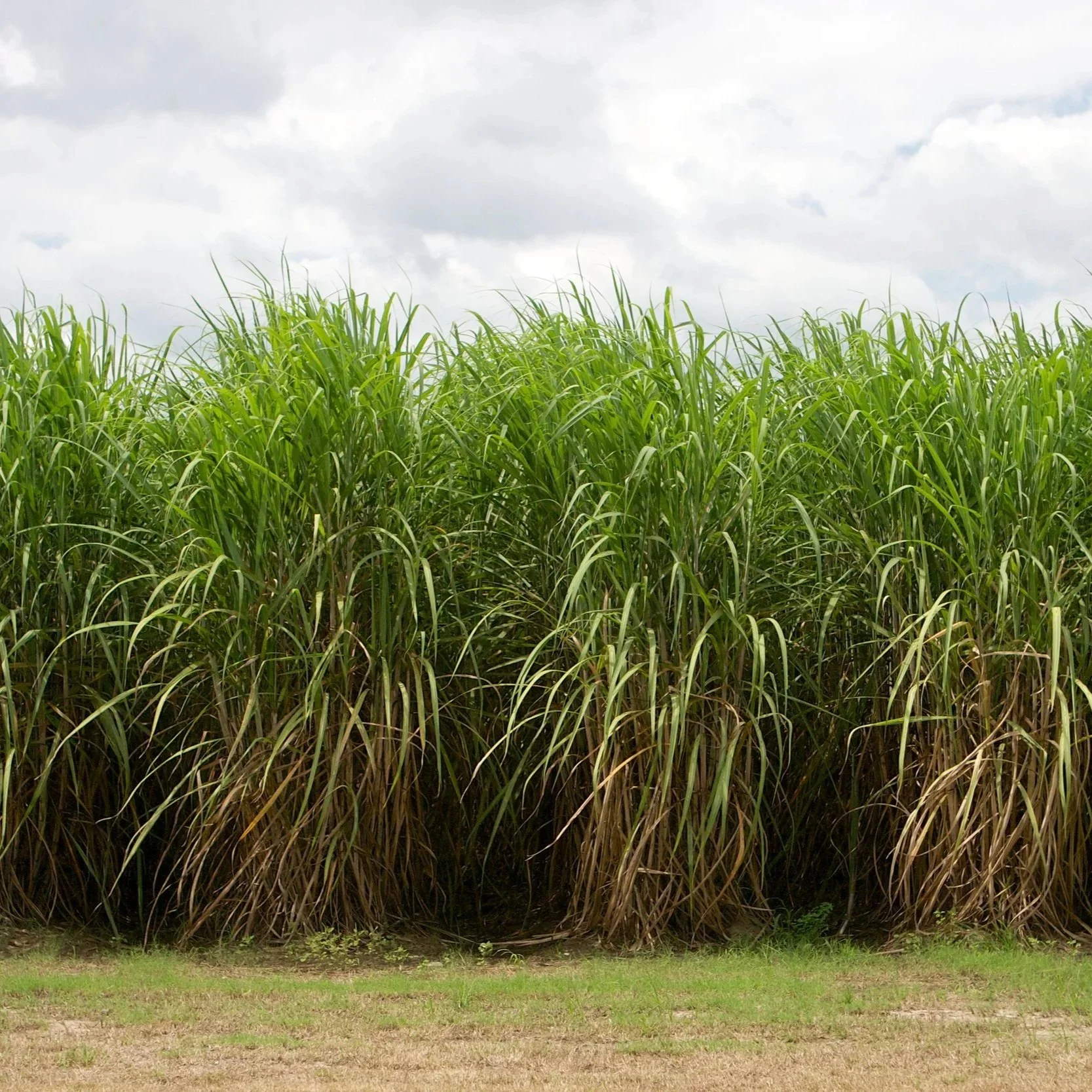
Louisiana sugarcane farmers are receiving much-needed relief from record-high diesel prices as the 2026 harvest gets underway following an executive order signed by Governor Jeff Landry declaring an emergency due to the shortage and high cost of diesel fuel.
Read More
Sugarcane Farmers Face Rising Diesel Costs at Harvest Season Start
Sugarcane farmers in Plaquemine began the first day of a 100-to-110-day harvest season this week, with rising diesel prices adding new costs to the operation.
Read More
Sugar 101: Distorted Global Sugar Market Threatens U.S. Farms
Sugar has earned the dubious distinction of being among the world’s most distorted commodity markets.
Read More
SpaceX Coming to Louisiana
For generations, agriculture has helped shape the economy, landscape and culture of Vermilion Parish. Rice fields, crawfish ponds and sugarcane farms stretch across the parish toward Louisiana’s Gulf Coast.
Now, another industry is preparing to put down roots alongside them.
Read More
Pasture Mealybug Creates New Challenge for Louisiana Sugarcane Growers
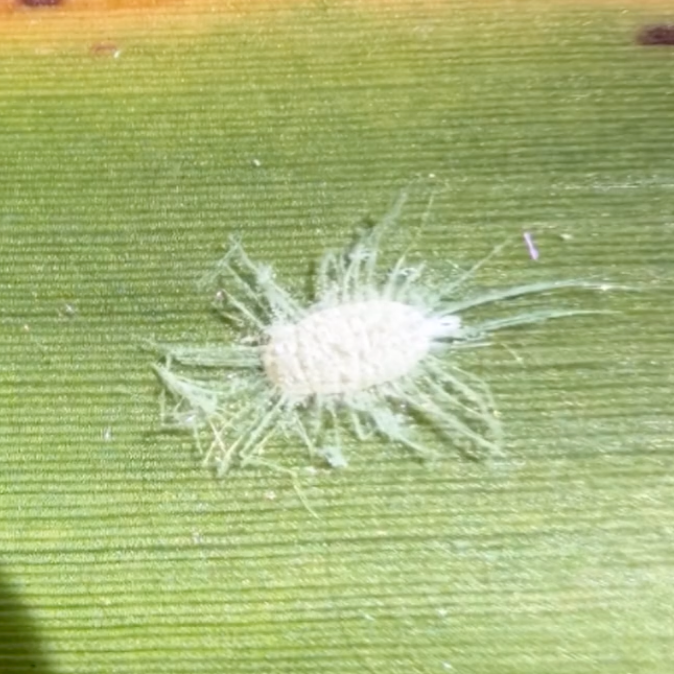
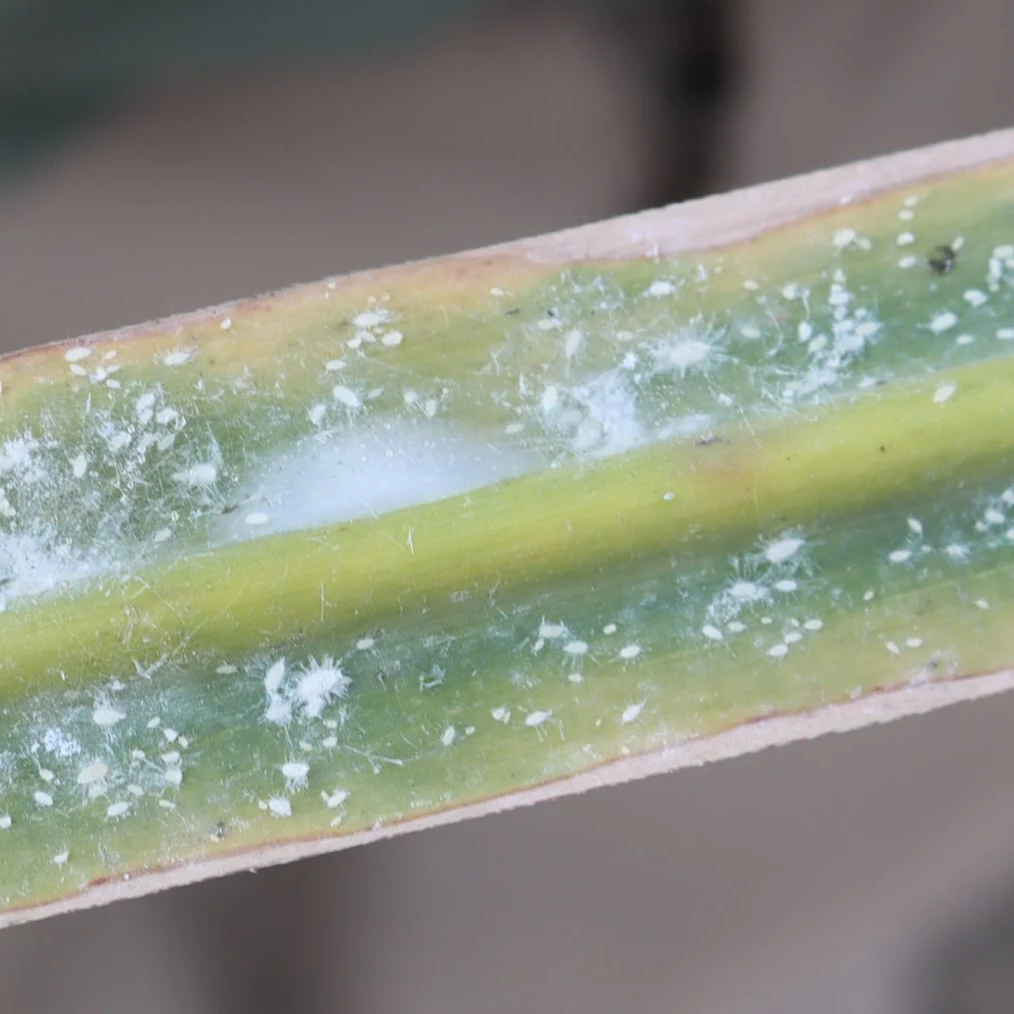
As sugarcane planting nears completion across south Louisiana and growers prepare for the start of harvest season, farmers are facing an additional challenge in their fields in the pasture mealybug.
Read More
Acadiana Sugarcane Farmers Hopeful Despite Challenges as Planting Season Wraps Up
Sugarcane farmers across Acadiana are wrapping up this year’s planting season, but a dry spell, high fuel prices, and pest problems in the fields have some growers bracing for a smaller harvest than last year.
Read More
Sugarcane Research on Display: What Growers Learned During Field Day Season
One topic seemed to be on everyone’s mind as Louisiana’s sugarcane field day season got underway this summer: the pasture mealybug.
The invasive insect, first identified in a handful of Louisiana sugarcane last year by crop consultants, has quickly become one of the industry’s top research priorities.
Read More
USDA Announces No Actions Under Feedstock Flexibility Program
The U.S. Department of Agriculture (USDA) Commodity Credit Corporation (CCC) announced today that it does not expect to purchase and sell sugar under the Feedstock Flexibility Program for crop year 2026, which runs from Oct. 1, 2026, to Sept. 30, 2027.
Read More
Pasture Mealybug Update: August 19, 2026
We finally got the data back from the LSU Ag Chemistry lab evaluated imidacloprid residue in/on leaves collected 2 and 6 days after application using drop tips from a hiboy, overhead with a CO2 backpack sprayer or untreated control plants (where the hiboy went through but did not actively spray in that area). We then collected leaves (n=5 per treatment) with no visible symptoms (green), those with partial symptoms (yellowing either at the tip or along half of the leaf), and those fully yellowed.
Read More
Invasive Mealybugs Cost Sugarcane Farmers Millions In Pesticide Sprays
Sugarcane farmers from across the country gathered in Colorado for the American Sugar Alliance’s 41st Annual International Sweetener Symposium to address pressing industry challenges.
Growers focused on the combined impacts of recent drought, invasive pests and foreign trade pressures affecting domestic production.
Read More
Sugar Producers Push for Changes to Outdated Tariffs
U.S. sugar producers and policymakers are pressing for changes to what they say is an outdated tariff structure that is contributing to record-high sugar stocks.
Read More
Sugarcane Disease Sampling and Testing
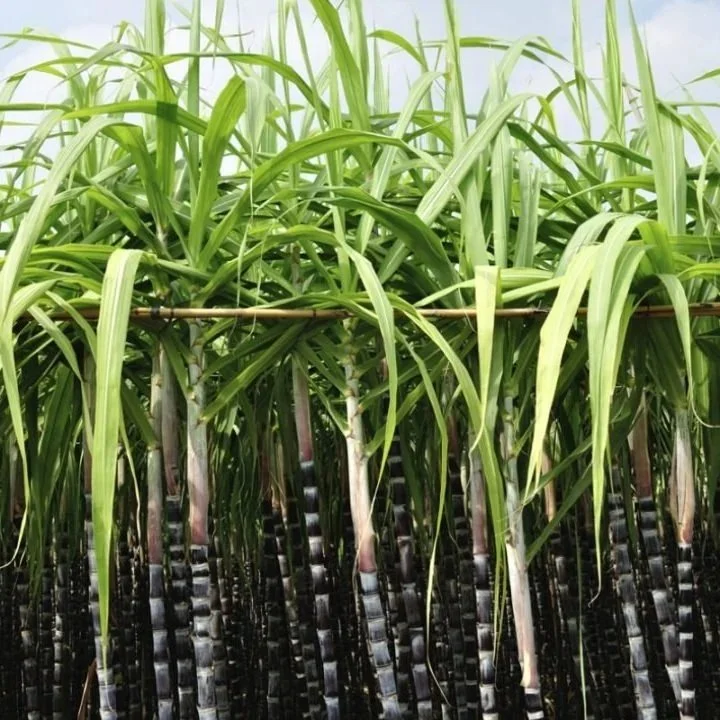
Sugarcane diseases are managed primarily through varietal resistance, which is an inherent trait that is selected by breeders with the help of plant pathologists. Resistance can be described as the ability that a variety has to fight diseases. Our sugarcane varieties in Louisiana were selected over the years to resist diseases, however, sometimes pathogens change and are able to overcome these resistant traits. Additionally, some of our varieties cannot completely resist diseases, therefore, we need to manage these diseases in an integrated way, by incorporating new management strategies in our farms.
Read More
American Sugar Producers Push for Fair Trade as Consumer Habits Shift
U.S. sugar demand remains firm, but wider use of GLP-1 weight-loss medications and growing health concerns could weaken the market over time. CoBank food and beverage economist Billy Roberts says producers should focus less on current stability and more on how consumption patterns may shift.
Read More
Pasture Mealybug Update: August 2, 2026
Almost across the board this past week, we were still seeing mostly (and many) young nymphs and few adults.
A new insecticide test just put out (7/31) on last year’s infested cane comparing imidacloprid impregnated potash, soil treatments, and foliar treatments. This field has previously been treated this year, but yellowing has increased dramatically in the past few weeks.
Read More
A Common Goal Connects The Louisiana Sugarcane Inustry
If you ask Denise Wright how she found her way into agricultural research and consulting, she won’t tell you it was part of some carefully planned career path. She’ll simply tell you she grew up in Bayou Jacque, loved being outdoors and loved agriculture.
Read More