Apply Now for the 2022-23 ASA Corteva Agriscience Young Leader Program
If you’re passionate about agriculture and ready to hone your skills and network to become a leader in the industry, the American Soybean Association and Corteva Agriscience are looking for you to apply for the next class of ASA Corteva Young Leaders!
Read More
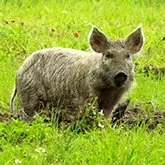
USDA Conducting Survey Concerning Feral Hogs in Louisiana, 10 Other States
The U.S. Department of Agriculture (USDA) National Agricultural Statistics Service in cooperation with the USDA Animal and Plant Health Inspection Service (APHIS) - Wildlife Services, is conducting a Feral Swine Damage survey to measure the costs of feral swine damage to crop producers growing corn, soybeans, wheat, rice, peanuts, and sorghum in the states of Alabama, Arkansas, California, Florida, Georgia, Louisiana, Mississippi, Missouri, North Carolina, South Carolina, and Texas.
Read More
Growers Frustrated Again With EPA's Decision on Neonics
Growers are again expressing frustration over the Endangered Species Act biological evaluations released by EPA. As with the draft BEs last August, the final BEs are overly conservative and in some instances fail to use important data.
Read More
United Soybean Board Hosts PEST Live Virtual Event
Soy checkoff and partners supporting the Take Action program announce PEST Week Live! Join the panel of USB farmer-leaders and university research experts as they discuss the current state of pest resistance and best management practices.
Read More
2022 Soybean Variety Trials Kick off In Louisiana
The Louisiana State University AgCenter works with industry experts and soybean growers across the state to test plots, harvesting data for varieties on abiotic and biotic stress resistance, yield, and data necessary to make recommendations.
Read More
PEST Week Live Offers Latest Recommendations to Manage In-Season Pest Resistance, Mitigate Resistance Development
The soy checkoff and partnering organizations supporting the Take Action program will host PEST Week Live on June 16 from 9-10 a.m. CDT.
Read More
Unspoken Truths About Pests: Soybean Aphids
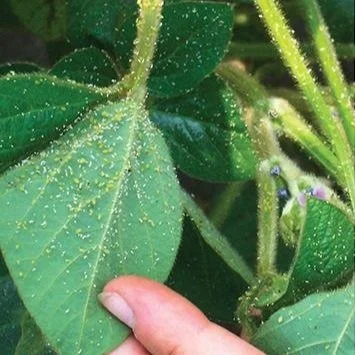
Imagine a pest that can arrive unannounced, suck your soybean plants dry and then double in numbers in two days. Behold the soybean aphid. This native of Eastern Asia can pack a heavy punch and knock the top of your soybean yields.
Adult soybean aphids are small (less than 1/16" in length), yellow- bodied insects with distinct black cornicles or “tailpipes.” They can be either winged or wingless.
Read More
Identifying And Correcting Manganese Deficiency In Soybeans
There are symptoms of manganese (Mn) deficiency in soybean appearing in some areas. The symptom of Mn deficiency is interveinal chlorosis.
Read More
Louisiana Crops Newsletter: May 2022
In any ‘normal’ crop year, replanting costs play a substantial role in estimating the additional production cost per unit (bushel). However, inflationary pressures and input price volatility observed since the fall of 2021 have cut into expected profit margins for 2022.
Read More
Mississippi River Stakeholders Urge U.S. to Elevate Food Security as a Priority Policy Issue
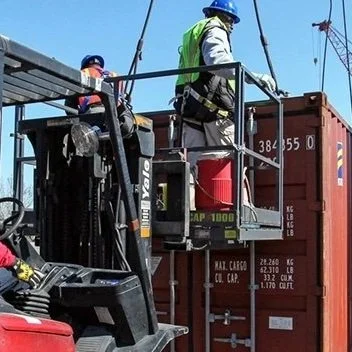
Mayors of the Mississippi River Cities & Towns Initiative, the Soy Transportation Coalition, and the Port of South Louisiana held a virtual press conference on May 19 to urge U.S. policymakers to promote food security issues to a higher priority.
Read More
NASS to Reach out to Louisiana Producers on 2022 Crops, Stocks, and Values
During the next several weeks, the U.S. Department of Agriculture’s National Agricultural Statistics Service (NASS) will conduct two major mid-year surveys, the June Agricultural Survey and the June Area Survey.
Read More
LSU AgCenter Conducts Soybean Variety Trials And On-Farm Demonstrations
The LSU AgCenter will evaluate 118 soybean varieties in the 2022 Official Variety Trial (OVT) and 31 varieties in the 2022 Core-block on-farm demonstration plots across Louisiana to provide unbiased data to assist in soybean variety selection.
Read More
Managing Low Final Soybean Stands
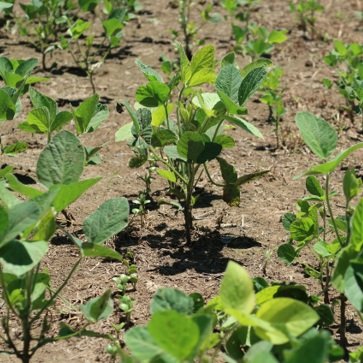
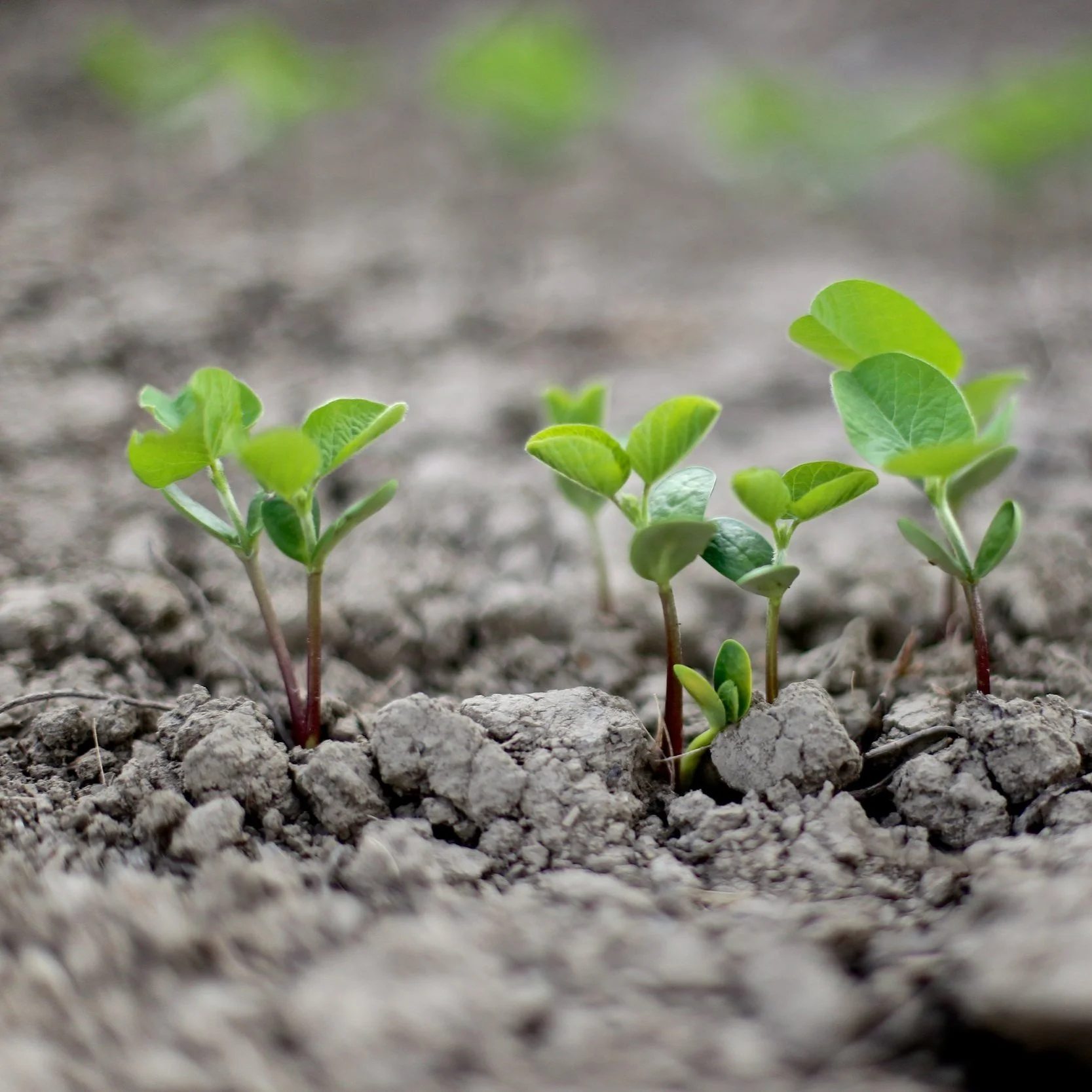
Several factors can lead to a low final soybean stand. If the final population appears to be low, it is good to get an accurate estimate of the final stand count before making replant decisions.
Read More
A Consultant’s Touch
Consultants like Mr. Ray Young over in Louisiana, who have a lifetime of agricultural wisdom and efforts to show for it, continue to prove just how crucial the role of an ag consultant is.
Read More
United Soybean Board Seeking New/Diverse Members at April 28 Meeting
The Soy Checkoff is looking for farmers, like you, from diverse backgrounds to get involved in the United Soybean Board.
Read More