Mysterious Soybean Fungus Identified By LSU Student
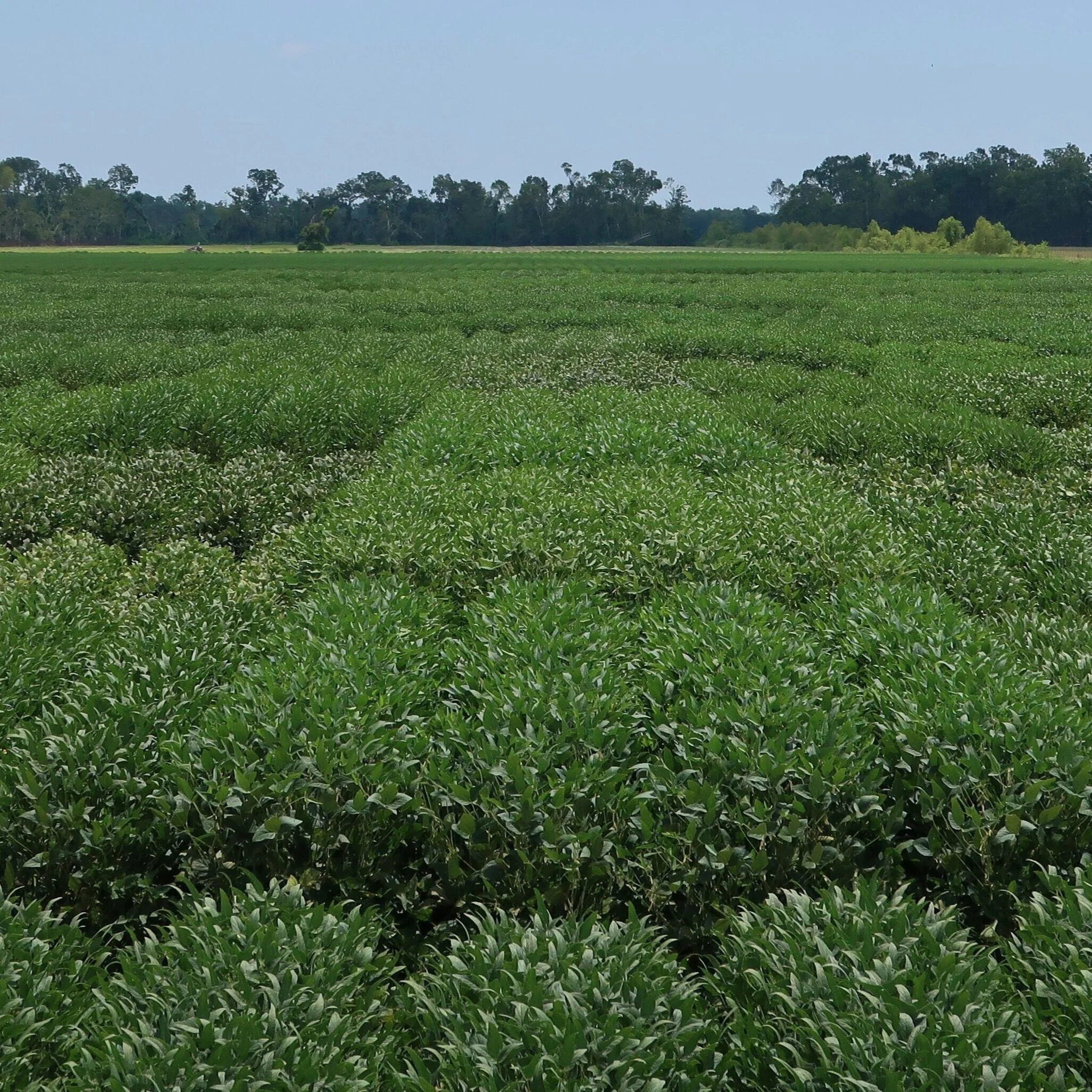
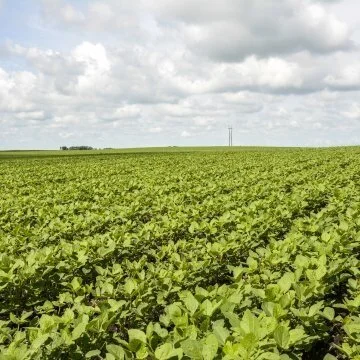
LSU AgCenter Plant Pathologist Dr. Vinson Doyle says a fungus that has been devastating to soybeans has been identified and named by one of his grad students, Teddy Garcia Aroca. Doyle says they discovered the pathogen was probably mis-identified a long time ago.
Read More
3 Reasons Corn Prices Shot Past $7
Up. Up. Up. May 2021 corn futures topped $7 per bushel on April 27. A look at the corn price chart shows a dramatic and consistent climb higher. You can find multi-year highs in many ag commodities.
“These are one of those times that come along generally once every 30 years or so when the markets just really take off,” says Arlan Suderman, StoneX chief commodities economist. “And we just went through this about 12 years ago or so.”
Read More
Rice Market: Corn, Soy Strength Provide Spillover Support
September rice futures continued higher this week along with the rest of the CBOT grains. The graphs below illustrate the price trends for the major grains since March 30, 2021. New crop corn, wheat, and soybeans have all added over $1/bu following the NASS Prospective Plantings report released on March 31.
Recall the findings from the survey resulted in limit moves higher in corn and soybeans. Corn futures have caught fire this month as estimates of Brazil’s production continue to fall. From a relative price standpoint, soybeans are losing the acreage battle to corn.
Read More
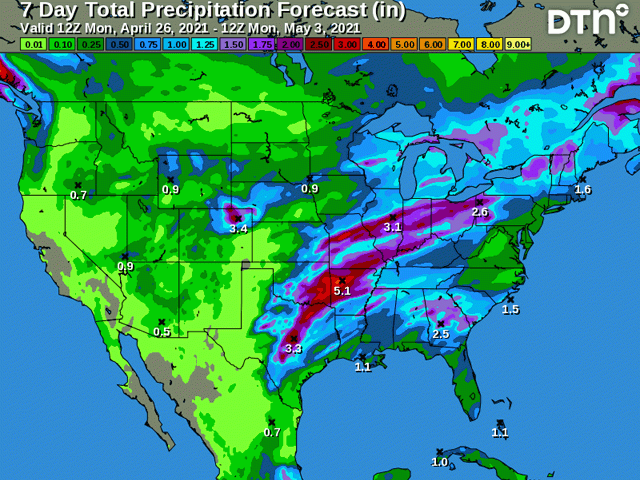
Wet Week Ahead
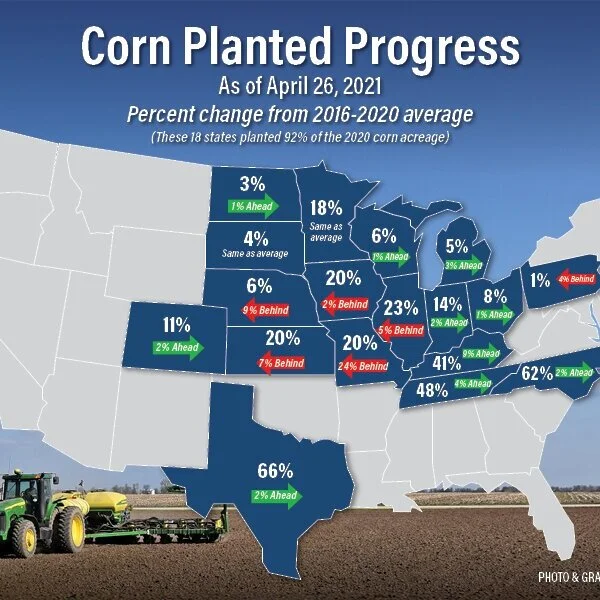
A review and forecast of the U.S. crop weather scene begins with the impact of the cold snap during the April 21-27 week. That cold event certainly left its mark. Winter wheat in either good or excellent condition declined by four percentage points overall from the previous week to 49% rated good to excellent compared with 53% the previous week. Oklahoma and Texas showed declines in the good-to-excellent totals of 9 percentage points in Oklahoma (70% to 61%) and 10 points in Texas (28% to 18%). In addition, corn planting was slowed by the cold outbreak. Planting did advance 9 percentage points to 17% complete, but fell behind the average pace of 20%.
Read More
Planting Progress: Soybeans Ahead of Five-Year Average While Corn Lags Behind
While corn and soybean prices continue to march higher, farmers are making progress getting the 2021 crop in the ground. The latest estimates from USDA show soybean planting progress jumped from 3% to 8% in the past week, which is trending 3% ahead of the five-year average. Around 3% of the soybean crop has emerged, which is 1% ahead of last week. Louisiana trails in planting progress, but the other key soybean production states are tracking with the five-year average or even a bit ahead.
Read More
Corn, Soybean Prices Climb, Record Chinese Corn Imports Expected
Bloomberg writers Kim Chipman and Michael Hirtzer reported on Wednesday that, “Corn prices climbed above $6 a bushel to the loftiest level in almost eight years after the U.S. said it expects China to buy an all-time high amount of the grain off global markets.
Read More
Soy Based Dust Suppressant Helps Clear Air And Deters Respiratory Issues
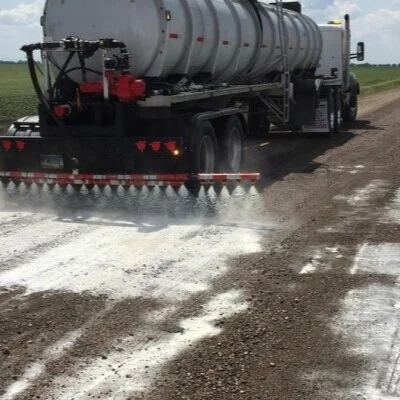
A new soy-based dust suppressant is now available for roads, construction sites, farms and more, offering a sustainable choice for rural, urban and business communities to improve air quality for people, pets, livestock and crops. A newly released video shows how this innovation can help reduce dust on rural gravel roads near farms nationwide.
Read More
SoyStage: An Online Tool For Predicting Soybean Development
Midsouth soybean growers have a new management tool at their disposal. An interactive website called SoyStage uses weather data to predict soybean development based on emergence date, maturity group, and location. The site was developed by the University of Arkansas System Division of Agriculture.
Read More
Louisiana Soybeans May Hold The Future Of Vehicle Tires
Soy checkoff research funding and partnership with the Goodyear Tire and Rubber Company has led to a long range commitment by Goodyear to phase out petroleum derived oils from its products by 2040 and use US soybean oil instead. United Soybean Board member Ed Lqmmers from Nebraska says it was all due to the soybean checkoff from Louisiana and other soy producing states
Read More
Variety Testing: A Critical Component For Sustainable Production Systems
New row crop varieties — soybeans, wheat, rice, corn, cotton, grain sorghum, sweet potatoes and sugarcane — are released annually by private companies and university breeding programs. Each variety can vary dramatically in yield potential, agronomic traits such as maturity, and resistance to insects, diseases and environmental stress factors. It is important to note a variety with high yield potential at one location may not be competitive in another location because of a lack of adaptability to different environments, including weather patterns, soil characteristics, disease pressure and cropping systems. Furthermore, a variety achieving a high yield or quality one year may not perform as well the next year at the same location because of yearly changes in the environment, such as rainfall or disease patterns.
Read More
The Mississippi River is Running Lower in Baton Rouge Than Past Years, But Will it Last?
A drier-than-usual year up north has Baton Rouge-area farmers and communities along the Mississippi River breathing a sigh of relief as the threat of flooding due to high water levels may not be a significant headache this year.
The river in Baton Rouge appears to have crested last week at about 38 feet, just over what’s considered a moderate flood stage. The National Weather Service projects waters will gradually continue to fall and could even reach minor flood stages by early next week, even with this week's rains.
Read More
Corn May Be King, But Soybeans Rule US Exports
By a wide margin, soybeans are the most valuable U.S. farm export, accounting for 18¢ of every $1 in sales during calendar 2020, said the USDA’s Foreign Agricultural Service on Wednesday. Corn, the country’s most widely grown crop, was second in export value to soybeans, which were worth a record $25.7 billion compared with $9.2 billion for corn.
Read More
WASDE Report Bullish For Corn, Wheat, Bearish For Soybeans
USDA on Friday lowered corn ending stocks for the 2020-21 by 150 million bushels (mb) to 1.352 billion bushels (bb) but held pat with soybean ending stocks at 120 mb.
USDA raised corn use for feed, seed and industrial use, as well as exports to drop the ending stocks for the crop.
Read More
What's Behind Slow Sales For Brazil's New Crop Soybeans
Brazilian farmers are a bit slower this year at advancing grain sales for new crop. Overall Brazil has sold about 15% of its 2021/2022 crop versus 25% last year at this time. Why?
First, anybody that has sold anything in the last 12 months probably regretted it as prices have continued to steadily climb higher. They have been rewarded for being patient. Second, as profit margins have improved, so have farmers’ cash reserves. This allows them to pay cash for more of their inputs rather than doing a soybean trade, which means locking a portion of their crop at harvest at much higher interest rates.
Read More
U.S. Soy’s Commitment to Advancing Good Nutrition and Health for All
Everyone deserves the opportunity to enjoy good health.
Access to nutritious food is foundational for people to realize that opportunity.
These are simple universal truths. They are also urgent calls to action.
The 2020 Global Nutrition Report shows one in nine people across the globe is undernourished. One in three is overweight or obese. Almost one in four children under the age of 5 faces stunted growth from malnutrition. In short, too many people lack access to nutritious food, and health is suffering as a result.
Read More