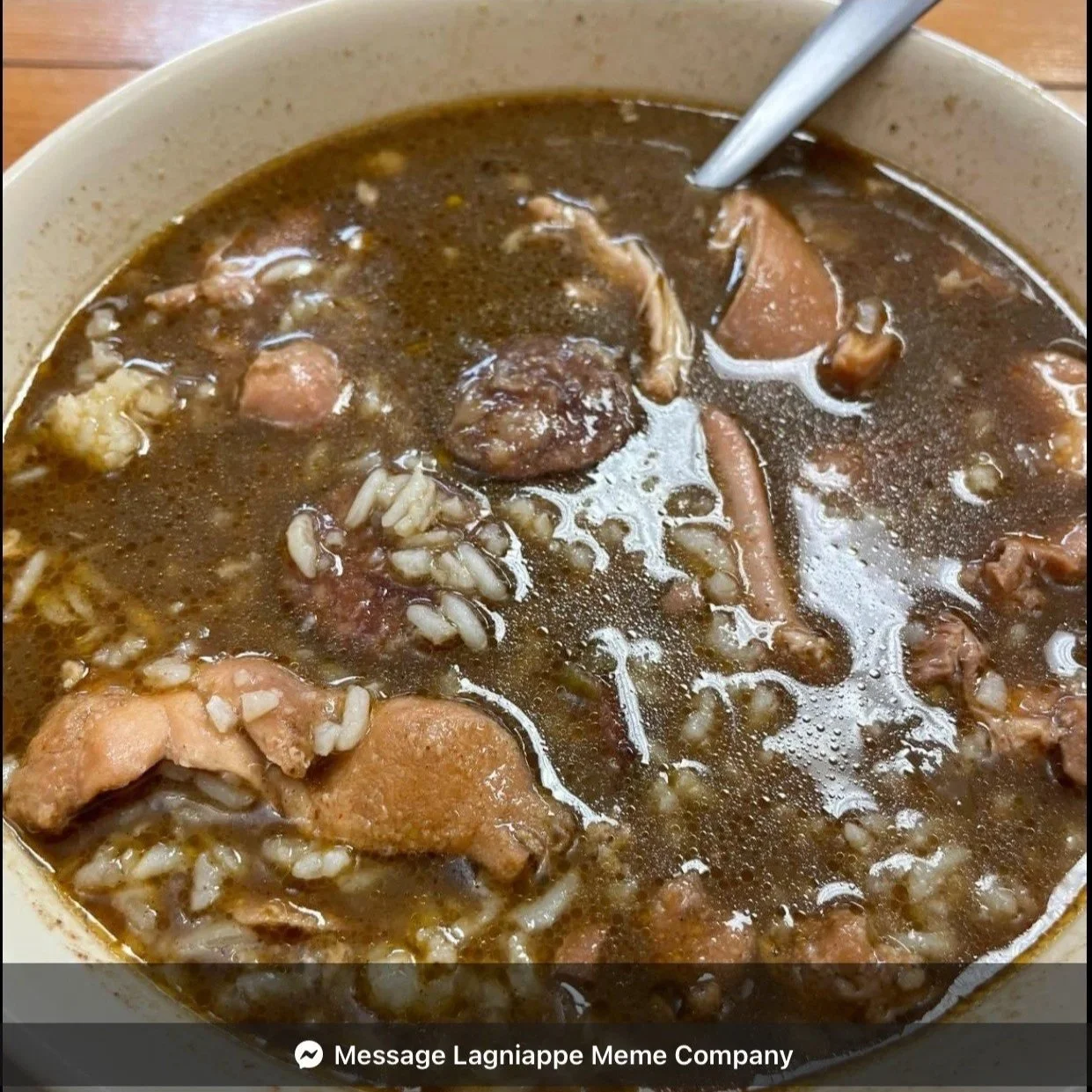
A mouthwatering bowl of gumbo is not just an iconic dish, but an invitation to learn about the foodways of Louisiana.
Read More
A mouthwatering bowl of gumbo is not just an iconic dish, but an invitation to learn about the foodways of Louisiana.
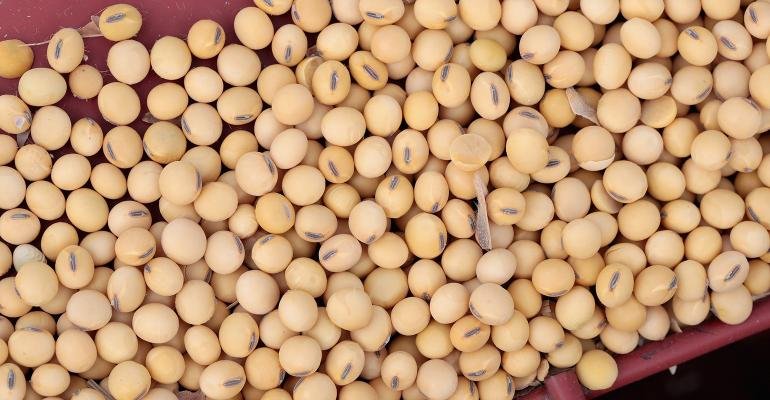
Read MoreTwo cargo vessels were headed toward grain port terminals earlier this week near New Orleans to load with what will be the first U.S. soybean shipments to China since May. A third vessel is moved toward a Texas Gulf Coast terminal to be loaded with U.S. sorghum bound for China, marking the first American shipment of the feed grain since mid-March.
Read MoreArcher-Daniels-Midland Co. (ADM) has confirmed the sale of two shipments of U.S. long-grain rice totaling 88,000 metric tons for delivery in January and March of 2026, officials with the USA Rice Federation said.
Read MoreUSA Rice partnered with Louisiana State University (LSU) for the University’s Thankful Celebration, an on-campus food festival that brings together global food traditions, student creativity, and campus-wide community support. At this year’s event, USA Rice teamed up with LSU dining services to host an International Rice Dish Challenge and invited student teams to submit and develop rice-based recipes inspired by global cuisines.
Read MoreUSA Rice extends condolences to the family and friends of Ruth Kuntz Unkel who passed away peacefully on November 23, at the age of 92.
Born on January 21, 1933, Ruth lived a vibrant life filled with love, faith, and adventure.
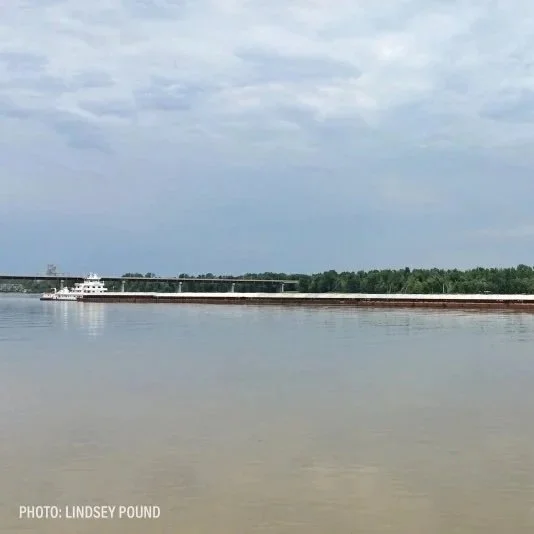
Year-over-year, Susan Olson says there are few interesting updates comparing how the Mississippi River is being used for grain transport.
Most surprising to her is according to USDA data there was a 3.4 million metric ton increase in grain exports from NOLA in mid-year 2025, however from her firm’s proprietary data, barge movements decreased. This could mean a shift toward rail being used to bring grain to the port for export.
Read MoreTo stabilize prices and move excess rice stocks, Brazil’ s Ministry of Agriculture has announced a plan to restore its Premium for Product Flow (PEP) and Equalizer Premium Paid to the Producer (PEPRO) programs.
The National Supply Company (CONAB), a public company under the Ministry of Agriculture, announced the allocation of nearly $57 million USD to support prices and the flow of production, of which nearly $20 million will go directly to administering PEP and PEPRO with the remaining going towards government acquisitions of approximately 600 thousand metric tons of rice.
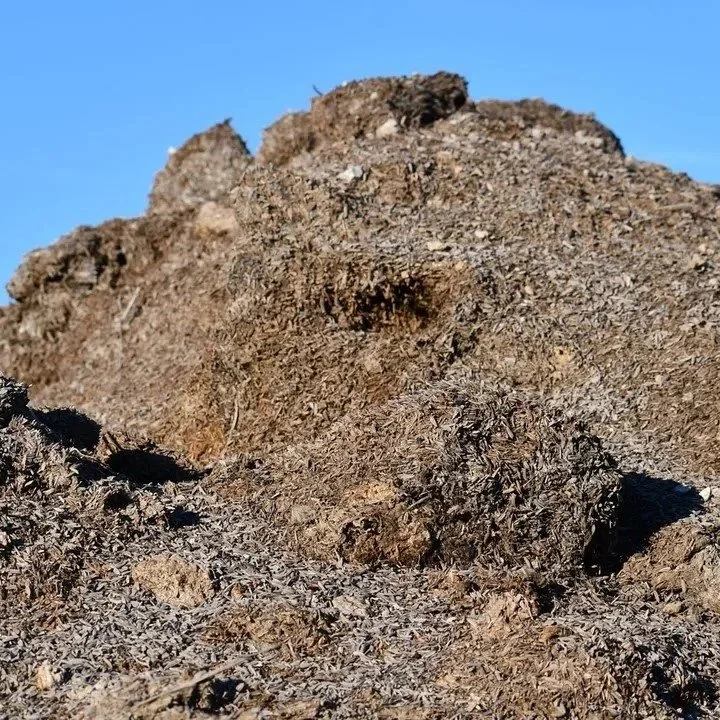
Read More“There are rice mills up and down the Delta looking to get rid of rice hulls. They are everywhere, and you could probably get all you want for nothing. This is free fertilizer and it’s good fertilizer,” said Adam Chappell, farmer in Cotton Plant, Ark.
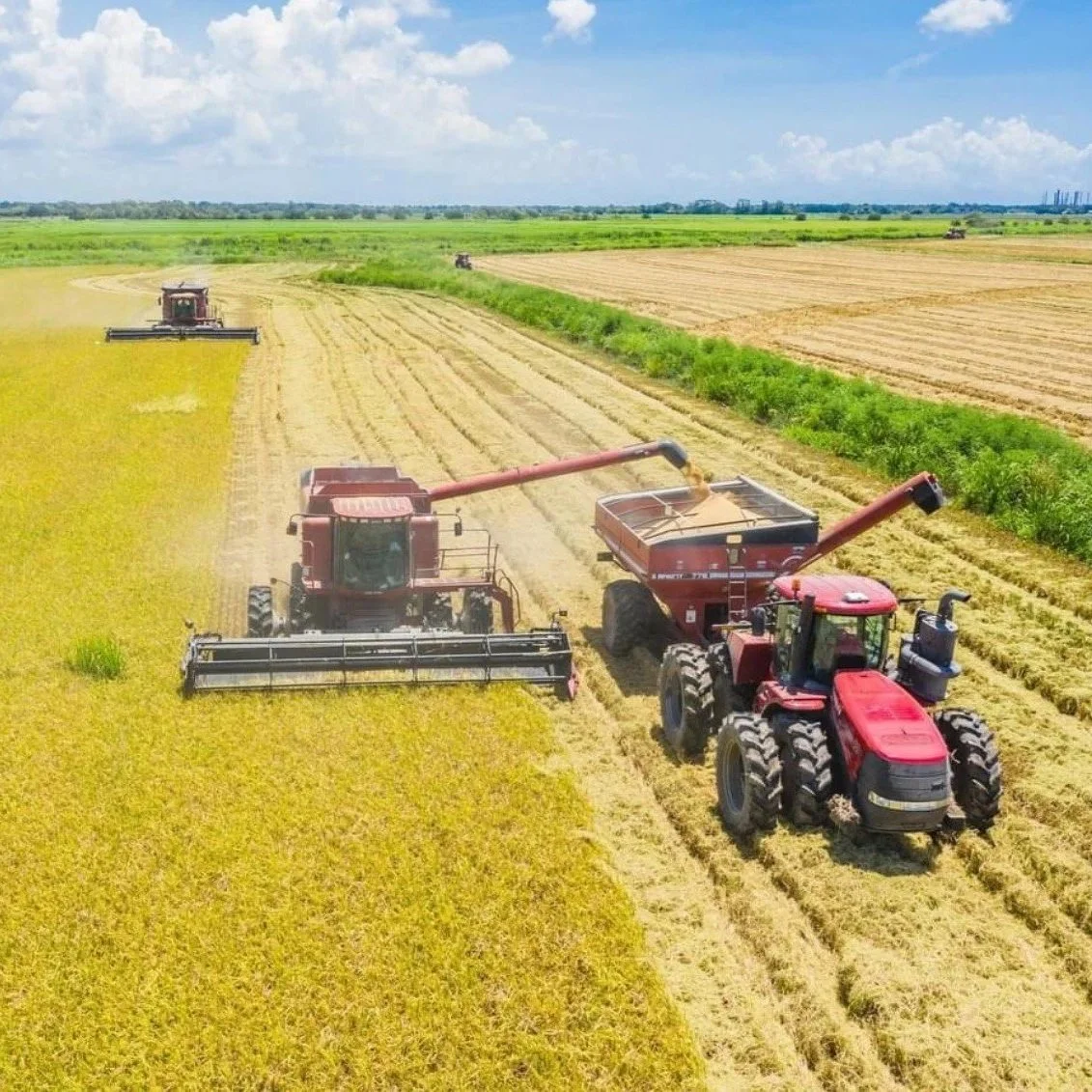
Read MoreRice farmers in southwest Louisiana are wrapping up the harvest of their second crop of rice. This year’s second crop is one of the best ever, and producers certainly needed it.
Read MoreAfter several weeks of uncertainty surrounding Iraq’s 2026 Memorandum of Understanding (MOU) rice purchases due to the delay in approving the FY26 Iraqi budget, ADM Rice has confirmed the recent purchase of two vessels of U.S. long-grain rice totaling 88,000 metric tons. These shipments, scheduled for January and March 2026, mark a positive development for U.S. rice exports and help move the newly harvested crop.
Read MoreLast week, eight USA Rice members and staff—including representatives from Southern Rice & Cotton, TRC, Producers Rice Mill, GF&P Zaunbrecher Farms, and Trinidad Benham Corporation—joined the U.S. Department of Agriculture’s (USDA) largest-ever agribusiness trade mission here, which brought together more than 160 participants.
Read MoreThe South Louisiana Rail Facility has shipped 11,000 metric tons of high-milling-yield long-grain rice from what’s known as the Turning Basin of the Port of Lake Charles, La., to Honduras.
Read MoreEarlier this week, the U.S. Department of Interior (DOI) finalized its list of what the U.S. government classifies as a “critical mineral,” including phosphate and potash – both key inputs for U.S. rice farmers.
Read MoreAcross the U.S., farmers are welcoming migrating birds onto their land — and getting healthier fields and hardier harvests in return.
Read MoreSuicide is the tenth leading cause of death for Americans and farmers are 3.5 times more likely to die by suicide than the general population. Largely attributed to financial stress, physical isolation, and lack of access to sufficient resources, this silent epidemic could grow even worse as the ag economy continues to struggle.
Read More