
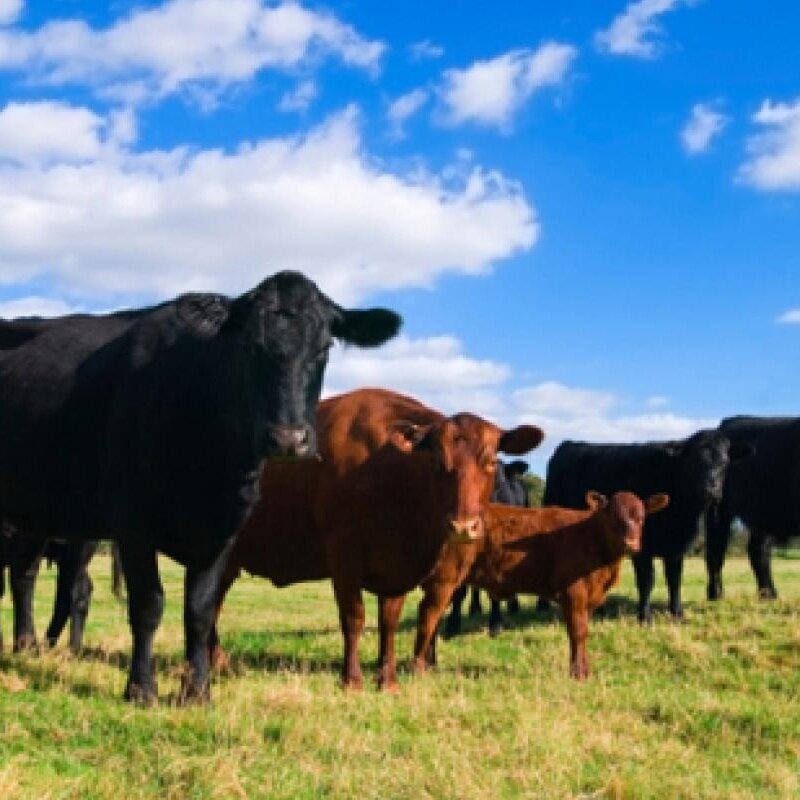

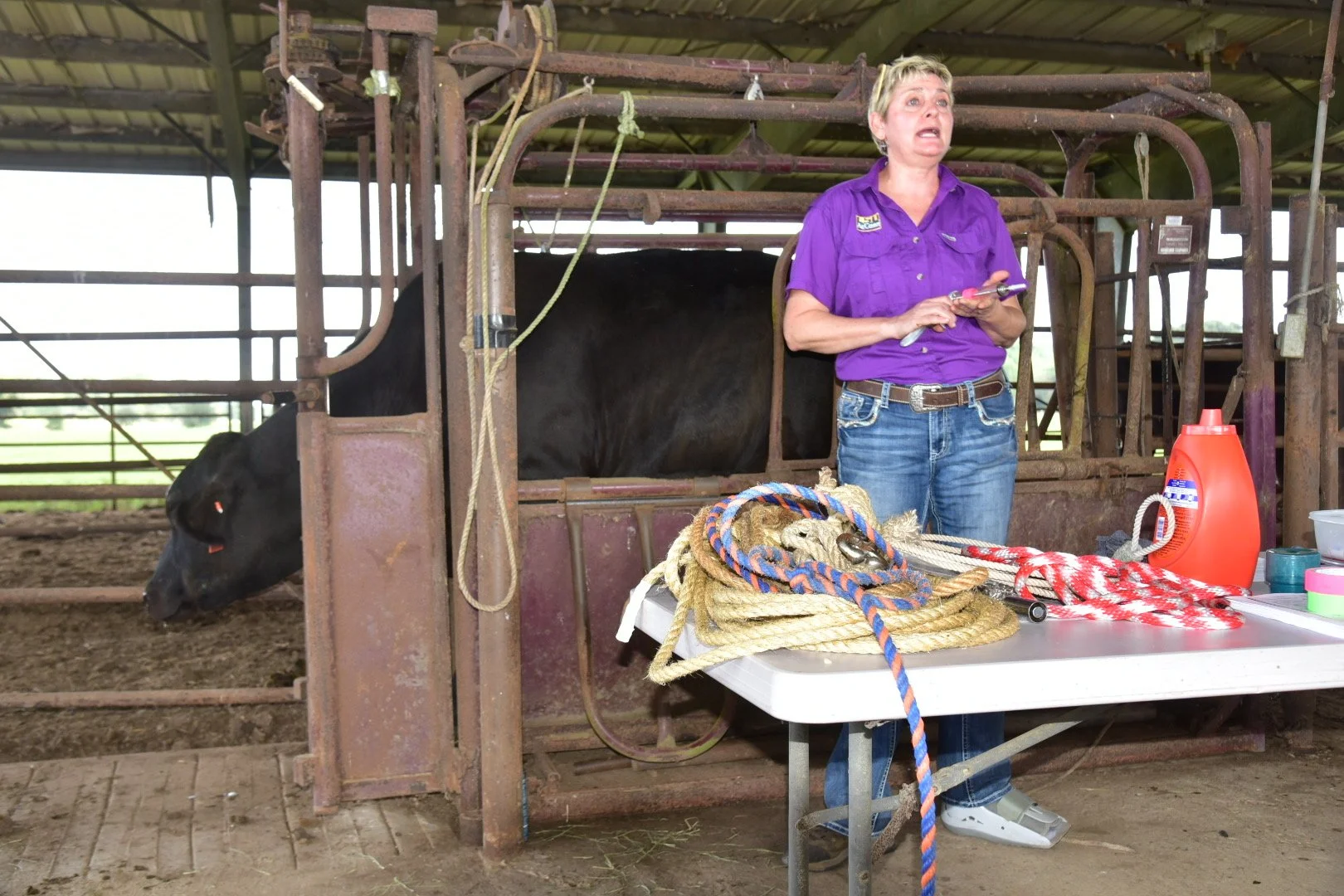
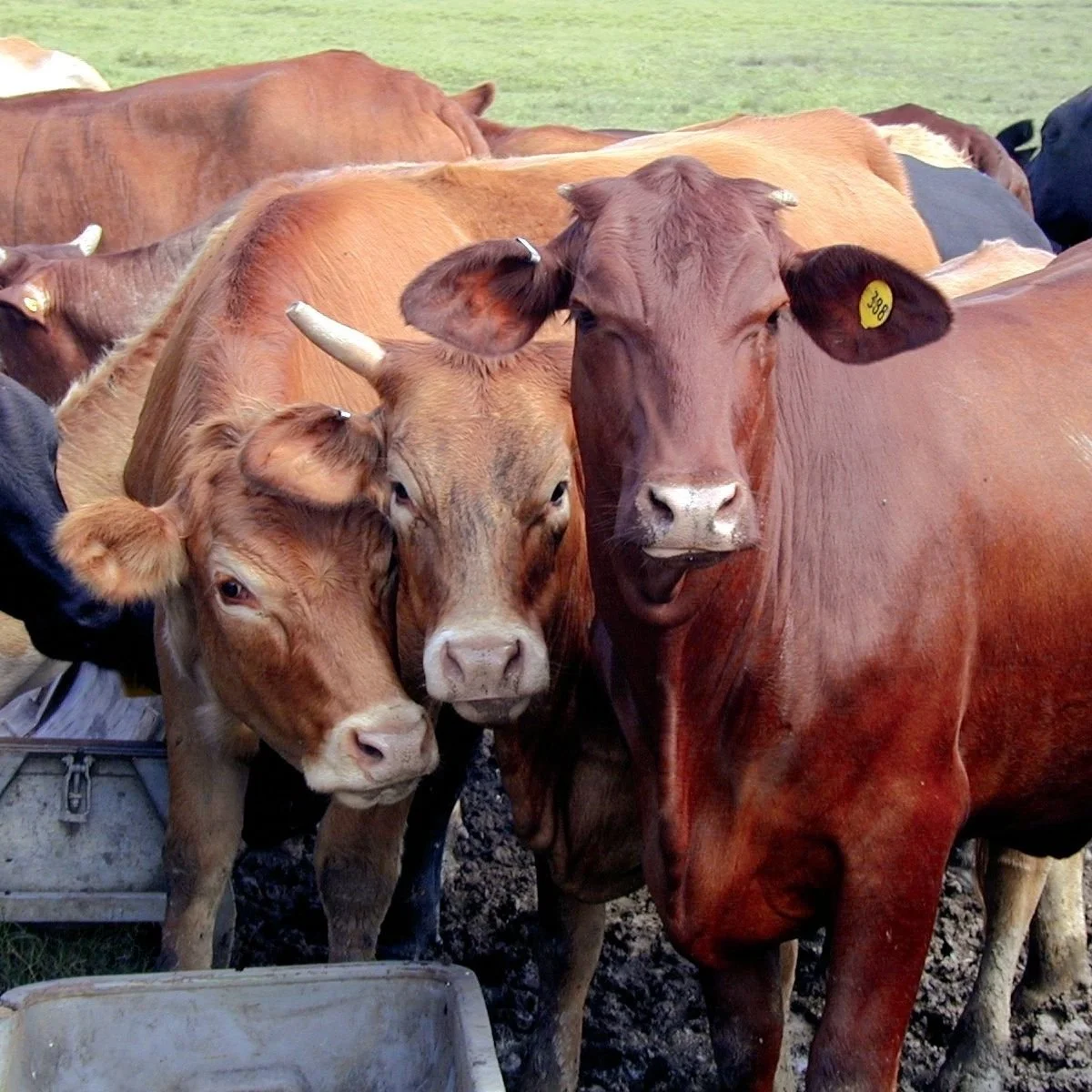
Dozens of beef cattle producers gathered to hear about the latest developments in the Louisiana beef industry at the Acadiana Area Beef Cattle Field Day held Oct. 23 in St. Martinville.
Luke Laborde, interim LSU vice president for agriculture and dean of the LSU College of Agriculture, addressed the crowd, stressing the importance of the beef cattle industry for the local and state economies.
Read More



Water buffalo are not typical farm animals in West Feliciana Parish. But then Sarah Roland's farm isn't exactly typical.
On 52 acres near Lake Rosemound, three years have gone into Roland’s dream, Bayou Sarah Farms.
It's where fruit trees and wildflowers support the bees that produce Roland’s honey. Where free range chickens dine on natural protein and fertilize the pasture as they go. Where nitrogen-storing goumi plants help feed adjacent blueberry bushes.
Read More
The owner of a Louisiana livestock business has pleaded guilty to stealing more than $76,000 from a federal aid program to help compensate farmers and ranchers for losses from the coronavirus pandemic, U.S. authorities said Wednesday.
Burnell Gabriel Zachary, 37, pleaded guilty to one count of theft from the U.S. government on Tuesday and agreed to repay $76,274 as part of a plea agreement with federal prosecutors in Lafayette, court documents show.
Read More
Elevated commodity prices supported farm income and kept the U.S. agricultural economy strong into this autumn, said the Kansas City Federal Reserve Bank on Wednesday. “Prices of most major crops were at multiyear highs moving into fall harvest and supported farm revenue prospects,” wrote economists Nathan Kauffman and Ty Kreitman.
Read More
Yesterday, Louisiana Department of Agriculture and Forestry (LDAF) Livestock Brand Commission agents arrested a Bossier Parish man accused of stealing a horse in Caddo Parish.
Thirty-six-year-old Rodney Jase Norwood, 127 Willow Bend Road, Benton, La., was arrested in Bossier Parish on a warrant from Caddo Parish following an investigation by the Livestock Brand Commission.
Read More


Pork, much like everything else these days, has gotten more expensive due in part to the supply chain issues and inflationary pressures spurred by the pandemic.
And now comes another wildcard: The pork industry's ability — and desire — to adapt to a new animal welfare law in California, its largest U.S. market.
The voter-approved measure taking effect on Jan. 1 requires pork products sold within the state to adhere to standards that mother pigs are given at least 24 square feet of space each and kept out of gestation crates — 7-by-2-foot stalls where their movements are severely restricted.
Read More