The Louisiana Farm To School Program Hosts 'Meet The Buyer'
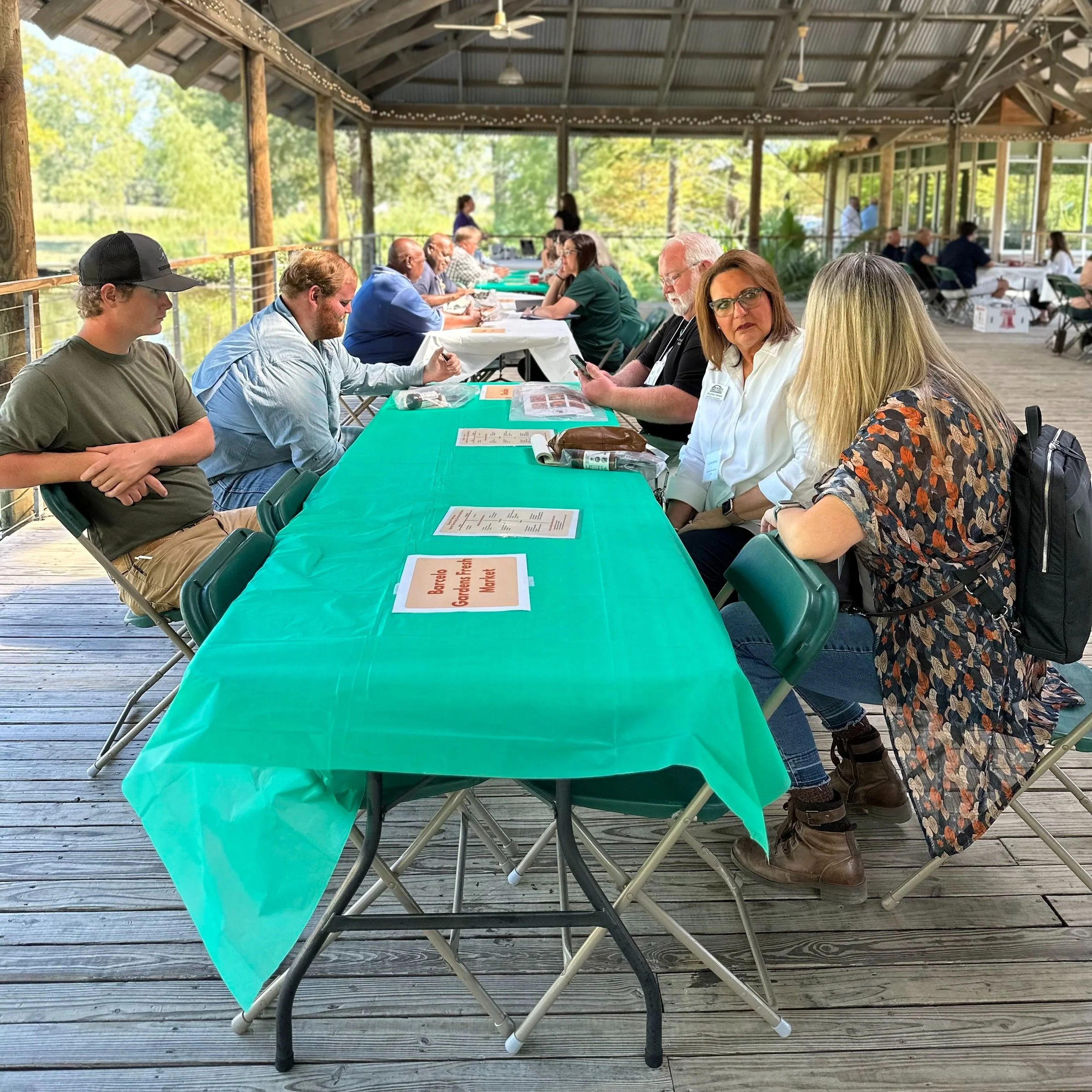
Louisiana K-12 school district child nutrition directors and purchasing agents were invited to the LSU Hilltop Arboretum on Wednesday, Sept. 20 for “Meet the Buyer,” a networking event where they connected face-to-face with Louisiana farmers and other food vendors.
Read More
LSU AgCenter To Help In Mitigating Damage From Invasive Species
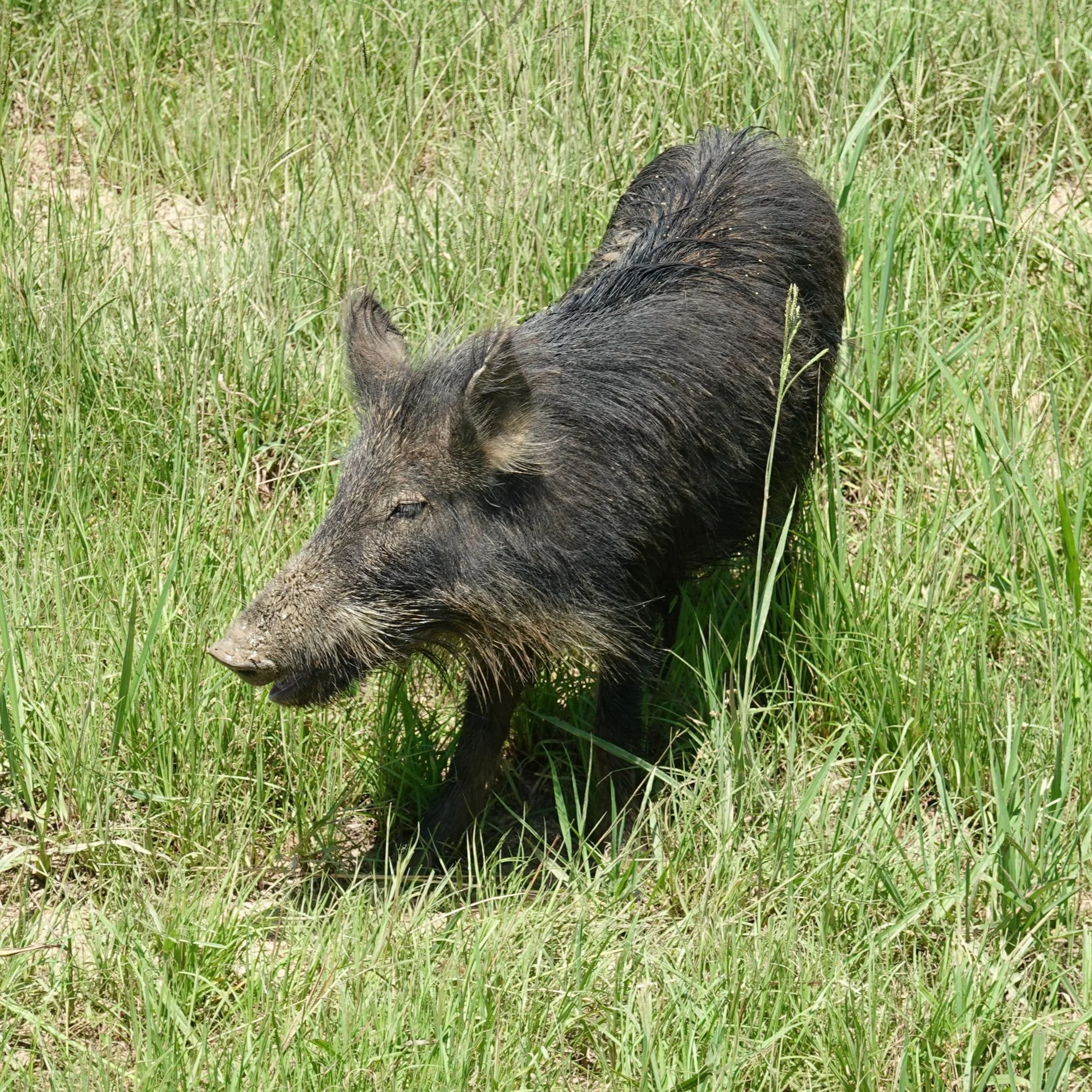
Louisiana is home to some of the most destructive invasive species found in the United States. The LSU AgCenter has long worked to monitor and manage these non-native insects, weeds and wildlife.
To better understand and control invasive species, the LSU AgCenter is developing a Center of Research Excellence for the Study of Invasive Species.
Read More
Effective Soil Sampling & Testing Drive Precise Fertilizer & Lime Recommendations
Soil sampling for liming and fertilizer recommendations is a very common practice after summer crop harvest in the Fall. The following things need to be considered before soil sampling, testing, and fertilizer recommendations.
Read More
LSU AgCenter Conducts Soybean Variety Trials & On-Farm Demonstration Plots
Selecting the most adapted and high yielding varieties is one of the most important decisions a soybean producer makes every year. The LSU AgCenter conducts an Official Variety Trial (OVT) and Core-block demonstration plots to provide unbiased data to assist in variety selection. The OVT and core-block demonstrations are planted throughout the state to collect performance data in different environments.
Read More
Creation of a New Center Through the LSU AgCenter Will Aid in Mitigating Damage of Invasive Species
Louisiana is home to some of the most destructive invasive species found in the United States. The LSU AgCenter has long worked to monitor and manage these non-native insects, weeds and wildlife.
To better understand and control invasive species, the LSU AgCenter is developing a Center of Research Excellence for the Study of Invasive Species.
Read More
Sudden Surge of Mole and Field Crickets in Louisiana Due to Dry Conditions
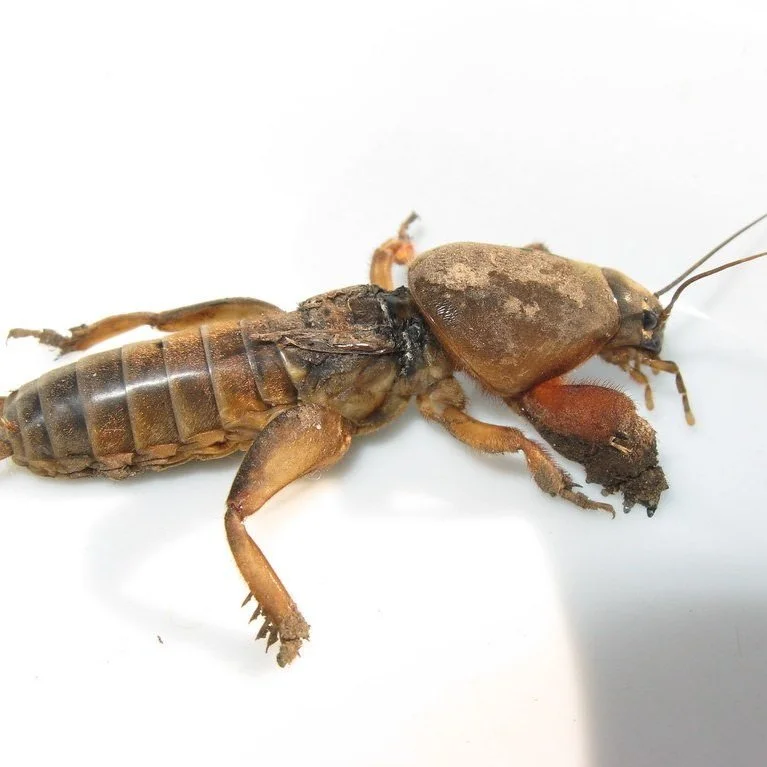
Have you seen more crickets than usual? A sudden surge of cricket infestations has hit Louisiana. LSU Ag Center Entomologist Aaron Ashbrook says crickets are on the hunt for food after recent rain.
Read More
Corn Maze Is Back At Burden In October
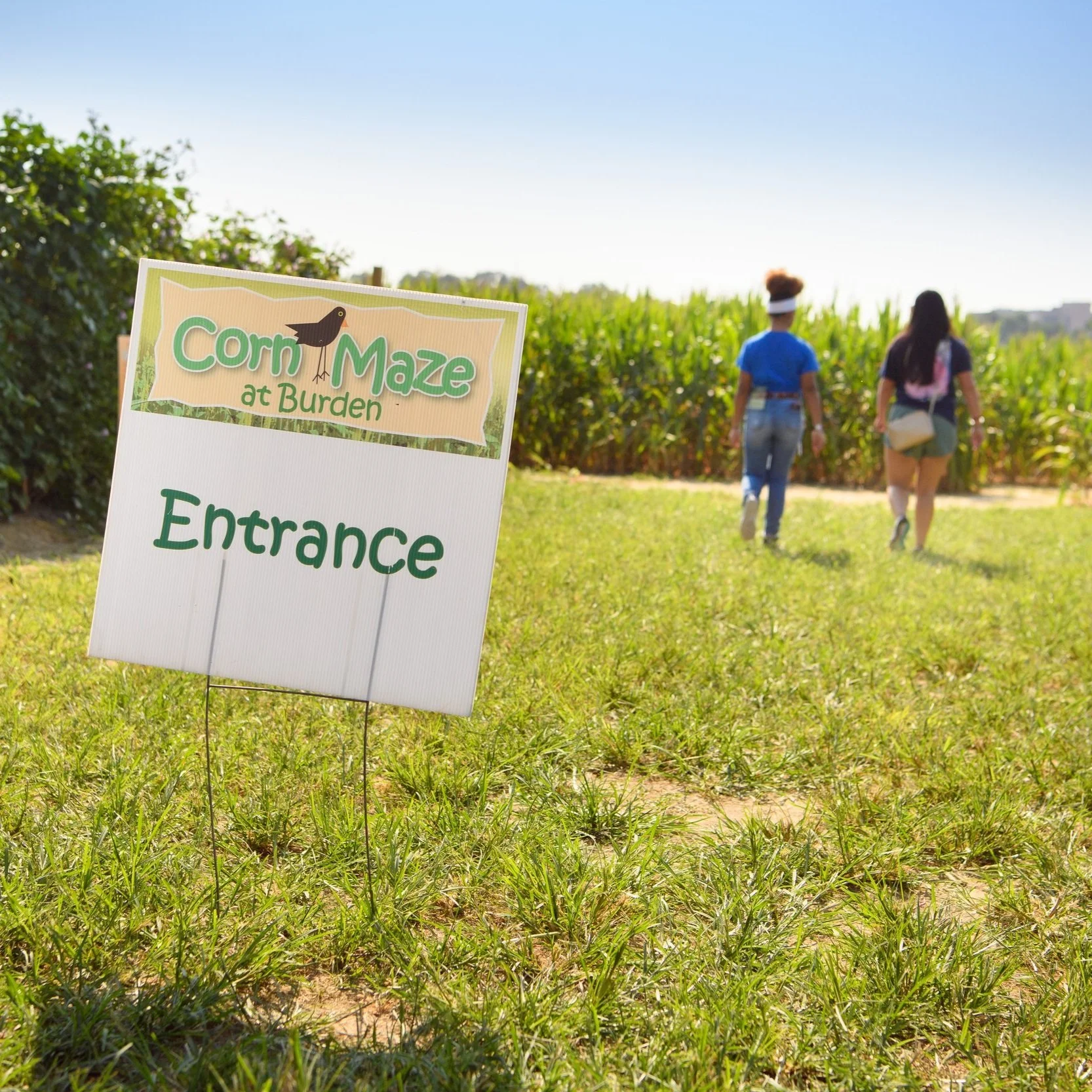
Fall is in the air, and the Corn Maze is back at the LSU AgCenter Botanic Gardens at Burden each Saturday in October, and on Sunday, Oct. 8, with all the excitement that you could hope for.
Read More
Louisiana Youth To Celebrate National 4-H Week October 1-7
Every year, millions of youth, parents, volunteers and alumni celebrate the first week of October as National 4-H Week. The week recognizes the many positive youth development opportunities 4-H offers.
Read More
Market Update for Corn, Soybeans, Rice and Cotton: September 2023
This month’s 2023/24 U.S. corn outlook projects slightly larger supplies and ending stocks. Projected beginning stocks for 2023/24 have been lowered by 5 million bushels mostly due to offsetting trade and corn used for ethanol changes for 2022/23. Corn production for 2023/24 is forecast at 15.1 billion bushels, this a 23-million-bushel increase from last month’s estimates as greater harvested area more than offsets reductions in yield.
Read More
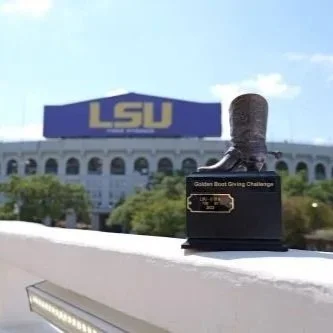
Help the LSU College of Agriculture Win the Golden Boot Giving Challenge
The LSU College of Agriculture and Arkansas' Dale Bumpers College of Agricultural, Food and Life Sciences are gearing up for an exciting battle, but it's not happening on the football field. This crowdfunding challenge, known as the Golden Boot Giving Challenge, is set to take place from September 16 to September 23, 2023.
Each year, the LSU Tigers and Arkansas Razorbacks fight for the “Golden Boot” on the football field. Mirroring this rivalry, LSU and University of Arkansas are battling to see which college of agriculture has the most supporters.
Read More
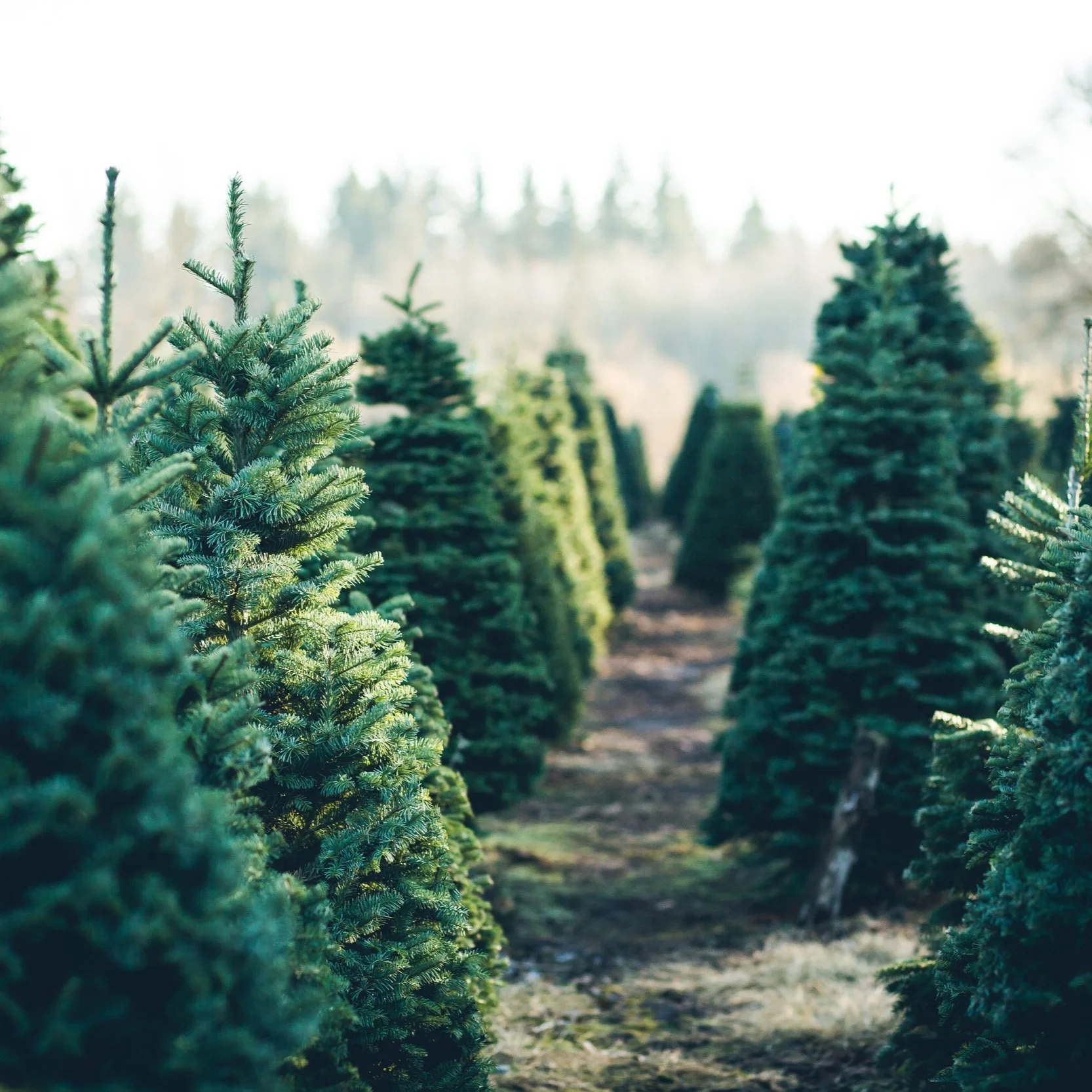
Despite Drought, Christmas Tree Farms Plan For Upcoming Season
Like most agricultural crops in Louisiana, Christmas tree farms have been impacted by the state’s prolonged drought. Good management techniques on farms have kept mature trees from drying up said Valerie West, an LSU AgCenter forestry agent in northwest Louisiana.
She said consumers can still expect to see real trees this holiday season.
Read More
Economic Loss of Forests to Drought and Wildfires for Timber Land Owners Indescribable
In west-central Louisiana where the drought and wildfires have ravaged thousands of acres of forests, it only adds insult to injury to landowners who incurred losses from Hurricanes Laura and Delta just three years ago. Forester Robbie Hutchins with the LSU AgCenter said it’s difficult to explain the devastation that’s occurred.
Read More
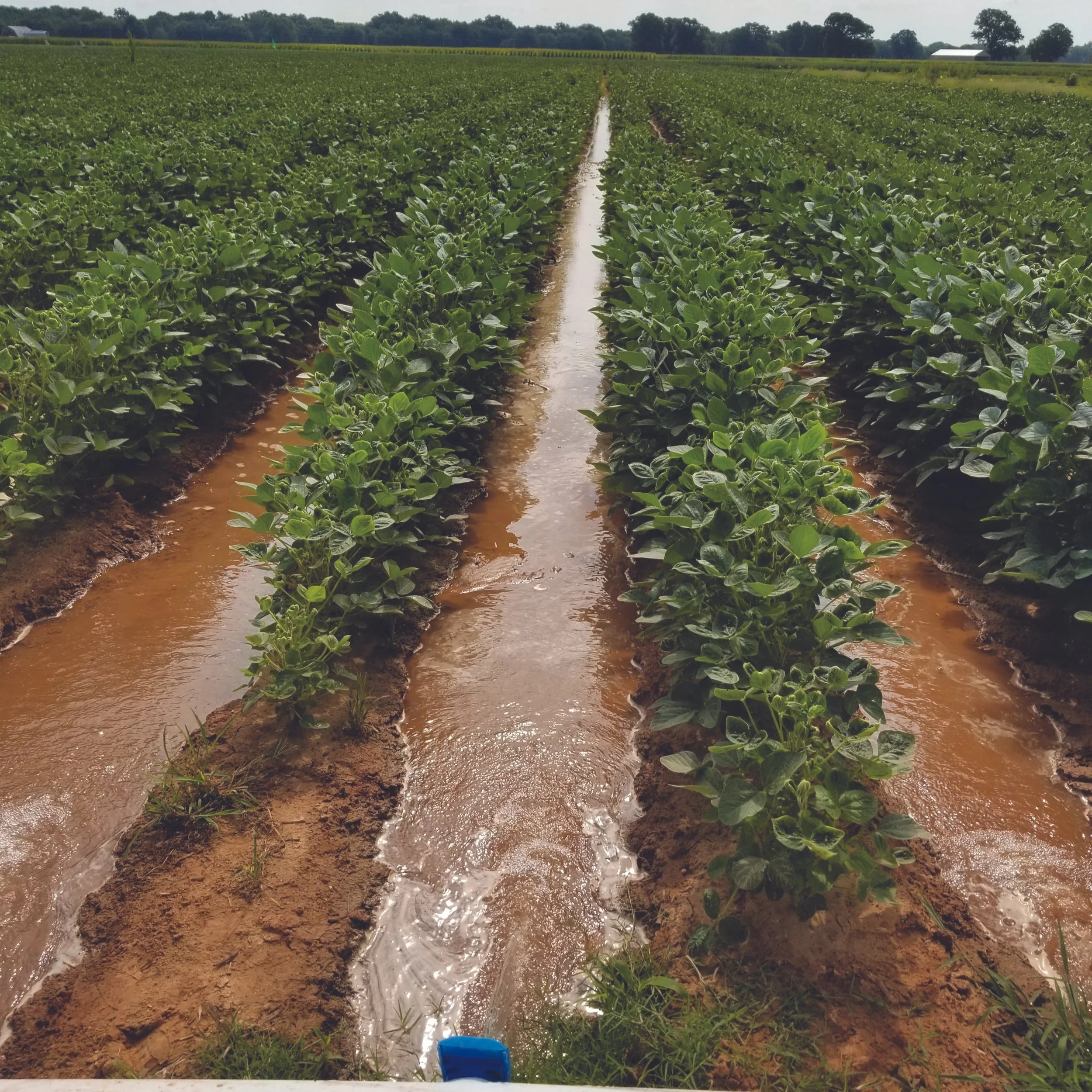
Fresh DIRT: New Drought Irrigation Tool Assists Farmers With Scheduling
Described as a labor of love by one of its developers, the LSU AgCenter’s new web-based Drought Irrigation Response Tool, or DIRT, will greatly benefit farmers during one of the driest seasons on record.
Read More
Severe Drought Conditions Impacts the State’s $230 Million Crawfish Industry
While crawfish season begins in January, drought conditions could have an impact on the state’s $230 million dollar crawfish industry. LSU AgCenter Area Agent for crawfish production Todd Fontenot says producers are already flushing their fields to reduce cracking.
Read More
Long-Term Conservation Practices Improve Soil Chemistry
Introducing a change in agronomic practices can be compared to pressing the reset button on a computer or router. The practice change requires the soil system to restart before it establishes a new normal.
“We don’t know what that reset will look like, but with conservation practices, it often results in a crop yield hit as the soil microbes adjust,” explains Lisa Fultz, associate professor and soil microbiologist with Louisiana State University AgCenter.
Read More