Described as a labor of love by one of its developers, the LSU AgCenter’s new web-based Drought Irrigation Response Tool, or DIRT, will greatly benefit farmers during one of the driest seasons on record.
Read More
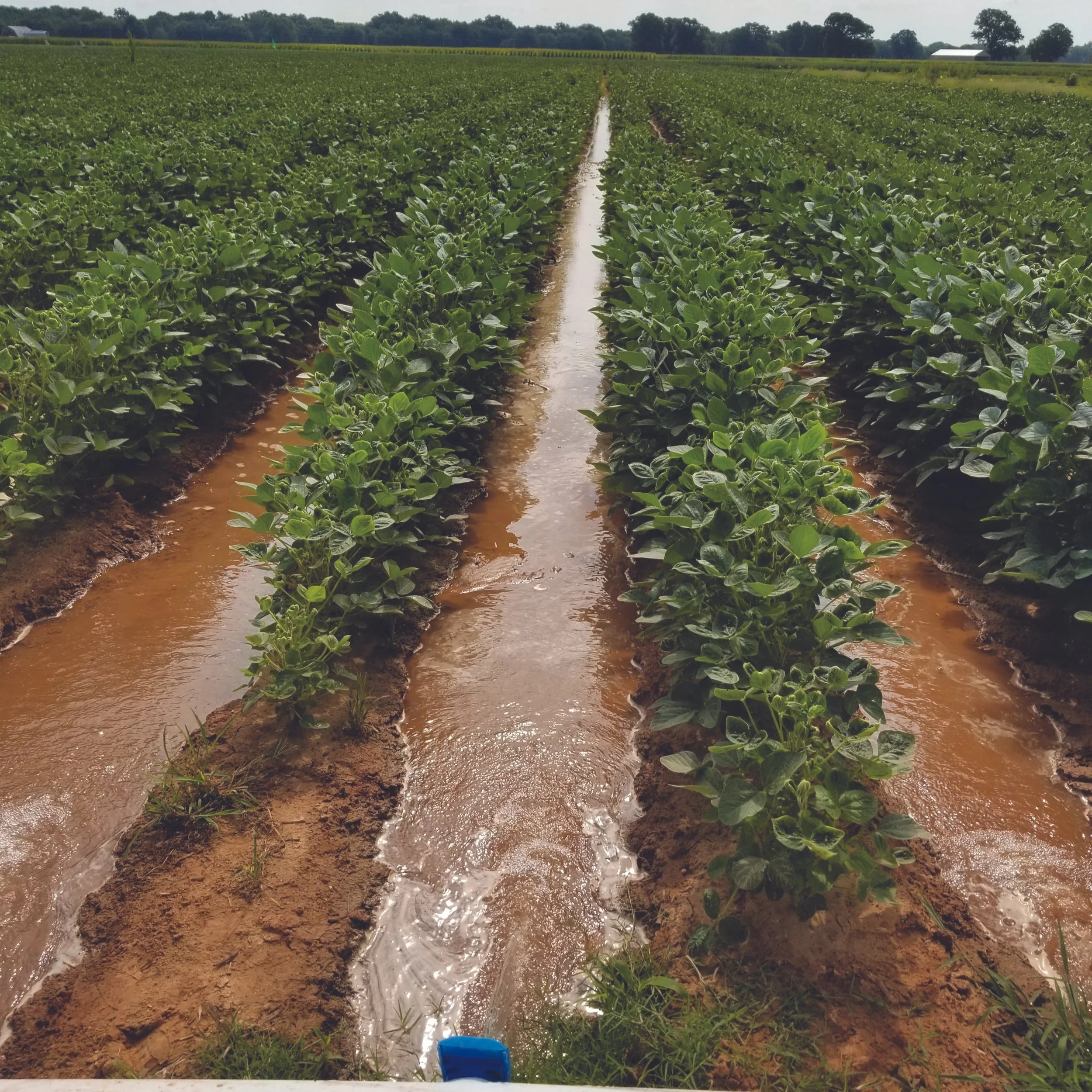
Described as a labor of love by one of its developers, the LSU AgCenter’s new web-based Drought Irrigation Response Tool, or DIRT, will greatly benefit farmers during one of the driest seasons on record.
Read MoreWhile crawfish season begins in January, drought conditions could have an impact on the state’s $230 million dollar crawfish industry. LSU AgCenter Area Agent for crawfish production Todd Fontenot says producers are already flushing their fields to reduce cracking.
Read MoreIntroducing a change in agronomic practices can be compared to pressing the reset button on a computer or router. The practice change requires the soil system to restart before it establishes a new normal.
“We don’t know what that reset will look like, but with conservation practices, it often results in a crop yield hit as the soil microbes adjust,” explains Lisa Fultz, associate professor and soil microbiologist with Louisiana State University AgCenter.
Read MoreIn a summer replete with challenges for Louisiana farmers as they’ve dealt with a heatwave and extended drought conditions, there is finally some good news on the agricultural front. The state’s sweet potato crop is doing just fine, and although harvest may be slightly delayed this year, some producers are expecting bumper yields.
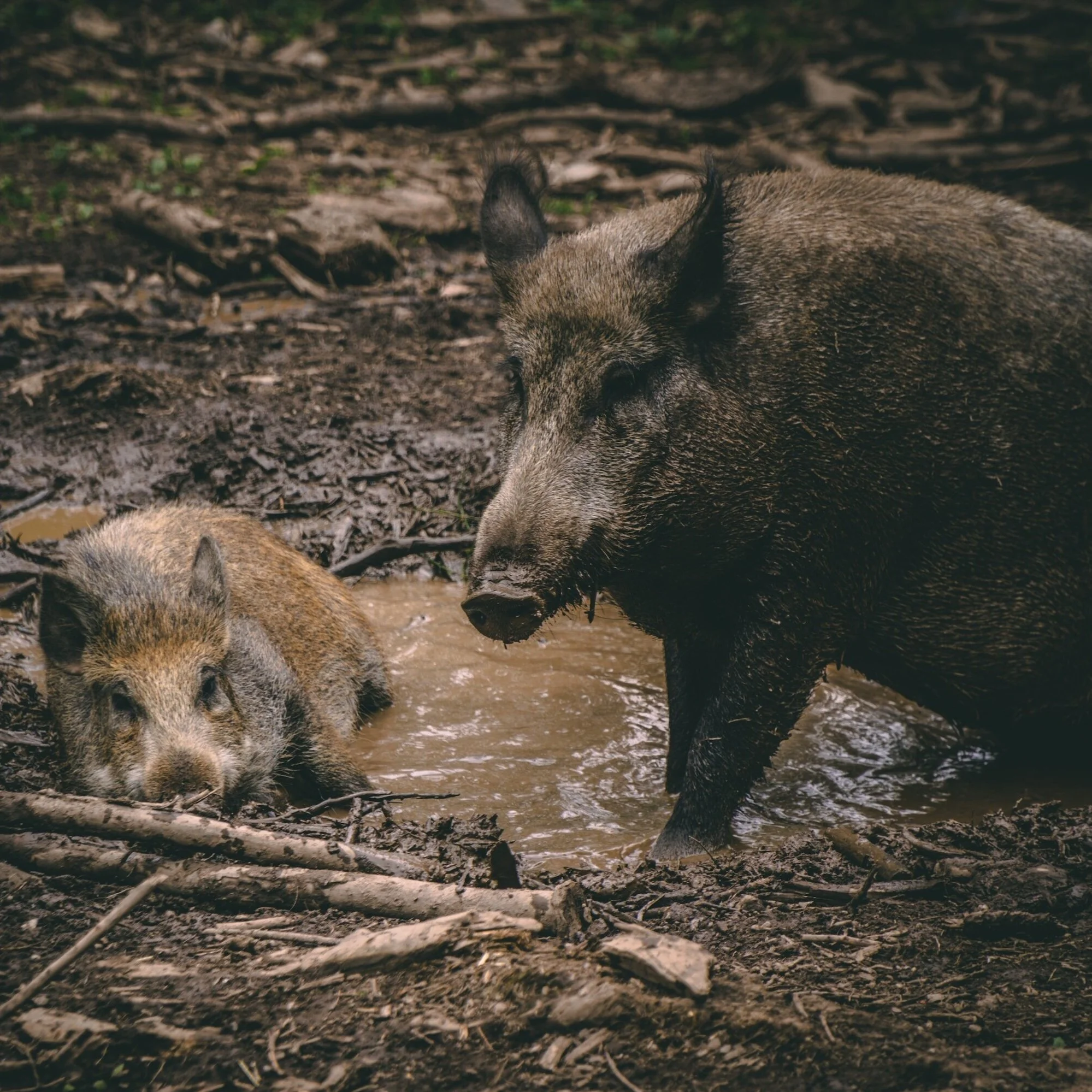
Read MoreLouisiana is home to more than 1 million feral hogs.
The Louisiana Department of Wildlife and Fisheries suggests that 70% of hogs are killed every year to maintain a stable environment.
Read MoreSoybeans have been used as a forage crop since they were originally brought to the United States. Their use as a forage declined in the 1940’s as producers adopted other forages that had higher yields. So, although soybeans today are most commonly grown as a grain crop, they can be harvested as a forage crop under certain situations, such as drought.
Read MoreSmall grain variety trials are conducted annually by scientists of the Louisiana State University Agricultural Center Agricultural Experiment Station to evaluate grain yield, agronomic performance and disease reaction of varieties and advanced breeding lines. The trials are conducted at seven LSU AgCenter research stations representative of the major soil and climate regions of the state.
Read MoreJoin Seeds to Success: The Louisiana Farm to School Program for the seventh annual farm to school conference at the Pennington Biomedical Convention Center on Oct. 11, from 8 a.m. to 4 p.m. The event will emphasize three main components of farm to school: education, school gardens and local food purchasing.
Read MoreIt’s a few months early for most people in Louisiana to have crawfish on their minds. But the cycle of producing crawfish for those eagerly anticipated springtime boils is already underway — and this summer’s drought conditions could have an impact.
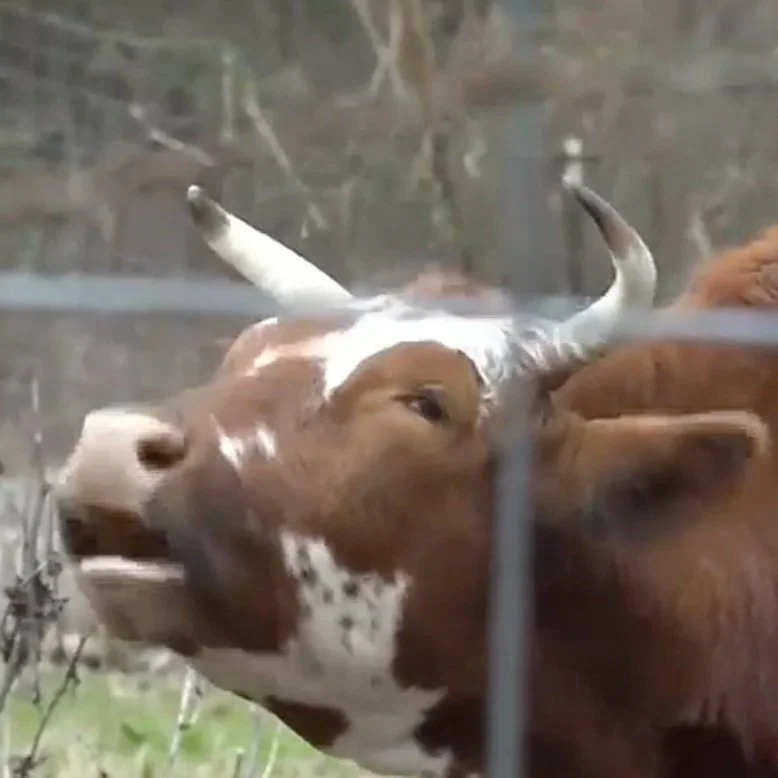
Read MoreExtreme heat and record-high temperatures are impacting the cattle industry.
According to economists, cattle are losing weight, hay prices are rising and ranchers are being forced into liquidation due to not being able to afford their animals.
Read MoreChad Hanks can sum up this sugarcane growing season rather succinctly.
“Unprecedented,” Hanks said as he stood in a sugarcane field in Lafayette Parish.
Read MoreMore stink bugs are starting to show up in soybean fields. The stink bug complex in Louisiana soybean includes several species such as the brown stink bug, green stink bug, southern green stink bug, and perhaps the most notorious, the redbanded stink bug. Each species is capable of causing damage.
Read MoreLouisiana FFA is gearing up for an exciting school year after members wrapped up a busy summer that included officer training and a visit to the nation’s capital.
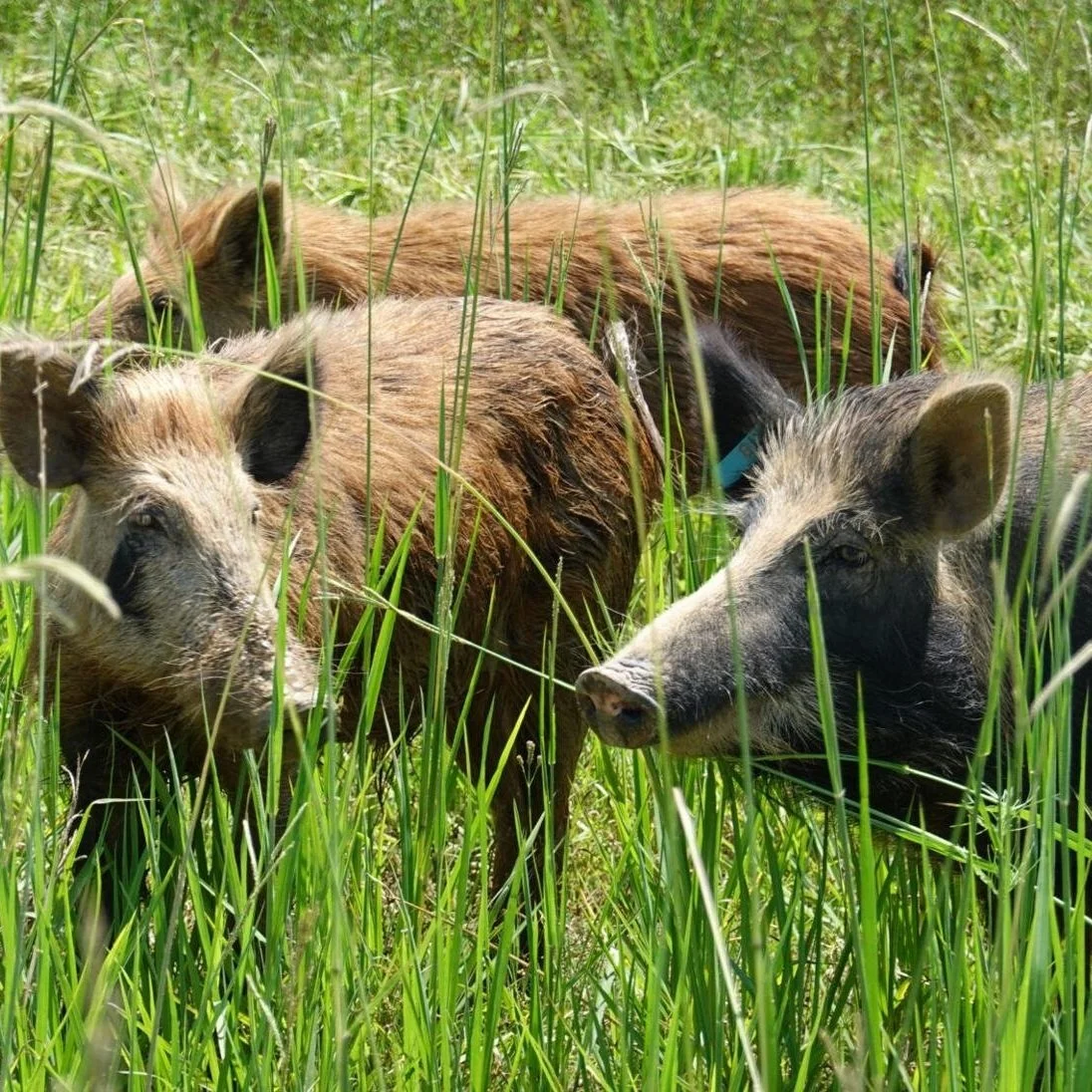
Read MoreYou would need 10 Tiger Stadiums to seat the million wild hogs that run loose in Louisiana. They tear up garden beds, wreak havoc on crops and damage levees — but maybe not for long.
A poisonous bait developed by the LSU AgCenter and LSU Department of Chemistry was approved for a patent earlier in August, according to the AgCenter. The next step before public use is approval by the U.S. Environmental Protection Agency.
Read MoreThe Louisiana soybean crop has been severely affected by extreme heat and drought stress. Factors such as availability of irrigation, planting date, and soil type have all had a significant impact on the condition of plants.
Read More