The LSU baseball and women’s basketball teams aren’t the only champs in the state. Members of the Louisiana 4-H Shooting Sports Team are once again reigning national champions after defeating competitors from across the United States.
Read More
The LSU baseball and women’s basketball teams aren’t the only champs in the state. Members of the Louisiana 4-H Shooting Sports Team are once again reigning national champions after defeating competitors from across the United States.
Read MoreIdentifying climate-smart strategies for water management is the goal of a three-year rice production study funded by the U.S. Department of Agriculture.
Changyoon Jeong, LSU AgCenter water quality specialist, will lead the study at the Red River Research Station in Bossier City and the H. Rouse Caffey Rice Research Station in Crowley
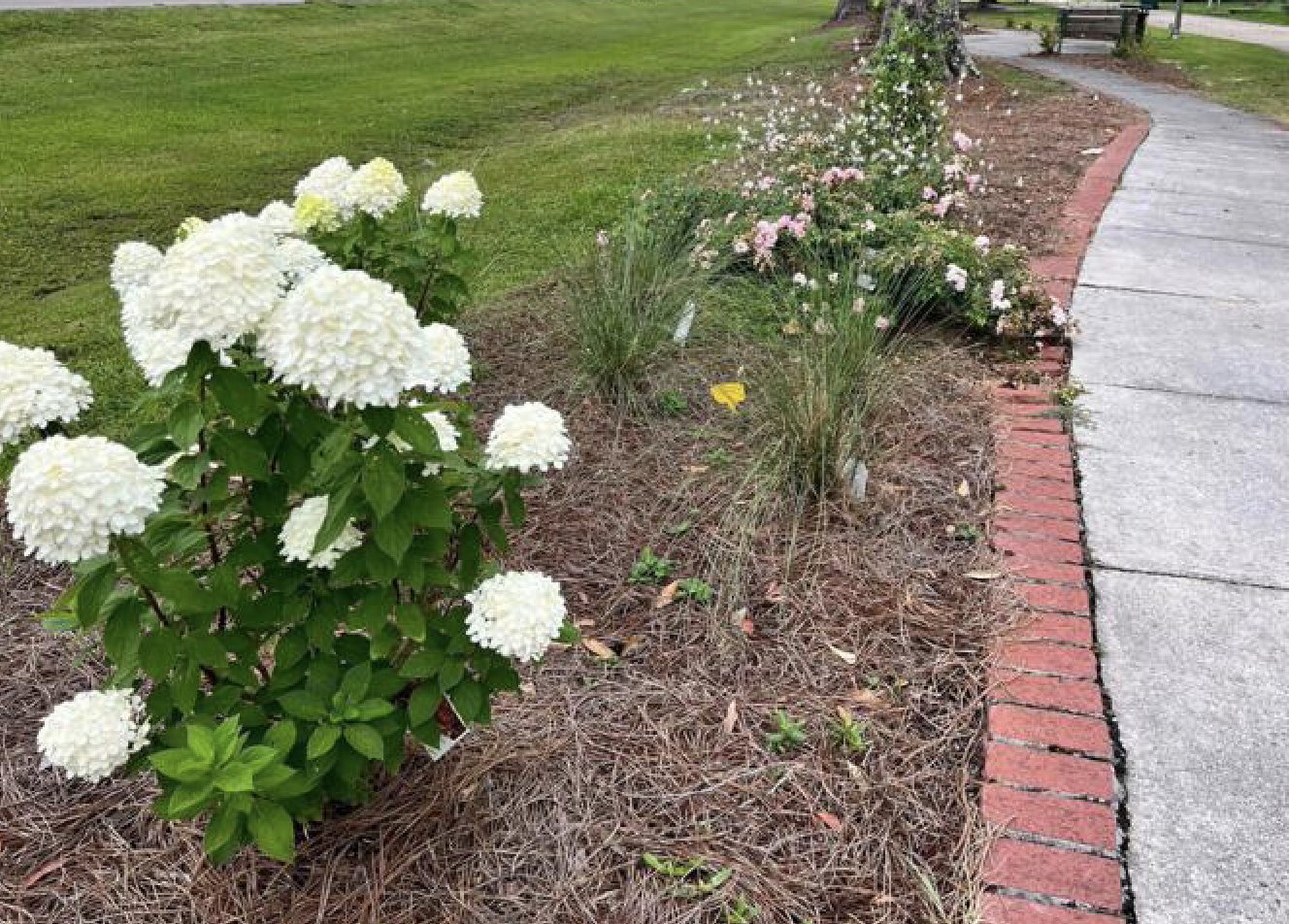
Read MoreThe Louisiana Master Gardener program, offered by the LSU AgCenter, is designed to train volunteers with a balanced, integrated, and practical course in gardening.
It is a 14-week course focusing on gardening topics based on Louisiana gardening needs. It will include a balance of lectures, student presentations, and hands-on activities.
Read MoreAn elementary school implements a gardening and culinary program to teach students how to prepare recipes using produce grown in their own school garden through the help of a local farmer.
A school district makes changes to its nutrition policy and introduces a life skills course that includes using a vocational kitchen and raising a school garden whose produce is sold at the local farmers market and included in cooking demonstrations for the community.
Read MoreThe theme of this year’s 4-H University was “Excel” and hundreds of extraordinary students from across the state did just that, winning and placing in a variety of categories from e-sports to insect identification and beyond.
Read MoreSugarcane varieties are the lifeblood of the Louisiana sugar industry. Therefore, variety selection is one of the most important decisions on the farm. This decision has long term consequences. The goal is to maximize profitability on every acre of the farm for each year of a long crop cycle.
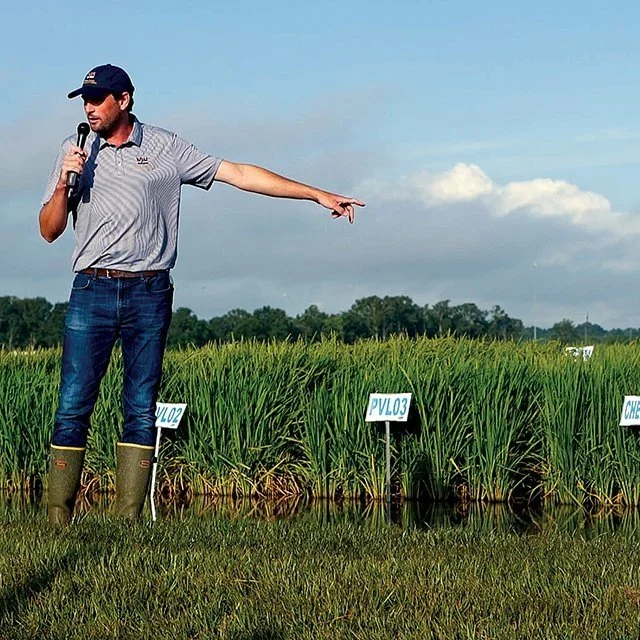
Read MoreWith a heat wave gripping Louisiana, scores of farmers sweated, sipped water and shaded themselves with hats and event programs as they toured the LSU AgCenter H. Rouse Caffey Rice Research Station during its annual field day June 28.
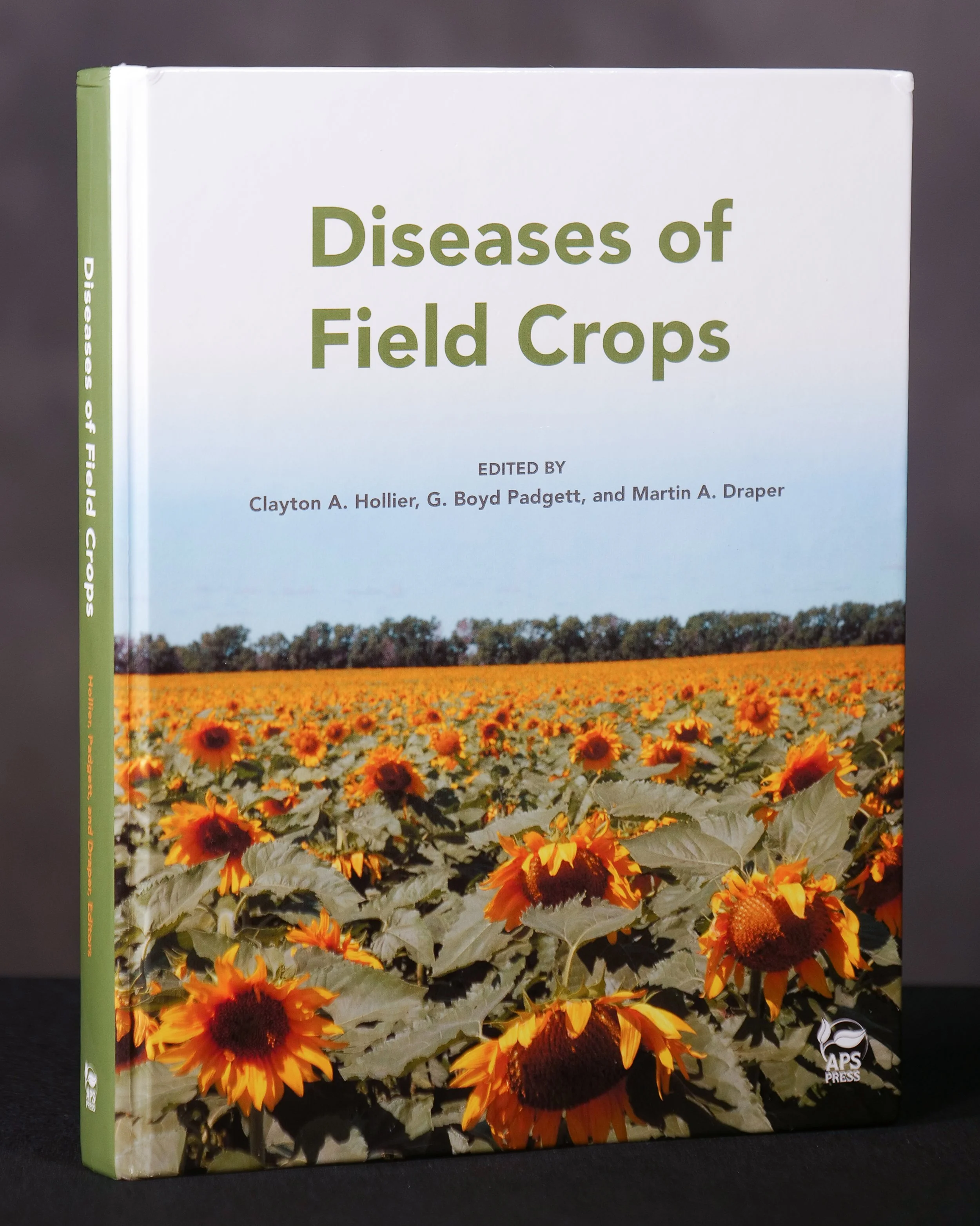
Read MoreA new crop disease reference guide co-edited by two LSU AgCenter-affiliated plant pathologists is designed to aid students, crop consultants and producers for decades to come.
“Diseases of Field Crops,” a 400-page reference guide, details disease symptoms of 22 major field crops with more than 800 high-quality photographs.
Read MoreHot and dry weather may limit the yields for some of Louisiana’s most important crops, though the full impact won’t be known until harvest, LSU AgCenter experts say.
Read MoreA new crop disease reference guide co-edited by two LSU AgCenter-affiliated plant pathologists is designed to aid students, crop consultants and producers for decades to come.
Read MoreA field day highlighting soil fertility and Best Management Practices in sugarcane will be held July 13, 2023, at the Keith Dugas Farm, 5585 LA-1 in Napoleonville.
Registration begins at 8:30 AM and lunch will be provided.
Read MoreMonthly report of the current production practices of various beef, pork, poultry and dairy products.
Read MoreWith temperatures nearing 90 degrees before 10 a.m., producers from across the state endured the heat and humidity to learn the latest on planting and disease control and to taste unreleased varieties at a commercial vegetable field day June 14 at the LSU AgCenter Botanic Gardens at Burden.
Read MoreIf you find irregular patches of soybean plants that look generally stunted, yellow, or dead, the cause could be nematodes. Generally, nematodes jeopardize the root system of the plant. Therefore, the plants will often have symptoms that mimic other maladies such as drought and nutrient deficiency. It is not uncommon to find nematodes throughout Louisiana. A recent survey (2019-2021) detected Southern root-knot nematodes in 22% of 164 fields.
Read MoreFoliar symptoms are usually not evident until soybean is in the mid to late reproductive growth stages. Initial symptoms are small chocolate brown lesions on the petioles near the leaflet. As the disease progresses, foliar symptoms are expressed as a reddish brown to tan discoloration on the upper leaf surface in the upper canopy.
Read More