Master Programs Educate Louisianans On Best Practices
Louisiana’s Cooperative Extension Service offers a number of programs aimed at educating clientele about improving management skills, increasing profitability and, ultimately, becoming more sustainable. These “master” programs educate home gardeners, agronomic producers and cattlemen about best management practices that help improve water quality, soil health and overall conservation efforts for long-term sustainability through the Master Gardener, Master Farmer and Master Cattleman programs.
Read More
Growing Sugarcane Today For Tomorrow's Farmers
Sustainability means producing sugarcane in a manner that is economically profitable while being a good neighbor to both the local community and environment. The benefit to society is feeding the world without exploiting natural and human resources.
The Louisiana sugar industry is accomplishing this today.
Read More
LSU AgCenter Research Combats Hypoxic Dead Zone
In Louisiana, the many twists and turns of the state’s coast add up to more than 7,700 miles of shoreline, which meet the waters of the 600,000 square-mile Gulf of Mexico. Formed more than 300 million years ago, the Gulf of Mexico is home to 15,420 species of sea-dwelling creatures.
Read More
Adoption Of Best Management Practices In Louisiana Agriculture
Louisiana rests alongside the Gulf of Mexico and provides an outlet for the nation’s most important river, the Mississippi, and some of its tributaries. To reduce agricultural runoff into these water bodies and improve soil-water quality around farms, Louisiana farmers have been implementing a wide range of environment-friendly and sustainable farm practices often called best management practices.
Read More
Crop Alert: Hessian Fly Infestations on Louisiana Wheat
A serious infestation of Hessian fly in wheat was observed this year in south Louisiana. Reports indicate that severe infestations have been detected in LSU AgCenter wheat varietal trials at Central Research Station in Baton Rouge and high levels of infestation were also observed in a producer’s fields near Bunkie.
Read More
Economic Perspectives On Best Management Practices & Sustainable Production Strategies
Best management practices are measures that producers can apply to crop rotations, tillage operations, effective input application and other aspects of the management process that minimize — or eliminate altogether — the flow of fertilizers, pesticides, animal waste and other byproducts of farm operations from entering water resources.
Read More
2023 Louisiana Soybean Production Update: An Early Start To Planting And A Freeze
The USDA-NASS survey reported that two percent of the Louisiana soybean crop was planted by March 19, 2023. The warm and dry weather during early March allowed producers to plant their corn crop early and then begin planting soybean. Unfortunately, on March 20th, the temperature dropped to approximately 28 degrees Fahrenheit in Northeast Louisiana. Soybean tissue death can occur if the temperature falls to 28 degrees Fahrenheit for more than four hours, especially if the unifoliate leaves are exposed (Vann and Stokes, 2020).
Read More
Louisiana Crops Newsletter
Volume 13, Issue 2—April, 2023
Read More
Crop Market Report--March, 2023
There were no major surprises in the March 31st USDA Prospective Plantings report, but the March 1st Quarterly Grain Stock report was seen as somewhat of a surprise “missing the mark” for corn and soybean stocks. Historically the April WASDE is not a major report, but the USDA reduced South America production, which could increase U.S. export demand and therefore reduce U.S. and major exporter ending stocks. As such, the market continues to trade tightness in ending stocks for the 2022/23 marketing year. As the market digests the plantings and stocks reports, focus now shifts to weather and U.S. planting progress.
Read More
Strawberries Ripe & Ready For The Taking
It’s the peak of strawberry season in Louisiana, and the bright red fruit is being harvested in fields across southeast Louisiana. LSU AgCenter reporter Craig Gautreaux has this report from Livingston Parish.
Read More
Soil Health Field Day Highlights LSU AgCenter Research
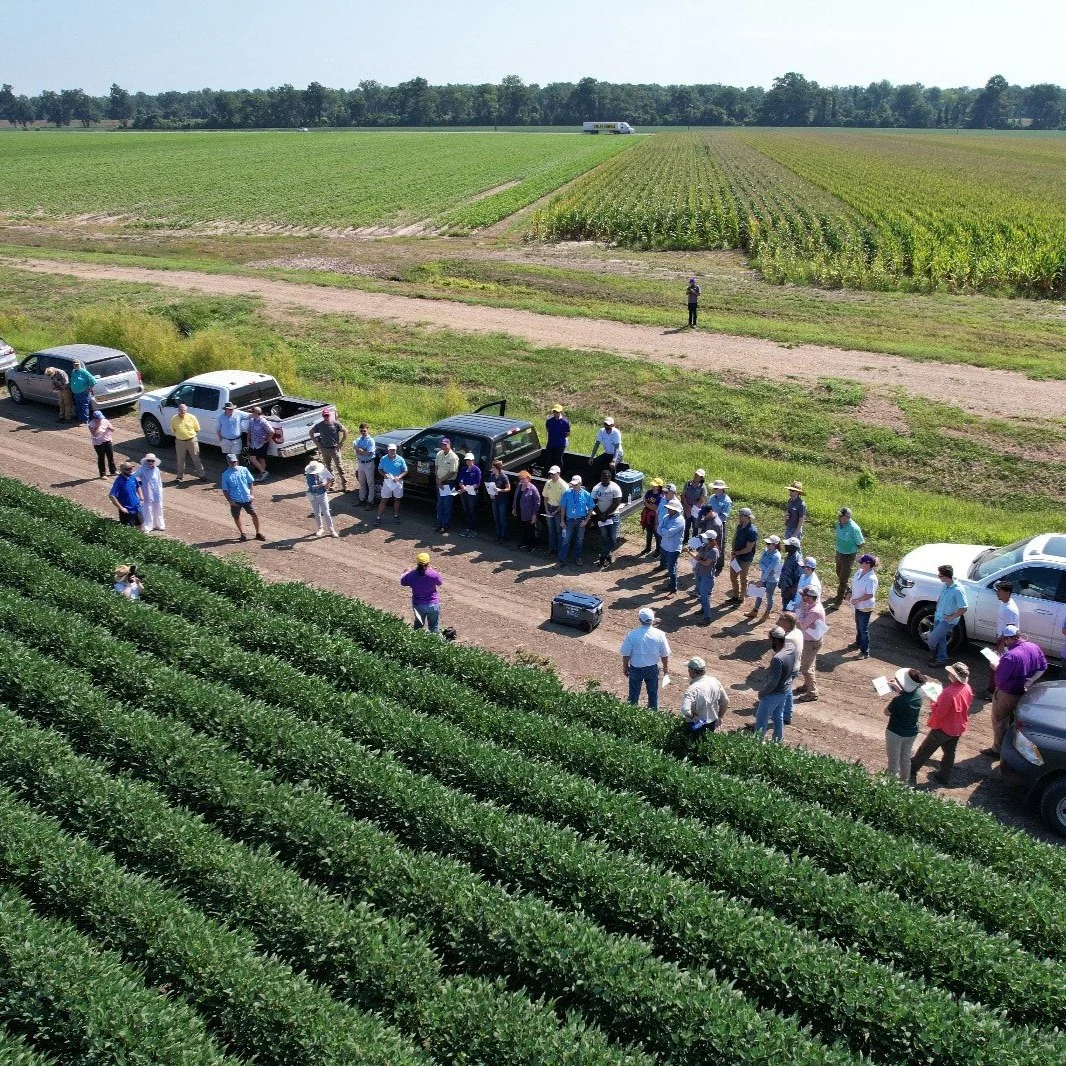
An old adage says a picture is worth a thousand words. For Dennis Burns, the coordinator of the LSU AgCenter Northeast Research Station, a single photo sums up something he and several colleagues have been studying extensively: the benefits of conservation methods such as planting a cover crop in the offseason.
Read More
LSU College of Agriculture's Interim Dean, an LSU Alumnus, Named Permanent Leader
Matt Lee, interim dean of LSU's College of Agriculture and vice president for agriculture since August 2022, will be promoted to permanent head of the program, the university announced Tuesday.
Read More
Wheat, Oat, Cover Crop Field Day Set For April 20
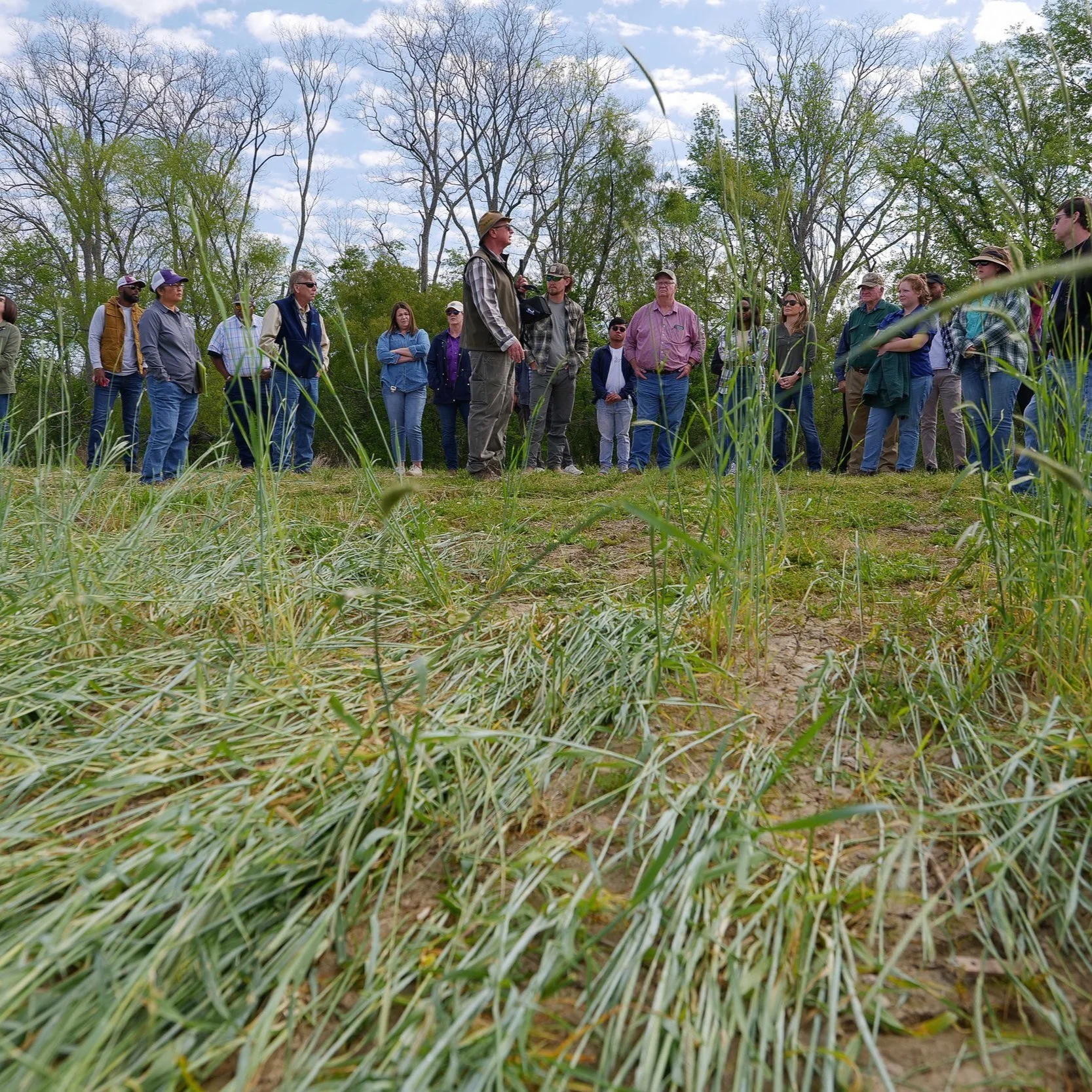
The LSU AgCenter will hold its annual wheat, oat and cover crop field day April 20 at the Tom H. Scott Research, Extension and Education Center in Winnsboro.
The event will be held from 8 a.m. to noon, and lunch will be provided. The Scott Center is located at 212A Macon Ridge Road in Winnsboro.
Read More
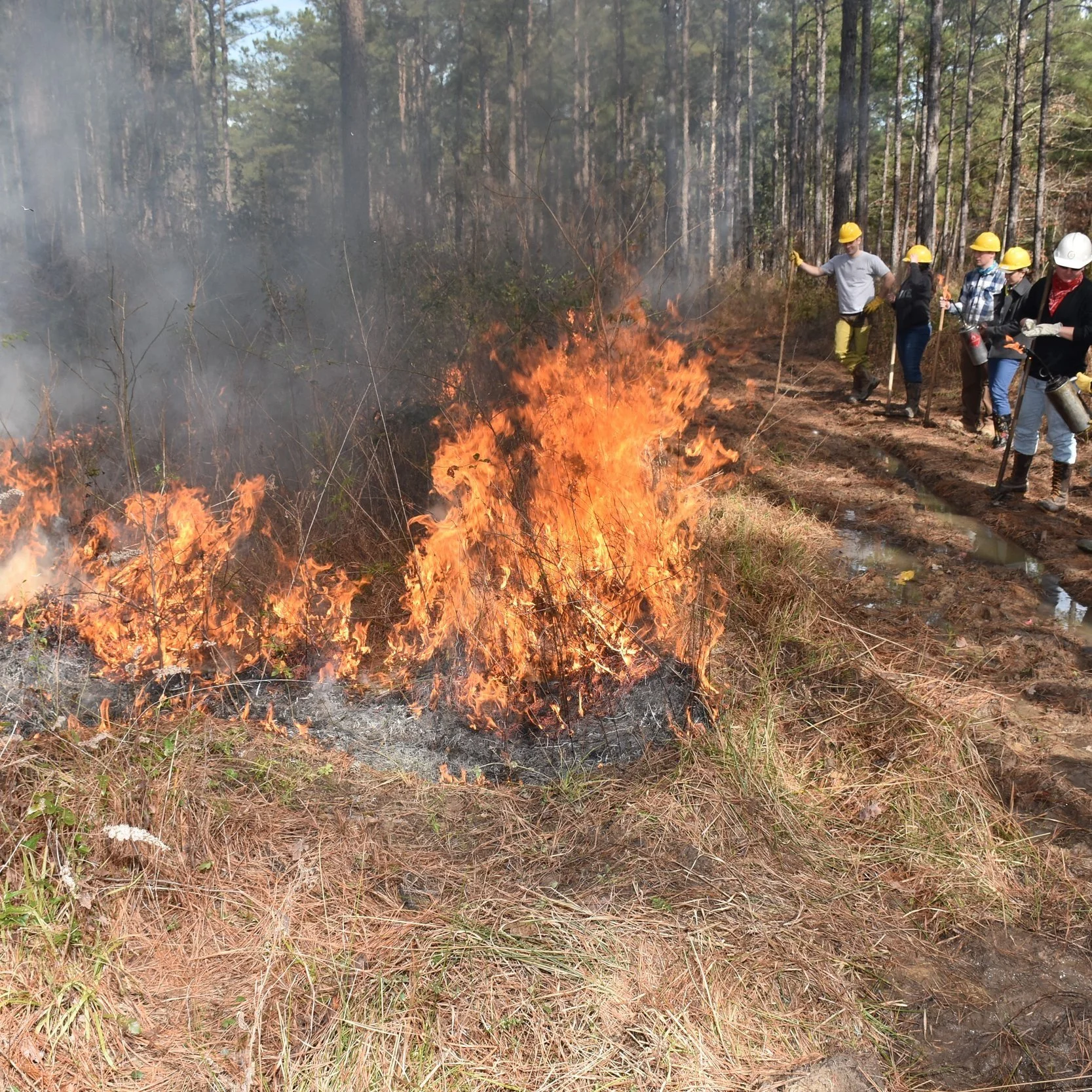
Prescribed Burn Workshop Set For April 19-21 In Clinton
The LSU AgCenter prescribed burning workshop with burner certification has been scheduled for Wednesday, Thursday and Friday, April 19-21.
AgCenter forestry agent Whitney Wallace said the workshop will be from 8 a.m. to 4 p.m. the first two days and from 8 a.m. to 1 p.m. on Friday at the Bob R. Jones-Idlewild Research Station in Clinton.
Read More
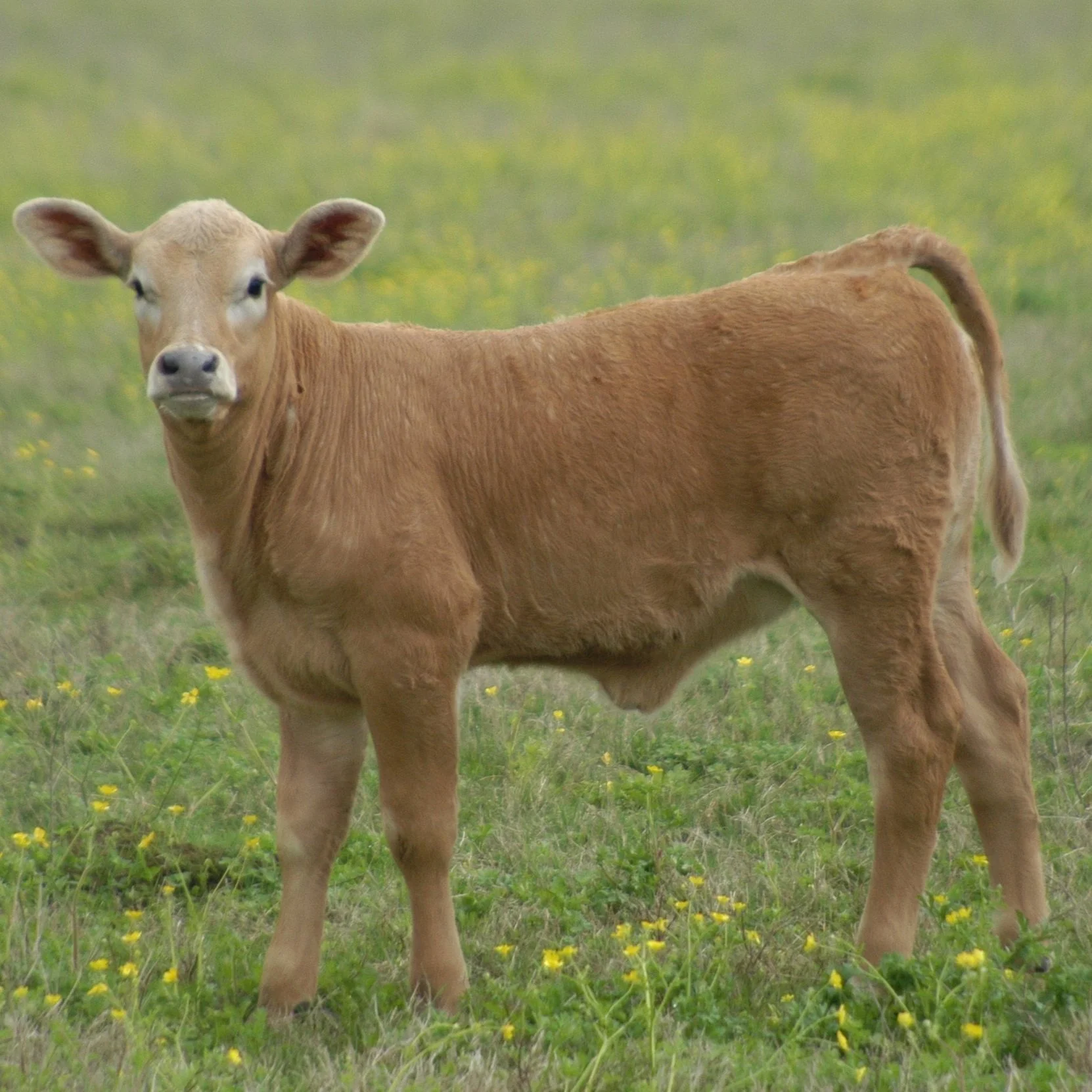
Northwest Beef, Forage Field Day Set For April 27
The LSU AgCenter will hold its annual Northwest Region Beef and Forage Field Day April 27 at the Hill Farm Research Station in Homer.
Registration begins at 8:30 a.m., with the program beginning at 9 a.m. The Hill Farm Research Station is located at 11959 Highway 9 in Homer.
Read More