Louisiana Corn Planting Nearly Complete
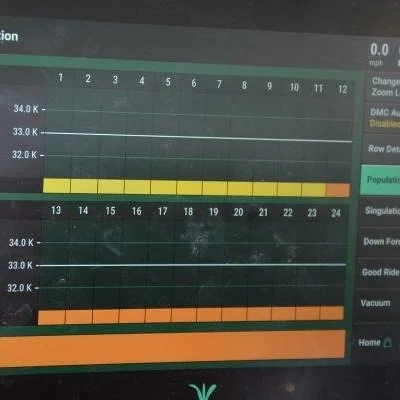
The spring like weather of February extended into March, and farmers across Louisiana got busy planting their corn crop. In fact, corn planting is entering the final stages, and LSU AgCenter reporter Craig Gautreaux has this report from central Louisiana.
Read More
Soil Health, Water Quality Best Management Practices Field Day Set For March 30
The LSU AgCenter will host a field day featuring the latest research on soil health and water quality best management practices March 30.
Registration for the event will begin at 8:30 a.m., and the program will start at 9 a.m. at the Northeast Research Station, located at 4589 Highway 605 in St. Joseph.
Read More
LSU AgCenter Scientist Part Of Award Winning Nematode Management Coalition
As a nematologist with the LSU AgCenter, Tristan Watson is accustomed to his work earning the recognition of scientific organizations. Now he can add a public relations accolade to his résumé, too.
Read More
Grain Sorghum Hybrids For Grain In 2023
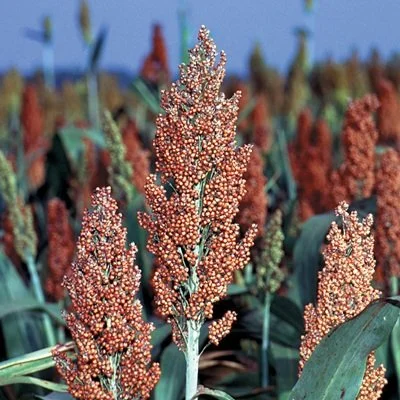
Grain sorghum hybrid performance is annually evaluated in official hybrid trials (OHTs) by LSU AgCenter researchers to provide Louisiana growers, seedsmen, county agents and consultants with unbiased performance data for grain sorghum hybrids submitted for evaluation by private companies. Selection of superior hybrids that are well adapted for a given region is essential for maximizing yield and profit.
Read More
Louisiana's 2023 National FFA Officer Candidate
The pinnacle of student leadership in the FFA is serving as a National FFA Officer. Of the more than 850,000 FFA members across the nation, only six are chosen each year to represent the organization as National Officers. Recently, Louisiana FFA selected Kaleb LeMoine as its 2023 candidate.
Read More
2023 Planting Underway, New Farm Bill On Horizon
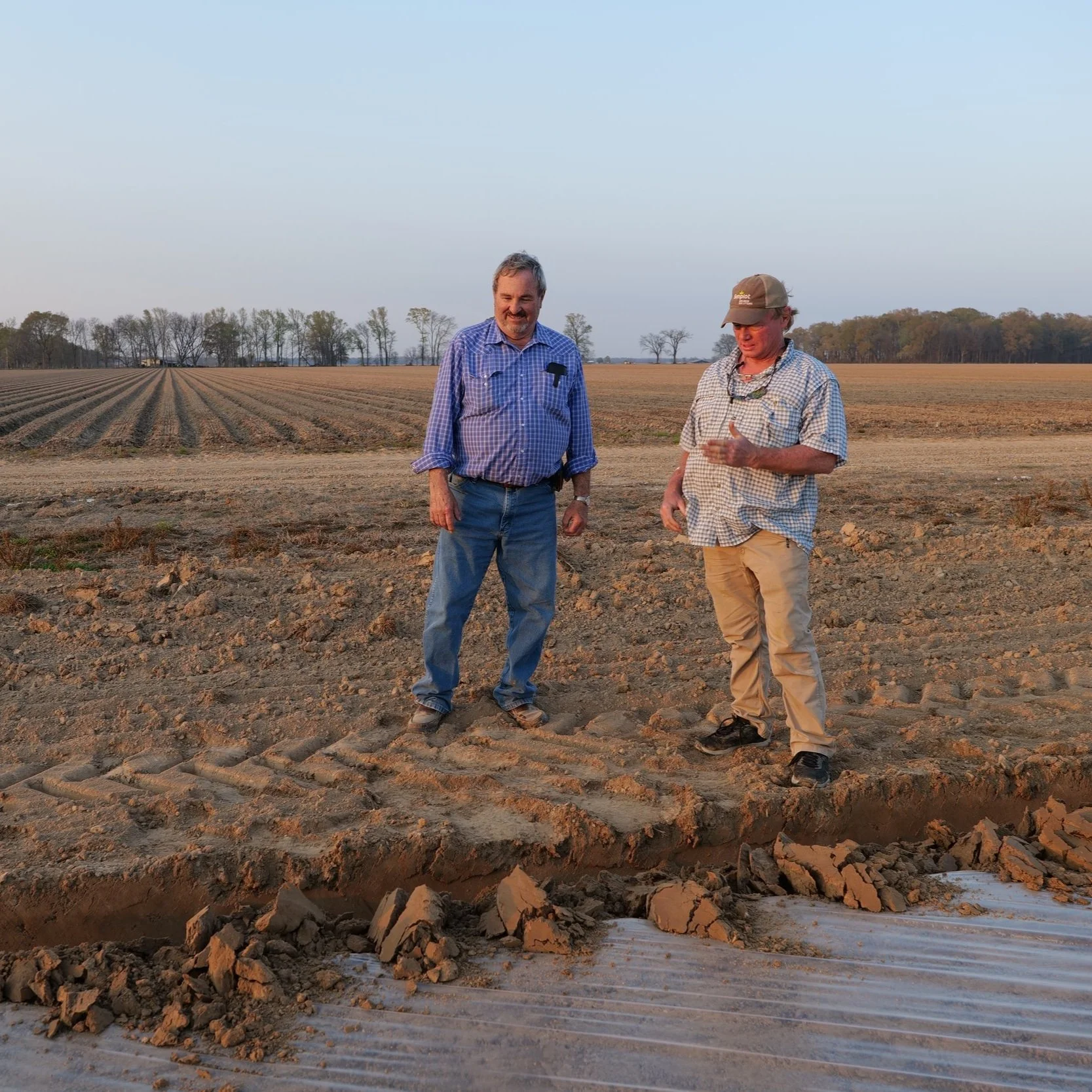
Seeds are taking root in fields across Louisiana following a relatively warm winter, and spring calving season is almost complete.
While spring signals a new year for commodities, agriculture is a year-long effort in Louisiana. Before the first seeds are planted, LSU AgCenter researchers and extension agents are working to ensure that those seeds meet success.
Read More
Forestry Forum Set For March 17 In Hammond
The annual Florida Parishes Forestry Forum will be held March 17 at the Lynhaven Event Center located at 21660 Old Covington Highway.
LSU AgCenter extension forester Whitney Wallace said the meeting will last from 8 a.m. to 3 p.m., and the theme for this year’s forum is post-hurricane forest management.
Read More
Crop Market Report: February, 2023
This month’s 2022/23 U.S. corn outlook is for lower corn used for ethanol and larger ending stocks. Corn used for ethanol is reduced 25 million bushels, based on data through December from the Grain Crushings and Co-Products Production report and weekly ethanol production data as reported by the Energy Information Administration for the month of January.
Read More
Evaluating Soybean Planting Dates In Louisiana
Recent data suggest the optimum planting timing for soybean in central and north Louisiana is between late-March to mid-April.
The LSU AgCenter continues to research soybean planting dates to see if it is economical to plant earlier or later than the optimum time.
Read More
Louisiana Crops Newsletter: March 2023
With corn planting occurring rapidly throughout the state, I’ve received numerous questions about how an Easter cold snap may impact emerged corn. The effect of frost on emerged corn is mainly damage to the leaf tissue. Within the first 24 hours after the frost event, corn leaves may turn yellow or brown and exhibit a water-soaked appearance.
Read More
AgCenter Food Scientist Honored For Service In Native Thailand
For more than a quarter of a century, LSU AgCenter food scientist Witoon Prinyawiwatkul has regularly returned to his native Thailand to help grow two universities and develop dozens of students who wish to follow his path.
At the AgCenter, Prinyawiwatkul — the Horace J. Davis Endowed Professor in the School of Nutrition and Food Sciences — researches ways to reduce sodium in food and develops the uses of insects for human consumption.
In visits to Thailand each year, he has shared his knowledge by teaching more than 120 short courses and workshops, consulting with food science programs and advising students.
“I want to give back to my country,” he said.
Read More
Geaux Beef Heifer Development Program Aims To Improve Female Cattle Development
Each year beef cattle producers face decisions over whether to cull females from their herds because of decreased productivity, illness or injury, age and many other factors. Along with culling comes the decision to replace these females with heifers — young females that have not yet given birth to a calf — to maintain herd size and productivity. It is not uncommon for producers to have a replacement rate of 15% to 20% annually.
Read More
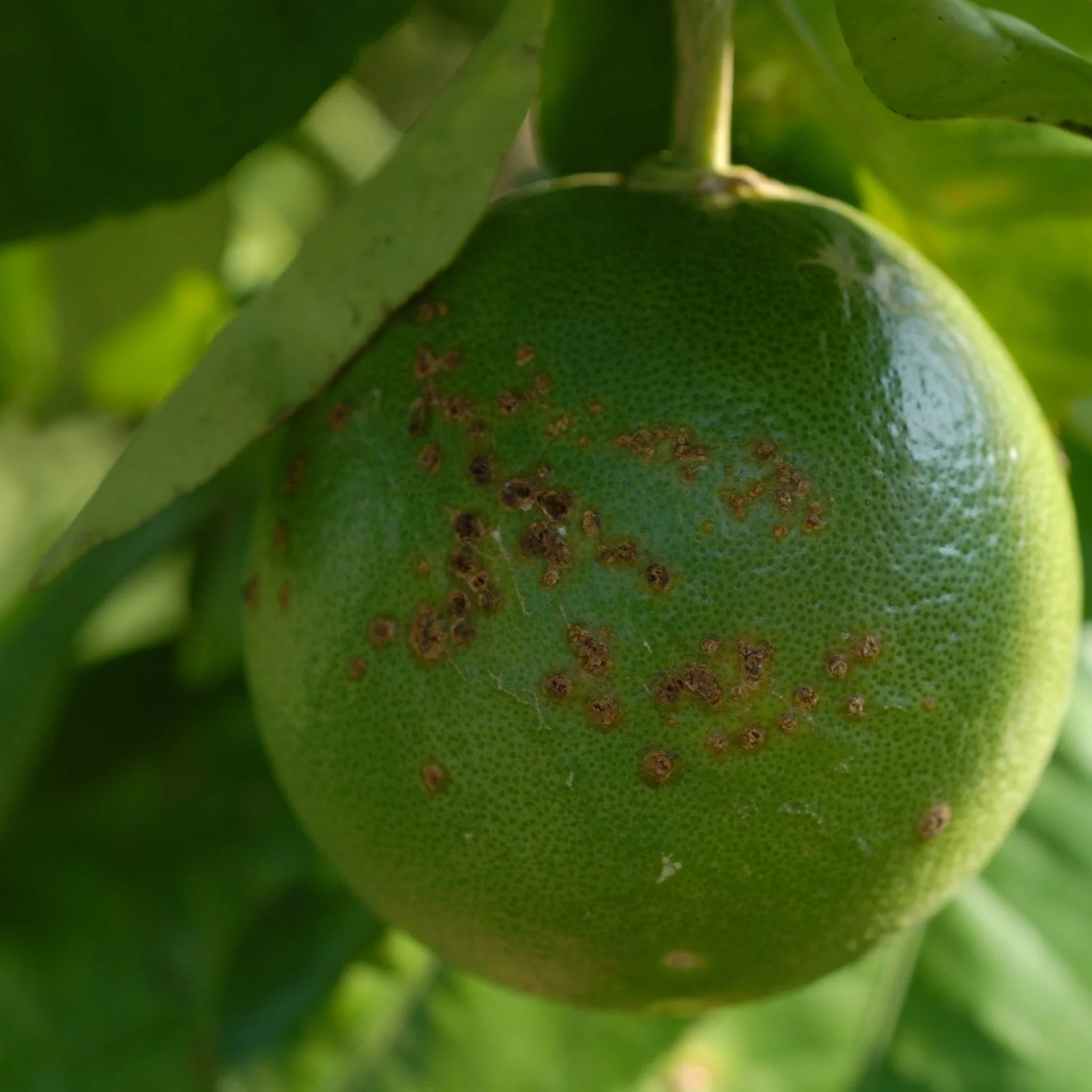
Invasive Plant Diseases Threatening Louisiana Specialty Crops
Louisiana’s hot and humid climate, long growing season with mild winters and its unique geographical location provide perfect breeding grounds for introduction and establishment of invasive plant diseases. Among some of the most important invasive plant diseases threatening Louisiana specialty crops detected during the past decade are boxwood dieback, citrus canker and palm phytoplasmas.
Read More
AgMagic Returns To Baton Rouge, Greater New Orleans This Spring
The LSU AgCenter’s AgMagic event, which educates visitors about the importance of agriculture, will return to Baton Rouge and Greater New Orleans this spring.
For almost two decades, this annual, free event has taken thousands of children and adults alike on an interactive journey through several facets of Louisiana agriculture.
Read More
Three Inducted Into the Louisiana Agriculture Hall of Distinction
Three individuals who have spent their careers dedicated to improving agriculture in Louisiana are the newest inductees into the Louisiana Agriculture Hall of Distinction. The induction too place place at the L’Auberge Hotel in Baton Rouge last night.
Read More