Whether it was bull riding or barrel racing, a group of children with special needs go to experience the thrill of competition in their very own rodeo. LSU AgCenter reporter Craig Gautreaux was there for the excitement and has this report.
Read More
Whether it was bull riding or barrel racing, a group of children with special needs go to experience the thrill of competition in their very own rodeo. LSU AgCenter reporter Craig Gautreaux was there for the excitement and has this report.
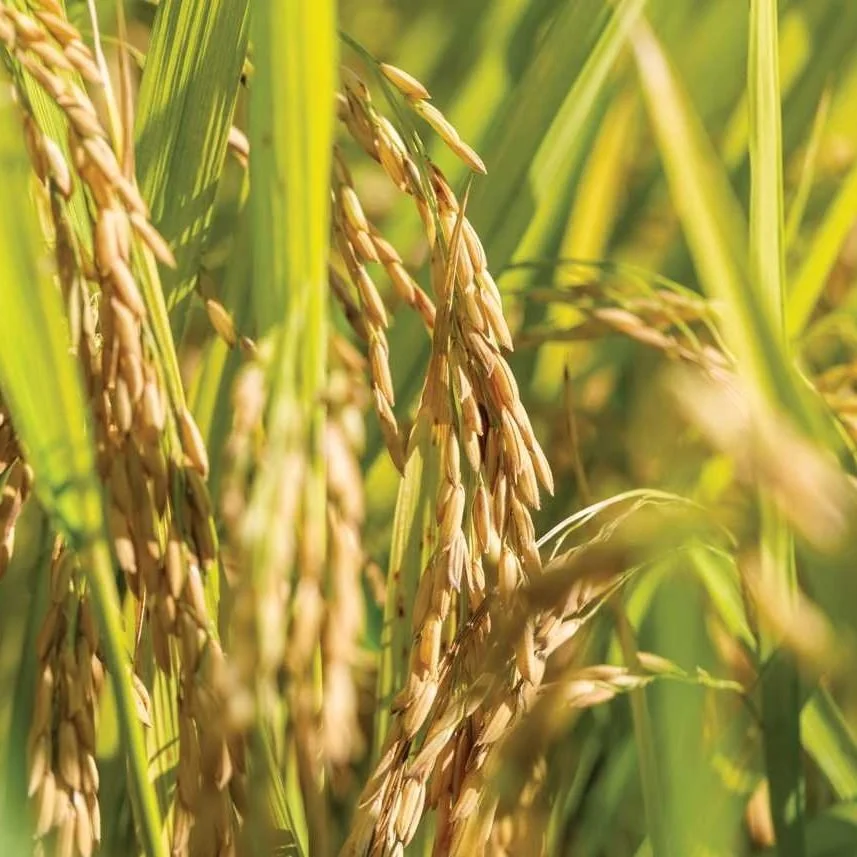
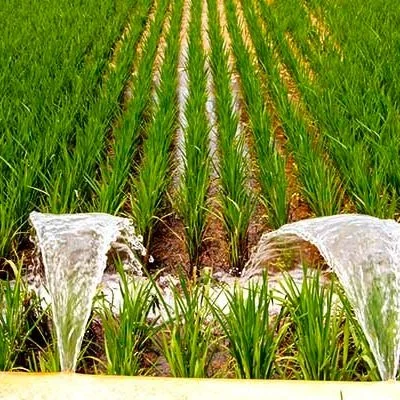
Read MoreAn LSU AgCenter scientist has been awarded a $10 million grant from the U.S. Department of Agriculture National Institute of Food and Agriculture to improve sustainability and profitability of rice farming through research innovations that advance climate-resilient crops.
Read MoreThe LSU AgCenter – MENDELU Food Symposium 3.0 will take place March 20 – 24, 2023 in Efferson Hall on the LSU campus.
Read MoreThis guide includes helpful information on herbicides and weed control with detailed suggestions for aquatics, commercial nursery stock, field crops, forestry, fruit crops, home gardens, lawns and many other Louisiana crops. It includes information on different types of herbicide registrations, as well as information on herbicide labels and restricted uses. Also included are sprayer calibration techniques, suggestions for reducing herbicide drift and a guide to proper spray tip selection.
Read MoreThis guide was compiled by LSU AgCenter experts and includes regulations, precautions and suggestions for pest control in Louisiana. Detailed topics include drift of pesticides, hazards of pesticides to beneficial insects and wildlife, phytotoxicity and use of beneficial insects to control pest populations. A section on organic gardening also is included.
Read MoreThis guide contains suggestions for management of the most important or more prevalent diseases of Louisiana plants. It includes information on fungicides, bactericides and nematicides, as well as safety precautions for using them. Special features include:
Suggestions for seed treatment of field crops and vegetables
Soil fumigants, fungicides and decontaminants for greenhouses
Appendix of trade names of fungicides and nematicides used in the guide
Names and formulations of fungicides and nematicides used in the guide.
There are two new soybean factsheets published on the Soybean Research and Information Network (SRIN). These factsheets were written by a national group of soybean agronomists.
Read MoreLSU researchers are conducting a first-of-its-kind study exploring carbon transport in the Mississippi River that may lead to global applications.
For the past ten years, LSU hydrologist Yi-Jun Xu has been studying dissolved carbon transport along the Mississippi River system to the Gulf of Mexico, as well as the emission of carbon into the atmosphere.
Read MoreU.S. Secretary of Agriculture Tom Vilsack issued secretarial disaster declarations for an additional five Louisiana parishes due to excessive rains. Those parishes are Bossier, Caddo, Grant, Rapides and West Carroll.
Read MoreFrom the fertile soils of its farmlands to waterways that are crucial to commerce, Louisiana’s natural resources are key to the success of agriculture — and those involved in the industry have a duty to protect them, Gov. John Bel Edwards told a luncheon crowd of farmers, scientists and others Jan. 31.
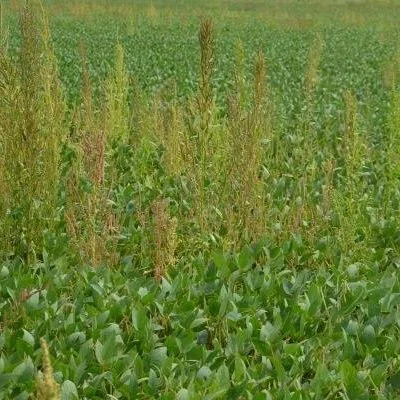
Read MoreWeeds are the largest economic threat to agriculture as a whole, whether in row crops, aquatics, rangelands or pastures. In Louisiana, the same conditions that help crops flourish also bring weeds. The long growing season, warm weather and high levels of precipitation allow weeds to emerge and set seeds over longer periods of time. A wide variety of soil types and agricultural systems also means a wide variety of weeds.
Read MoreIt’s decision-making time for Louisiana rice producers, and researchers at the LSU AgCenter offer a bevy of tools to help them figure out what, when and where to plant.
AgCenter extension agents and faculty members hosted rice production meetings throughout the state’s southwest region including Welsh on Jan. 3, Vidrine on Jan. 4, Crowley on Jan. 5 and Abbeville on Jan. 10.
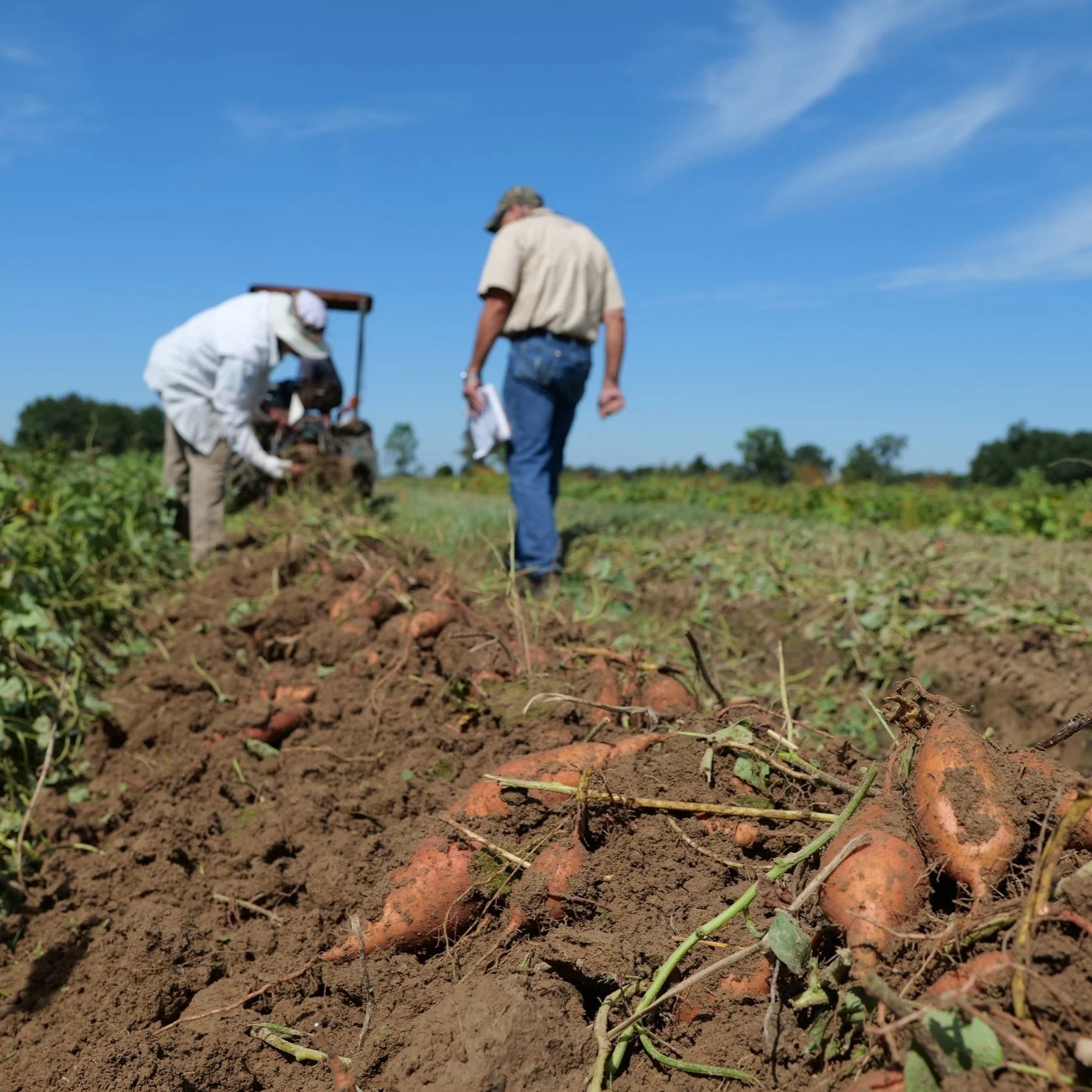
Read MoreAmid a sweet potato season hit hard by volatile weather patterns, the LSU AgCenter added a new researcher to focus on the management of diseases in Louisiana’s most lucrative food crop.
Imana Power was appointed in September as an assistant professor in the Department of Plant Pathology and Crop Physiology. She is gearing her work toward developing disease resistance, producing “clean” plants and minimizing cultivar decline in sweet potatoes.
Read MorePeople interested in becoming a Louisiana Master Farmer can take the first step toward certification by attending one of five upcoming training sessions scheduled for locations across the state or completing a new online module.
These trainings comprise the first phase of the Louisiana Master Farmer Program, which aims to improve agricultural productivity and sustainability. The second phase requires participants to attend a field day or workshop, and the third phase requires them to develop and implement comprehensive conservation plans for their farms.
Read MoreThe LSU AgCenter recently filled two positions to support Louisiana’s forestry industry.
Read More