May, 2021, Louisiana Crops Newsletter
Read More
May, 2021, Louisiana Crops Newsletter
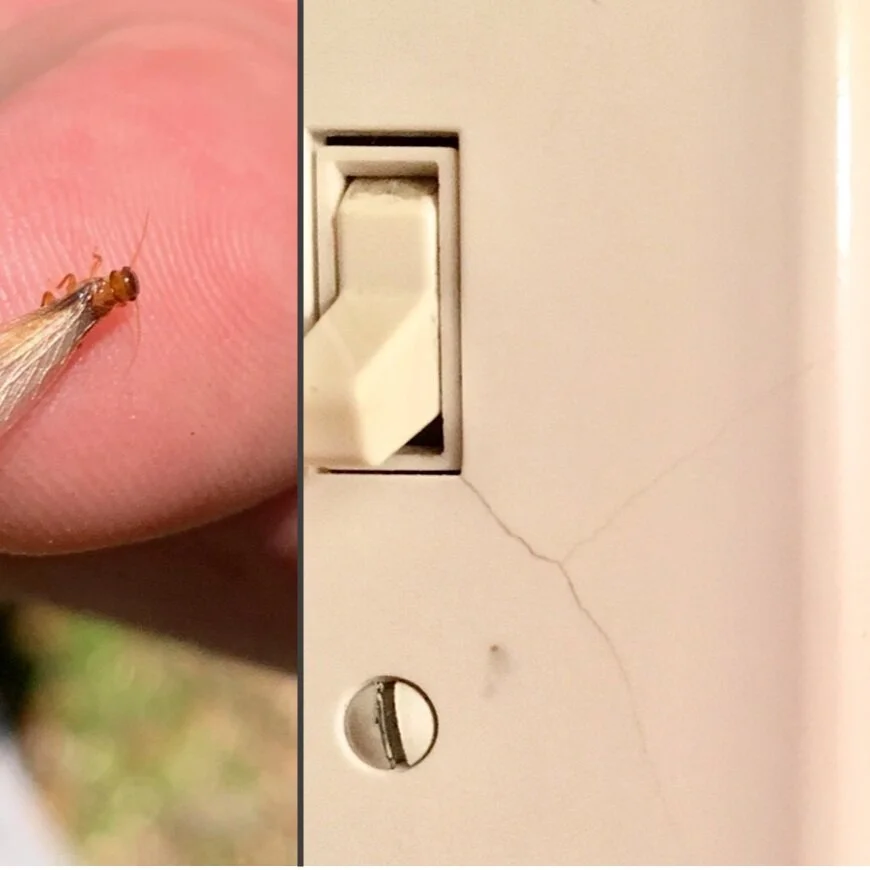
Read MoreIn Louisiana, termites tend to begin swarming the closer it gets to Mother’s Day.
LSU AgCenter urban entomologist Qian “Karen” Sun says beginning in late April and going through June, termite alates, or swarmers, will be congregating around lights after dark.
“When Mother’s Day is celebrated, it is also the time of the year when the Formosan subterranean termites swarm and spread their colonies,” she said. “The swarm peak in early to mid-May.”
Read MoreTypically at this time of year, the LSU AgCenter 4-H staff is busy preparing for one of the youth development program’s most popular events: summer camp at the Grant Walker 4-H Educational Center in Pollock.
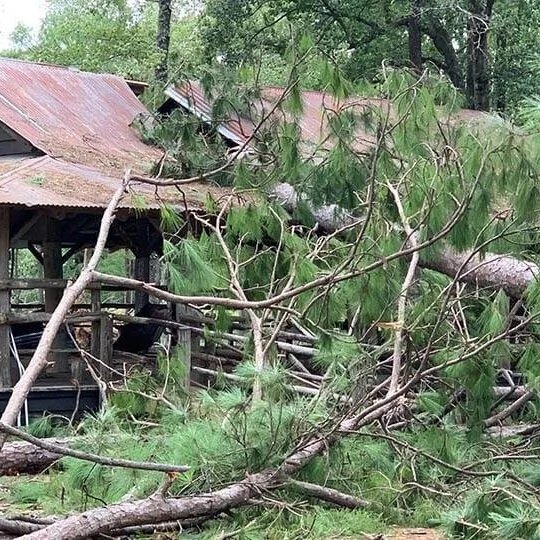
The campgrounds are unusually quiet, however, as they have been for months. Because several buildings sustained damage from hurricanes in August and October, there will be no summer camp at the facility for the second year in a row. Last year’s camp sessions were shifted to a virtual format amid the coronavirus pandemic.
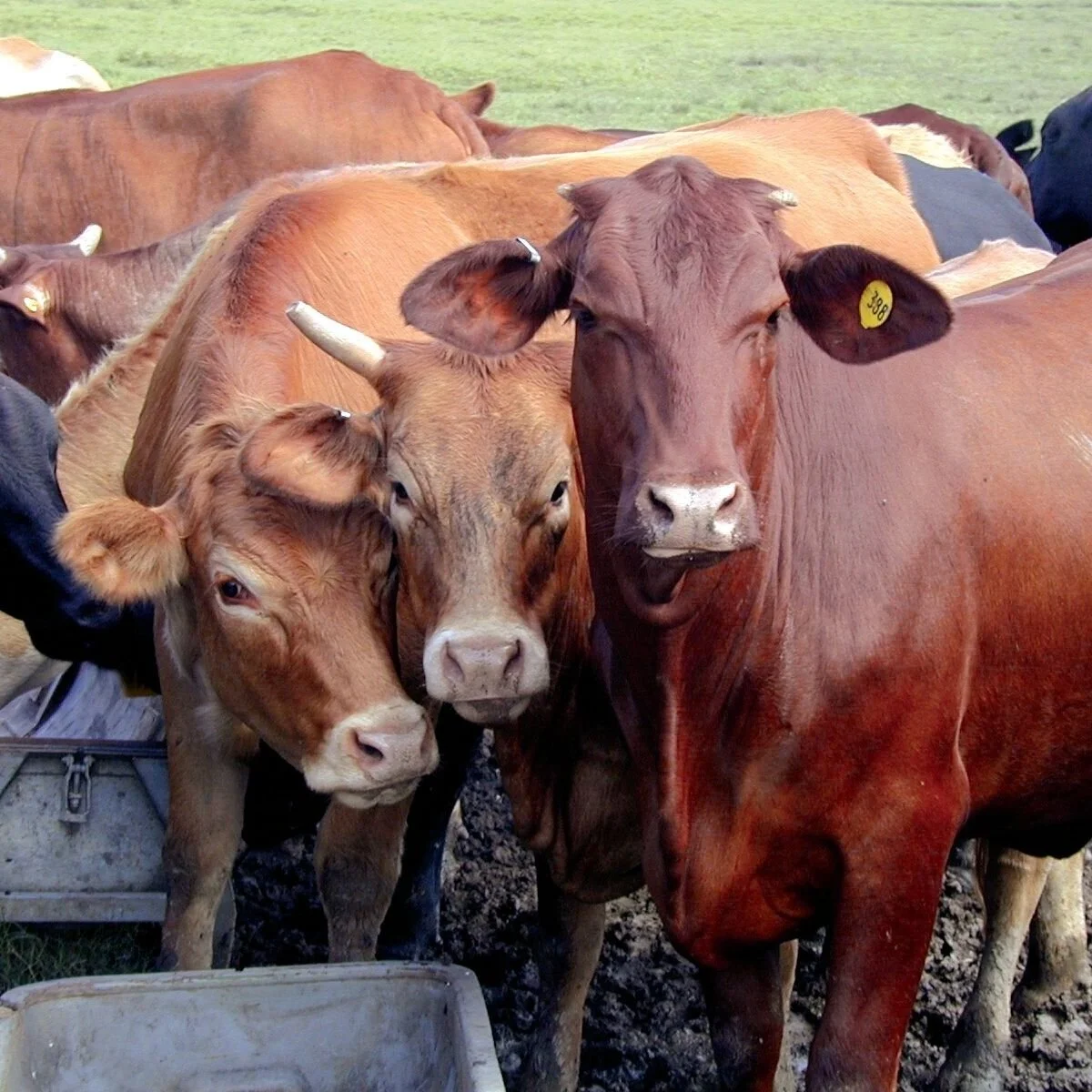
Read MoreWhen Ashley Edwards joined the LSU AgCenter in December 2019 as an extension agent and coordinator of livestock programs, she was eager to hit the road and begin visiting producers, conducting workshops and helping 4-H youth with their livestock projects.
“This was the perfect job for me,” said Edwards, who grew up on a cow-calf operation in Central Texas and participated in livestock shows.
Read MoreTwo Louisiana 4-H volunteers recently received accolades from the National 4-H Council for their tireless service to the organization.
Gloria Miller, of St. Charles Parish, was named the 2021 National Lifetime Volunteer, and Jessica Parker, of Franklin Parish, was named the 2021 Regional Volunteer of the Year for the Southeast Region.
The mission of 4-H is to provide opportunities for youth and adults to work together to create sustainable community change. This is accomplished in three primary areas: civic engagement and leadership, healthy living and science.
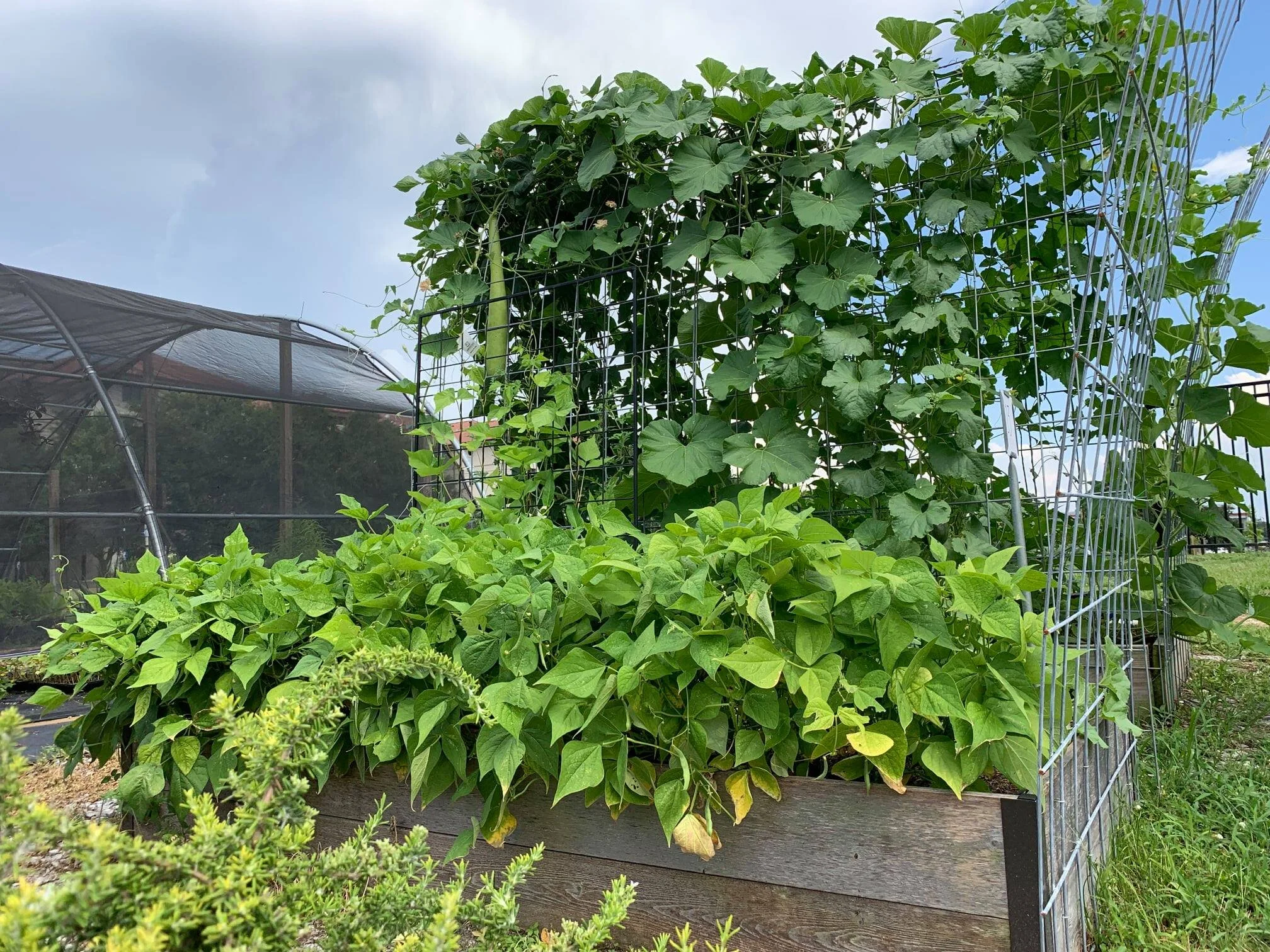
Read MoreCalling all Louisiana educators! A free School Garden Leadership Certificate Program is available on June 7-11, 2021. The course will include how to build a raised bed garden, how to understand your garden, along with incorporating the garden into your school curriculum. The morning session will take place between 9am to noon and the afternoon sessions from 12:30 pm to 3:30 pm.
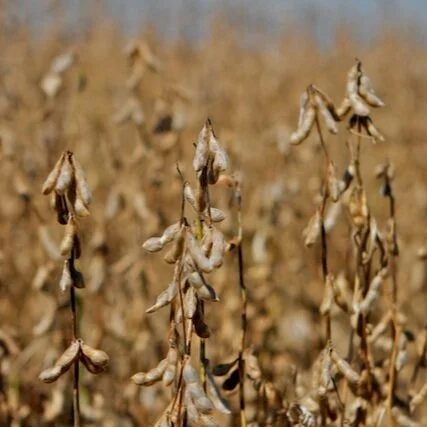
Read MoreBad weather has put Louisiana soybean farmers behind schedule, but rising prices are likely to increase acreage from last year, a Louisiana State University soybean specialist says.
Louisiana farmers have planted about 24% of the acres they plan for soybeans, compared to a 5-year average of 47% by this time, the U.S. Department of Agriculture’s National Agricultural Statistics Service reported Monday.
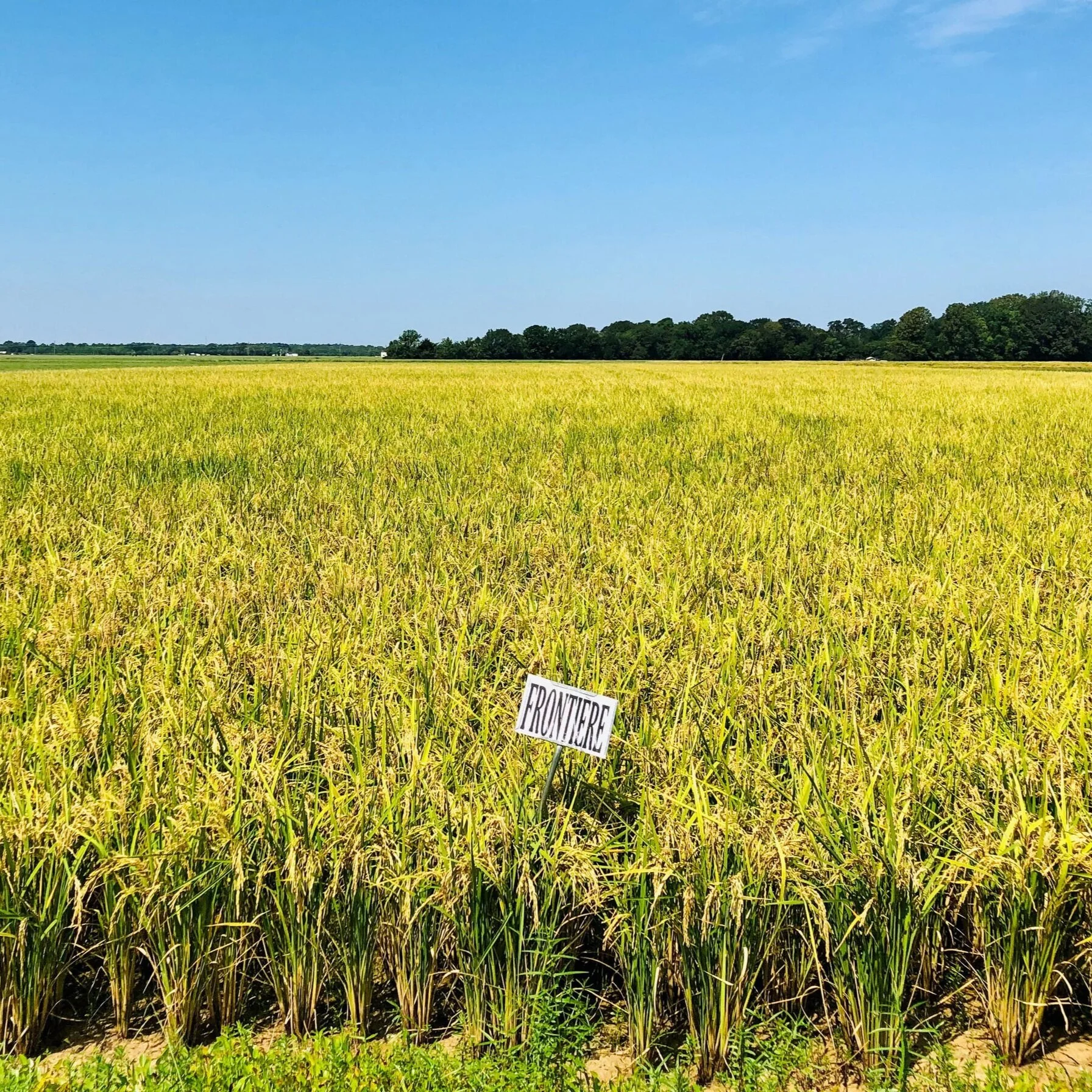
Read MoreDiabetes is a worldwide problem affecting more than 463 million people (9.3% of world population). In the United States alone, more than 34.2 million people have diabetes (10.5% of the U.S. population), and 88 million people aged 18 years or older have prediabetes (34.5% of the adult U.S. population). Worldwide, diabetes prevalence is estimated to rise to 10.2% (578 million) by 2030 and 10.9% (700 million) by 2045. Diabetes is among the top 10 causes of death in adults and has caused 4.2 million deaths globally. The key to curbing diabetes emphasizes prevention through dietary and nutrition management with the goal of maintaining stable and safe levels of postprandial blood glucose concentration. The availability of low glycemic rice can support this dietary management approach by minimizing spikes in blood sugar and insulin levels.
Read MoreThe LSU AgCenter will present three webinars in the series, Inspired by Annie's: Farm Stress and Wellness. The discussions will address stress resiliency of farmers and ranchers in Louisiana, according to Maria Bampasidou, LSU AgCenter Annie’s Project state coordinator and assistant professor of agricultural economics.
Annie's Project is a national initiative dedicated to providing educational programs designed to strengthen women's role in their farming operations.
“Understanding stress and its nature, factors influencing stress on the farm and the consequences of farm stress is key for handling stress,” Bampasidou said.
Read MoreThere was great concern among Louisiana sugarcane farmers that the record cold temperatures at Mardi Gras would cause significant damage. It doesn’t appear the crop suffered any long-term effect from the freeze, but a cool, wet March and April has limited growth.
According to Kenneth Gravois, LSU AgCenter sugarcane specialist, damage was limited to a few isolated fields.
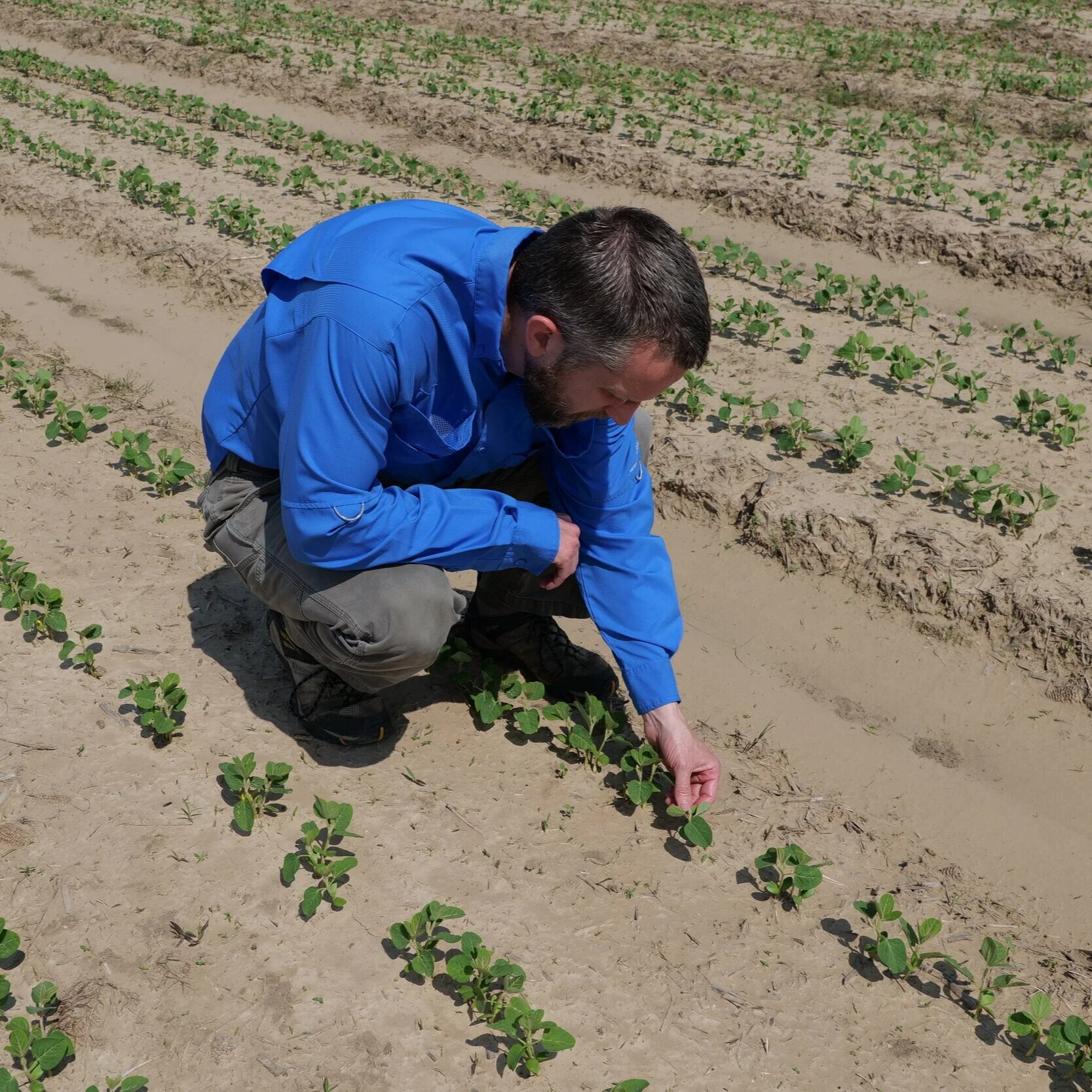
Read MoreWet weather and cooler temperatures have put Louisiana soybean planting behind schedule. The optimum planting date for soybeans in the state is mid-May, and growers will be hard pressed to meet this deadline. LSU AgCenter reporter Craig Gautreaux has the story.
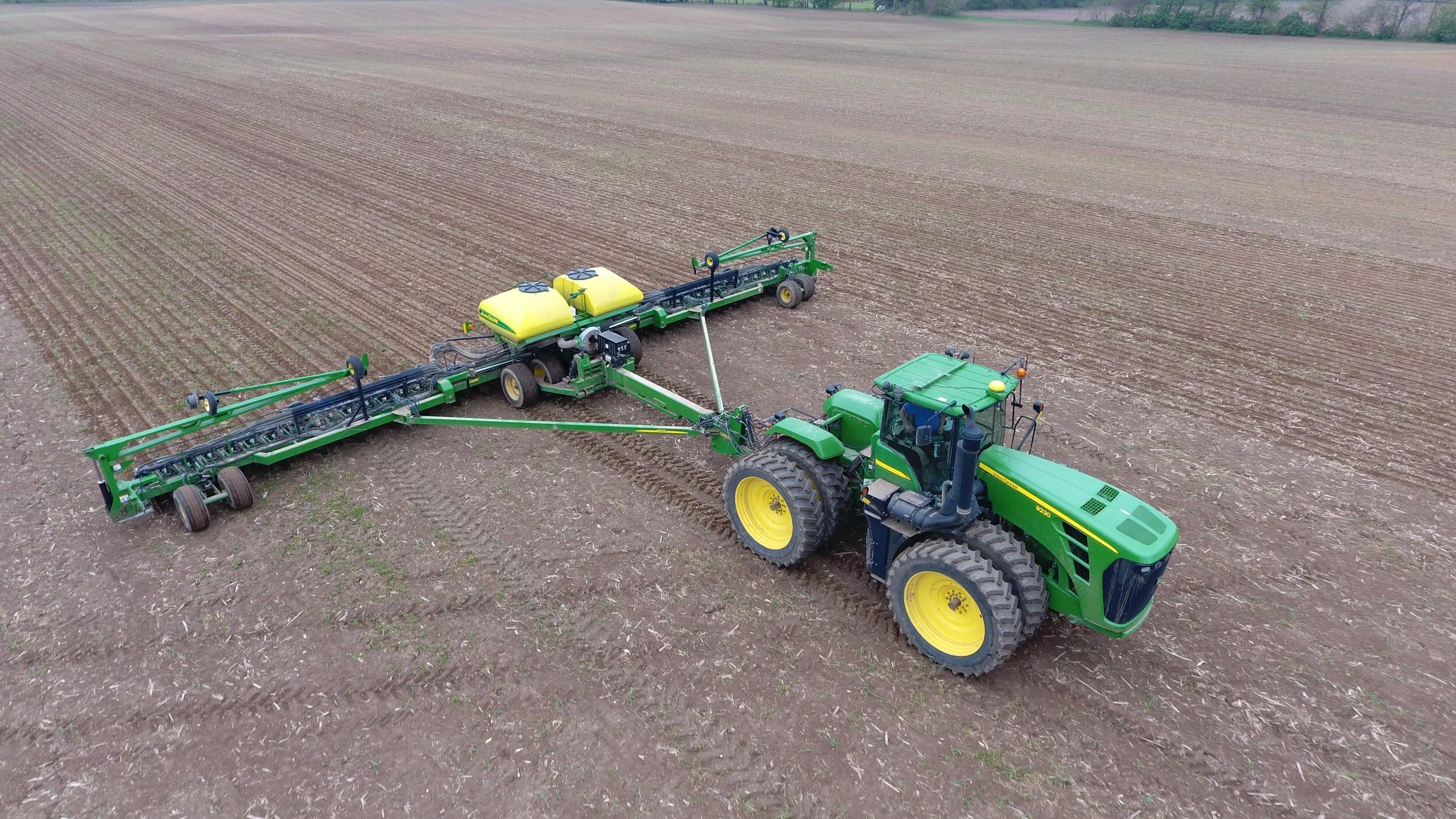
Read MoreWhen they can, Louisiana soybean farmers have been busy planting as many acres as the weather allows. Unfortunately, many producers have not been able to get in their fields as often as they would like.
According to a May 3 report from the U.S. Department of Agriculture National Agricultural Statistics Service, approximately 24% of the state’s intended soybean acres had been planted. The five-year average for this date is 47%.
Read MorePlanting season for area crops has been “hit and miss” due to uncooperative weather, said Carol Pinnell-Alison, LSU County Extension agent.
With corn planting season complete, farmers are busy fertilizing and performing weed control between rain showers on the crop.
Area farmers planted some 98,000 acres of corn last season, up from the previous year’s total of 72,000, according to Farm Service Agency (FSA) certified acreage numbers.
Read MoreThe economic impact on direct farm-level production costs from replanting soybeans can result in an increase in the number of bushels that will be required to offset the incurred production expenses associated with replanting field operations.
The severity of this will depend on the type of soybean technology employed, as differences in the prices for seed, seed treatments and seeding rate can influence the replanting costs and, hence, the number of additional bushels required at harvest to offset those costs.
Read More