Warm, Rainy Weather Brings Vegetable Plant Diseases
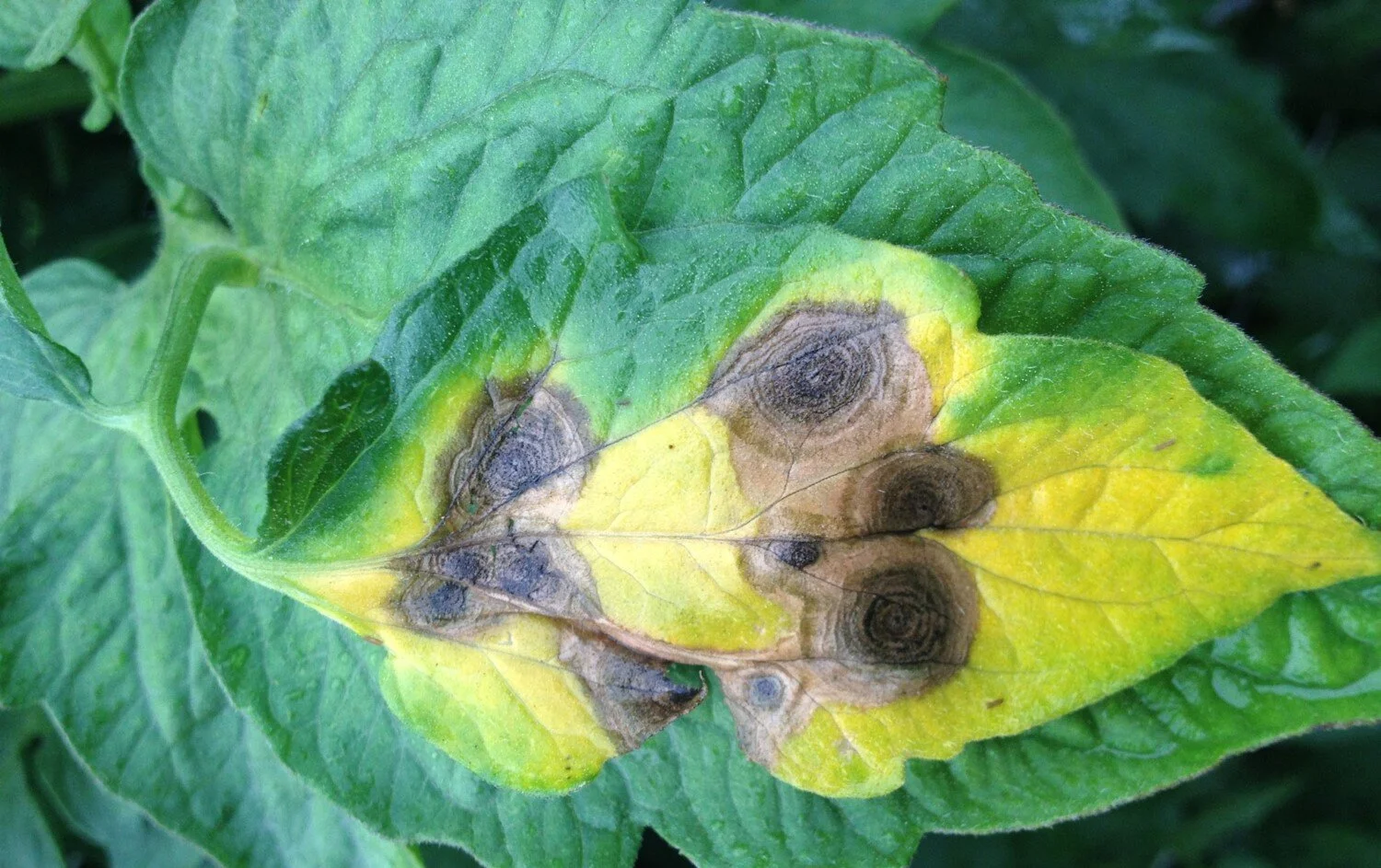
Current weather conditions may present Louisiana vegetable growers with great challenges to combat plant diseases.
Raj Singh, director of the LSU AgCenter Plant Diagnostic Center, said vegetables are susceptible to a wide variety of plant pathogens, including, fungi, water molds, bacteria and viruses.
Read More
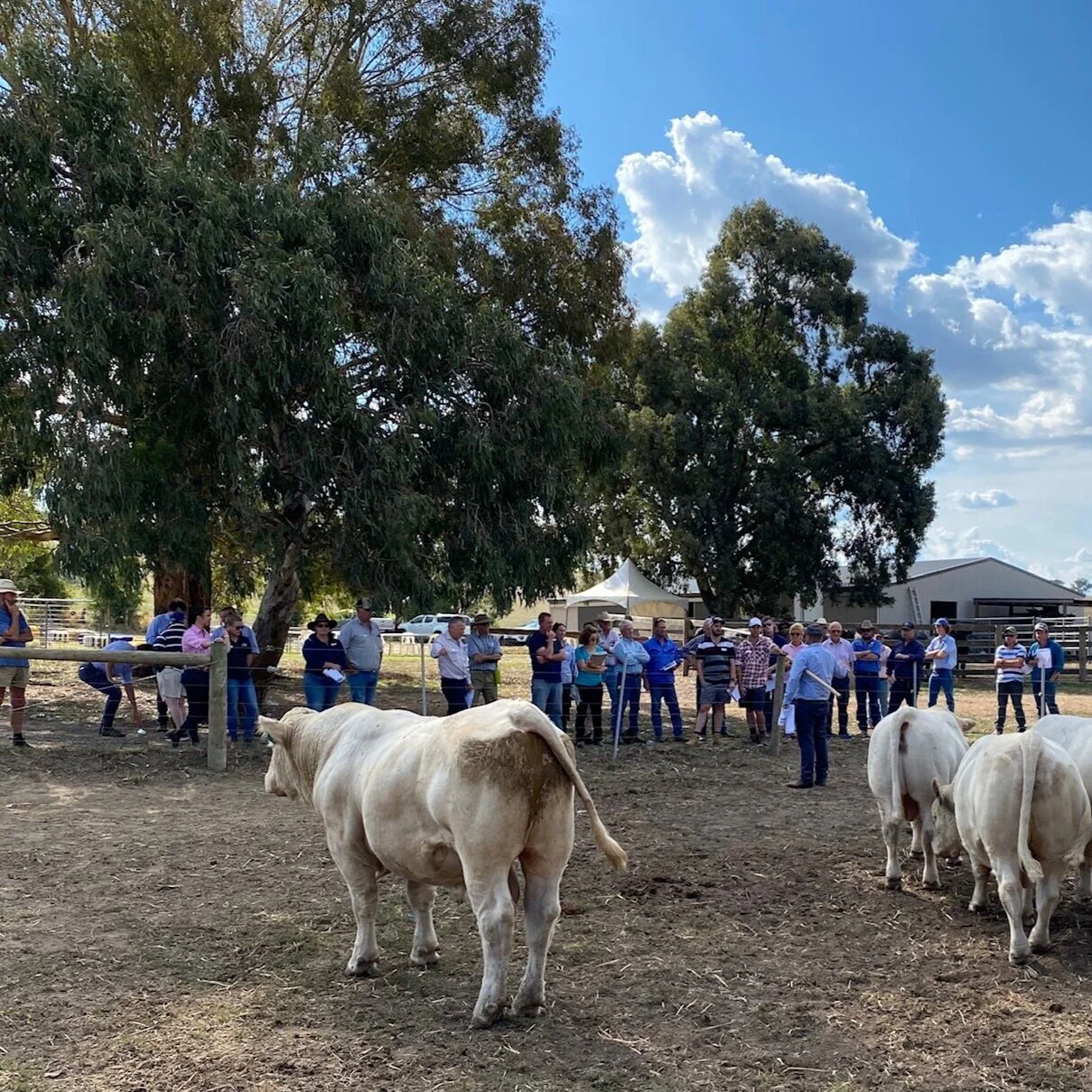
Agents Go Online With Beef Brunch Educational Series To Help Livestock Industry During The Pandemic
The capability to host workshops, seminars, field days and other in-person events has historically been fundamental in demonstrating hands-on management techniques and fostering communication with livestock producers. However, when faced with the inability to hold these events during the COVID-19 pandemic, LSU AgCenter livestock specialists and agents turned to alternative platforms to ensure continued interaction with producers and industry members. Onset of the pandemic created turmoil in many aspects of life, including the beef cattle industry and markets.
Read More
New Orleans Brewery Canning Rice Wine, Plans Expansion
A member of a New Orleans restaurant family is brewing the Japanese rice wine called sake from grain grown at Louisiana State University, the LSU AgCenter says.
Brennan family member Lindsay Beard and business partner Nan Wallis say they want to change the image of sake (SAH-kee) from that of an exotic drink paired with Asian food, they said in an LSU AgCenter news release.
Read More
Off-Target 2,4-D Choline And Dicamba Impacts On Sweet Potatoes
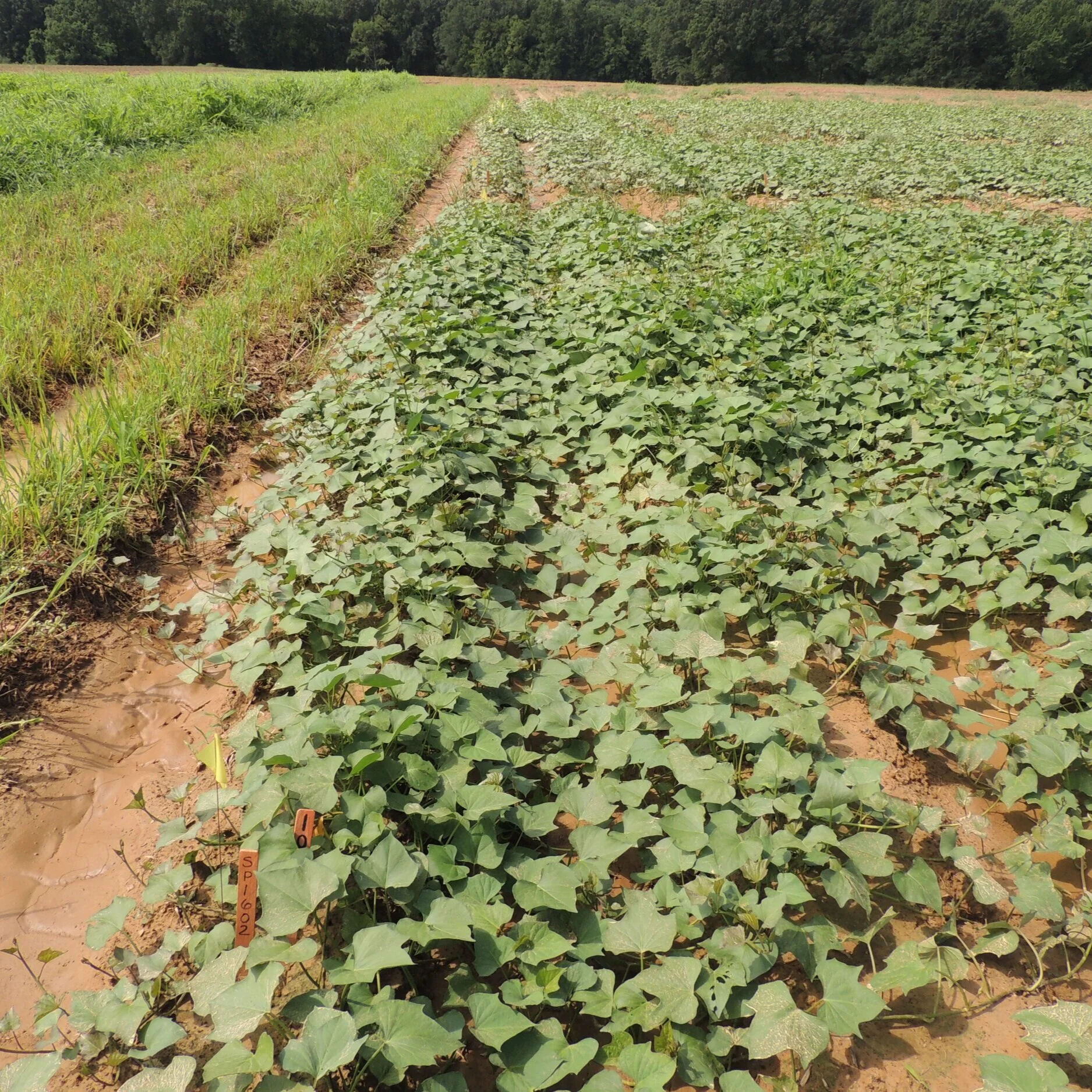
In 2020, Louisiana producers harvested 6,557 acres of sweet potatoes with an estimated yield of 480 bushels per acre. Production and packing fresh market costs were approximately $4,000 per acre to $4,600 per acre, while production costs for the processing sector were approximately $2,300 per acre prior to storage. Given this high level of production costs, there is little margin for error from movement of herbicide intended for target weeds in tolerant crops to sweet potatoes grown in close proximity, which is known as off-target movement.
Read More
McNeese Student, Hunter Leprertre, Selected For Broussard Research Internship
Hunter Lepretre, a junior at McNeese State University, has been chosen as the first student selected for a research internship with the LSU AgCenter through an endowment established by the family of Charles and Rose Broussard.
Lepretre will begin the paid internship in May at the H. Rouse Caffey Rice Research Station, working in the agronomy research project under Dustin Harrell, LSU AgCenter agronomist and resident coordinator of the Rice Research Station.
Read More
Rain Puts the Brakes on Rice Planting
Rice planting is wrapping up in south Louisiana, but wet weather has kept farmers out of the fields in the north.
“It’s moving along pretty fast,” said Todd Fontenot, LSU AgCenter agent in Evangeline Parish. “A lot of rice has been planted in a short period of time.”
Read More
Variety Testing: A Critical Component For Sustainable Production Systems
New row crop varieties — soybeans, wheat, rice, corn, cotton, grain sorghum, sweet potatoes and sugarcane — are released annually by private companies and university breeding programs. Each variety can vary dramatically in yield potential, agronomic traits such as maturity, and resistance to insects, diseases and environmental stress factors. It is important to note a variety with high yield potential at one location may not be competitive in another location because of a lack of adaptability to different environments, including weather patterns, soil characteristics, disease pressure and cropping systems. Furthermore, a variety achieving a high yield or quality one year may not perform as well the next year at the same location because of yearly changes in the environment, such as rainfall or disease patterns.
Read More
Sensor Based Prediction Of Cover Crops Biomass And Nutrient Recovery
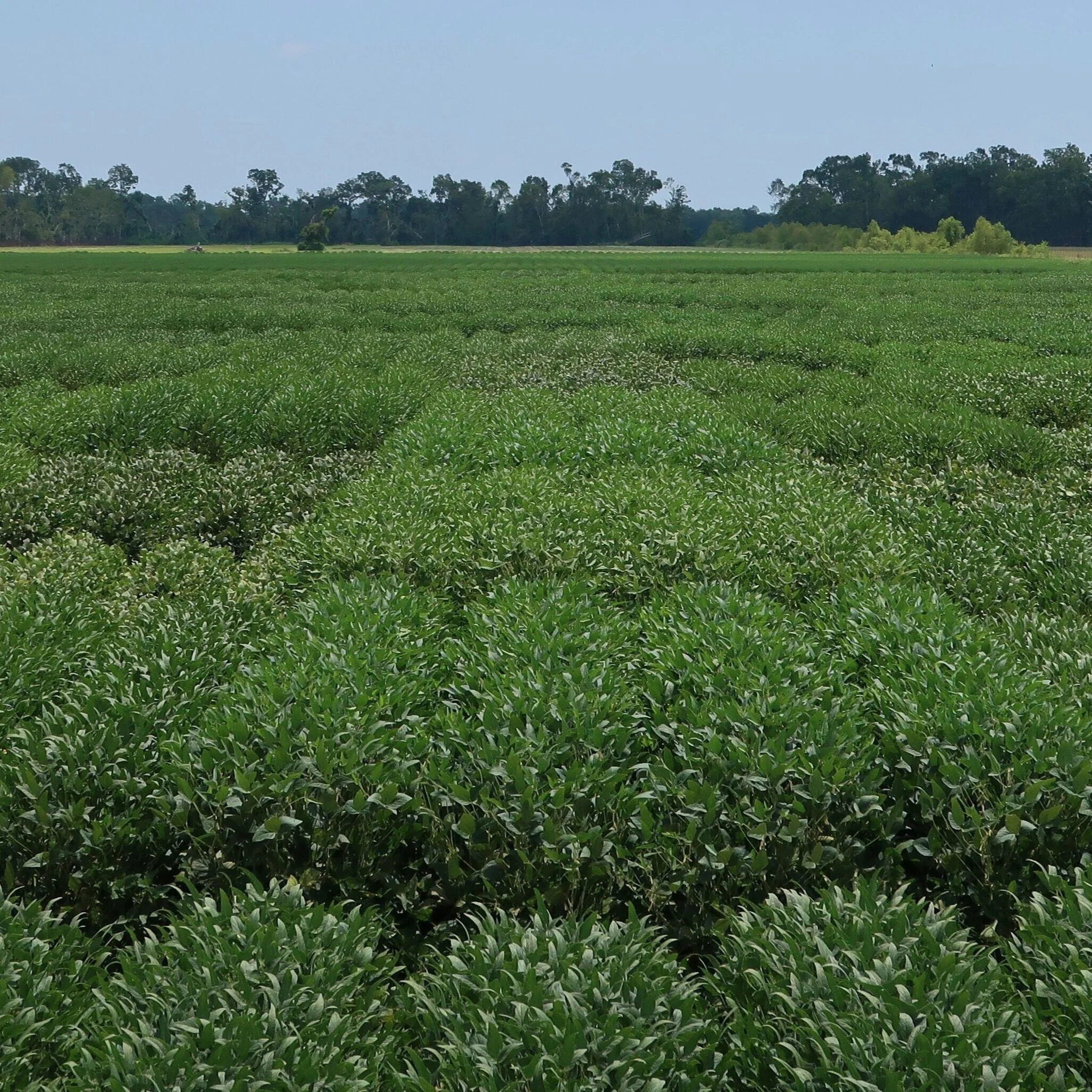
Cover cropping provides a host of benefits that with years of repeated practice can pay off with high crop yields, reduced input costs and healthier ecosystems. Cover crops are grown not for short-term economic gain but for the benefits they provide for the subsequent main crops. Cover crops create biomass that protects bare soils against runoff and erosion, smothers weeds, helps control diseases and improves soil fertility. Thus, the benefits from cover crops rely heavily on biomass.
Read More
LSU AgCenter Beef And Forage Field Day Videos Available To View
Videos are now available for the LSU AgCenter virtual 2021 Beef and Forage Field Day from the Dean Lee Research and Extension Center.
Mike Salassi, LSU AgCenter program leader for plant and animal sciences, said the virtual format was necessary because of the ongoing pandemic.
The presentations can be viewed at: https://bit.ly/2Q02WAF.
Field day presentations include talks from LSU AgCenter experts:
Read More
Louisiana Crops Newsletter April, 2021
Louisiana Crops Newsletter, April, 2021
Read More
Deadline to Register for ASPIRE Summer Internship Program is April 23
The April 23 deadline for students to register for the LSU AgCenter ASPIRE summer internship program is quickly approaching.
The ASPIRE Project engages undergraduates in agricultural-related internships in research, extension, and teaching, with mentorship from faculty in the AgCenter and the LSU College of Agriculture.
Read More
Milestone in LSU AgCenter research: Horses Treated to Ovulate Early Give Birth to Healthy Foals
For decades, LSU AgCenter researchers have sought to alter female horses’ reproductive cycles to help them become pregnant earlier and give birth at the beginning of the year to meet the needs of the competitive racing and show horse industry.
While Erin Oberhaus, an equine physiologist with the AgCenter, had successfully caused mares to ovulate and become pregnant months ahead of Mother Nature’s schedule, no foals were born using these methods until last month.
Read More
Feral Hog Baits Showing Promise
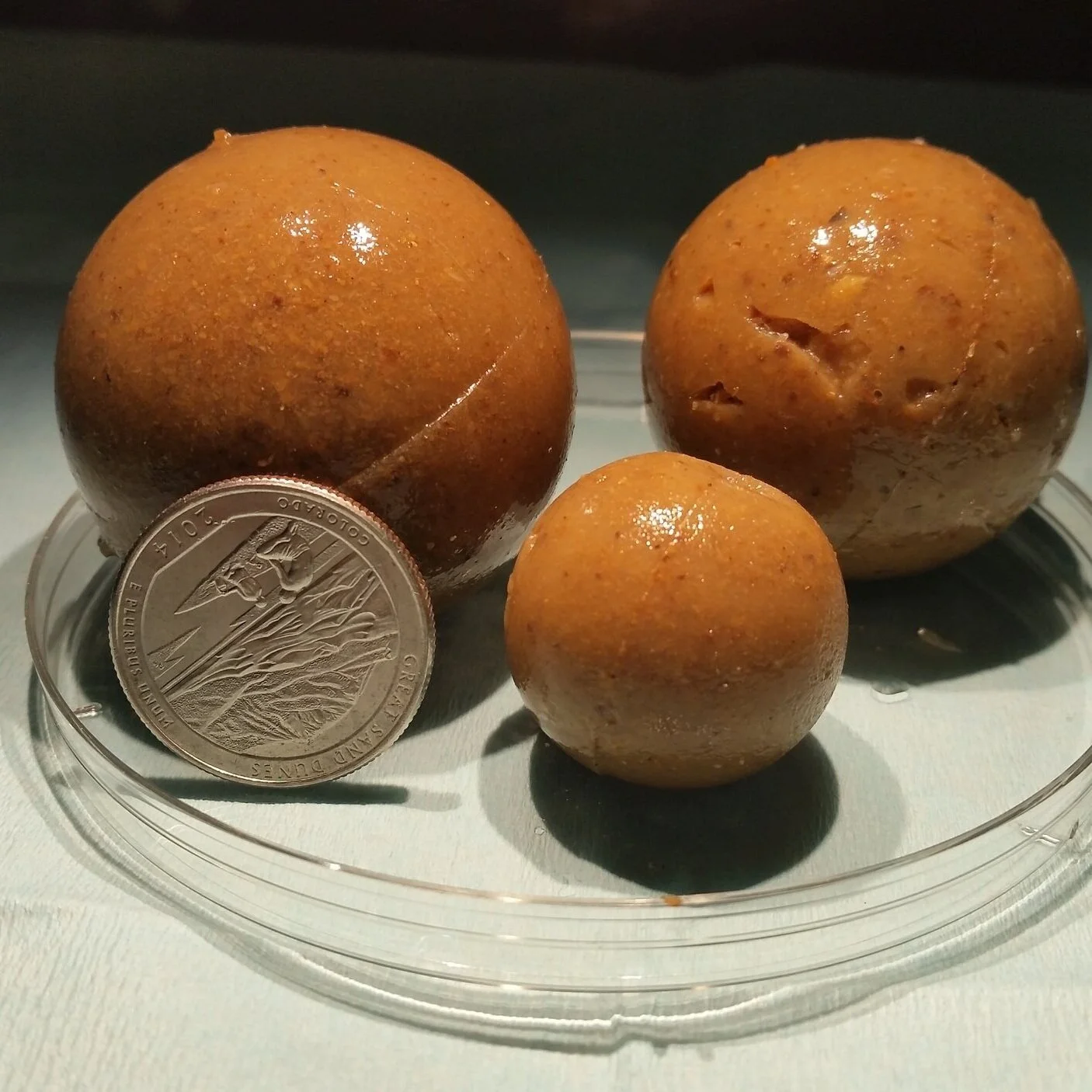
Feral pigs are a nuisance in many areas of the country, causing billions of dollars in damage. Scientists with the LSU AgCenter and the LSU Department of Chemistry are working on a bait and delivery system to help reduce the population of feral hogs.
Glen Gentry, LSU AgCenter feral hog specialist, and John Pojman, a chemistry professor, have been working for more than two years on perfecting a bait and delivery system that minimizes the risk to off-target animals.
Read More
Louisiana Soybeans: 2021 Planting Beginning About a Week Behind
The soybean planting season in Louisiana has had a slow start in 2021 due to weather conditions. The USDA-NASS report on March 28 indicated there were no soybean acres planted, where normally 2% of the soybean crop would have been planted. The ice storm in mid-February slowed down field preparation and weekly rains kept fields too wet to plant.
Read More
2021 Prospective Plantings & Quarterly Grain Stocks Summary
In an effort to better understand planting intentions ahead of actual planting, the USDA annually sends out approximately 80,000 surveys to farmers in the first two weeks of March. On Wednesday, March 31st , the USDA released their annual planting intentions report for major agricultural crops in the U.S. for the 2021/22 crop year.
Read More