Sensor Based Prediction Of Cover Crops Biomass And Nutrient Recovery
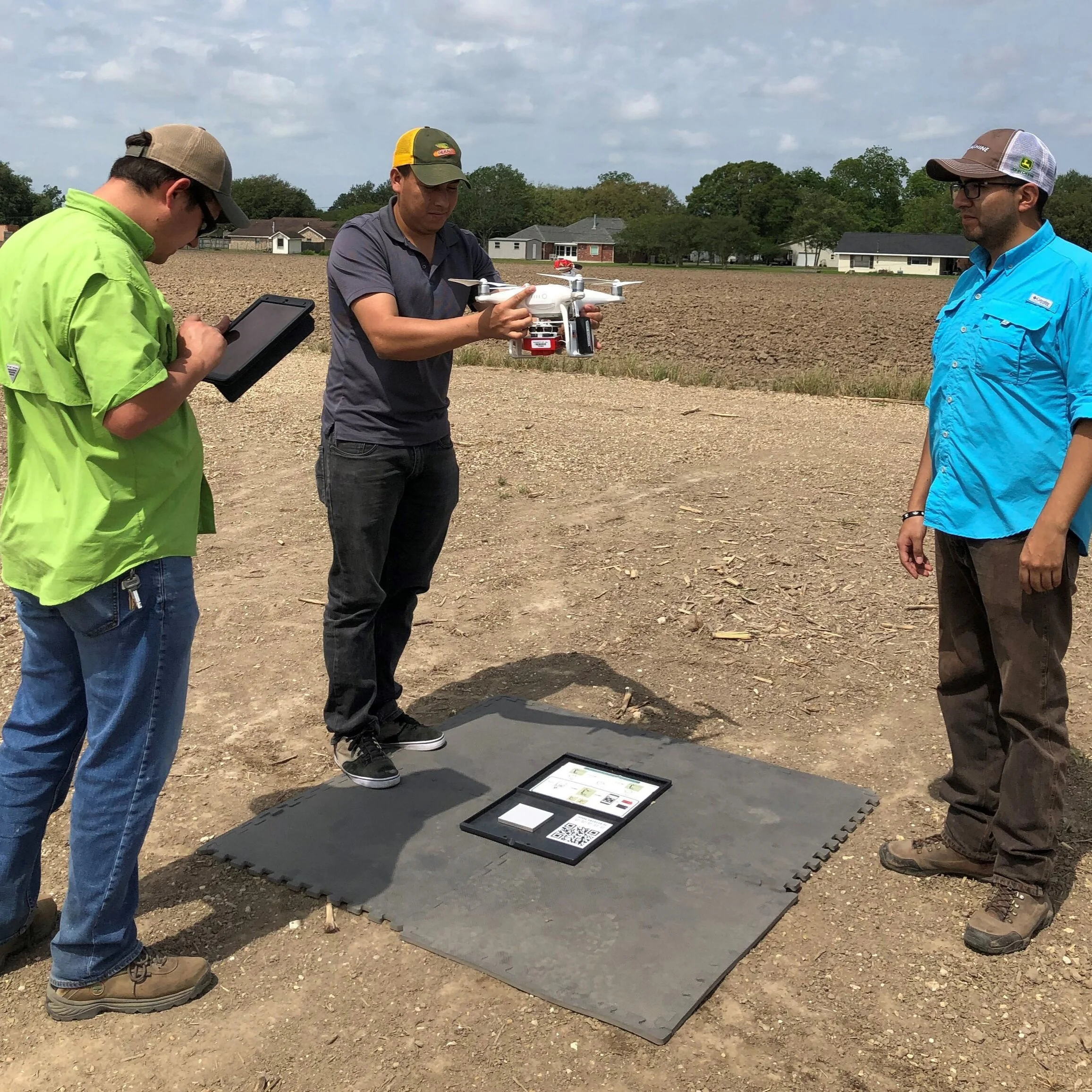
Cover cropping provides a host of benefits that with years of repeated practice can pay off with high crop yields, reduced input costs and healthier ecosystems. Cover crops are grown not for short-term economic gain but for the benefits they provide for the subsequent main crops. Cover crops create biomass that protects bare soils against runoff and erosion, smothers weeds, helps control diseases and improves soil fertility. Thus, the benefits from cover crops rely heavily on biomass.
Read More
LSU AgCenter Beef And Forage Field Day Videos Available To View
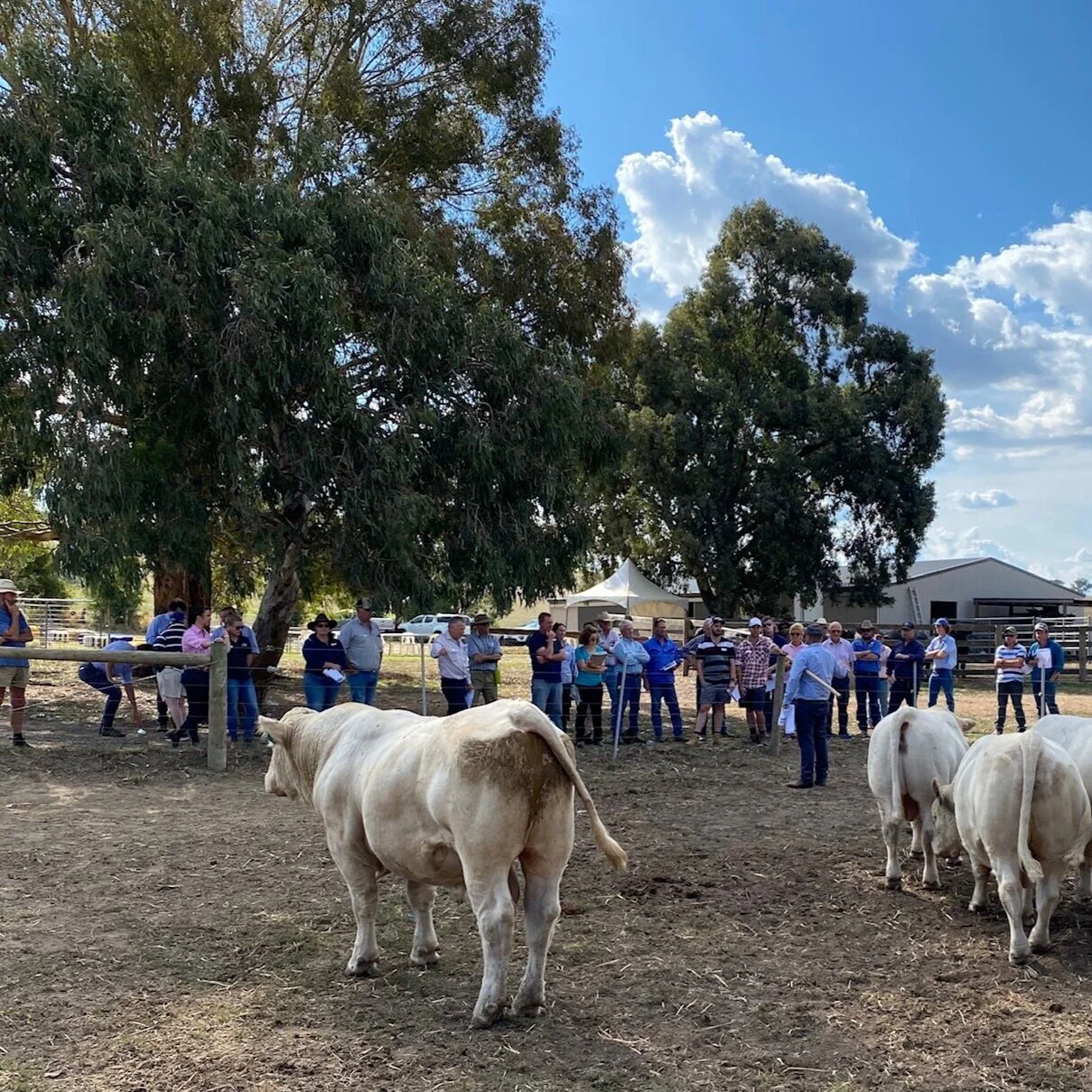
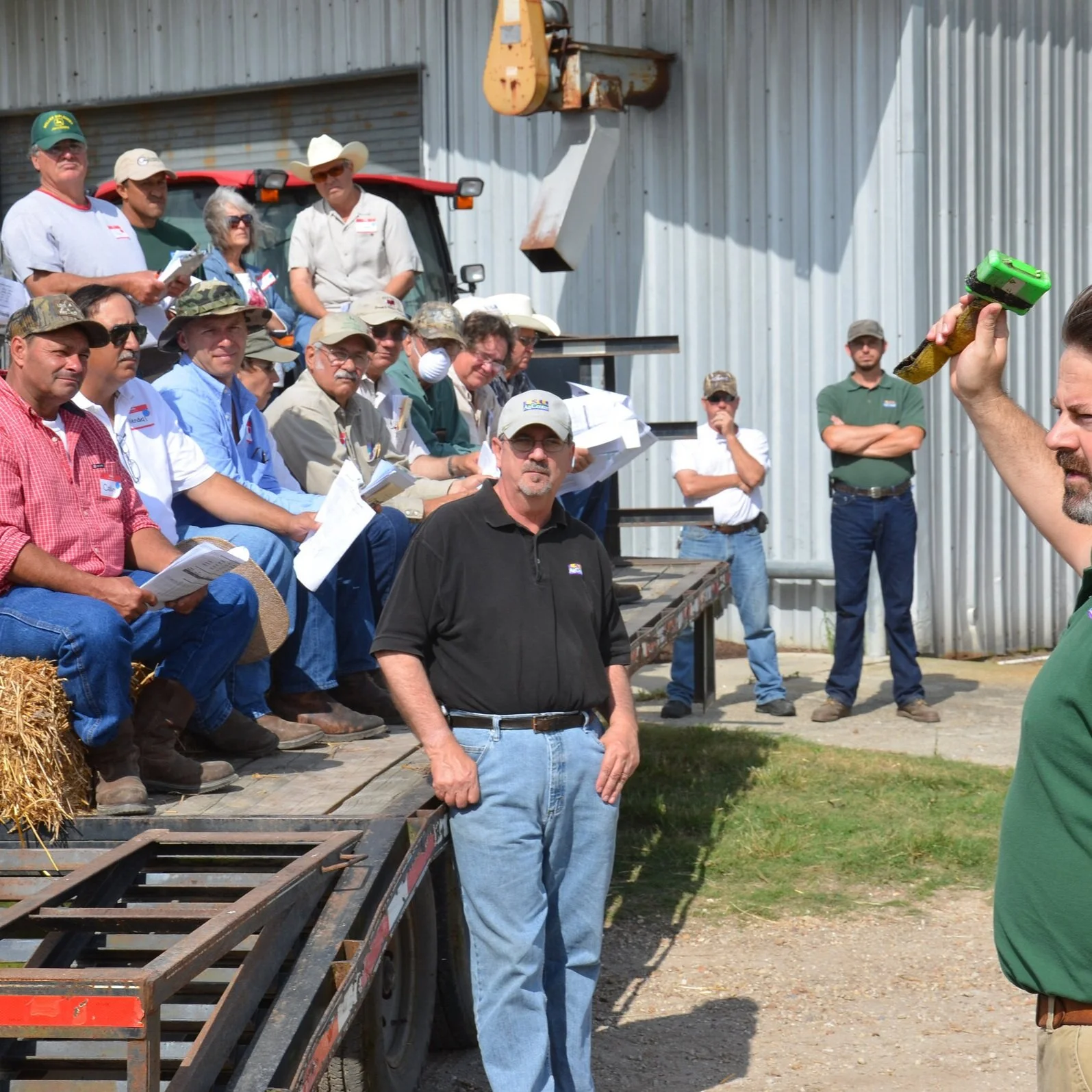
Videos are now available for the LSU AgCenter virtual 2021 Beef and Forage Field Day from the Dean Lee Research and Extension Center.
Mike Salassi, LSU AgCenter program leader for plant and animal sciences, said the virtual format was necessary because of the ongoing pandemic.
The presentations can be viewed at: https://bit.ly/2Q02WAF.
Field day presentations include talks from LSU AgCenter experts:
Read More
Louisiana Crops Newsletter April, 2021
Louisiana Crops Newsletter, April, 2021
Read More
Deadline to Register for ASPIRE Summer Internship Program is April 23
The April 23 deadline for students to register for the LSU AgCenter ASPIRE summer internship program is quickly approaching.
The ASPIRE Project engages undergraduates in agricultural-related internships in research, extension, and teaching, with mentorship from faculty in the AgCenter and the LSU College of Agriculture.
Read More
Milestone in LSU AgCenter research: Horses Treated to Ovulate Early Give Birth to Healthy Foals
For decades, LSU AgCenter researchers have sought to alter female horses’ reproductive cycles to help them become pregnant earlier and give birth at the beginning of the year to meet the needs of the competitive racing and show horse industry.
While Erin Oberhaus, an equine physiologist with the AgCenter, had successfully caused mares to ovulate and become pregnant months ahead of Mother Nature’s schedule, no foals were born using these methods until last month.
Read More
Feral Hog Baits Showing Promise
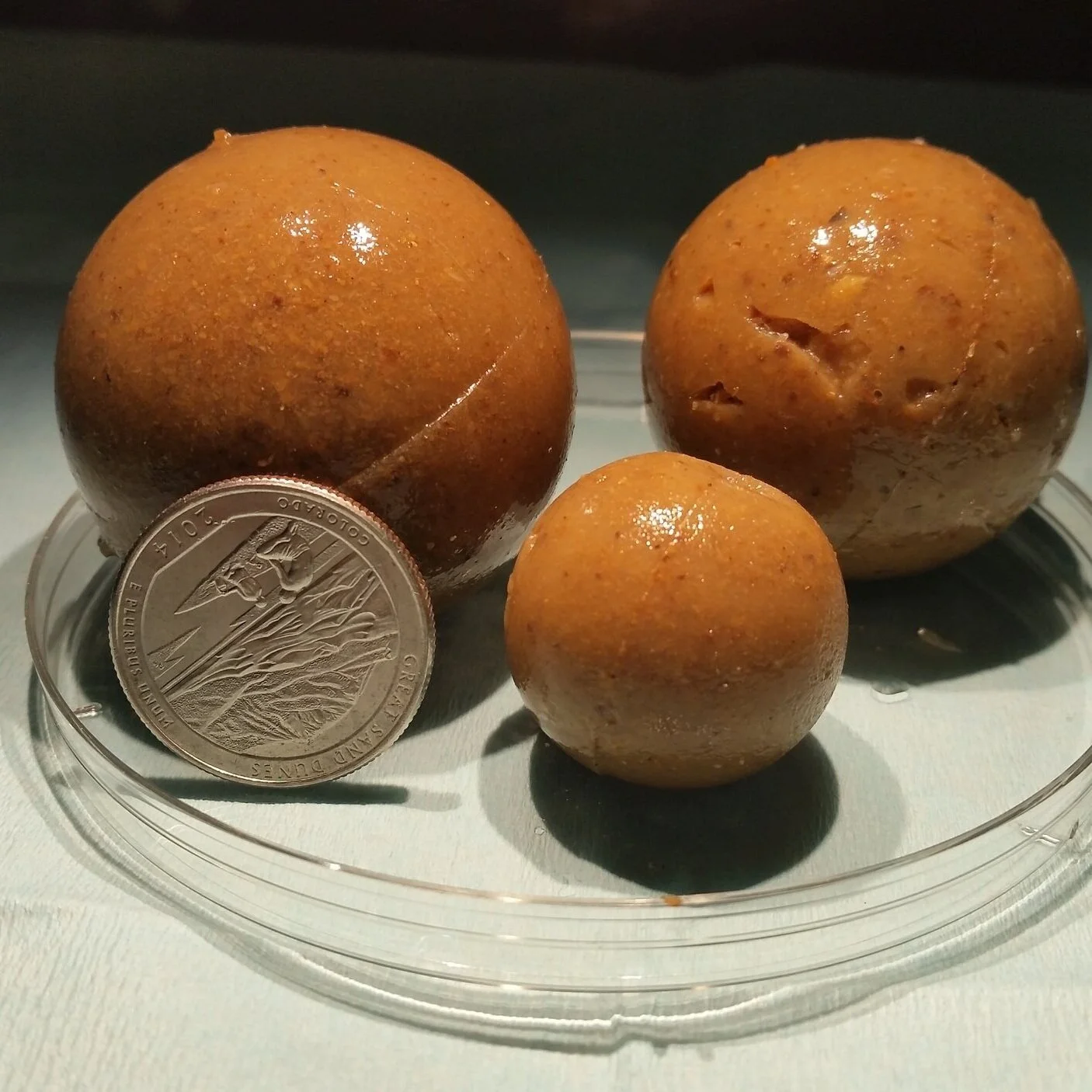
Feral pigs are a nuisance in many areas of the country, causing billions of dollars in damage. Scientists with the LSU AgCenter and the LSU Department of Chemistry are working on a bait and delivery system to help reduce the population of feral hogs.
Glen Gentry, LSU AgCenter feral hog specialist, and John Pojman, a chemistry professor, have been working for more than two years on perfecting a bait and delivery system that minimizes the risk to off-target animals.
Read More
Louisiana Soybeans: 2021 Planting Beginning About a Week Behind
The soybean planting season in Louisiana has had a slow start in 2021 due to weather conditions. The USDA-NASS report on March 28 indicated there were no soybean acres planted, where normally 2% of the soybean crop would have been planted. The ice storm in mid-February slowed down field preparation and weekly rains kept fields too wet to plant.
Read More
2021 Prospective Plantings & Quarterly Grain Stocks Summary
In an effort to better understand planting intentions ahead of actual planting, the USDA annually sends out approximately 80,000 surveys to farmers in the first two weeks of March. On Wednesday, March 31st , the USDA released their annual planting intentions report for major agricultural crops in the U.S. for the 2021/22 crop year.
Read More
LSU AgCenter Livestock Show Showmanship Winners Announced
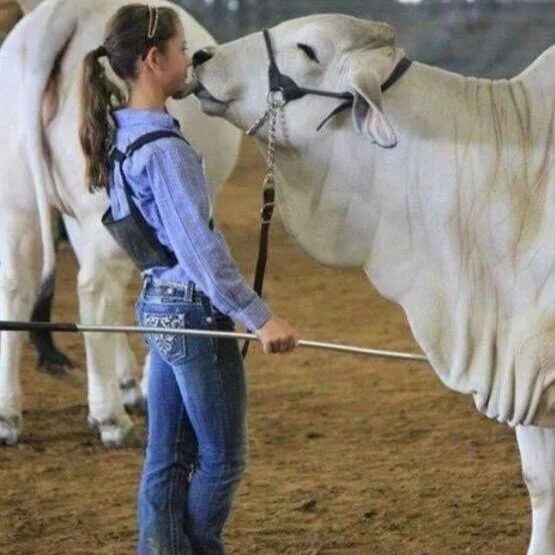
After a stressful year of dealing with the pandemic, some Louisiana youth still showed off their showmanship skills at the 86th annual LSU AgCenter Livestock Show at the Lamar-Dixon Expo Center.
Junior, intermediate and senior champion showmanship awards were presented to exhibitors in each of the following animal categories: dairy cattle, beef cattle, miniature beef cattle, market swine, breeding swine, exhibition poultry, broiler poultry, sheep, dairy breeding goats, meat breeding goat and market goats. Awards also were given to exhibitors in the State Rabbit Show, which was held at the State Evacuation Shelter in Alexandria.
Read More
AgMagic Goes Virtual With 'Classroom Agventures'
AgMagic, an LSU AgCenter event that takes youth on an interactive journey through Louisiana agriculture, will be virtual this year.
The ag awareness event is typically hosted at four locations across the state, but COVID-19 restrictions have moved it online. In 2020, all in-person AgMagic events were canceled.
Read More
LSU AgCenter Researcher Receives Grant to Study Cattle Management Practices
LSU AgCenter beef cattle researcher Guillermo Scaglia has received a $500,000 grant that will fund a wide-ranging study of how different management practices affect cattle herds.
The five-year grant from the U.S. Department of Agriculture National Institute of Food and Agriculture will also be used to explore why small cattle operations are often reluctant to use proven practices.
Read More
LSU AgCenter Forum Focuses on Healthy Soil
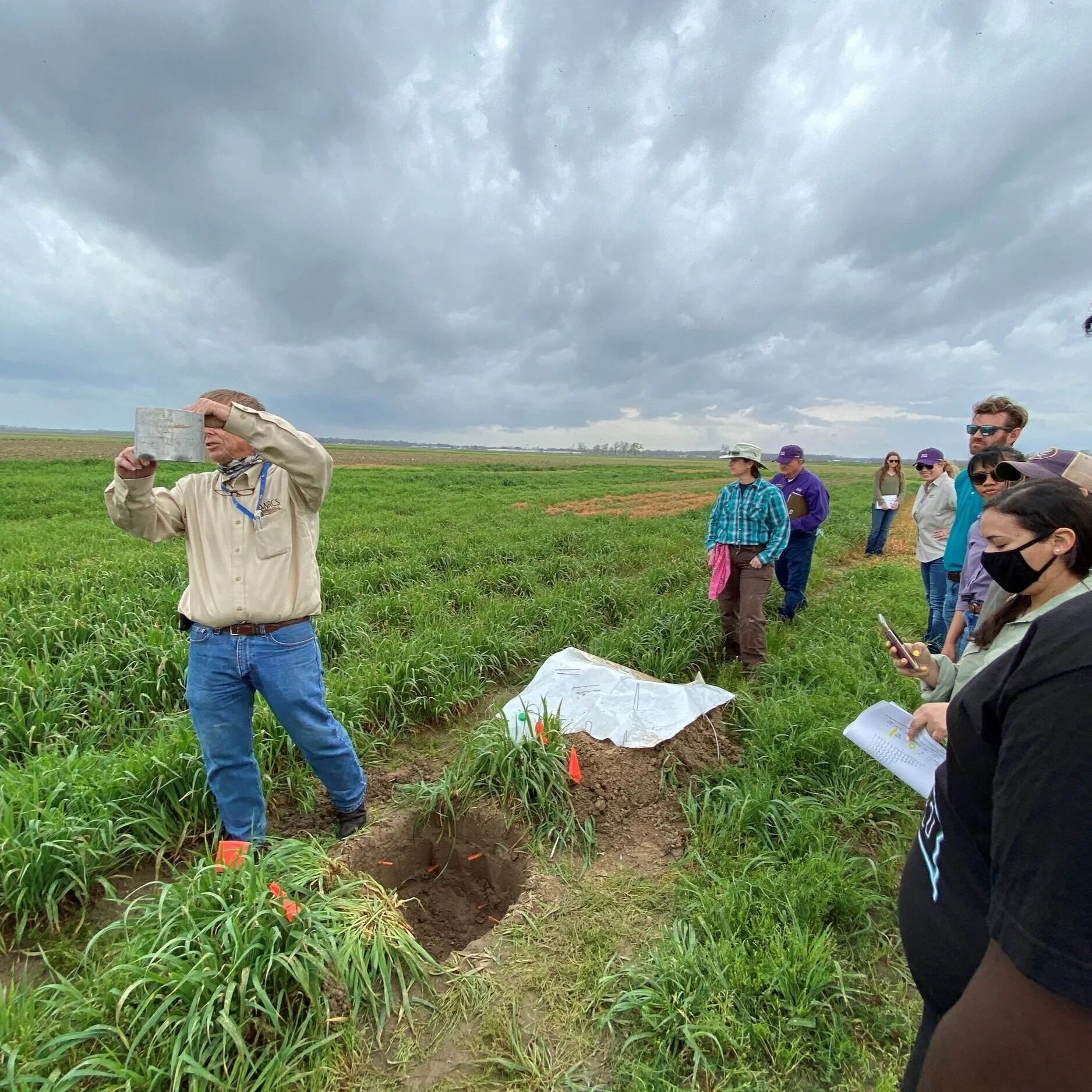
The soil that supports crops and lies beneath our feet was the main topic of a soil health forum held at the LSU AgCenter Northeast Research Station March 17.
The forum was supported by the Patrick F. Taylor Foundation and Natural Resources Conservation Service. The foundation awarded a grant to the LSU AgCenter to fund a four-year research project on reducing nutrient runoff from crop fields.
Read More
Abbeville High student takes home ‘Dub’ Kennedy Award
Even though normal was not a word used much during the 86th annual LSU AgCenter Livestock Show held recently at the Lamar-Dixon Expo Center in Gonzales, Louisiana 4-H and FFA members were still rewarded for their hard work.
Five students were recognized for their achievements in their various livestock programs based on their 4-H portfolio or FFA application. The five awards are the Governor’s Award for a 4-H member and an FFA member 14 years old and older, the Superintendent of Education Award for a 4-H member and an FFA member 13 years old and younger, and the C.W. “Dub” Kennedy Award in Animal Science.
Read More
Help Beneficial Insects Feel At Home In Your Landscape
When I was growing up, the word alternative described the pop trends of the day. It has another meaning to me now. Organic, natural pesticides and fertilizers and native plants are an increasingly popular alternative to synthetic chemicals and fertilizers as well as the heavy use of non-native plants and practices.
Read More
LA Corn Planting Nearly Finished But Delayed By Rain
Wet weather has stopped Louisiana farmers from finishing this year’s corn planting, but not before they got the majority of the crop in the ground. LSU AgCenter reporter Craig Gautreaux has this report from northeast Louisiana.
Read More