Cover Cropping Enriches Soil: Many Factors Cause Nutrient Contributions To Vary
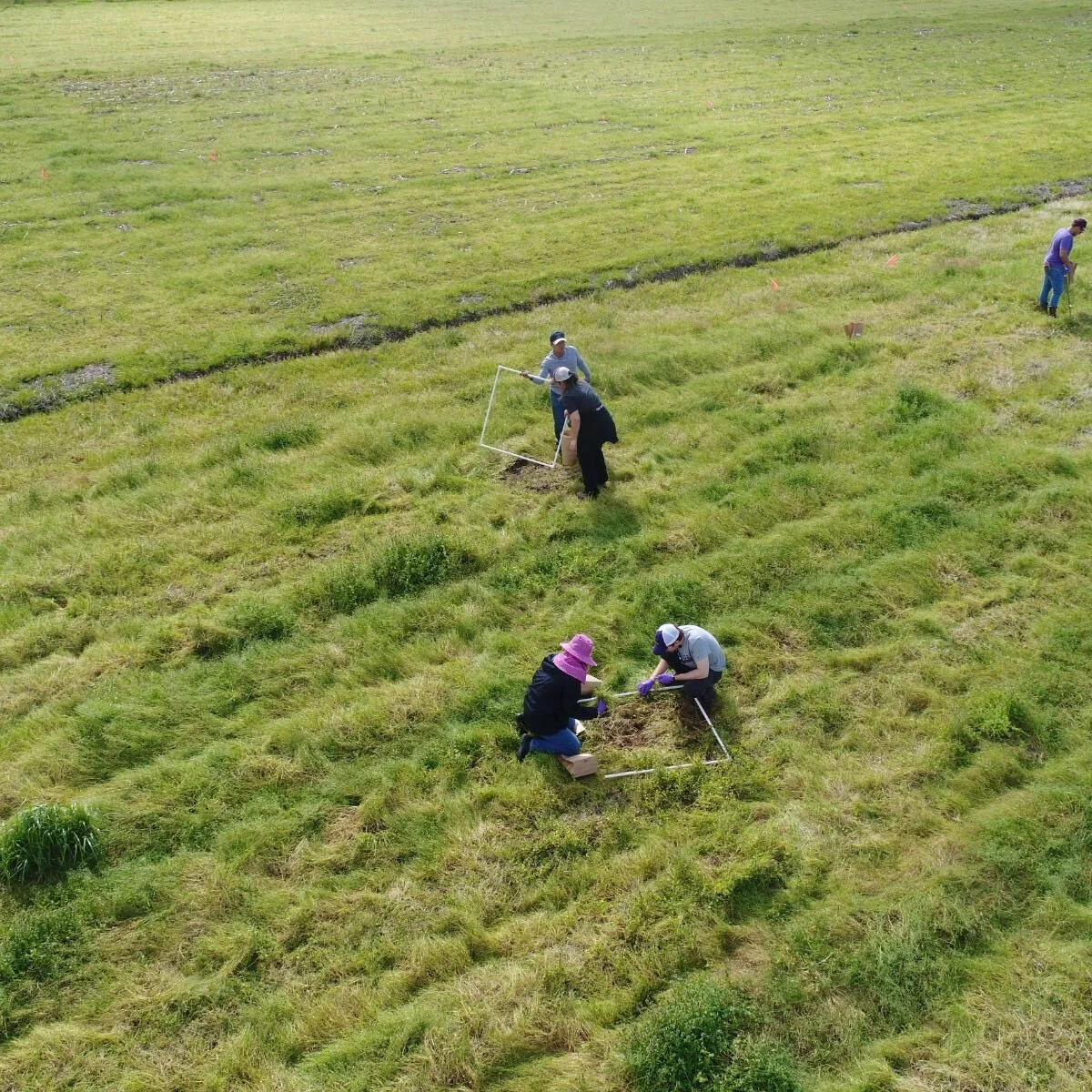
Soil nutrient enrichment is among the known benefits of using cover crops as a management tool. Winter cover crops are grown in fall through winter. During this period, cover crops absorb nutrients from organic matter decomposition or from underutilized fertilizer applied to the previous main crop, which otherwise would have been left in the soil and subjected to loss through surface runoff, erosion and leaching. When the cover crop is terminated early spring, the decaying biomass releases a full range of nutrients in plant-usable forms. In addition, the cascading positive effects of cover crops on the soil microbial community and water-holding capacity can also increase available nutrients for plants.
Read More
Challenge Camp Helps 4-H'ers Cope with Obsticles
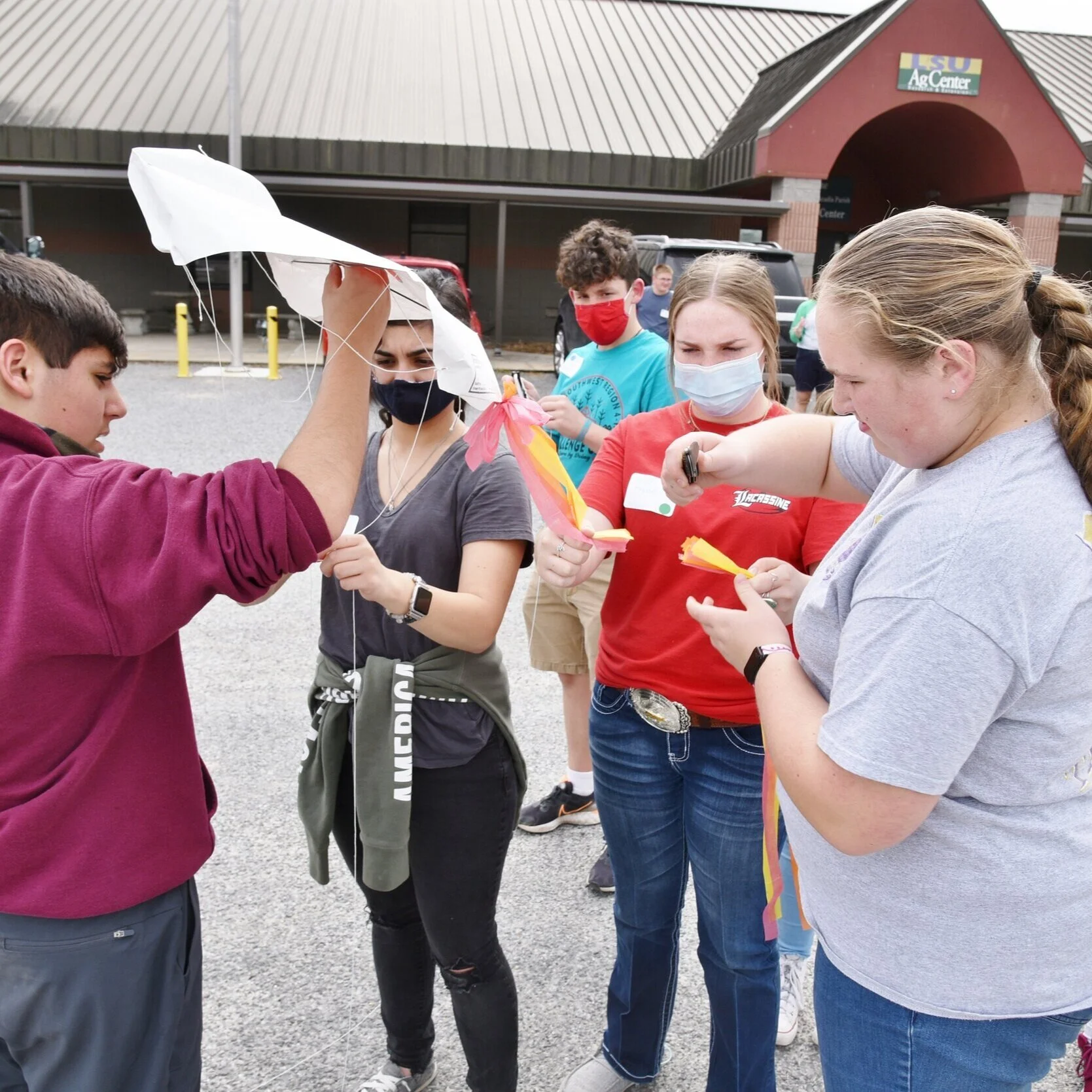
About 150 4-H Club members in south Louisiana learned skills to help them deal with the challenges of growing up during a one-day Challenge Camp held March 5.
The seventh- and eighth-grade students met in their individual parishes, and they were connected with other parishes by the internet. Ordinarily, the camp would be a two-day event at Camp Grant Walker, but the virtual setting was used because of COVID-19 restrictions that would have complicated transportation and other arrangements at the camp, according to Lanette Hebert, 4-H coordinator for the Southwest Region.
Read More
Louisiana Ag Hall of Distinction Inducts Three New Members
The Louisiana Agriculture Hall of Distinction inducted three new members during a ceremony March 4 at the L’Auberge Hotel in Baton Rouge.
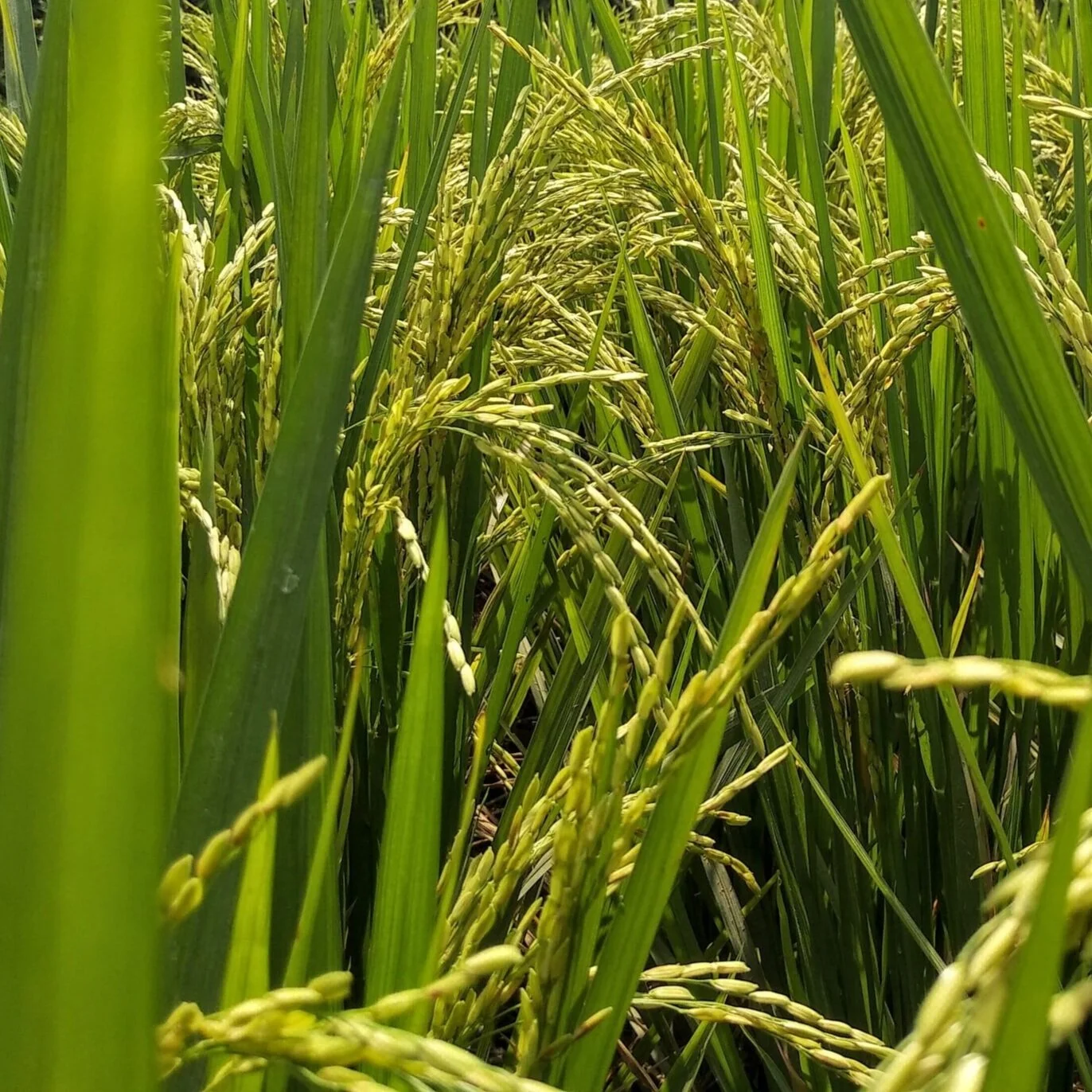
The new inductees are former Louisiana Farm Bureau Federation President Ronnie Anderson, of Ethel; sugarcane farmer John Gay, of Plaquemine; and Paul “Jackie” Loewer, of Branch, a rice farmer who has been a strong advocate for the rice industry in state and national organizations.
Read More
Louisiana Ag Hall of Distinction Inducts Three New Members
The Louisiana Agriculture Hall of Distinction inducted three new members during a ceremony March 4 at the L’Auberge Hotel in Baton Rouge.
The new inductees are former Louisiana Farm Bureau Federation President Ronnie Anderson, of Ethel; sugarcane farmer John Gay, of Plaquemine; and Paul “Jackie” Loewer, of Branch, a rice farmer who has been a strong advocate for the rice industry in state and national organizations.
Read More
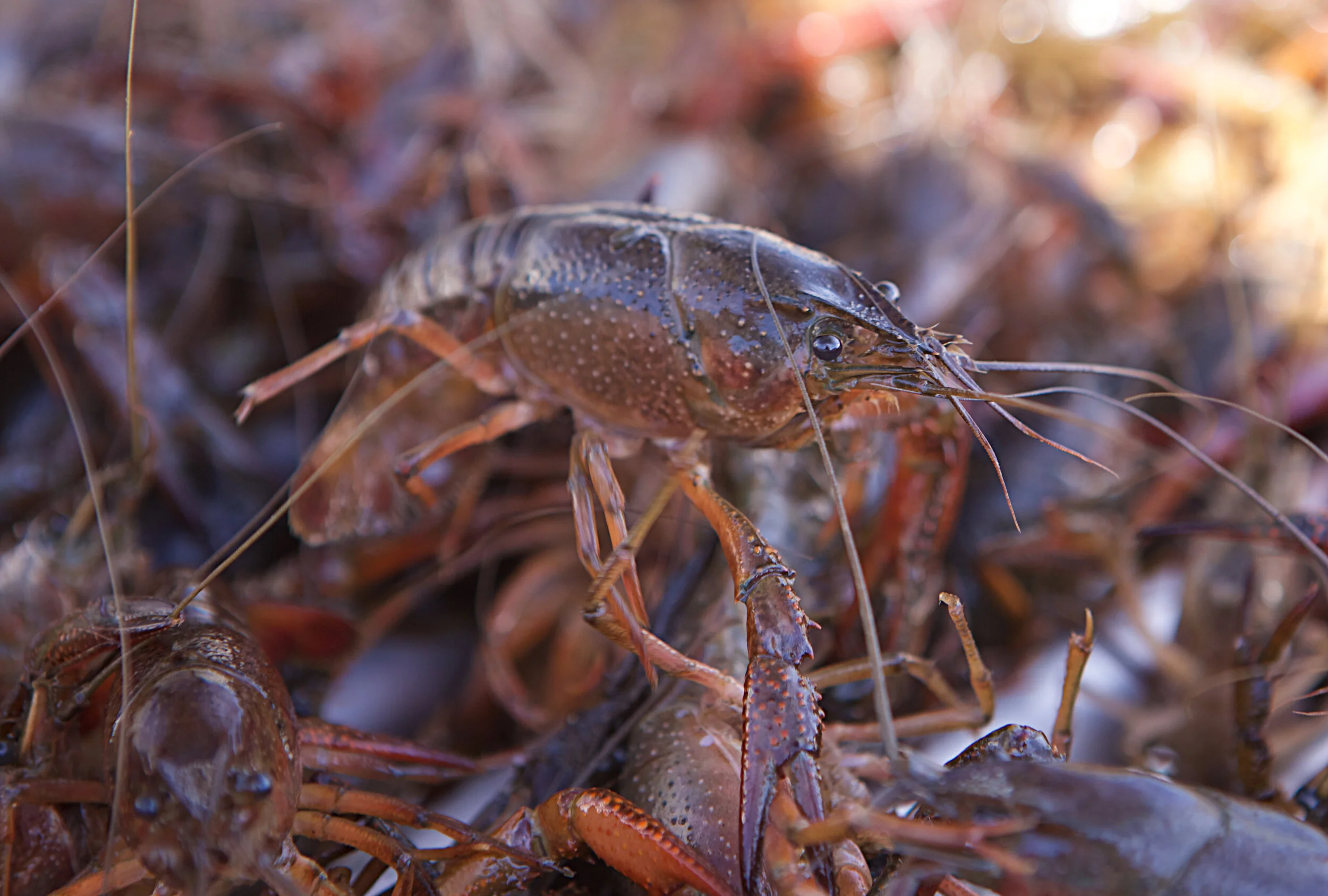
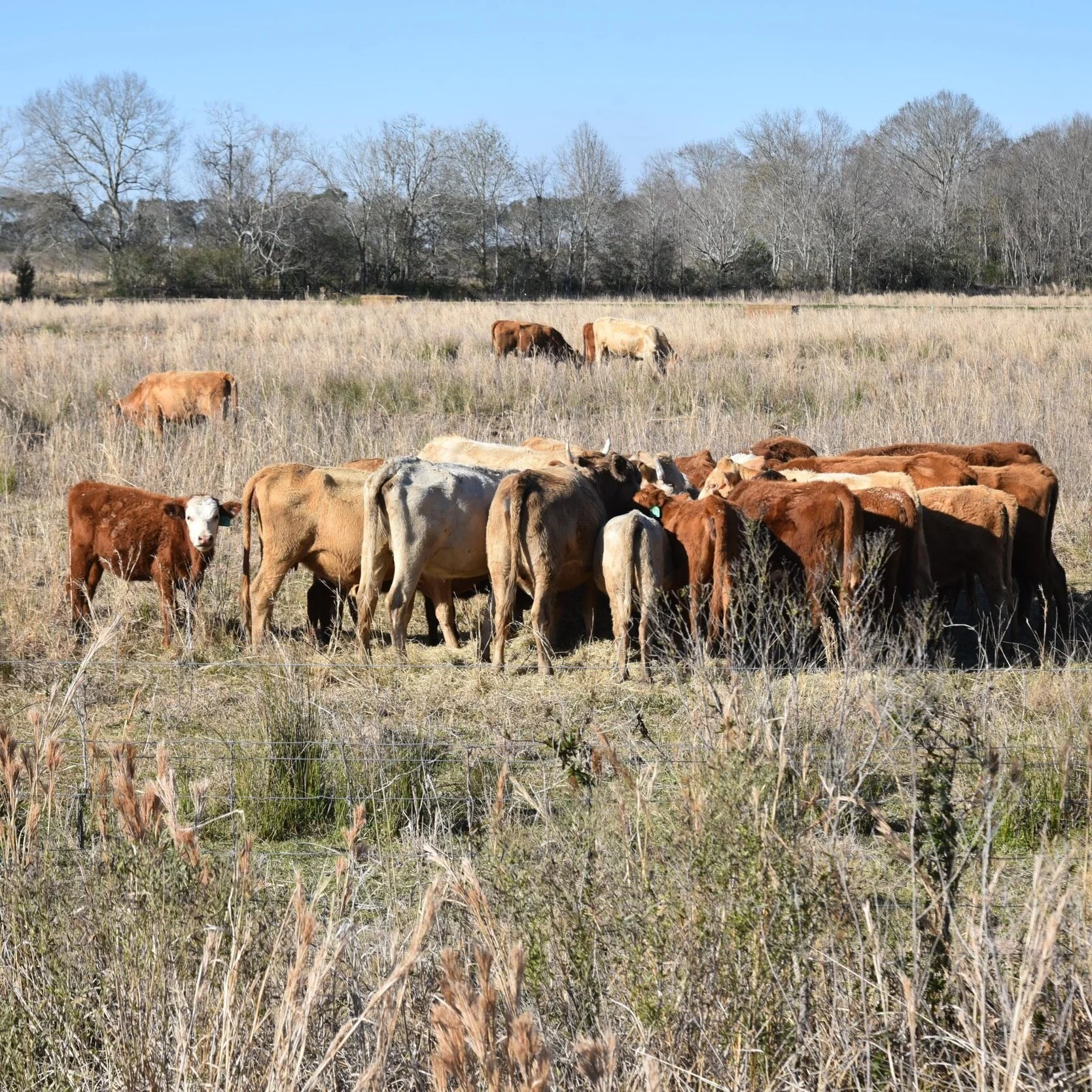
Crawfish Crop Expected to Bounce Back After Freeze; North Louisiana Cattle Not So Lucky
The LSU AgCenter is surveying agricultural producers to estimate damage totals resulting from last month’s freezing weather.
The recent freezing weather came just as farmers were getting back on their feet from last year’s disastrous hurricane season.
Read More
Orgeron Awarded Ben Legendre Professorship
LSU AgCenter weed scientist Al Orgeron has been named the Benjamin L. Legendre Sr. Sugar Heritage American Society of Sugar Cane Technologists Professor.
Orgeron, an associate professor and integrated pest management specialist with the LSU AgCenter, is the first recipient of the professorship.
Read More
LSU AgCenter Surveying Rice Farmers on Pest Management
Dr. Blake Wilson, LSU AgCenter Rice Entomologist, is asking rice producers to complete a short survey regarding pest management.
Read More
LSU AgCenter Assessing Freeze Damage to Crops, Livestock, Crawfish
The LSU AgCenter is surveying agricultural producers to estimate damage totals resulting from last month’s freezing weather.
The recent freezing weather came just as farmers were getting back on their feet from last year’s disastrous hurricane season.
Read More
Join Drs. Orlando McMeans and Bill Richardson for A Conversation on Change
The LSU AgCenter & College of Agriculture Council for Diversity, Inclusion, Equity & Change is pleased to present A Conversation on Change featuring Dr. Bill Richardson and Dr. Orlando McMeans on Friday, February 26, 2021, at 1:00 p.m.
Read More
Evangeline Parish Recovers from Latest Round of Winter Storms
Just four months after reeling from back-to-back hurricanes that dealt powerful punches, Evangeline Parish was hit by another storm that caused different types of issues from the usual damage. This storm was a major winter event that hit the area over the Mardi Gras holiday.
The freeze has also impacted the livestock here in the parish. Ryegrass, a commonly grown winter forage grass, was severely damaged by the cold temperatures. This causes livestock producers to have feed supplemental feed which can get expensive. Producers also had to feed more to keep their animals warm. There are also reports of calves dying after being born in the frozen conditions.
Read More
RIT Faculty Using Smartphones and Artificial Intelligence to Help Assess Crop Roots
A Rochester Institute of Technology faculty member is creating new artificial intelligence systems that could empower agricultural researchers, breeders, nurseries, and other users to analyze the roots of their crops with the power of their smartphones. Guoyu Lu, an assistant professor in RIT's Chester F. Carlson Center for Imaging Science, is receiving a $450,000 New Investigator grant from the U.S. Department of Agriculture to conduct the research.
Read More
Livestock Builds Confidence, Changes Lives of Young People
For some young people, even the thought of taking control of a large animal is beyond belief.
But for two south Louisiana youth, getting started early has been the key to their success in livestock shows.
Read More
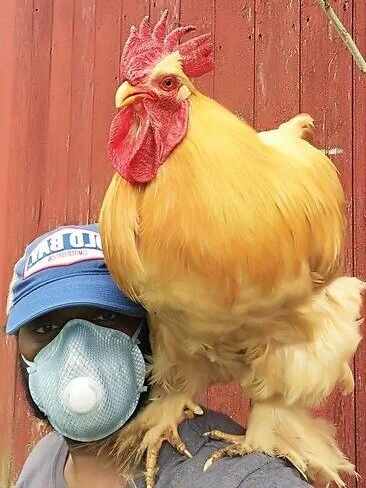
Black History Month 2021: Agriculture, Family and the Land
Every February, the APHIS community celebrates Black History Month and honors the many and varied contributions of African Americans to U.S. history. This year’s Black History Month theme is “The Black Family: Representation, Identity, and Diversity.” This feature, a personal narrative by APHIS employee Langston Hull, is the first in a two-part series recognizing Black employees at APHIS and their connection to agriculture, family, and the land.
Read More
February Louisiana Crops Newsletter
Calling All Irrigators! An Open Survey on Flood Irrigation Practices
We are asking for your help!
Read More
Local 4-H member inducted into the 2021 Louisiana 4-H Hall of Fame
Mr. Bailey did not know he was nominated to become a 2021 4-H inductee but when he received the email he was more than elated to be able to be honored for his love for 4-H.
Read More