It's Tater Time
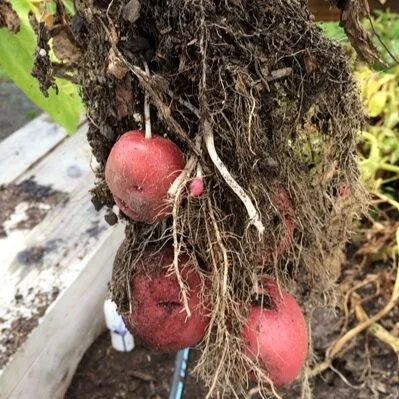
For those of you who keep a vegetable garden, it’s time to get those potatoes in the ground. Potatoes are easy to cultivate and provide many essential vitamins such as calcium, iron, vitamins B6 and C, and potassium. They also provide dietary fiber, some protein and prebiotic resistant starch to boot.
Read More
Freeze Injury On Wheat
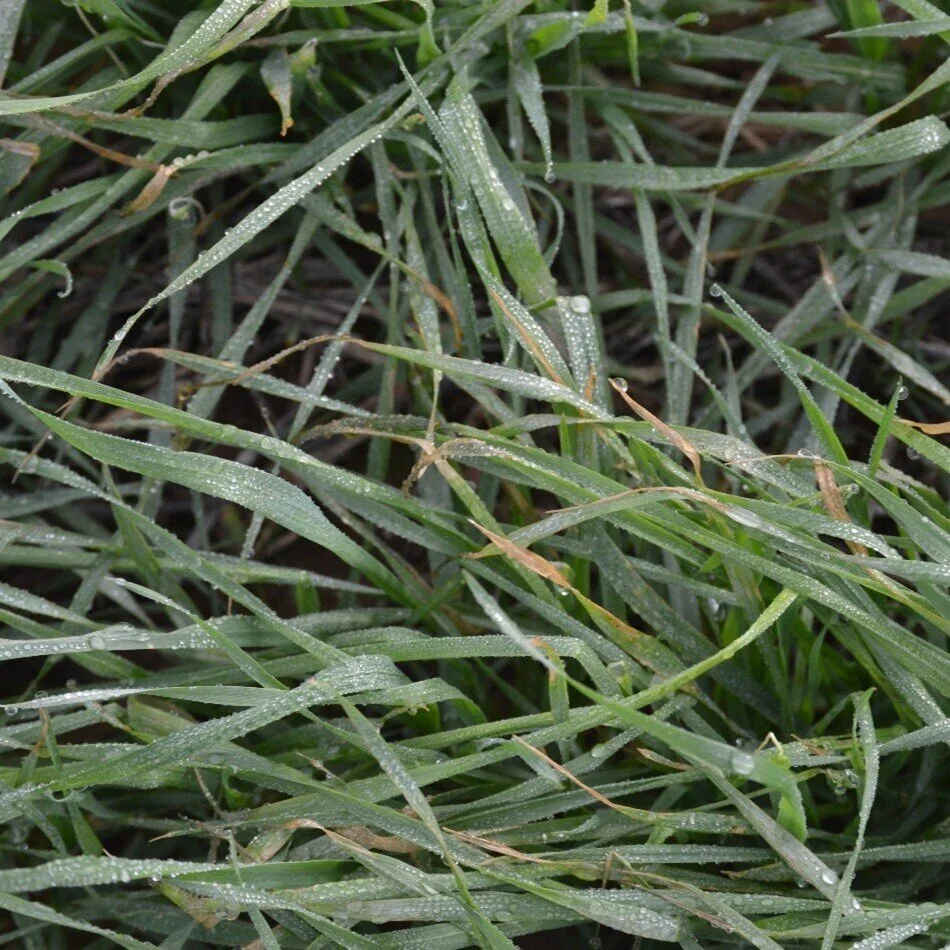
The impact of freezing temperatures (24oF) on wheat varies dramatically depending on the growth stage the crop is in when it occurs. Temperatures are projected to dip into the teens and 20s in central and north Louisiana for several days beginning February 11th
Read More
Louisiana Rice: Big Changes In Varieties On Tap For '21
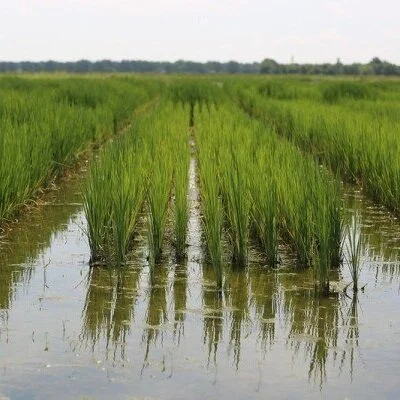
There are a handful of new rice varieties and rice hybrids that will be available in 2021 that will change the landscape of the rice grown in Louisiana. There are also a few rice varieties and hybrids that will virtually disappear in the coming season. I will do my best to cover the biggest variety and hybrid changes for 2021 in each rice class below.
Read More
Louisiana Rice: Changes In Available Fungicides
Fungicides are important tools in rice disease management. All too often sheath blight, blast, grain smuts or Cercospora require a fungicide application to reduce damage below economic levels. Fungicides are specific to what diseases they control, along with the growth stage they are applied at to be effective.
Read More
Louisiana Rice: Insecticidal Seed Treatment Considerations
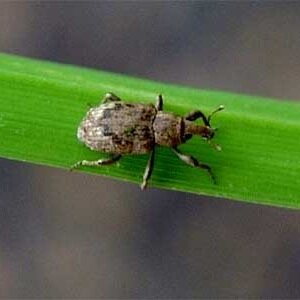
In today’s industry, rice farmers need to consider pest management strategies well before rice is planted. Insecticidal seed treatments have become central to rice pest management programs in recent years, and deciding which product to select will determine how pest control is approached during the growing season.
Read More
Abnormal 2020 Yields Positive Results for Sugarcane Farmers
It’s known as the Louisiana Sugar Cane Cooperative Sugar Mill, and in the 2019 harvest season, the facility took in year over 1.4 million tons of sugar cane.
Read More
LSU AgCenter Researcher Aims to Pinpoint Disease Resistance Gene in Rice
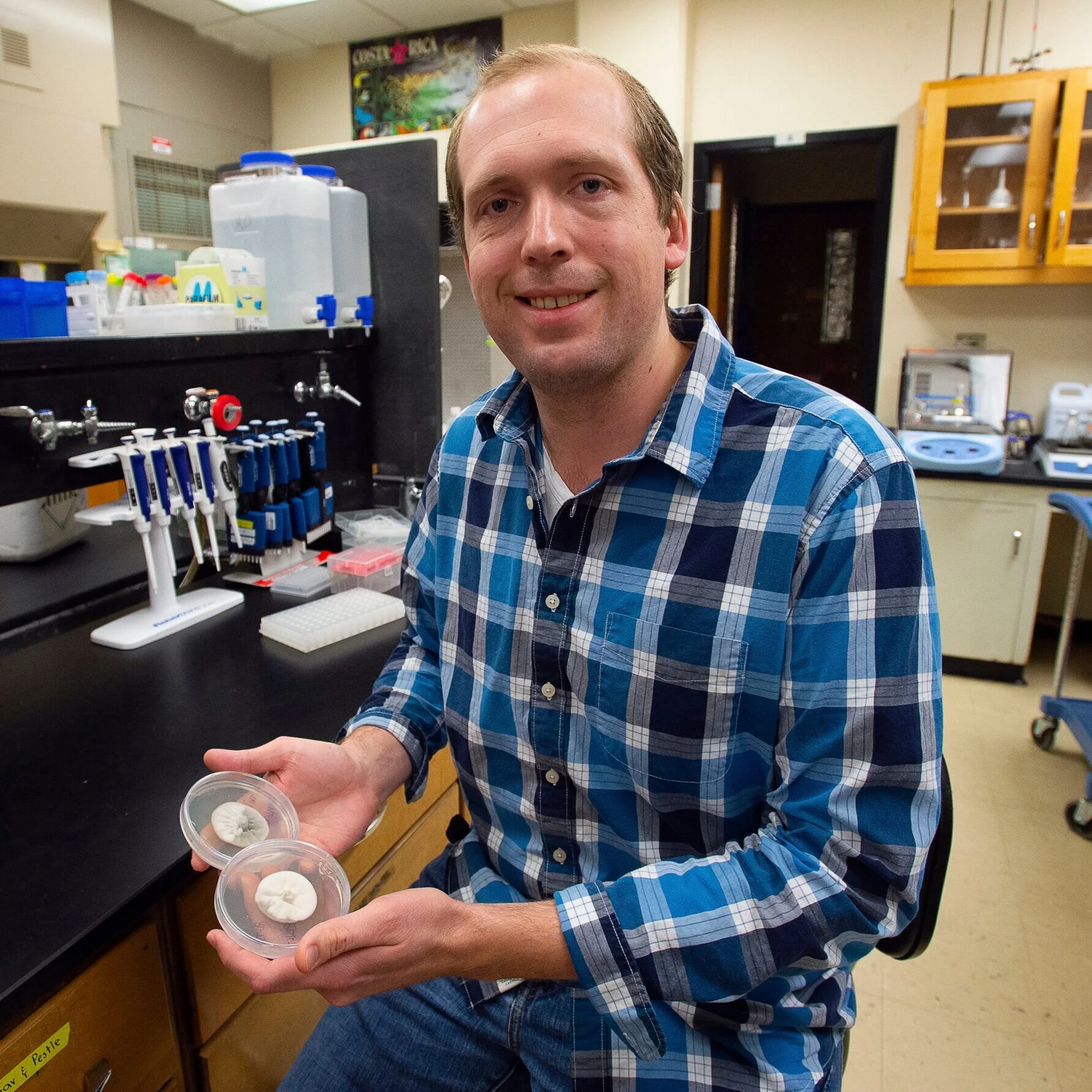
An LSU AgCenter plant pathologist will use a $500,000 grant from the U.S. Department of Agriculture to pinpoint the location of a gene in rice that could help farmers control a potentially devastating plant disease.
“Our goal is to characterize the resistance to narrow brown leaf spot at the genetic and functional level,” said Jonathan Richards.
Read More
Beef Brunch Educational Series: Weathering the Storm
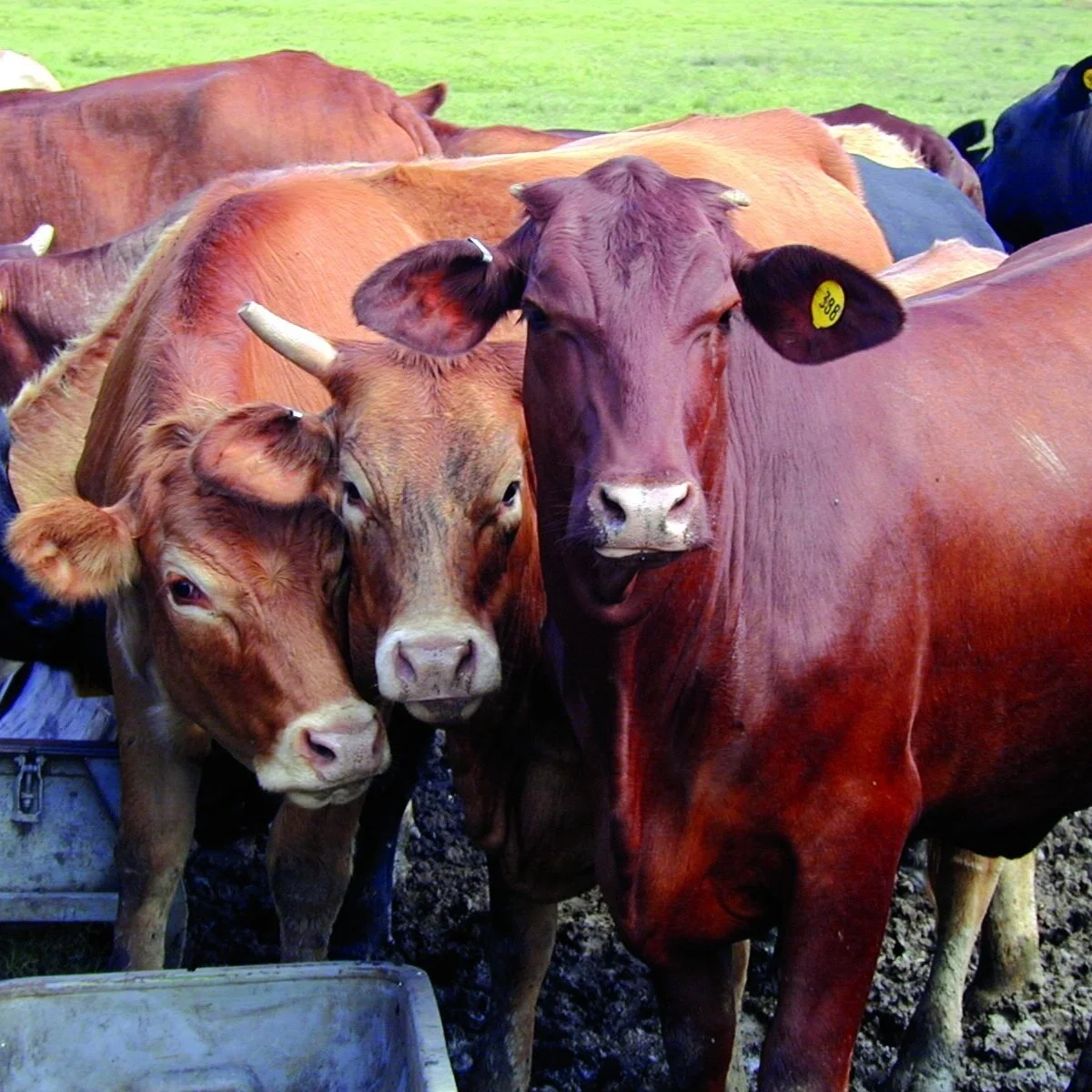
The LSU AgCenter invites you to join the Beef Brunch Educational Series webinar “Weathering the Storm” on Tuesday, February 9, 2021 at 10:30 am. This is a free, live event.
Read More
Crawfish Season Looks Promising
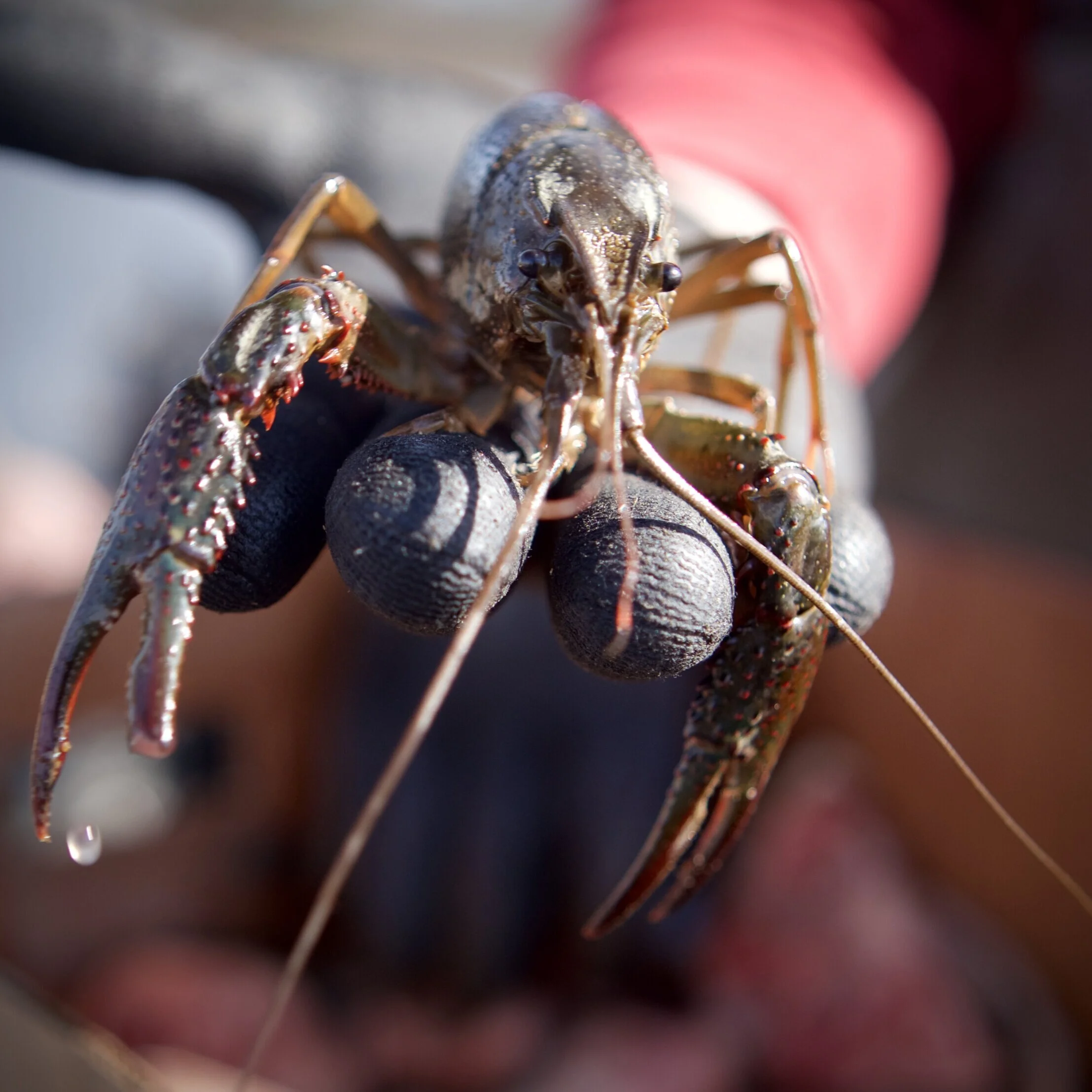
Conditions are good for the crawfish season that is about to kick into harvest season.
“It looks like conditions were all pretty good for what looks like a good crawfish season,” said Todd Fontenot, Evangeline Parish county agent.
Reports from farmers are coming in slow right now, he said.
Read More
LSU AgCenter Plans Winter Sugarcane Meetings
The LSU AgCenter is participating in a series of sugarcane meetings to help farmers prepare for the 2021 growing season.
The Louisiana Division of the American Society of Sugar Cane Technologists will meet virtually Feb. 2 to 3.
Read More
Livestock Show Season Celebrates Exhibitors' Hard Work
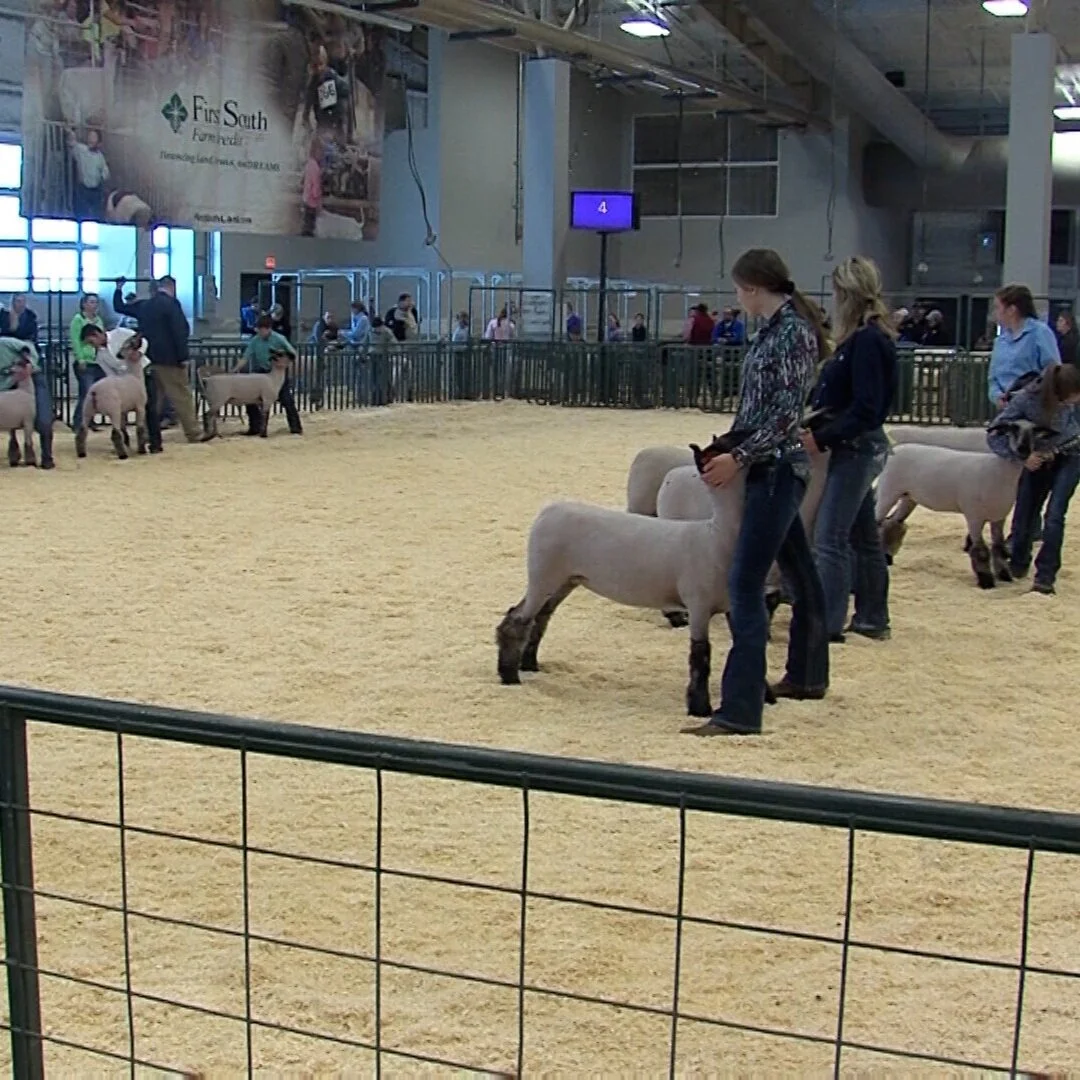
At the LSU AgCenter, this time of year is livestock show season — the culmination of months of hard work for 4-H and FFA members who have been busy preparing their animals and themselves for their big moment in the show ring.
Read More
Sweet Potato Meeting Held To Discuss Research, Updates
After what has been called an average crop year, the annual meeting of the Louisiana Sweet Potato Association provided a better outlook.
Those in the industry were given a sneak peek at some potential new varieties as well as ways to improve growing conditions and increase yields.
Read More
LSU AgCenter To Host Free Virtual Training For Farmers Market Vendors
The LSU AgCenter Healthy Communities program will host a free virtual training Feb. 17 for current and potential Louisiana farmers market vendors.
The training will take place from 9 to 11 a.m. via Microsoft Teams. Registration for the free event is available at fmvendors.eventbrite.com.
Read More
LSU AgCenter Weed Scientist Named To Endowed Chair For Cotton Research
Daniel Stephenson, an LSU AgCenter weed scientist, has been named to the Jack Hamilton Chair in Cotton Production effective Feb. 1.
Stephenson has been with the AgCenter since 2008 and is based at the Dean Lee Research and Extension Center near Alexandria. His work focuses on identifying effective weed control strategies in row crops, including cotton.
Read More
4-H Offers Broad Variety of Ways for Students to Learn, Grow, Connect
4-H started with agricultural roots. It was a way to get young people in farming communities to experiment with new techniques and technologies.
It gave students a place to develop skills, learn about leadership and be recognized for their efforts.
Read More