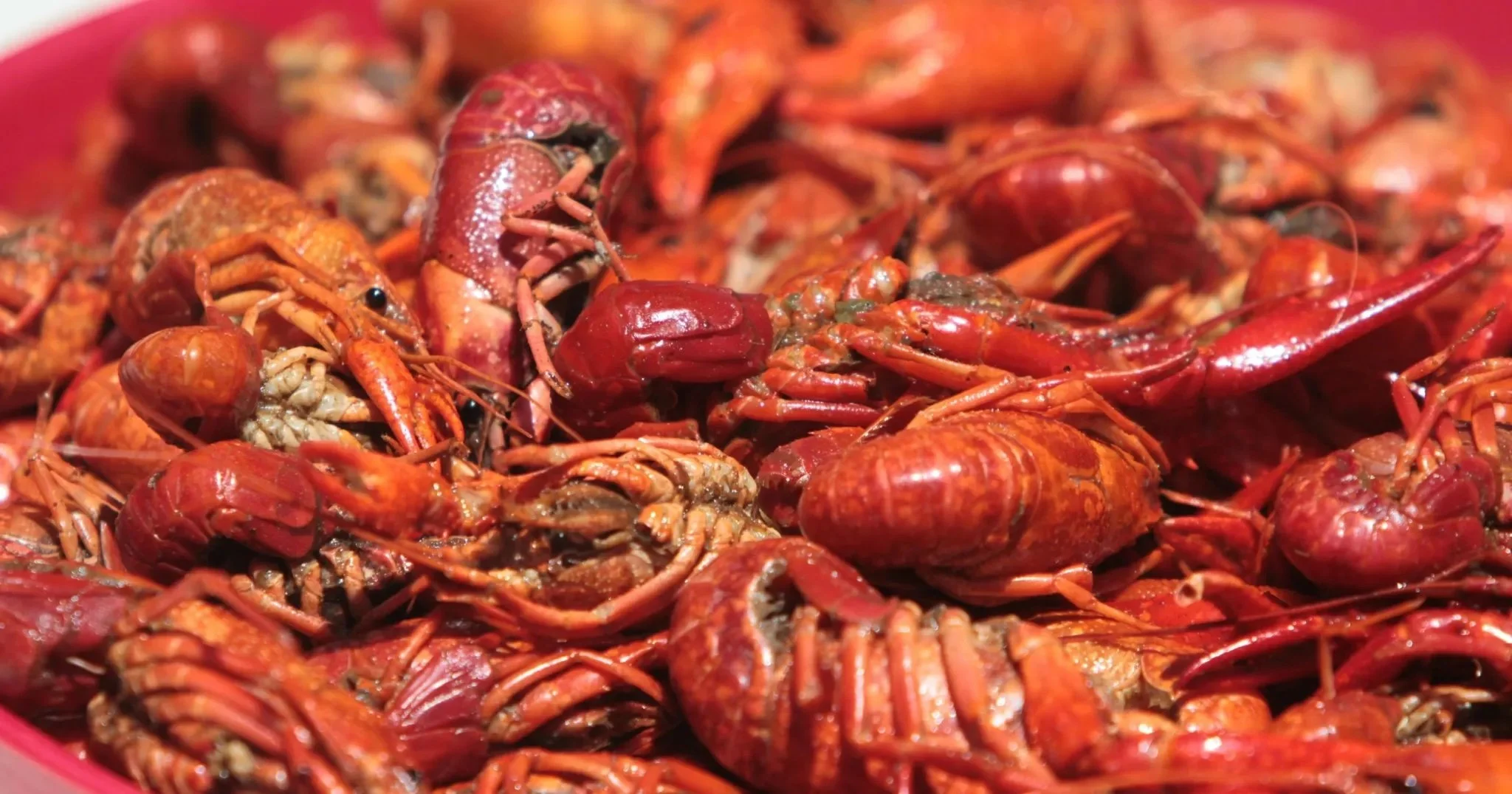
It’s Peak Crawfish Season, but Louisiana Peeling Plants Are Empty: ‘I’ve Lost All Hope’
Crawfish processors across Louisiana say a shortage of temporary work visas has left them without the migrant labor they depend on, forcing plants to sit idle during the busiest part of the season, and threatening a key part of Louisiana’s $640 million crawfish industry.
Read More
Editorial: Immigration Policy Hits Louisiana Where It Hurts — Crawfish Industry
The trade and immigration policies of the Trump administration have rippled through the nation’s economy in myriad ways, and Louisiana has not been immune to their effects. In recent months, we’ve catalogued the ways tariffs have affected our ports, our retailers and even our coffee shops.
Read More
Louisiana Crawfish Processors Suffering as u.s. Department of Homeland Security Halts H-2B Applications for Skilled Guest Workers
The commissioner of agriculture and forestry is sounding the alarm over the lack of crawfish peelers in the state. Mike Strain says this is because the Department of Homeland Security has stopped processing H-2B applications for skilled guest workers, preventing them from coming back.
Read More
USDA Secretary Says Administration Working to Ease Farm Labor Restrictions for Louisiana Crawfish, Shrimp Industries
U.S. Secretary of Agriculture Brooke Rollins said the Trump administration is working to ease labor restrictions for Louisiana farmers, particularly those in the aquaculture industry, as planting season begins amid rising diesel prices and ongoing visa limitations.
Read More
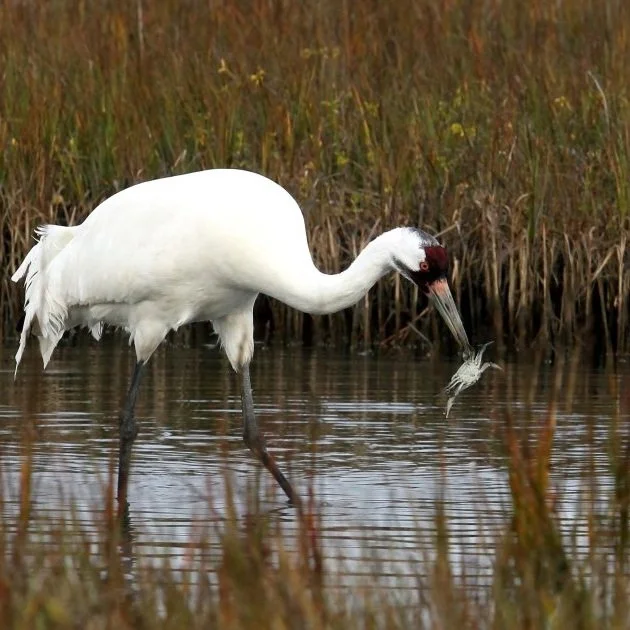
Crawfish Farm Workers Could Owe $15K for Killing Whooping Crane, Officials Say
Two crawfish farm workers could have to pay $15,000 after authorities said they shot and killed an endangered whooping crane.
Read More
Crawfish Industry Facing Shortage of Labor
The crawfish industry is facing a labor shortage due to federal immigration caps as the state enters the start of the harvesting season, Commissioner of Agriculture Mike Strain said in a House committee meeting on Tuesday.
Read More
Louisiana’s LNG Exports Are Driving Out Fishermen and Driving Up Utility Bills Across the U.S.
Phillip Dyson once tried working a job that wasn’t shrimping. He lasted three days on an oil rig before going right back to his boat.
Read More
Immigrant Labor Shortages Impacting Louisiana Crawfish Industry
Louisiana Agriculture Commissioner Mike Strain says that only a quarter of crawfish processors have been able to bring in the guest workers that they rely on.
Read More
Rooted in Plaquemines Parish: A Life in Louisiana’s Menhaden Industry
Along Louisiana’s coast, the menhaden industry has quietly powered local economies for generations – providing industrial jobs, rebuilding communities after disasters, and allowing families to stay rooted in rural coastal parishes. The small, silvery fish harvested in the Gulf are processed into high-protein fish meal and nutrient-rich oil used in aquaculture, pet food, agriculture, and other essential products. In Plaquemines Parish, that work supports families, schools, and small businesses.
Read More
Surgeon Demonstrates Precision Of Medical Robot By Peeling Boiled Crawfish
Crawfish season has everyone getting their hands dirty, including advanced medical robots.
Dr. Justin Rudd, a General Surgeon at CHRISTUS Ochsner St. Patrick Hospital in Lake Charles, wanted to see whether their da Vinci 5 robotic surgical system (dV5) was as precise as they thought.
In true Louisiana fashion, he and his crew put it to the test by using it to peel a crawfish.
Read More
Louisiana Agriculture Commissioner Mike Strain Expresses Frustration as Crawfish Industry Faces Labor Shortage Due to Caps on Work Visas
Louisiana Agriculture Commissioner Mike Strain says the state’s crawfish industry is dealing with a significant labor shortage. Strain told state lawmakers that crawfish processing plants do not have enough workers to peel and package crawfish, because the federal government has put a cap on foreign guest workers.
Read More
Warm Temperatures Push Crawfish Season Into High Gear
Crawfish season is underway across Acadiana and local crawfish farmer Jude Mequet says early signs point to a steady and promising stretch for farmers and customers alike. He notes that warmer temperatures have played a key role in jump starting production sooner than expected.
Read More
Farmers Issue Warning as Strange Creatures Wreak Havoc in US Region: ‘It Was Like This Science Fiction Movie'
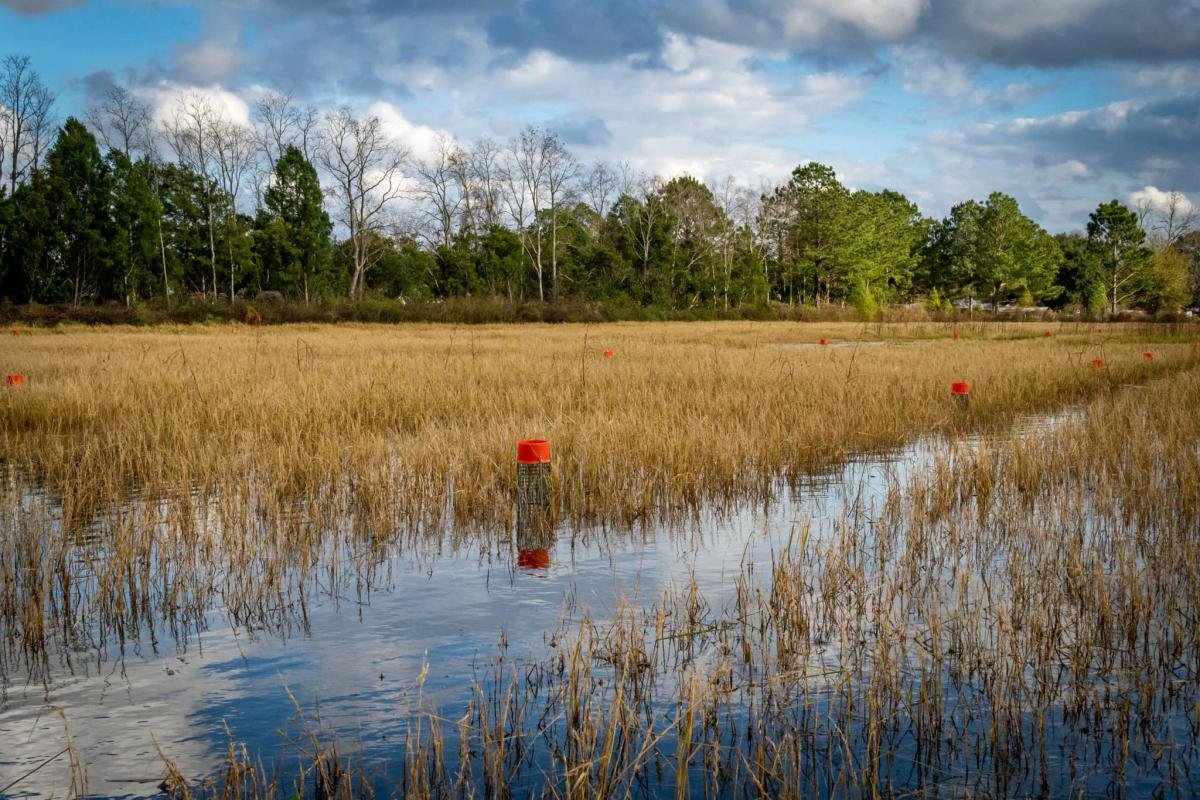
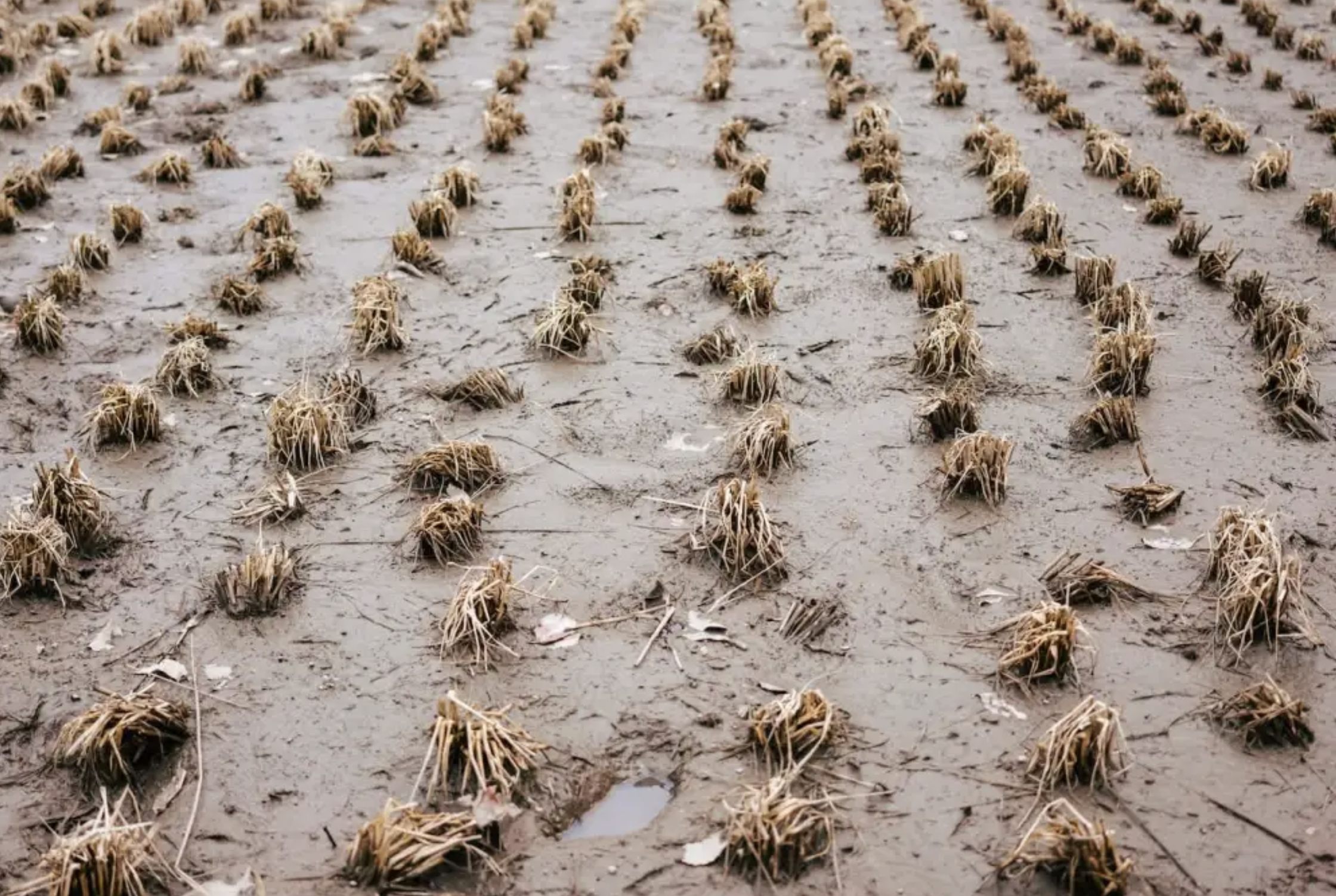
In Louisiana, farmers take advantage of flooded fields to raise two harvests together: rice and crawfish. Normally, this provides two income streams for landowners and two food sources for the country. However, invasive pests are now interfering with both, the Associated Press reported.
Read More
Louisiana Crawfish Industry Struggles With Limited Foreign Workers, Ag Commissioner Says
Crawfish processing plants in Louisiana are at a diminished capacity this year because they haven’t been able to get as many visas for the foreign guest workers, according to state Agriculture Commissioner Mike Strain.
Read More
Our Crawfish Guide Goes From Pond to Pot to Platter
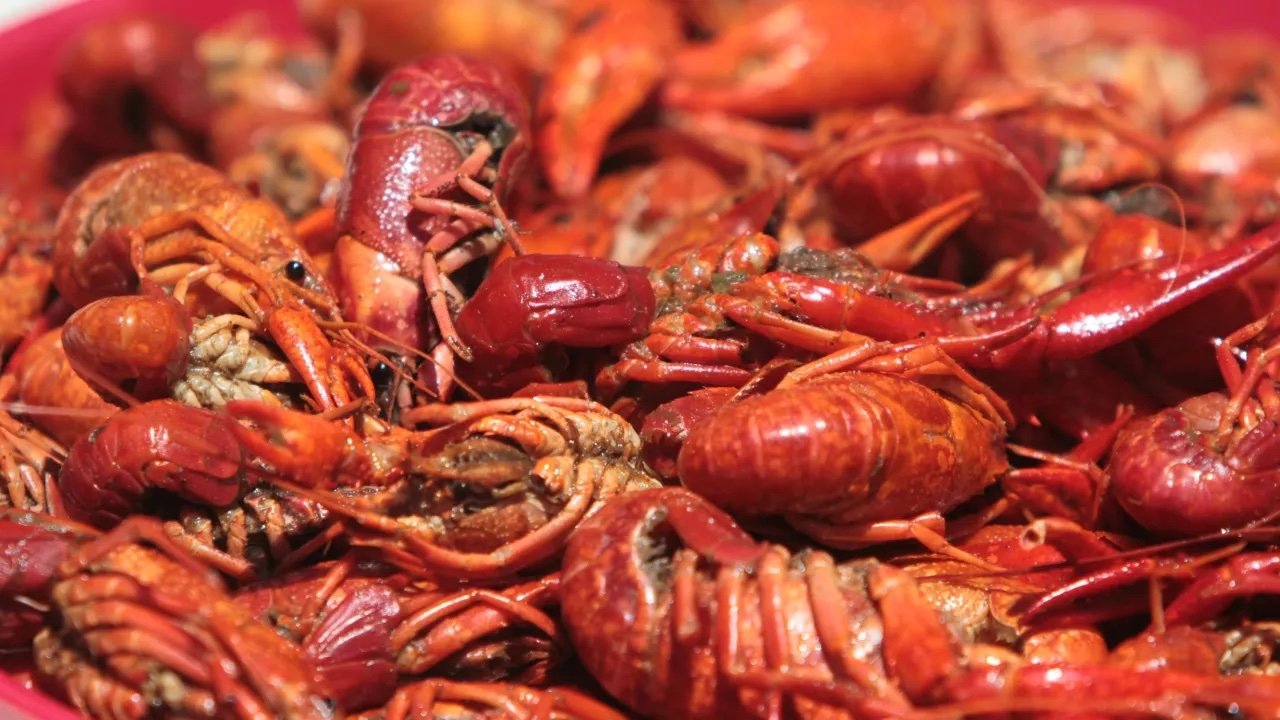
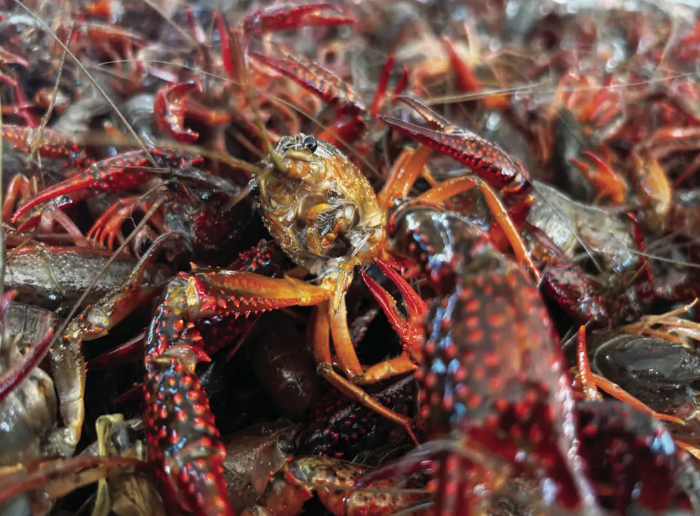
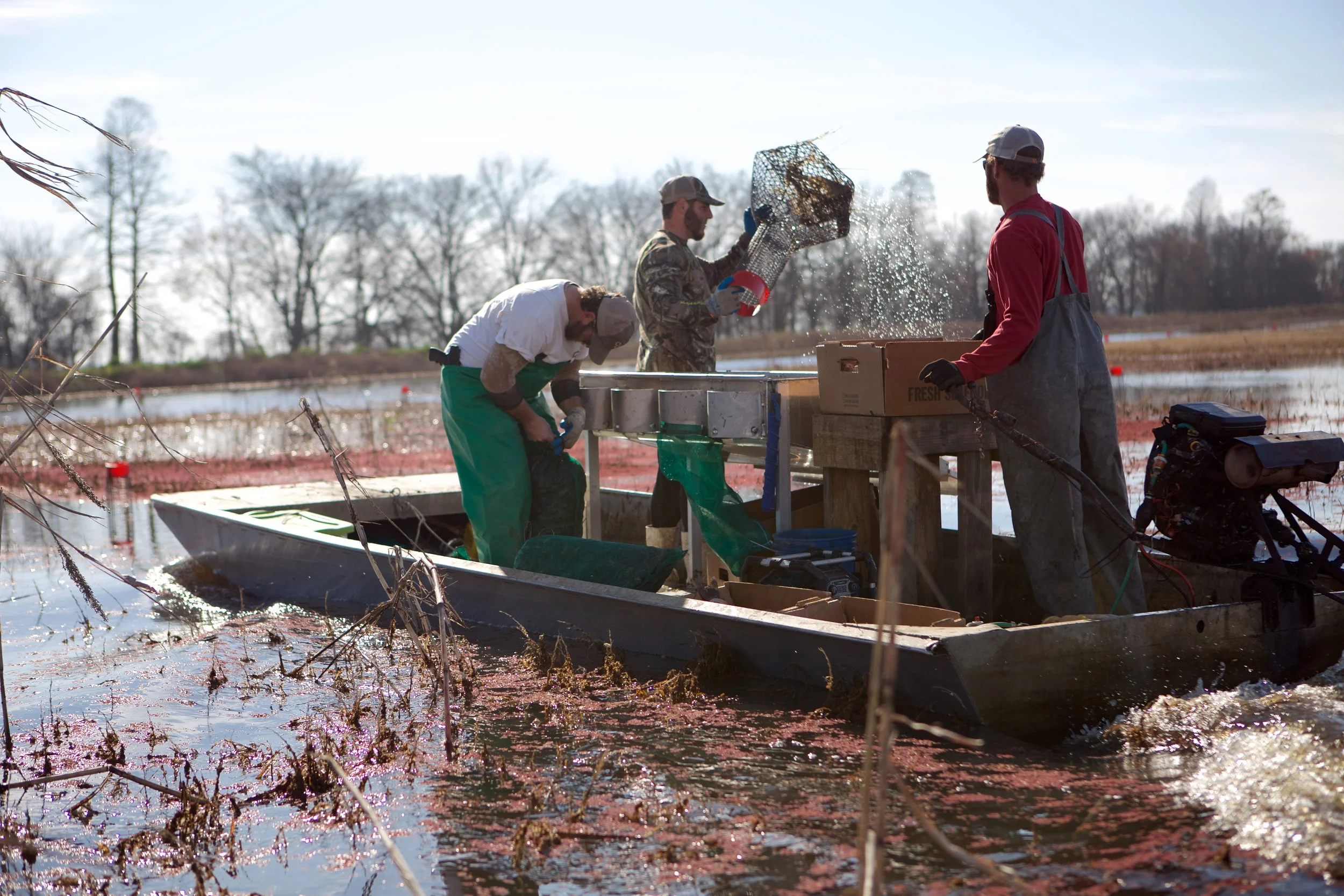
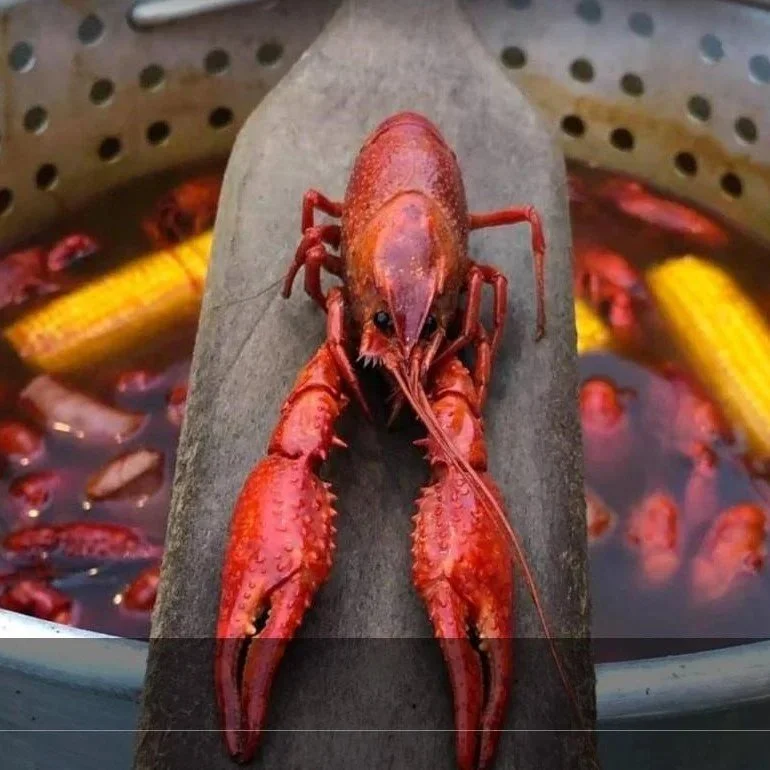
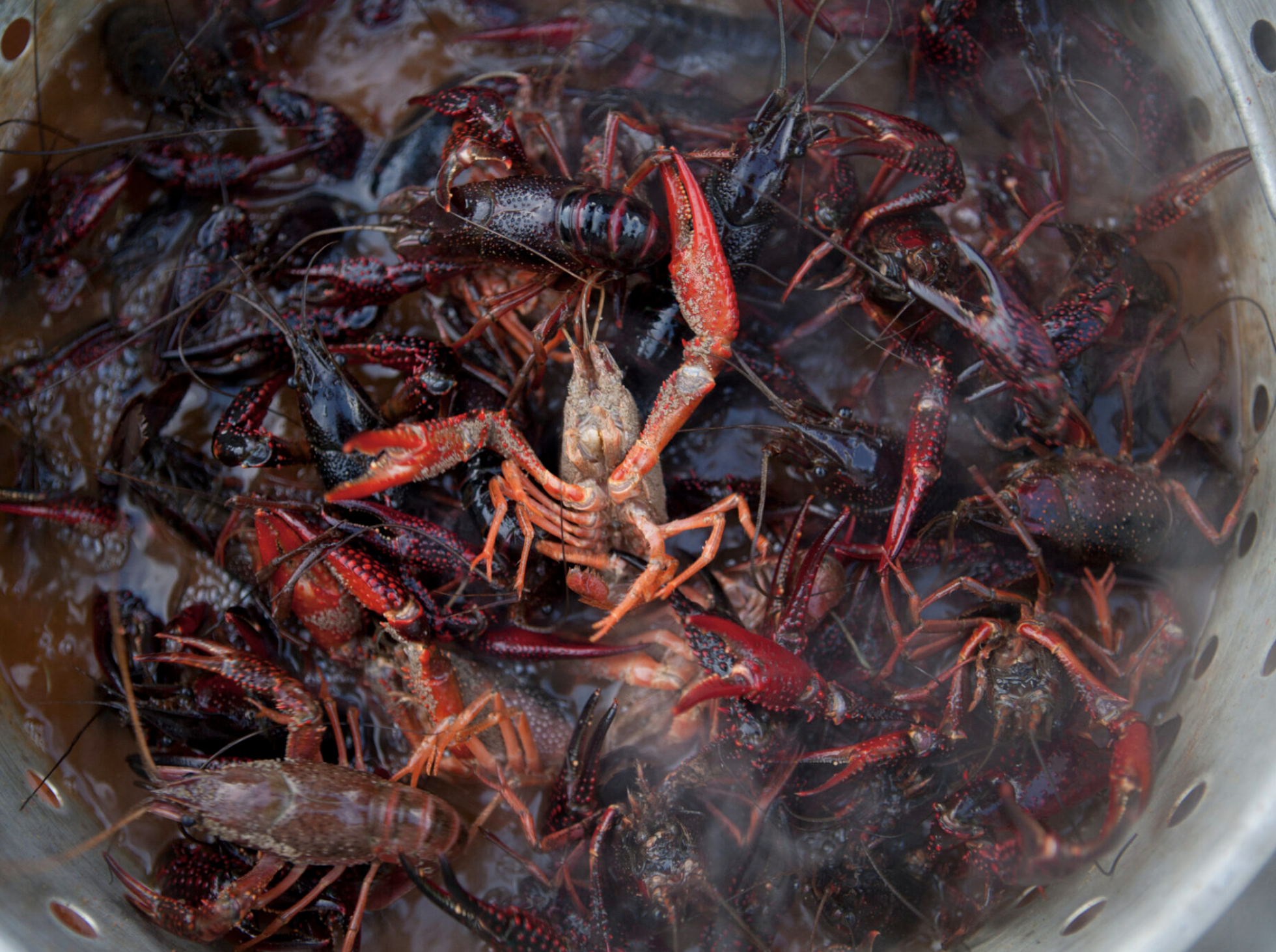
Organic radishes are pretty in a salad, but perhaps one of the purest expressions of the “farm to table” concept is the humble Louisiana crawfish boil. Baited traps are set in ponds within flooded fields and then retrieved the next morning brimming with the nocturnal creatures. Somewhere between a few hours and a few days later, the live mudbugs are made available to backyard boilers or cooked to spicy perfection in area restaurants. Whether you boil them yourself or order them off a menu, it’s a feast worth waiting months for.
Read More