
From the Crawfish Pond to the Rice Field, Dylan Benoit Farms With the Future in Mind
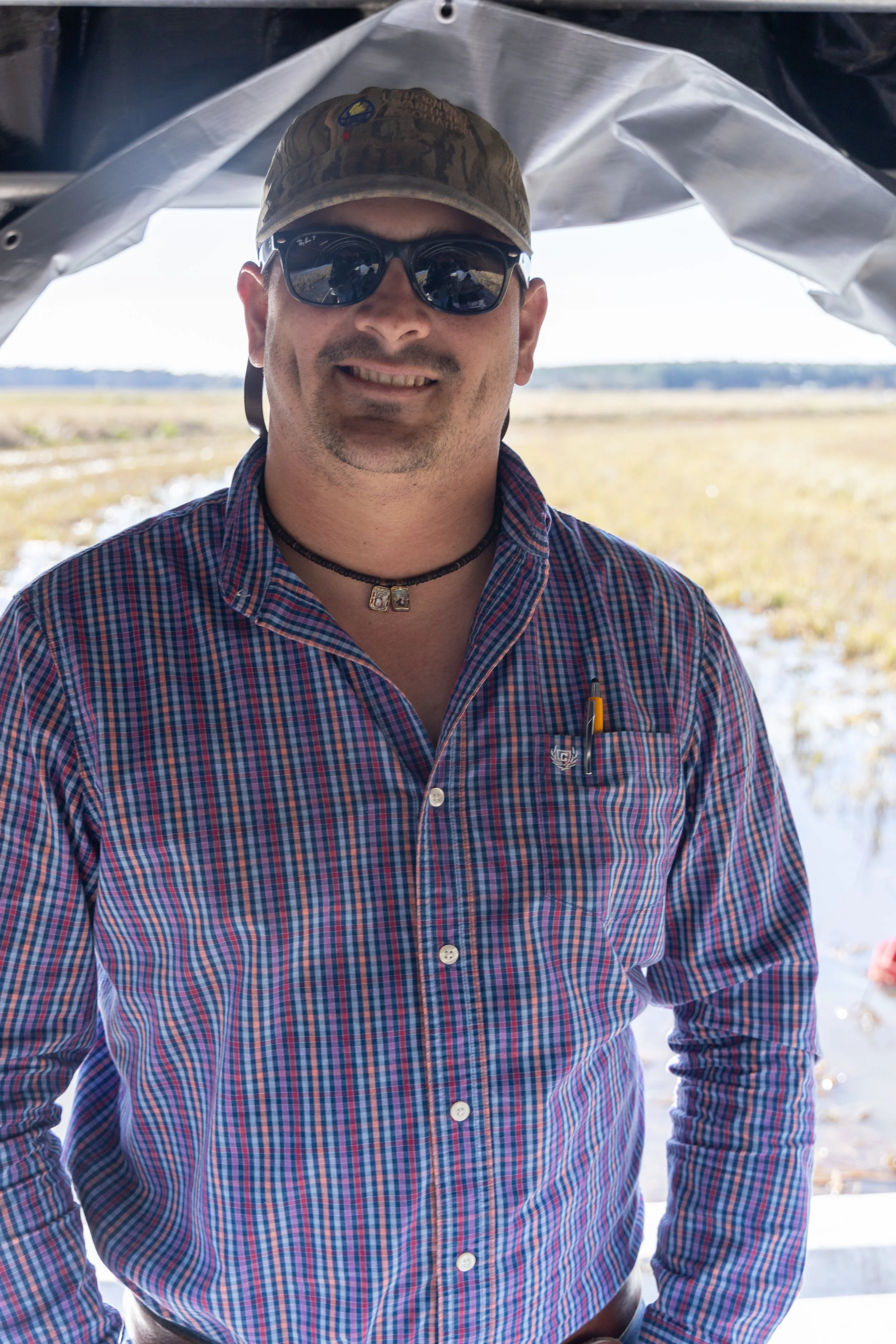
By Karl Wiggers
Louisiana Farm Bureau News
By the time most people sit down to a plate of crawfish or a bowl of rice, the farmer who produced it is often far removed from the meal.
For Dylan Benoit, that connection is a little more direct.
Benoit farms rice and crawfish in southwest Louisiana, producing food that eventually makes its way to seafood markets and consumers in Louisiana and beyond. During crawfish season, his days revolve around boats, traps, bait, water and the people who help bring the crop in from the ponds.
And while the work has changed over the generations, one thing has remained the same: much of what Benoit knows about farming was learned from the people who came before him.
“I'd love to take the credit, but all the way down to the boats, the traps, the way we do it, everything has been generationally learned,” Benoit said. “They figured it out, perfected it. Just all the people in the past that had been doing it, pioneered it. They perfected it. And I'm fortunate enough and honest enough to say that I appreciate to benefit from it.”
Benoit's first memories of crawfish farming go back to childhood.
His father had a crawfish farm inside the city limits, and Benoit remembers riding along in a Go-Devil boat, helping pick up traps and spending time on the water.
“I remember I would drive the boat and he would pick up the traps,” Benoit said. “We'd go drink coffee and then we'd go run crawfish. I mean, just some of my first memories.”
Those early experiences eventually became something more than childhood memories.
Benoit didn't decide until he was about 16 that farming was what he wanted to do. His family had encouraged him to choose his own path, but by then he had realized he wanted to return to the farm.
At 18, he made his first crop loan while still wearing a school uniform.
“I wouldn't trade it,” he said.
Now, more than a decade into farming on his own, Benoit has experienced the uncertainty that comes with making a living from the land.
The 2016 flood stands out as one of the hardest moments.
“The way it failed, the crop insurance didn't kick in,” he said. “And there was no fat at that point. I mean, that was a tough one.”
It took years to recover financially, but Benoit had something he could lean on when things looked bleak: family.
“My family was like, ‘Hey, we're going to make it through.’ And we did,” he said. “I mean, and better than ever. And I'm glad I didn't quit because it's definitely beneficial.”
Farming has taught Benoit that not everything can be controlled. Weather can change a crop. Markets can swing. Costs continue to rise.
That uncertainty has also shaped his outlook.
“If you don't believe in God, you will when you farm,” Benoit said.
Today, Benoit is balancing two crops that keep him busy throughout much of the year. Crawfish production occupies one season, followed by rice, creating a cycle that keeps the farm moving.
The work is expensive, too. Benoit estimates his cost of producing crawfish has increased by at least 30% over the past five years.
One way he manages production is by constantly evaluating what works and what doesn't. Sometimes a pond simply doesn't produce enough, and the best decision is to move on. Other times, investment in the farm can make a significant difference.
“When you do some hard laser leveling, that is a huge thing,” Benoit said. “When you start jerking every other levee out of these fields, that's their burial ground, that's their home.”
Even improvements come with a cost. Laser leveling can require Benoit to stock significantly more crawfish per acre.
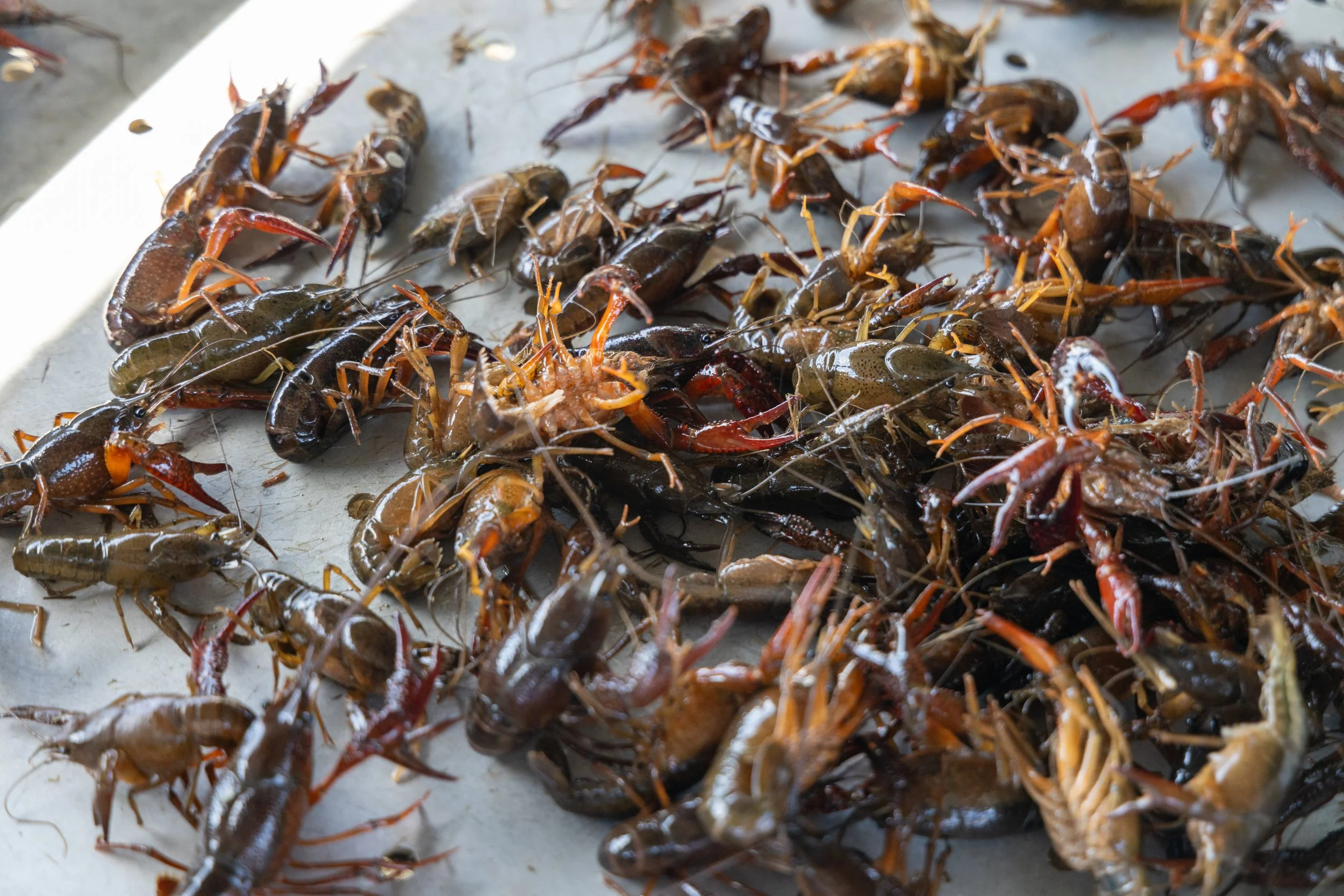
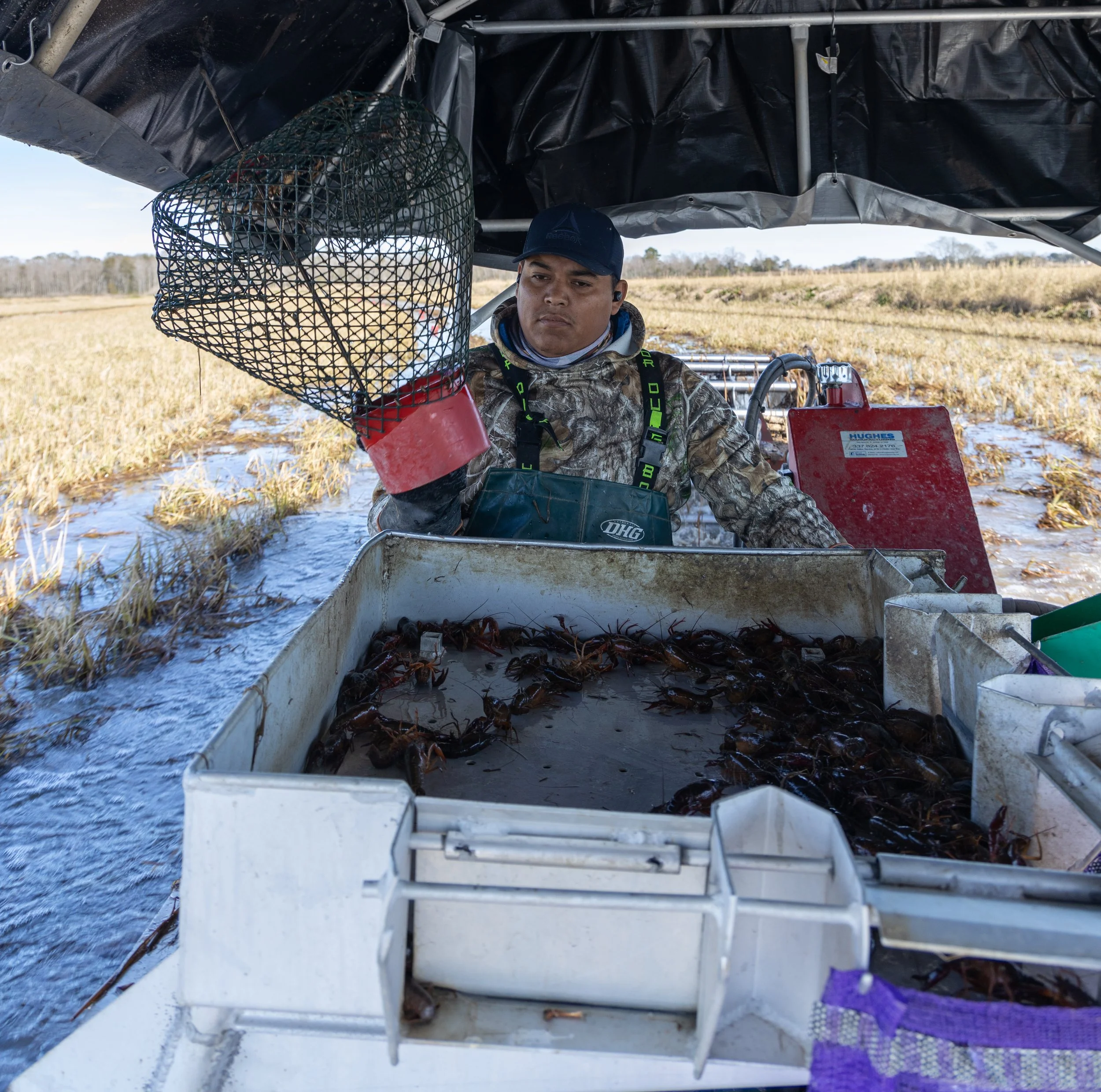
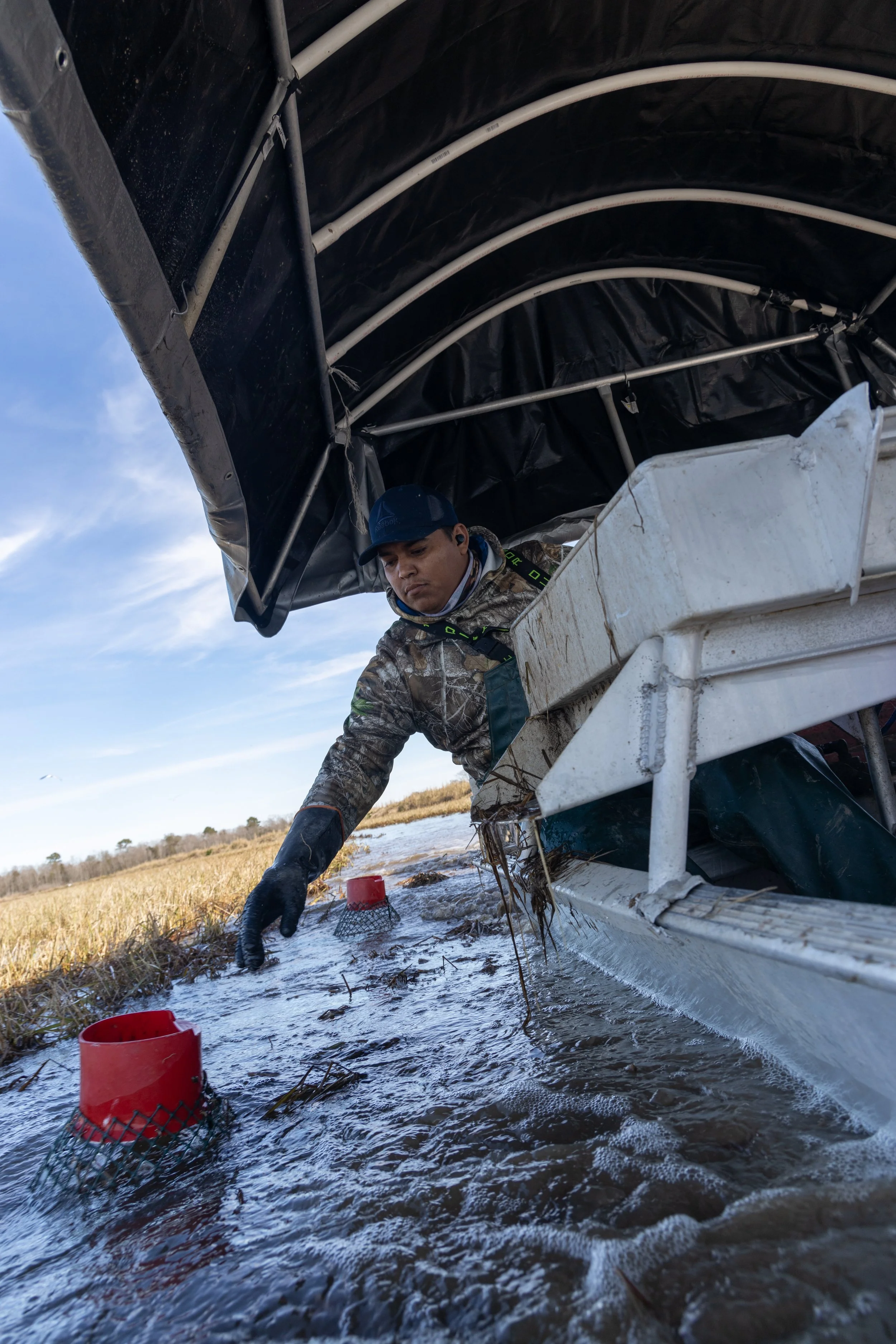
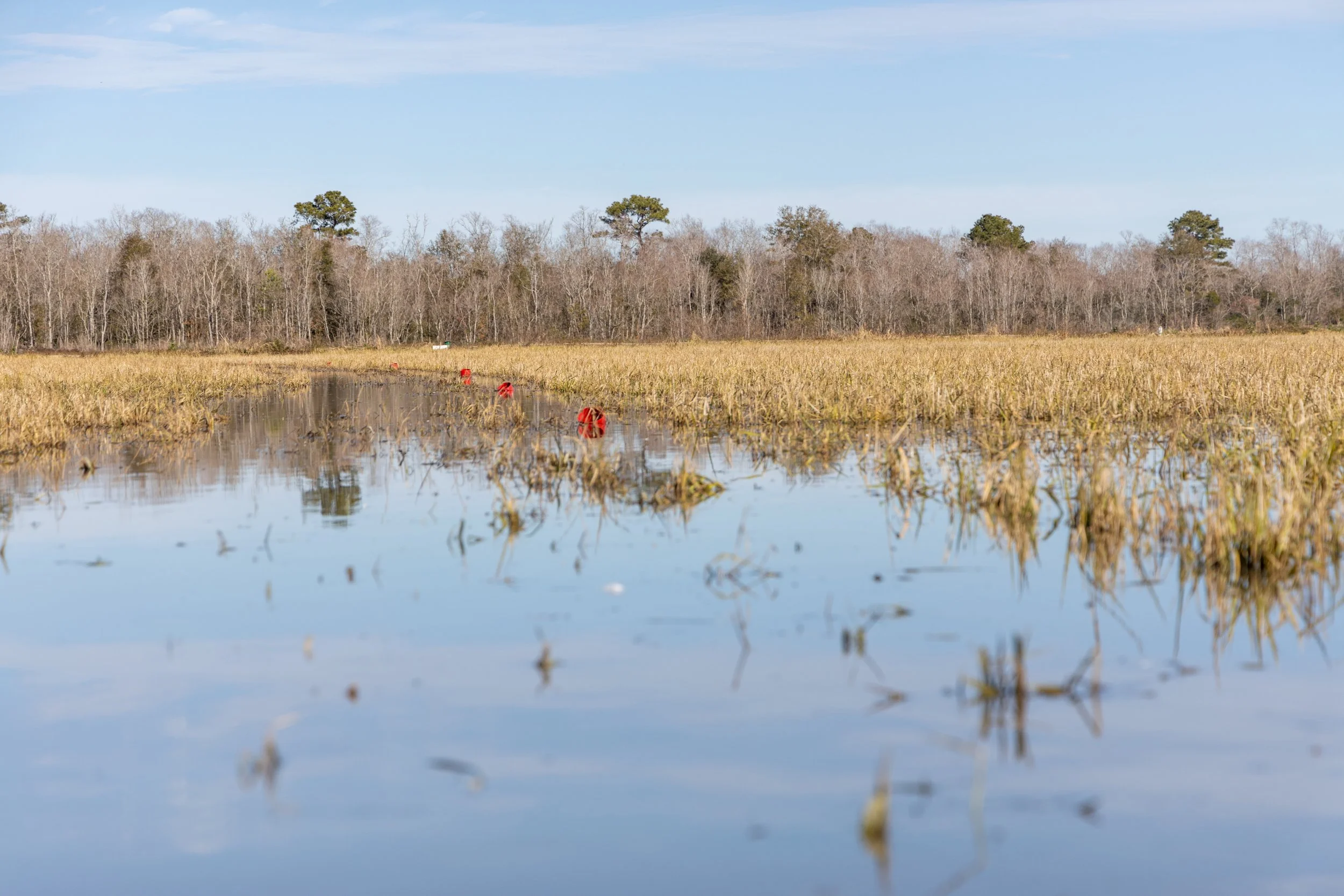
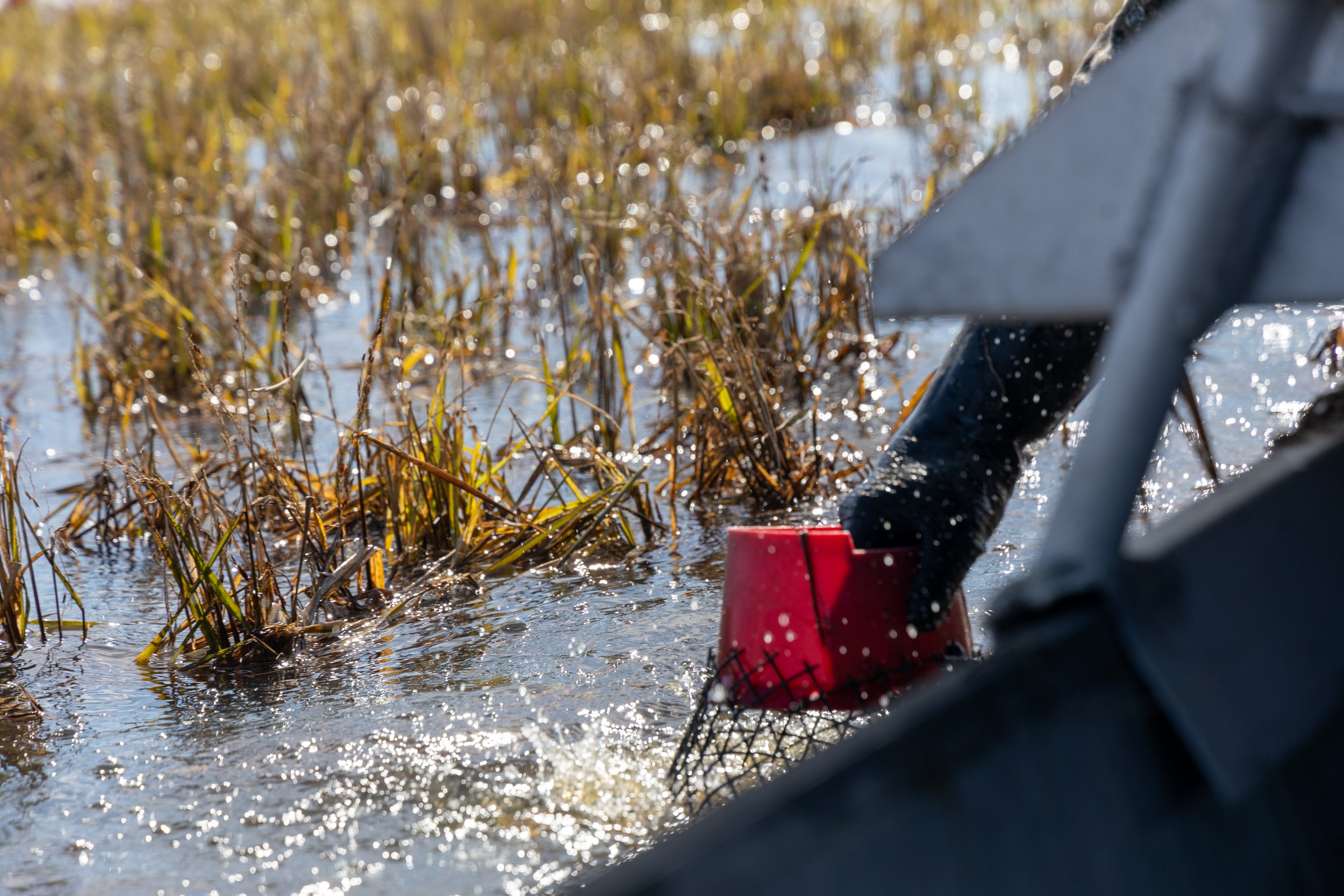
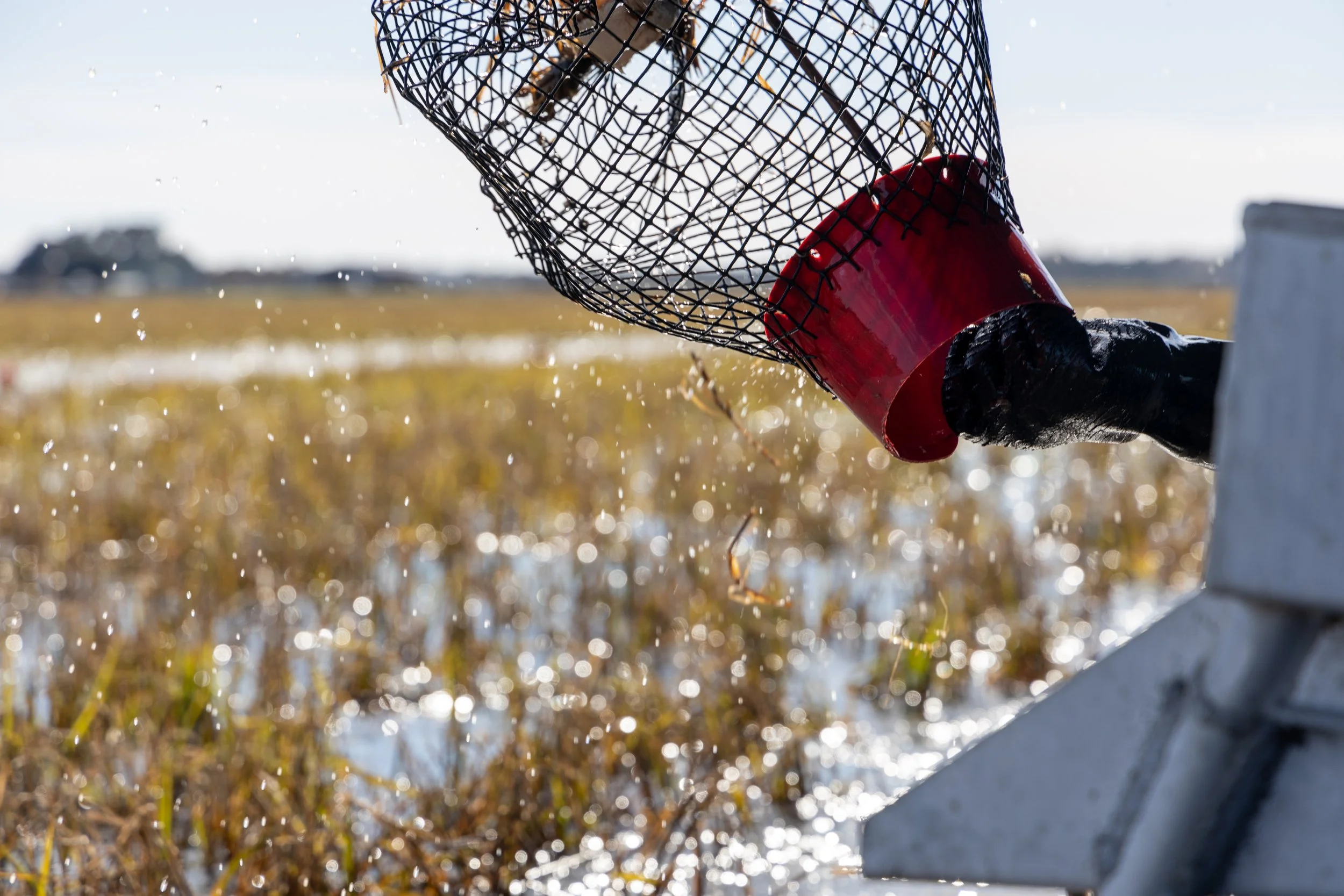
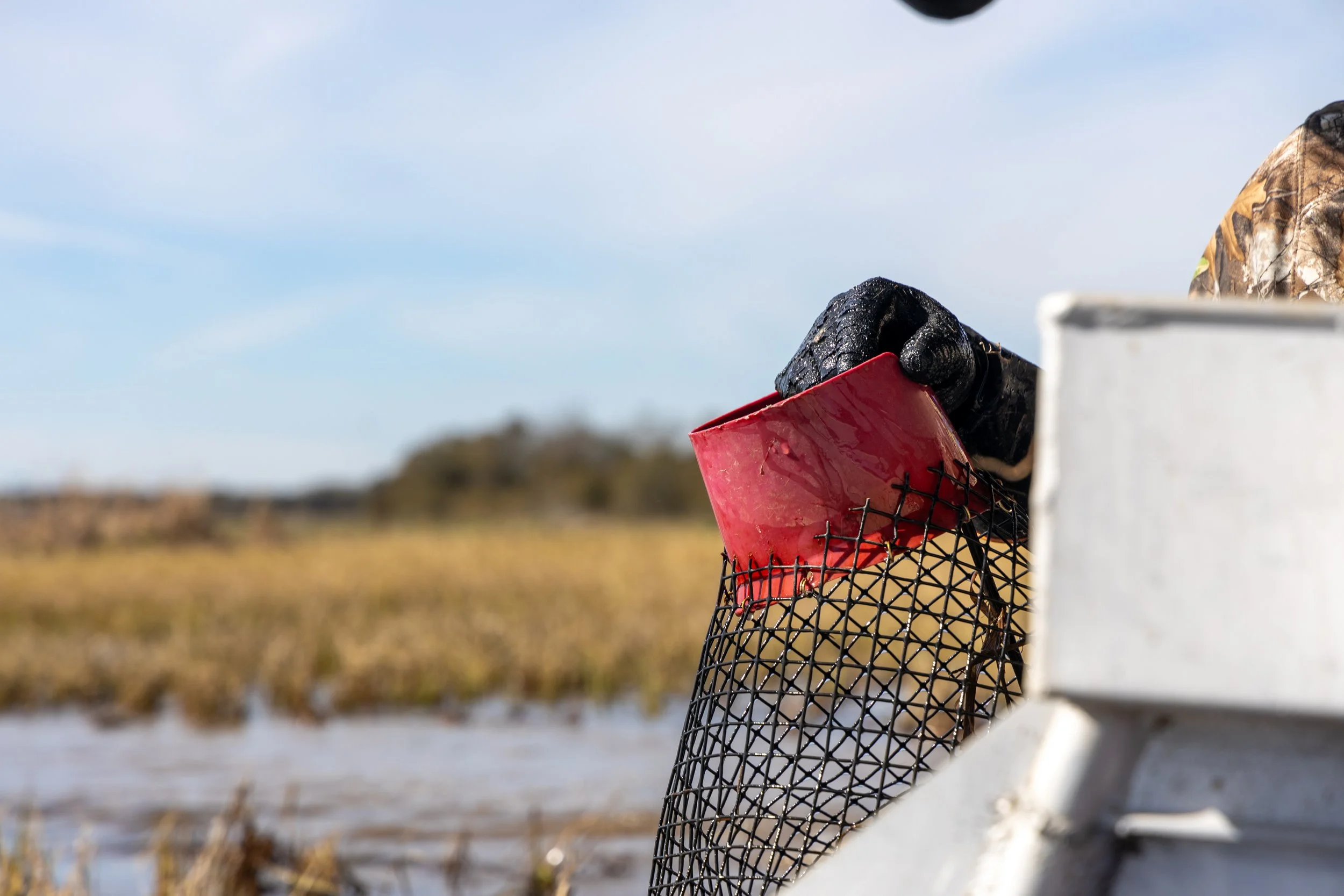
“It is. I mean, no, it's a huge expense,” he said. “But it's just what you got to do to have that production where you need it.”
For Benoit, though, farming isn't simply about maximizing production. There is a certain satisfaction in knowing exactly where the food on his family's table came from.
“We take a lot of pride,” he said. “We eat it. I feed my family the same thing.”
That connection between the farm and the consumer is something Benoit recognizes as a blessing.
“I never thought of it that way, but it is a blessing,” he said.
He also understands that farming is becoming increasingly uncommon, especially for children growing up outside of rural communities.
Benoit wants his own children to experience at least some of what he did growing up.
“I don't take it for granted. There's 1% of us,” he said.
He remembers childhood on the farm as a mix of work and family. His father, grandfather and uncle worked together, and everyone had a job. The family would gather for lunch at his grandmother's house before returning to the fields.
“It was good,” Benoit said of growing up that way. “I'm glad. I wouldn't trade anything for the world. But it was definitely a good childhood.”
Passing that experience on isn't always easy in a modern farming operation, but Benoit hopes his children will have the opportunity to participate in the farm as they grow.
“Sometimes I think we can go so fast that the kids don't get a chance to participate like I did,” he said. “And it was, I hope I can do that for my kids.”
Benoit's involvement in agriculture also extends beyond his own farm. He serves on the Rice Research Board and his cooperative board, giving him an opportunity to contribute to decisions affecting farmers beyond his own operation.
At first, he was hesitant to take on those responsibilities.
“I was nervous to reach out and do it because I didn't want to take time away from my farm,” he said. “Because I was just getting started and I didn't think I had the knowledge to give at that time.”
That changed once he became involved.
“It’s been super beneficial,” Benoit said. “They’re always willing to explain. It really helps you on the financial side, learn just how another business operates or whatnot.”
For Benoit, serving on the Rice Research Board provides an opportunity to bring the perspective of a working farmer into agricultural research.
“I do get to give an honest opinion on my perspective of what they're doing,” he said. “Whether it's a variety that works on my farm, it don't work on my farm. And I mean, that's the only way they're going to know the truth.”
He believes farmers should have some “skin in the game”—not necessarily by serving on every board or committee, but by making an effort to participate where they can.
“I think it's really valuable, but it's only as good as the effort you're going to give,” Benoit said. “I don't want to serve on 10 boards, but I do enjoy doing two and having that participation.”
That same practical optimism carries into the year ahead.
After a difficult crawfish season the previous year, Benoit entered the new season encouraged by what he was seeing in his ponds. Cold weather could slow production, but he remained hopeful.
“I am very optimistic,” he said. “Everything looked good. It looked to be average.”
And when crawfish season ends, the rice crop will begin.
“We're going to plant it,” Benoit said. “We got the drills. We're about to look over them and we're going to plant it.”
There are still plenty of questions ahead—about weather, markets, interest rates and the cost of doing business. That's simply part of farming.
But Benoit has already learned that farming isn't about eliminating uncertainty. It's about finding a way through it.
His family did it for him. Now he's building something he hopes his children can one day become part of.
And after everything he's experienced, Benoit remains confident in the decision he made as a teenager.
“I wouldn't trade it.”