After the Ice: North Louisiana Farmers and Ranchers Assess Devastating Damage from Winter Storm Fern
By Kristen Oaks-White
Louisiana Farm Bureau
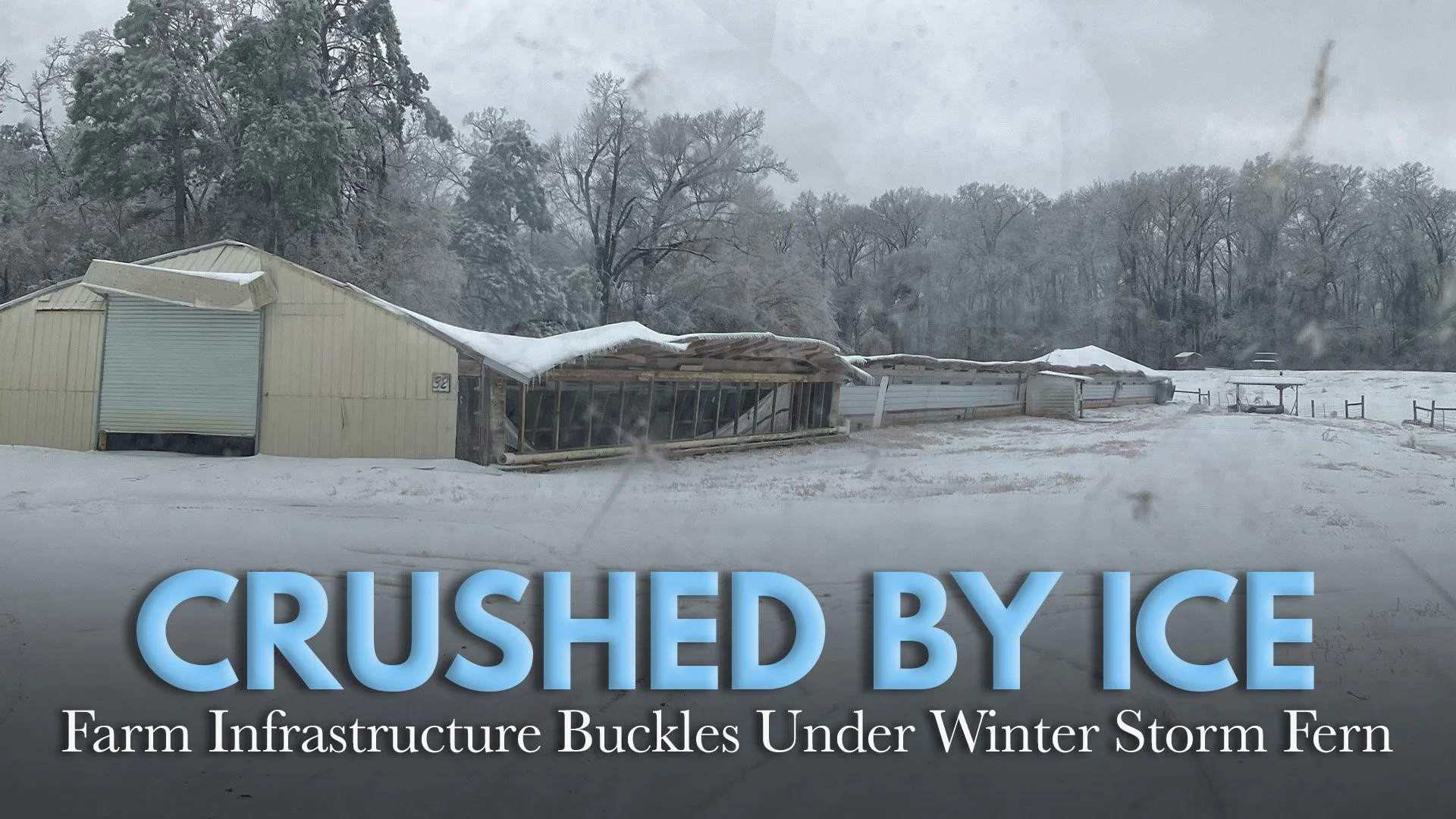
A rare and relentless winter storm left north Louisiana reeling this weekend, as hours of frozen precipitation placed extraordinary stress on farm infrastructure across the region. Poultry houses, barns and sheds were among the structures reported collapsed under the sheer weight of accumulated sleet and ice — damage that farmers say is the worst to hit since Winter Storm Uri in 2021.
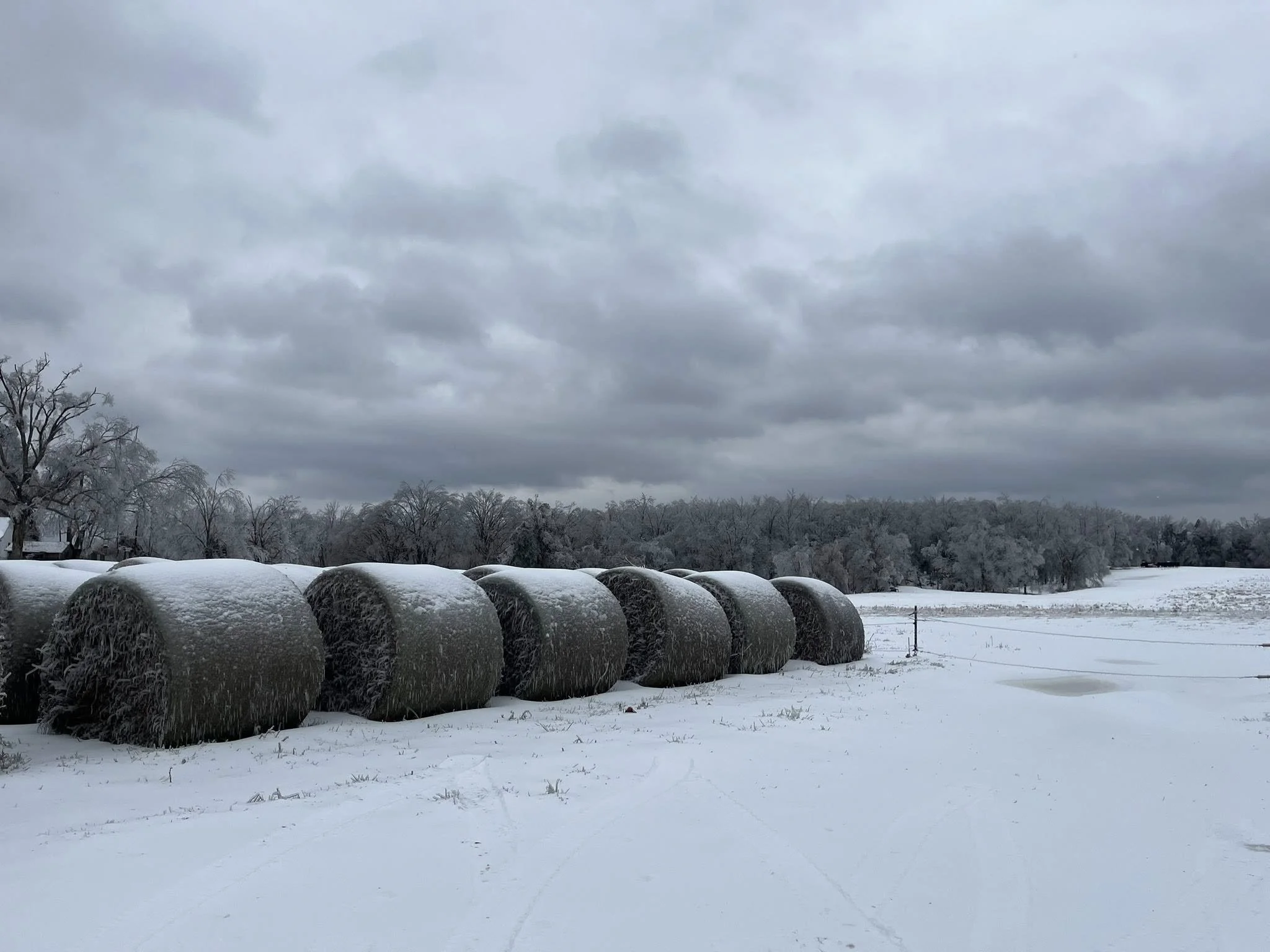
Producers across north Louisiana say they cannot recall another storm that delivered 10 to 12 hours of uninterrupted sleet. Throughout Sunday, ice pellets hammered metal roofs with unrelenting force, a sound many described as both deafening and unnerving.
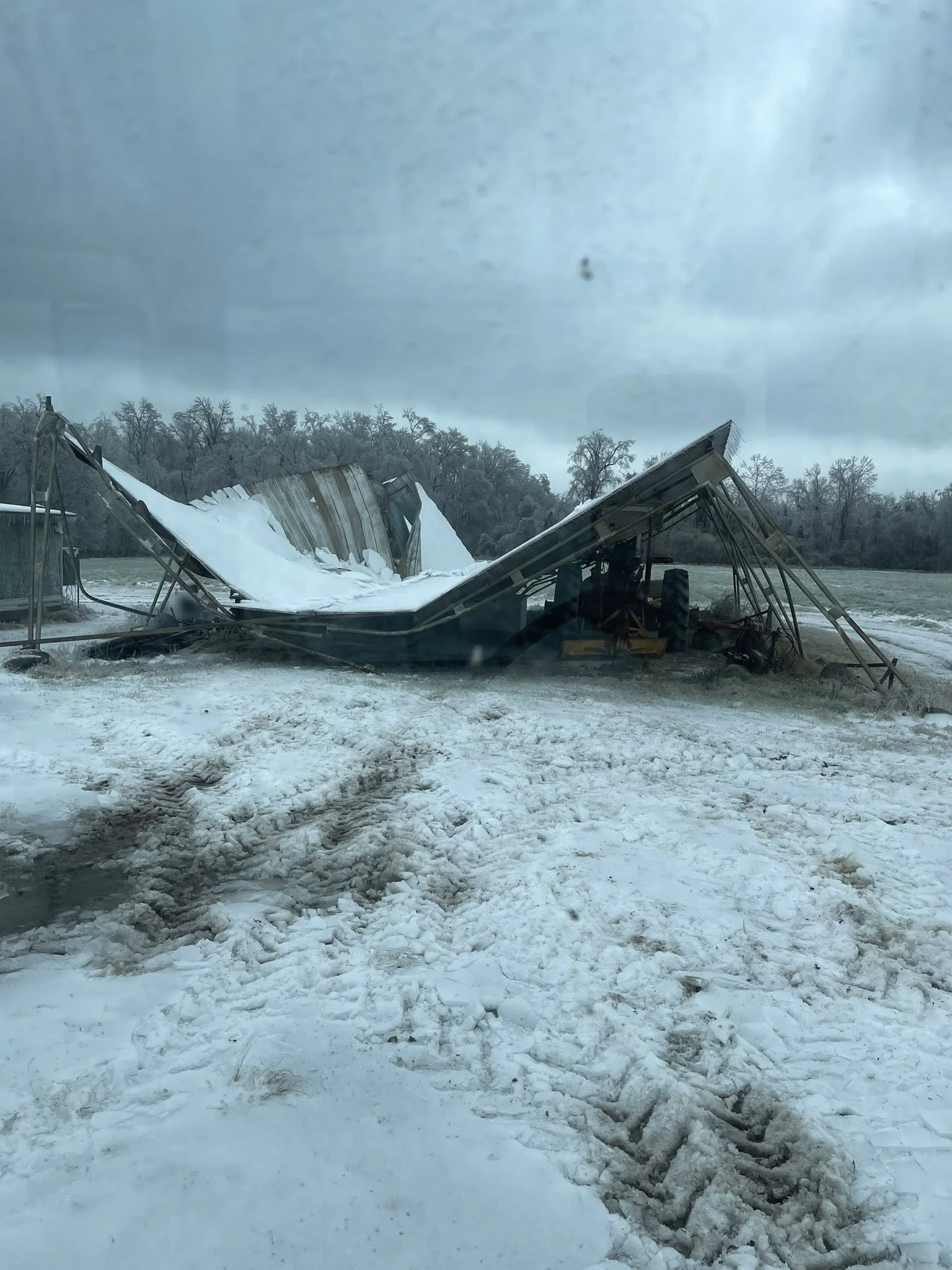
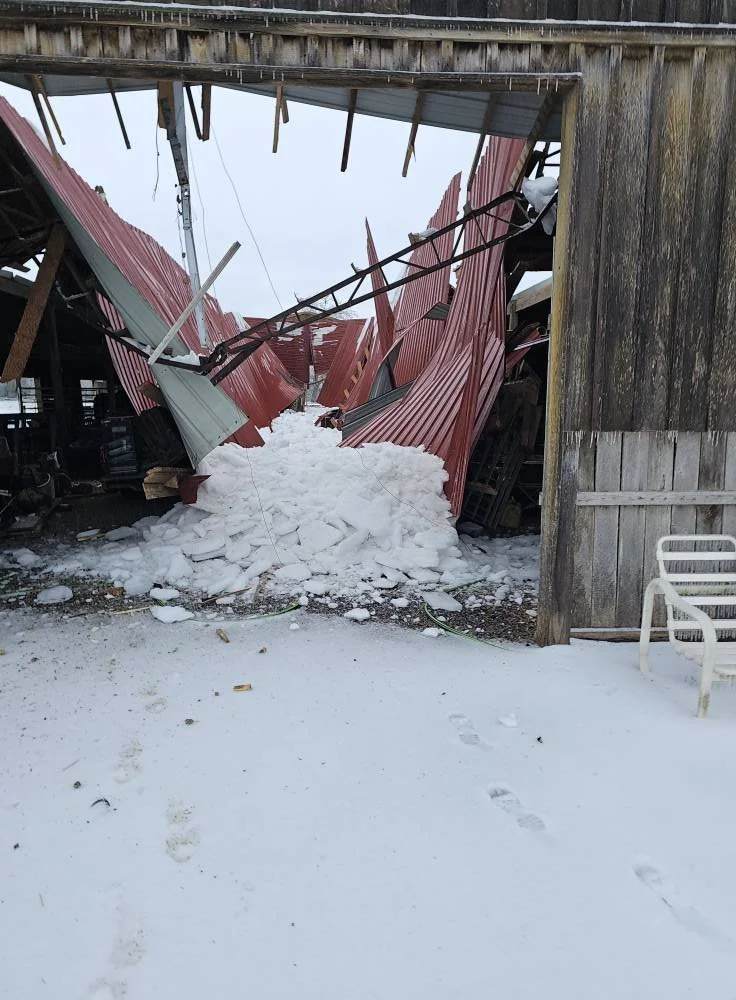
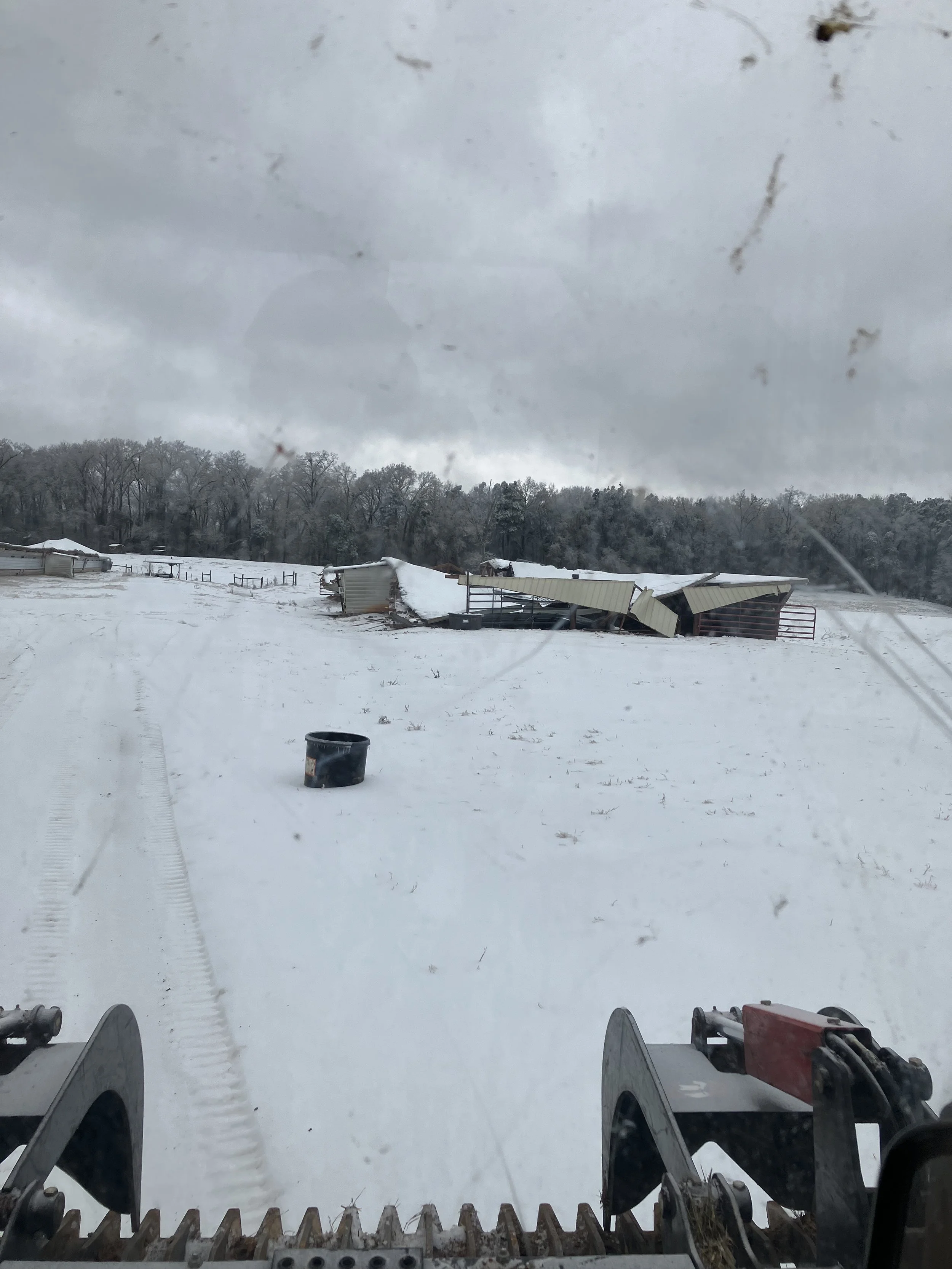
The prolonged sleet event proved especially destructive for poultry operations, where long, flat roofs are particularly vulnerable to heavy ice accumulation. As the storm wore on, producers watched helplessly as roofs bowed and structures failed, often with little warning.
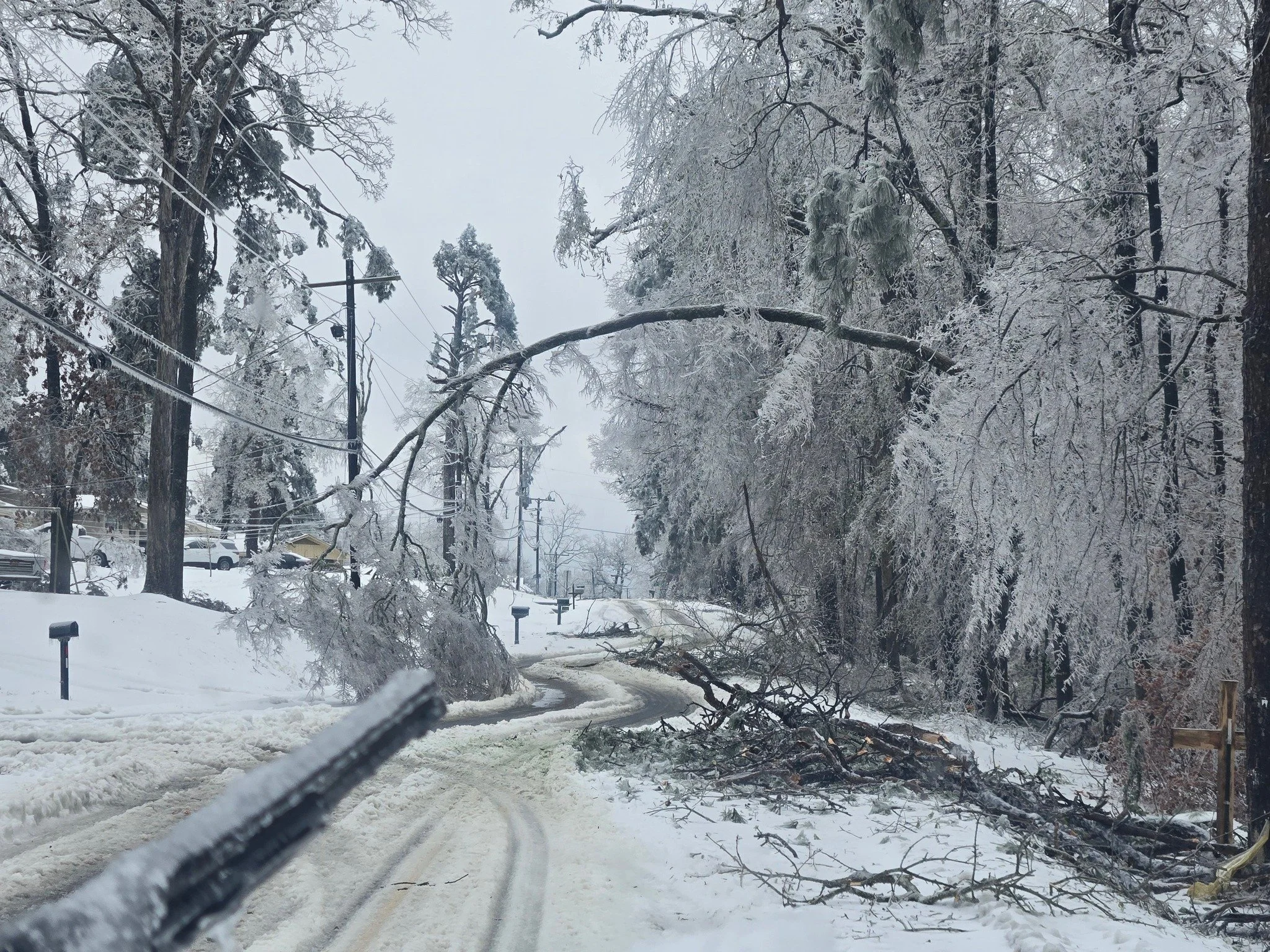
The full extent of poultry and property losses remains unclear as farmers and emergency crews continue assessing damage. In several areas, operations remain inaccessible due to icy roads, downed power lines and fallen trees, slowing recovery efforts and delaying access to affected facilities.
Beyond structural damage, the storm brought prolonged cold and hazardous conditions that strained livestock operations across north and central Louisiana. Frozen pastures, iced-over water systems and power outages forced many ranchers to provide additional feed and manually maintain water access for cattle and other livestock.
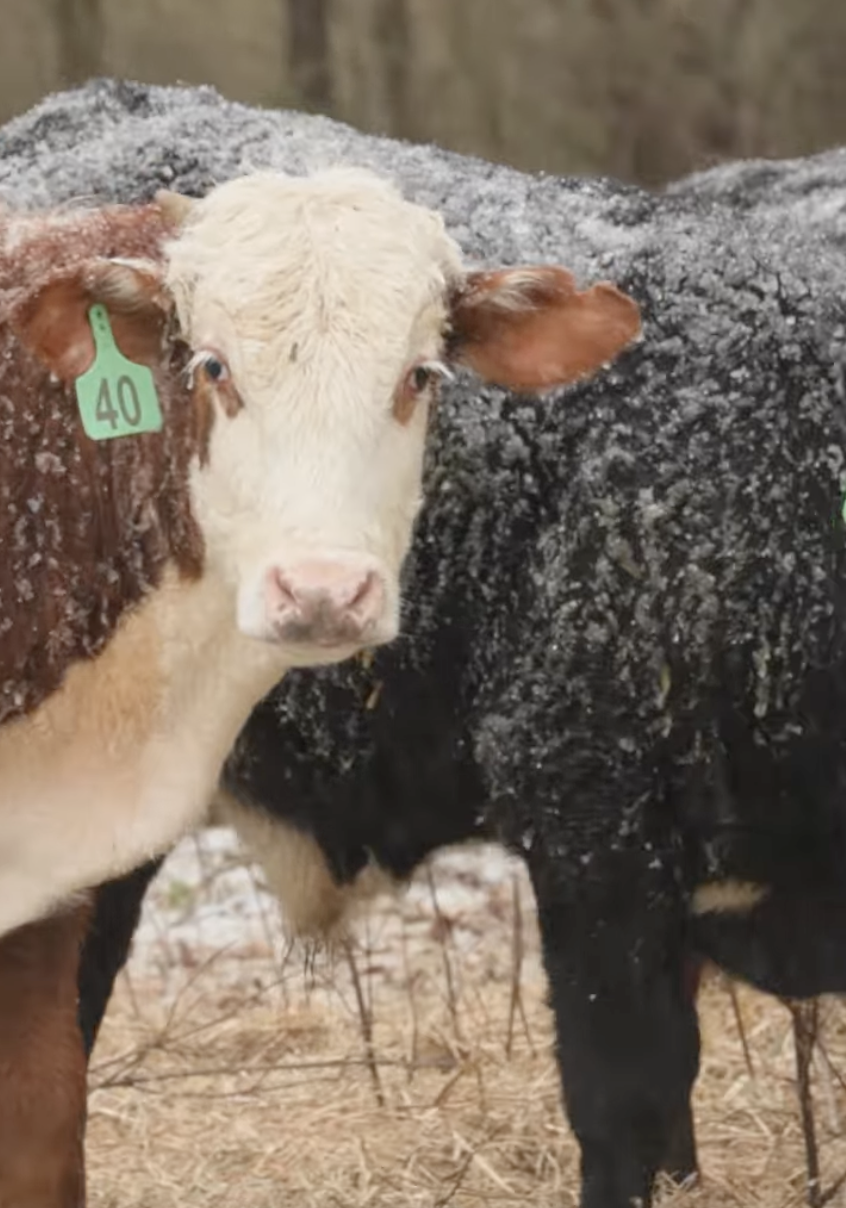
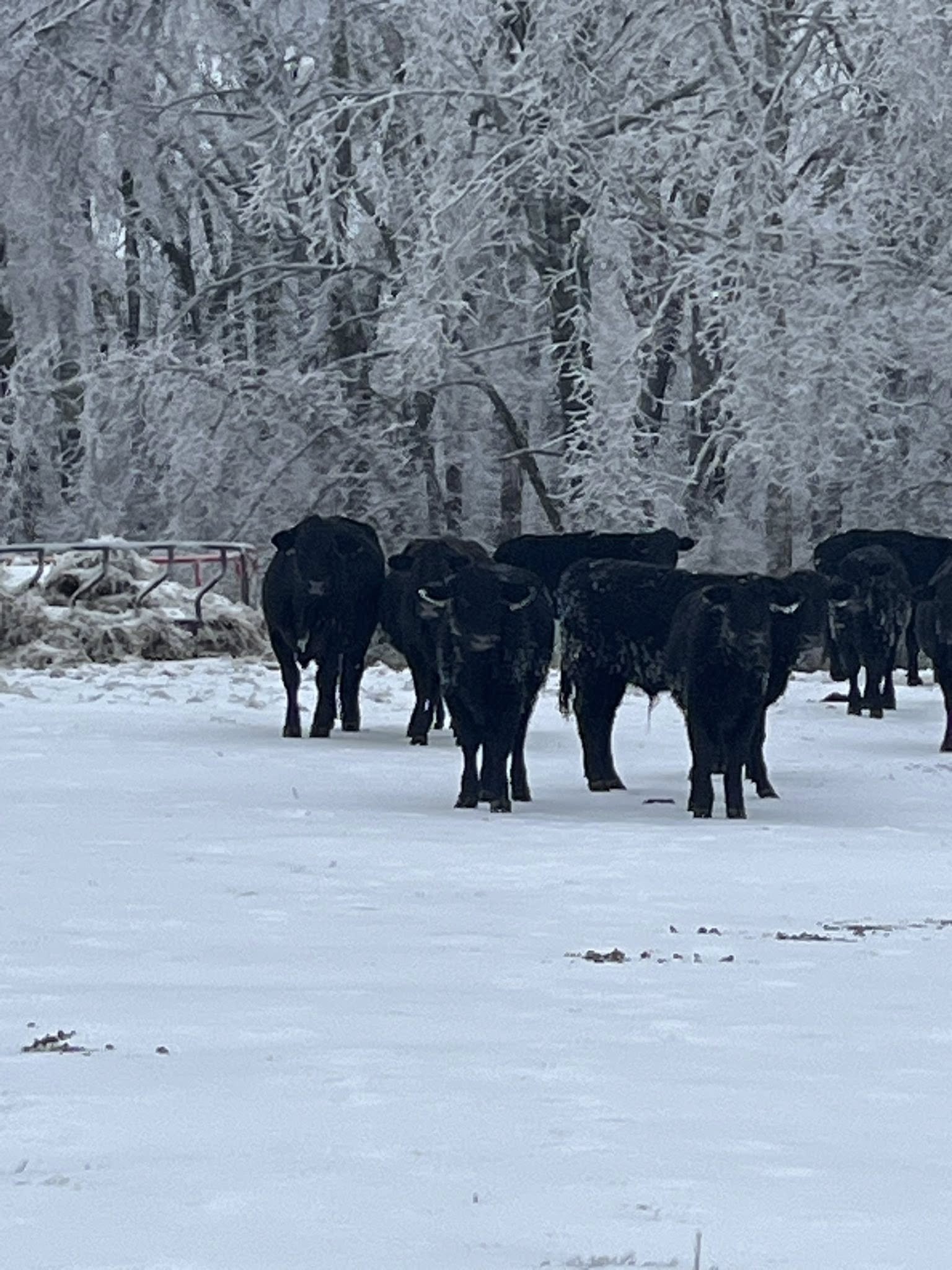
Winter grazing pastures, including ryegrass relied upon by many producers, sustained damage from the freeze and ice. Specialty crop growers and greenhouse operators also reported losses as structures collapsed or heating systems failed during power outages.
Widespread power outages compounded challenges for rural communities. Electricity is critical for poultry houses, water pumps, feeding systems and electric fencing, and in many parishes outages lasted well beyond the end of the storm. The lack of power and hazardous travel conditions slowed emergency response and recovery efforts, leaving producers in a holding pattern as they waited to safely assess damage.
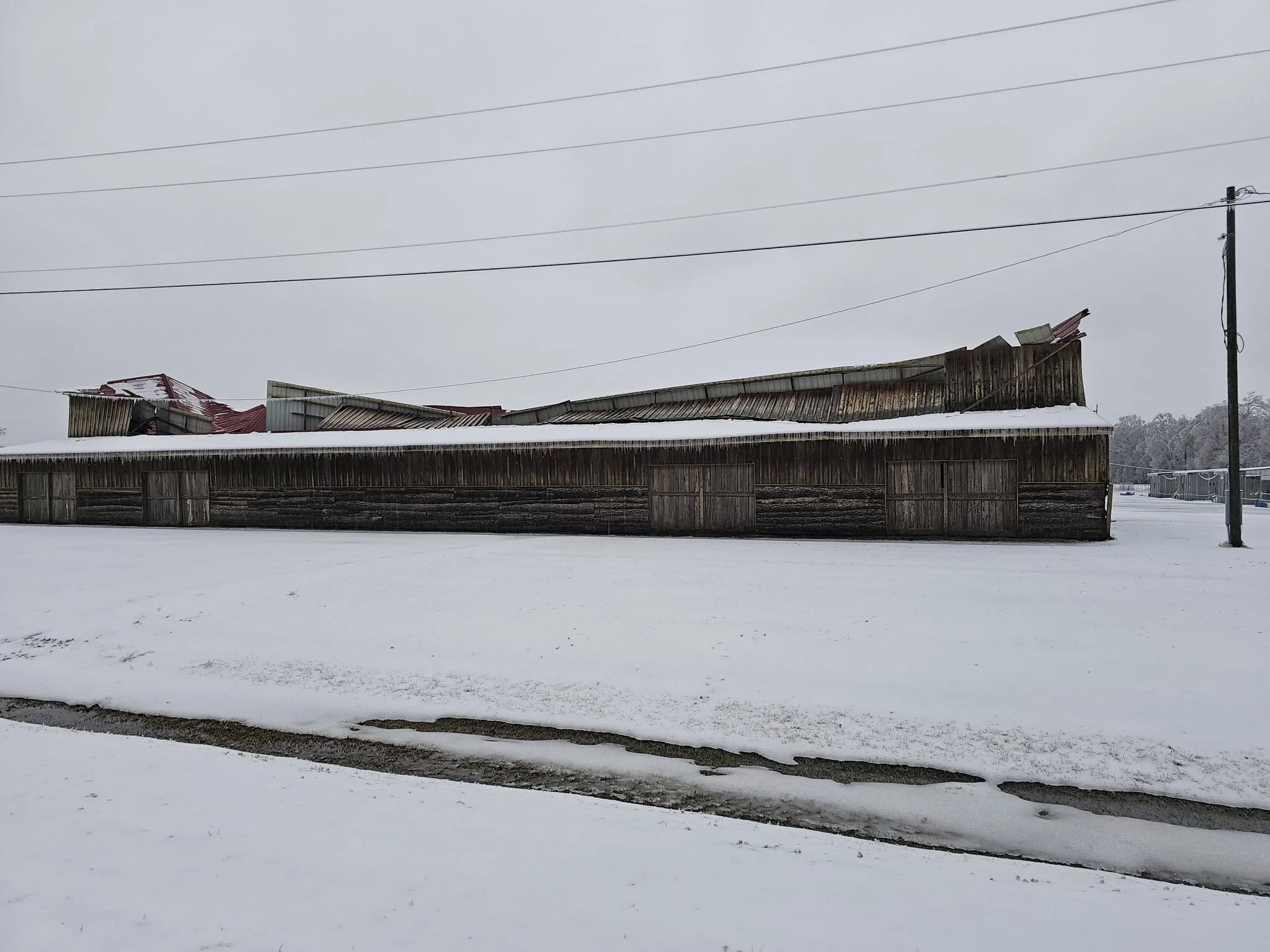
It may take days — or even weeks — for farmers, local officials and agricultural agencies to fully assess the storm’s impact on Louisiana agriculture. Many producers are still documenting losses and working with emergency crews to regain access to damaged properties.
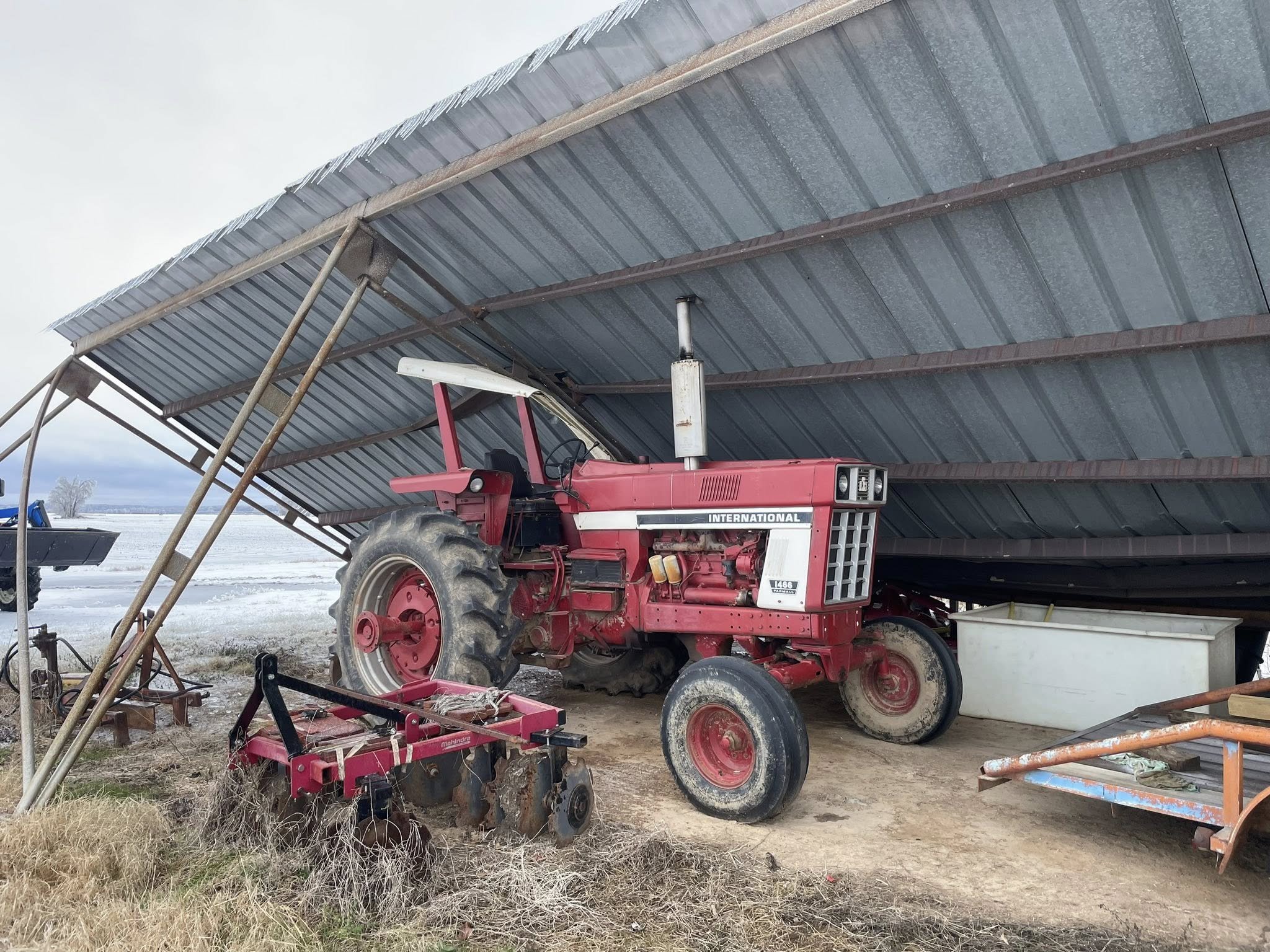
State and federal agriculture officials are urging farmers and ranchers to thoroughly document structural damage, livestock losses, feed shortages and storm-related expenses. Producers are encouraged to contact local USDA Farm Service Agency offices as disaster assistance programs may become available.
While Louisiana is no stranger to hurricanes and flooding, extreme winter weather remains a rare but serious threat. This storm has delivered a sobering reminder of how vulnerable farm infrastructure can be to unusual and prolonged cold events — and how quickly conditions can overwhelm even well-prepared operations.
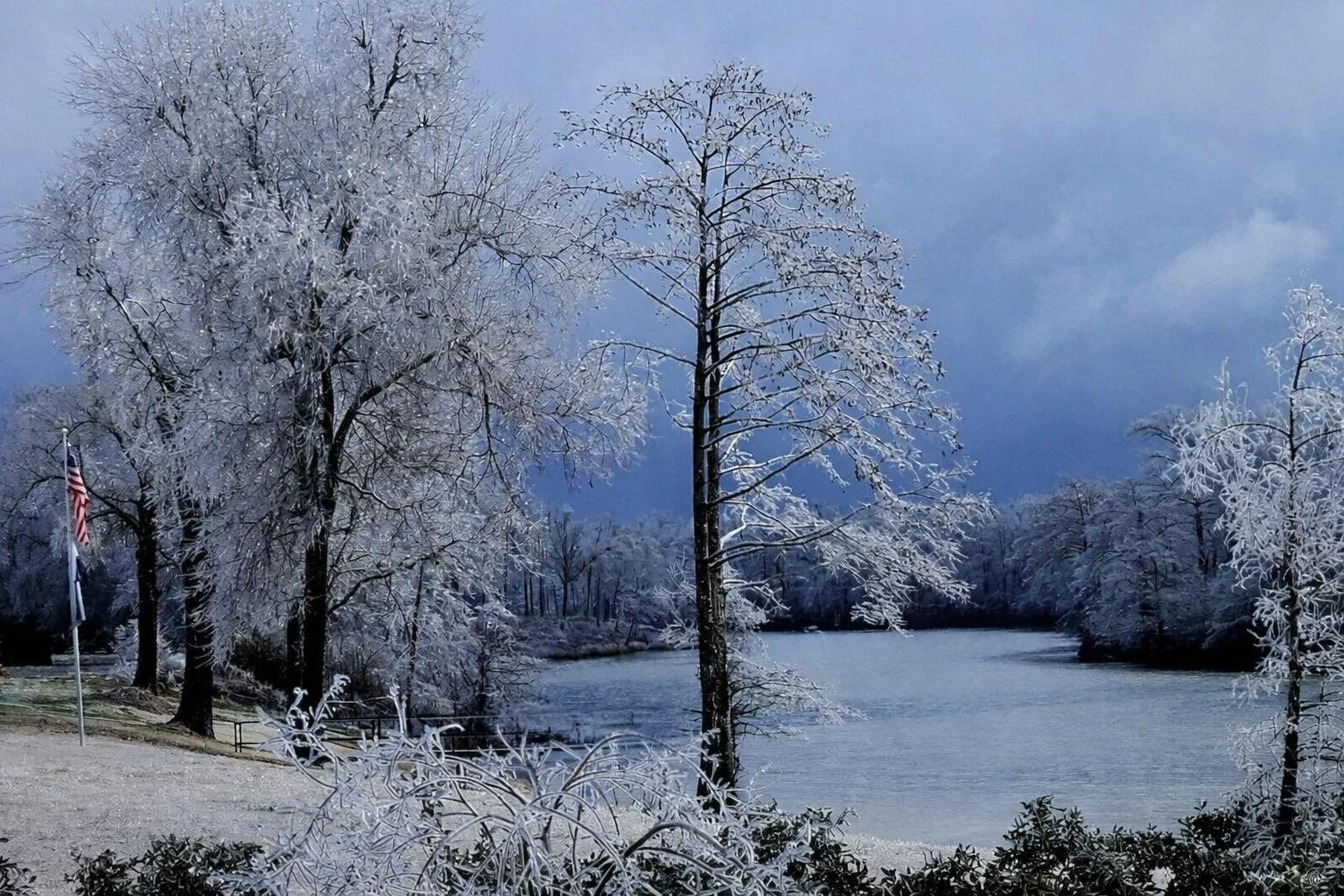
As temperatures slowly rise and ice begins to melt, farmers and ranchers across north Louisiana are shifting from survival mode to recovery, facing the long road of rebuilding while continuing to care for livestock and crops in the days ahead.