US Regains Market Share In Central America Rice Trade
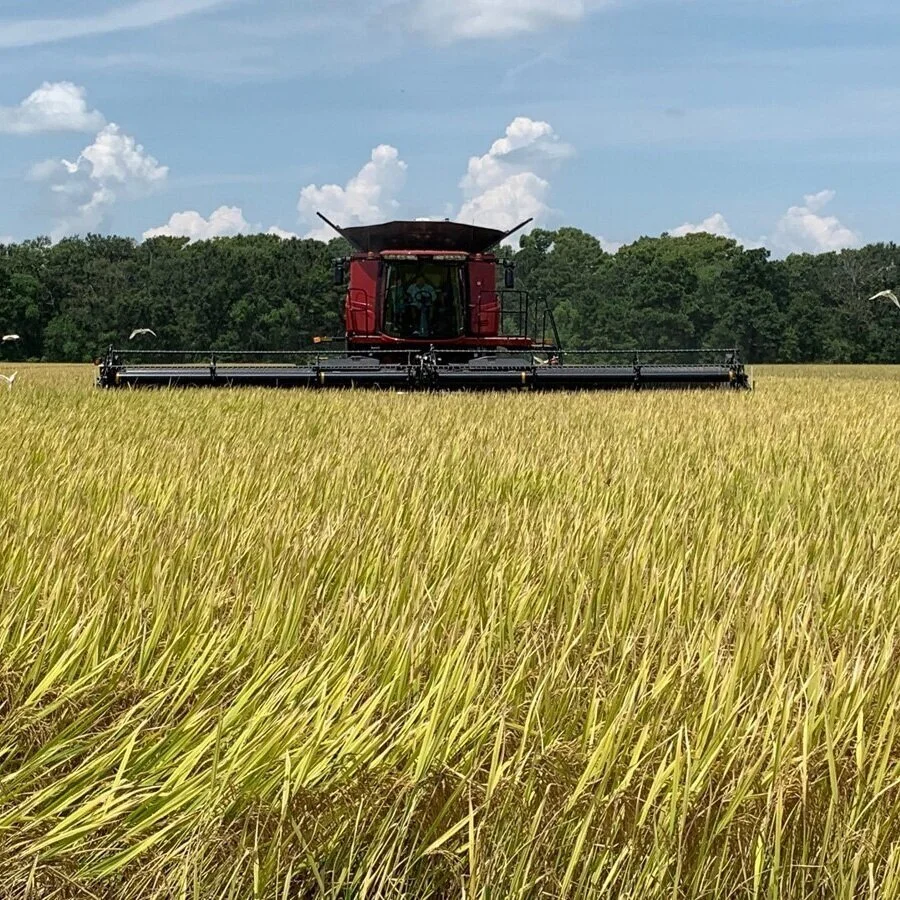
Central America continues to be a key rice importing region in the Western Hemisphere. Demand is expected to grow given rising consumption trends for this staple grain. With limited production in most of these countries, imports will remain significant. While the United States is a major rice exporter to the region, South American countries have been formidable competitors, although not this year.
Read More
Farmers Frustrated at Disaster Assistance in the Aftermath of Hurricane Laura
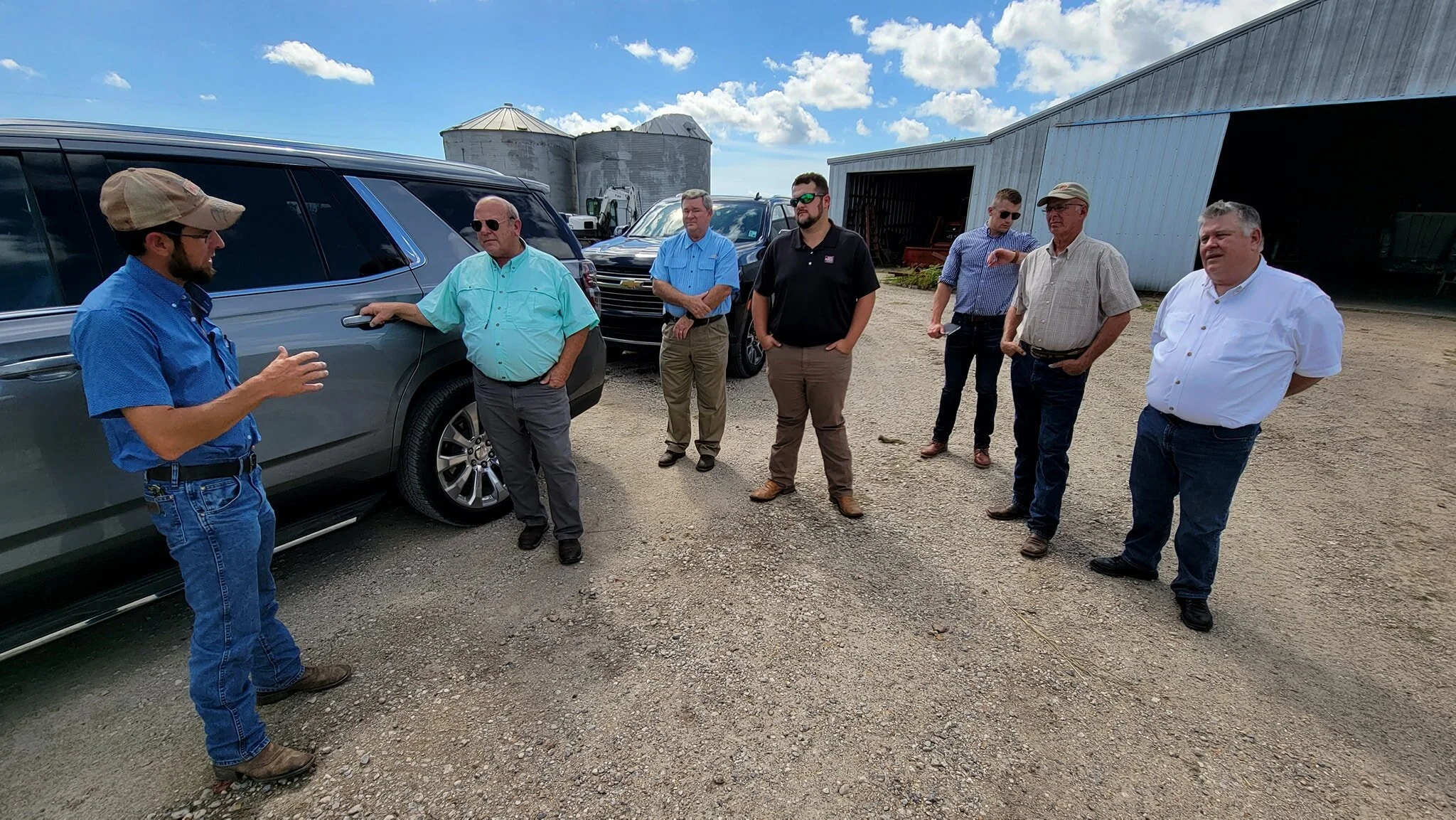
More than one year after Hurricane Laura caused more than $1.6-billion in damage to the state’s agriculture industry, some farmers say assistance has been inadequate.
“It’s very slow to get any type of aid in your pocket,” said farmer Brandon Vail. “It's not a cheap deal to rebuild and rebuilding is going to take several years.”
Read More
WASDE Rice: Reduced Domestic Supplies, Use
The outlook for 2021/22 U.S. rice this month is for reduced supplies, lower domestic use, unchanged exports, and smaller ending stocks. Supplies are reduced on lower projected imports as they more than offset minimally higher production.
Read More
USDA Sees Lower Sugar Supply in 2021-22
The US Department of Agriculture in its Oct. 12 World Agricultural Supply and Demand Estimates report raised from September its estimate of 2020-21 sugar ending stocks but lowered its forecast for 2021-22 ending stocks as lower imports and lower cane sugar production more than offset higher beginning stocks and higher beet sugar production.
For 2020-21, which ended Sept. 30, the USDA lowered domestic cane sugar production by about 20,000 tons, raw value, as a late start to the sugar cane harvest in Louisiana pushed more sugar into the new marketing year. Beet sugar production was unchanged from September.
Read More
USDA Launches First Phase Of Soil Carbon Monitoring Efforts Through CRP Initiative
The U.S. Department of Agriculture (USDA) is investing $10 million in a new initiative to sample, measure, and monitor soil carbon on Conservation Reserve Program (CRP) acres to better quantify the climate outcomes of the program. CRP is an important tool in the Nation’s fight to reduce the worst impacts of climate change facing our farmers, ranchers, and foresters. This initiative will begin implementation in fall 2021 with three partners. Today’s announcement is part of a broader, long-term soil carbon monitoring effort across agricultural lands that supports USDA’s commitment to deliver climate solutions to agricultural producers and rural America through voluntary, incentive-based solutions.
Read More
Electronic Acre Certification On The Horizon
If Martin Barbre has his way, it soon may be a whole lot easier to certify your acres with the Farm Service Agency.
How easy? Think from your home, at your computer — without a trip to the FSA office, which could be clear across the county.
“All producers will be able to sit at home and do acreage reporting at their own computer, rather than going to the FSA office and standing there with stacks of books and maps,” Barbre says.
Read More
Moving Grain: $500M In Relief For Ag Transportation Challenges
On September 29, USDA announced $3 billion in investments targeting “urgent challenges facing agriculture today,” as part of Secretary Vilsack’s work as co-chair of the President’s Supply Chain Disruptions Task Force. Of the $3 billion total, $500 million will be made available via the Commodity Credit Corporation to provide relief from increased transportation challenges, scarcity and rising costs of certain materials, and other near-term obstacles related to the marketing and distribution of certain commodities .
Read More
Corn, Soybeans: Expectations For Tuesday's USDA Reports
On Tuesday, Oct. 12, USDA is expected to release higher ending stocks estimates of U.S. corn and soybeans for 2021-22, revised production estimates for 2020 and lower estimates of U.S. ending wheat stocks. Traders have already reacted to the changes stemming from USDA’s Sept. 30 reports, but may find another surprise or two Tuesday.
Read More
US Cattle Market Report Published For Congress, USDA
An extensive report on the U.S. cattle market, including information on supply chain disruptions, has been completed by the Agricultural and Food Policy Center, AFPC.
The 180-plus page book, titled “The U.S. Beef Supply Chain: Issues and Challenges” is the result of proceedings from an AFPC-hosted workshop on cattle markets held in June in Kansas City, Missouri.
Read More
USDA Invests $4.7M To Provide Outreach & Technical Assistance To Underserved Farmers
The U.S. Department of Agriculture (USDA) announced today an investment of $4.7 million to establish partnerships with organizations to provide outreach and technical assistance to historically underserved farmers and ranchers. The partnerships will support participation in Farm Service Agency (FSA) programs, including those that are part of USDA’s Pandemic Assistance for Producers initiative.
Read More
2021 Commodity Program Enrollment Dashboard
This article contains a summary of the US Department of Agriculture (USDA), Farm Service Agency (FSA) report on commodity program choice for the 2021 crop year. For most crops, share of base acres enrolled in ARC-CO (Agriculture Risk Coverage – County version) increased. Share decreased in ARC-IC (ARC farm version) and PLC (Price Loss Coverage).
Read More
USDA Announces Recipients Of Urban Agriculture Grants & Cooperative Agreements
Tuesday, the U.S. Department of Agriculture (USDA) announced the selection of recipients for more than $6.6 million in grants and cooperative agreements through the Office of Urban Agriculture and Innovative Production. These grants and cooperative agreements build on $4.1 million in projects funded in 2020.
Read More
Vilsack Uses CCC Funds To Pour $3B More Into Ag Sector
Through a comprehensive set of investments, USDA announced an additional $3 billion will be made available through the Commodity Credit Corporation to take action to prevent the spread of African swine fever, assist producers grappling with drought and market disruptions at ports and help school nutrition professionals obtain nutritious food for students.
Read More
USTR Promises Tougher Stance On China
Monday, U.S. Trade Representative Ambassador Katherine Tai announced the Biden Administration’s plans for a new approach to the U.S.-China relationship, including enforcement of the U.S.-China Phase One Agreement that was signed in January 2020. A series of upcoming bilateral discussions amongst trade negotiators will be scheduled.
Read More
Higher Loan Limit Now Available For USDA Guaranteed Farm Loans
The U.S. Department of Agriculture (USDA) is announcing a higher loan limit will be available for borrowers seeking a guaranteed farm loan starting Oct. 1, 2021, from $1.776 million to $1.825 million.
“Farm loans are critical for our customers’ annual operating and family living expenses, emergency needs, and cash flow,” FSA Administrator Zach Ducheneaux said. “Raising the guaranteed loan limit will allow FSA to better meet the financial needs of producers as natural disasters and the pandemic continue to impact their operations.”
Read More